
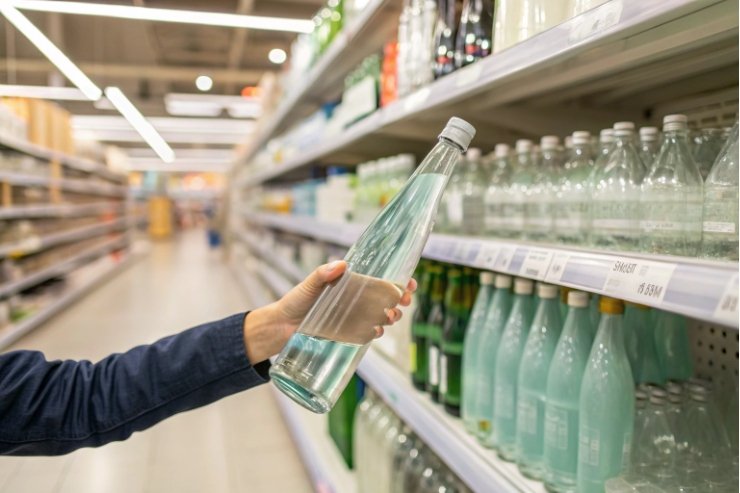
Many brands still debate glass vs. plastic, while customers already vote with their wallets and pick the glass bottle on the shelf.
Consumers prefer glass bottles because they see them as safer and cleaner, more sustainable, better looking and feeling, and better at protecting taste, aroma, and refill value over time.
When I help adjust packaging for a new product, it is clear that the bottle is not “neutral.” Glass and plastic send very different signals about safety, taste, and care for the planet. Let us break this into the questions customers are really asking in their heads.
Is glass safer and more inert for formulas, with no odor or chemical leaching?
People may not know every technical word, but they do worry about “chemicals from plastic” and “funny smells” in the product they drink or apply to skin.
Glass feels safer to many consumers because it is inert, does not leach additives like BPA or plasticizers, resists odor build-up, and gives a stronger barrier to oxygen and CO₂ than most plastics.
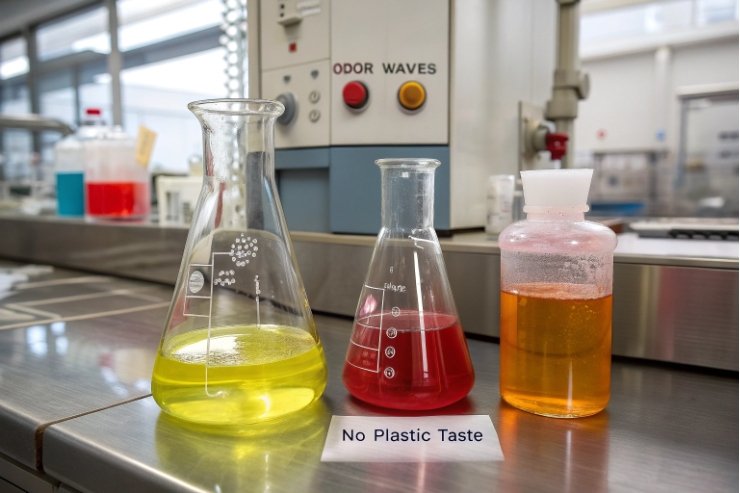
Chemical inertness and “no plastic taste”
Glass is basically a stable mineral network. It does not need softeners or plasticizers. Under normal use:
- It does not release Bisphenol A (BPA) 1 or phthalate plasticizers 2.
- It does not absorb or release smells.
- It does not change when you wash it many times.
For beverages, that means the drink tastes like the recipe, not like the bottle. For cosmetics and essential oils, the fragrance profile stays cleaner, and customers feel better about putting the product on skin.
Many people do not read long safety reports. They just know that glass feels “old school safe” and plastic sometimes sits in news stories about migration and microplastics. That feeling alone can shift preference.
Barrier, shelf life, and thermal stability
Glass is also a strong barrier. Industry groups note glass is virtually inert and impermeable 3:
- Oxygen and CO₂ do not pass through the glass wall in normal conditions.
- The only real paths are through the closure or headspace.
So carbonated drinks stay fizzy longer, and sensitive drinks or oils lose less aroma. Glass also handles:
- Hot-fill for juices and teas.
- Pasteurization for beer or RTD mixes.
- Sterilization and dishwashing at high temperatures.
There is no warping, shrinking, or softening in these ranges. That stability supports both product safety and consumer trust.
A small nuance: closures and micro-particles
One newer topic is microplastics and small particles. Some studies found higher microplastic counts in a few glass-bottled drinks, often linked to caps of glass bottles 4, not the glass itself. This does not make glass “bad,” but it reminds us that:
- Closure design and coating choice matter.
- A safe pack is glass plus the right cap, liner, and process.
From the consumer side, though, the main picture remains: glass walls feel simple, clean, and less risky than plastic walls, especially for premium or “natural” formulas.
Here is a simple comparison of how customers often see the two options:
| Factor | Glass bottle (perception) | Plastic bottle (perception) |
|---|---|---|
| Chemical safety | Inert, “no chemicals” | Possible leaching, more questions |
| Odor / taste | Neutral, no residual smells | Can take and keep odors |
| Heat resistance | Strong, can be boiled or washed | Limited, may warp or soften |
| Barrier to O₂ / CO₂ | Very strong | Depends on resin and wall thickness |
Does glass’s recyclability and higher PCR/cullet content improve sustainability claims?
Even when price is higher, eco-minded shoppers often reach for the glass bottle. They see it as the “green” choice, even before they read any claim on the label.
Glass supports strong sustainability stories because it is endlessly recyclable in practice, can hold high cullet (recycled glass) content, and works well in refill and deposit systems, which customers understand as truly circular.
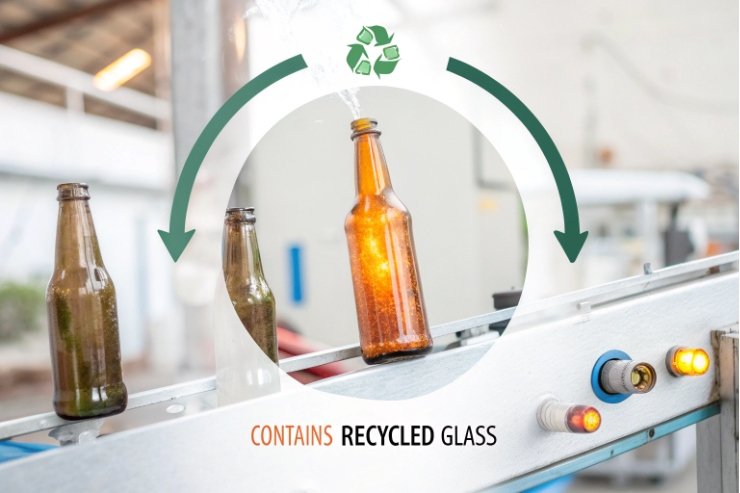
True closed-loop recycling
For most consumers, the recycling story is simple:
- Old bottles go into the glass bin.
- They become new bottles again.
And in many regions this is actually what happens. Glass can be recycled:
- Many times without losing clarity or basic properties.
- In clear, green, or amber color streams that stay separate and useful.
So brands can honestly say:
- The bottle already contains recycled glass.
- The same material can come back as another safe food or cosmetic container.
With plastic, the story is more complex. Some plastic is downcycled into textiles or non-food items, and not all resins have strong local collection.
Cullet content and energy savings
From the factory side, more cullet (recycled glass) 5 in the batch:
- Reduces energy use in the furnace.
- Cuts raw sand and other virgin material use.
Some markets now ask brands to share recycled content targets. Glass lines can often push those numbers higher than many plastic systems without changing performance. That gives real support to sustainability claims instead of empty buzzwords.
Reuse, deposits, and visible circularity
Refill and deposit refund schemes (DRS) 6 are easier to sell with glass:
- A sturdy glass bottle can survive many wash and refill cycles.
- Customers already know the pattern from beer, milk, or soda in some countries.
- A small deposit on each bottle creates a clear loop: return → wash → refill.
This is easy to explain on pack and in store. People see their action (bringing back the bottle) as direct climate and waste reduction, which increases preference for glass where such systems exist.
Of course, glass is heavier and needs more transport energy per unit than plastic. But when reuse and high recycling align, many consumers still see glass as the more honest sustainable choice.
A quick view of what customers often believe:
| Sustainability angle | Glass (in consumer mind) | Plastic (in consumer mind) |
|---|---|---|
| Recyclability | Clear, bottle-to-bottle | Confusing, often downcycled |
| Reuse / refill | Natural fit | Possible but less visible |
| Material story | Sand + recycled glass | Oil + additives |
| Long-term image | “Keeps coming back” | “Ends as waste or microplastic” |
Even if the formula inside is the same, the glass bottle often lets a brand charge more and still keep customers happy.
Glass looks clearer, feels heavier, sounds more solid, and carries a long history of premium products, so it boosts perceived value, trust, and “treat yourself” emotion in a way plastic struggles to match.
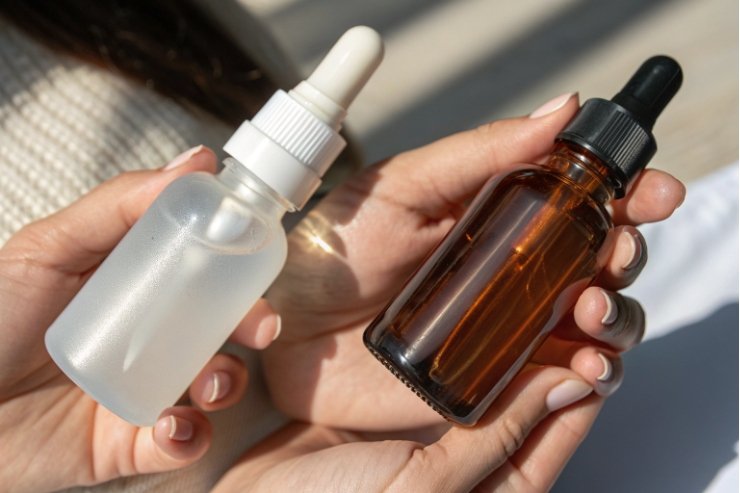
Visual impact and product theatre
Glass has a special way of playing with light:
- High-clarity flint glass shows color, bubbles, and textures inside.
- Frosted or tinted glass gives depth and an “art object” feel.
- Amber and dark tints signal care and protection for what is inside.
On shelf or on a bathroom counter, glass simply reads more “serious.” Many luxury perfumes, spirits, skincare serums, and premium drinks build their whole look around a distinctive glass shape.
Consumers often link glass with:
- Craft and attention to detail.
- Honest ingredients worth showing.
- A long tradition of winemaking, distilling, or apothecary work.
Weight, sound, and hand feel
Weight is a simple but powerful cue. When someone lifts a glass bottle:
- It feels solid and stable in the hand.
- It makes a clear “clink” or “thud” when it touches a table.
Psychology studies like Weight as an embodiment of importance 7 show that heaviness can increase perceived importance and value. That can be risky if the design goes too heavy, but in moderate doses:
- A thicker glass base on a spirit bottle feels premium.
- A solid glass jar for face cream makes the product feel more rich.
Plastic can add fake weight with inserts, but it rarely gives the same cool, smooth surface and clean sound.
Branding, story, and category signals
Glass also signals “I belong in this category”:
- Wine in plastic still feels strange to many consumers.
- A plastic perfume bottle often reads as budget or mass-market.
- Essential oils and tinctures in amber glass echo classic pharmacy bottles.
So when a brand moves from plastic to glass, even with the same logo, customers often read:
- Higher price point is justified.
- Ingredients or process must be better.
- The product is a “keeper,” not a throwaway.
From my own work with glass packaging, it is clear that many consumers cannot explain all of this in words, but they feel it the first second they touch the bottle.
Here is how this usually plays out:
| Attribute | Glass experience | Plastic experience |
|---|---|---|
| Look | Clear, glossy, deep or frosted | Often flatter, less light play |
| Weight | Solid, “serious” | Light, sometimes “cheap” |
| Touch | Cool, smooth, hard surface | Warmer, softer, can scratch or dent |
| Sound | Clean clink or thud | Dull tap or creak |
Do taste/aroma retention and refill/reuse programs work better with glass than plastic?
For food, beverages, and fragranced products, it is not only how the bottle looks on day one. It is how taste and aroma hold up over months, and whether the pack supports refill and long-term use.
Glass’s inert surface and strong barrier help keep taste and aroma closer to the original, and its durability and washability make it a strong base for refill and reuse programs that customers enjoy.
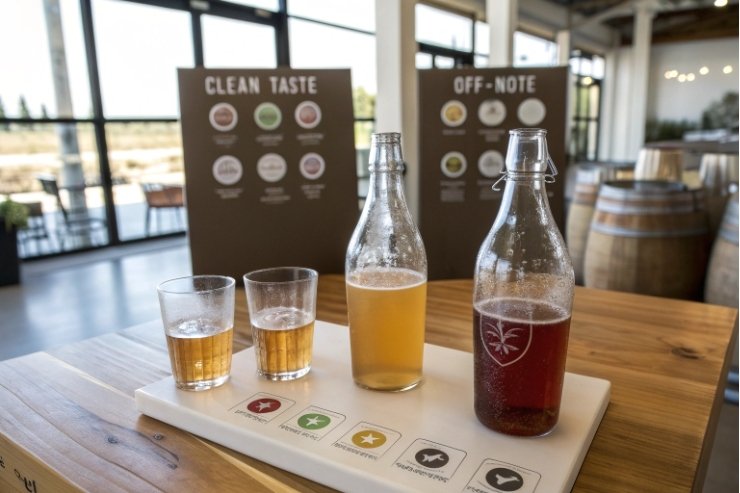
Taste and aroma that stay true
With many plastics, two problems appear over time:
- The product can pick up a “plastic note.”
- The bottle can keep strong flavors or scents even after washing.
Glass avoids both:
- It does not absorb oils, acids, or aroma molecules.
- It rinses clean, and any smell left is almost always from incomplete washing, not from the glass itself.
For drinks:
- Beer, soda, and kombucha often taste “cleaner” from glass bottles.
- Cold brew and juices keep their intended profile longer when light and oxygen are controlled.
For aromatic products:
- Essential oils, room sprays, and perfumes remain closer to their original balance.
- You can rotate scents in the same glass diffuser or mister once it is washed, with much less carry-over than in many plastics.
Refill, reuse, and daily rituals
Refill and reuse are natural roles for glass:
- A sturdy bottle can be used many times with bulk refill pouches or store refill stations.
- Consumers feel good about keeping one “nice” bottle and only replacing the contents.
Practical benefits:
- Glass survives high-temperature dishwashing at home.
- Labels and decorations can be chosen so they survive washing or are easy to remove.
Many brands now build full concepts around:
- Refillable perfume or skincare bottles.
- Refill bars for household cleaners and personal care.
- Deposit and refill cycles for water, milk, beer, and soft drinks.
Customers see the glass bottle as an object with its own value, not just a disposable container. That emotional link makes them more loyal to the brand and more likely to take part in refill programs.
A quick taste and reuse comparison
| Aspect | Glass bottle | Plastic bottle |
|---|---|---|
| Taste / aroma | Very close to original, low transfer | Risk of plastic off-notes, odor carry |
| Cleaning | High-heat wash, no surface damage | Heat limits, can scratch and hold odor |
| Reuse potential | High, feels worth keeping | Depends on design, often “single-use” |
| Refill programs | Natural fit, strong consumer story | Possible, but often less “special” |
So when customers say they prefer glass, they are often reacting to this whole bundle of benefits: their drink tastes better, their oil smells right, and the bottle feels like something they want to keep on the counter, not in the bin.
Conclusion
Consumers pick glass over plastic because it feels safer and cleaner, looks and tastes better, and supports real reuse and recycling stories they can believe in.
Footnotes
-
NIEHS overview of BPA: uses, exposure routes, and ongoing research. ↩ ↩
-
Quick explainer on phthalates, common sources, and practical ways to reduce exposure. ↩ ↩
-
Summary of why glass is considered inert and impermeable for food and beverage packaging. ↩ ↩
-
ANSES findings on microplastics in drinks and how caps can drive contamination. ↩ ↩
-
Definition of cullet and why recycled glass matters in container production. ↩ ↩
-
OECD explanation of deposit-refund schemes and how they incentivize returns and recycling. ↩ ↩
-
Research abstract on how physical weight can increase perceived importance and value. ↩ ↩






