
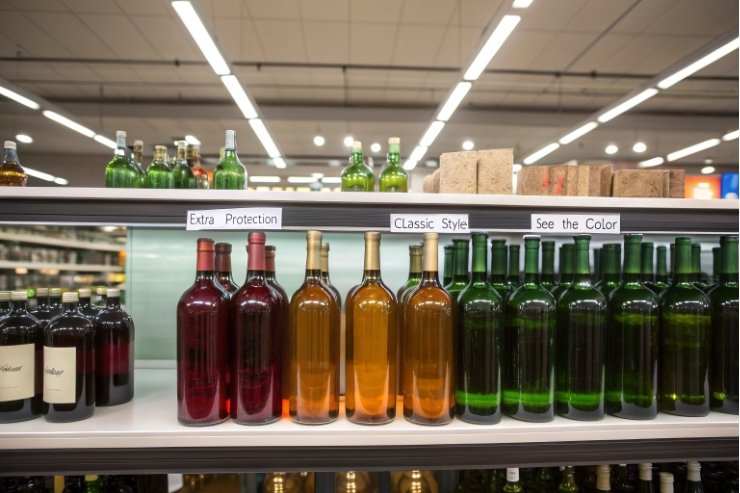
Choosing bottle color looks like a design choice, but it decides whether a wine stays fresh or turns light-struck and tired on the shelf.
Wine bottles are green, brown, and clear because each color blocks light differently, carries strong style and regional traditions, and supports specific marketing and recycling goals. Darker glass protects best against light-strike, while clear flint trades protection for visibility, so it needs sleeves or cartons to stay safe.
In glass packaging work, I see the same story repeat. Light, not heat or cork, quietly ruins more wine than most people realize. So bottle color, glass formulation, and outer packaging become part of the winemaking process. They decide how much UV and blue light hits the wine, how long the aromas last, and how confident a brand can be about its “best before” date. Now I will walk through how color protects the wine, which styles match each color, how marketing and recycling rules shape decisions, and when clear flint can still be a smart choice.
How do color and transmittance protect against light-struck aromas?
Many people know wine should stay away from sunlight, but they are not sure why a green or brown bottle matters so much.
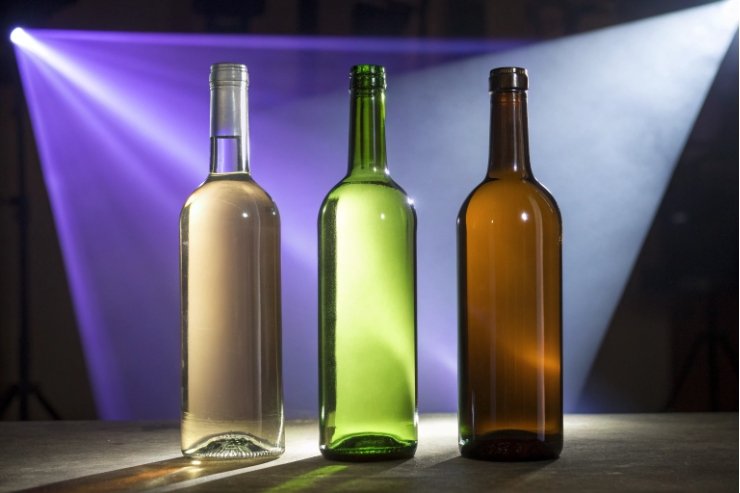
Bottle color controls how much UV and blue light reaches the wine. Brown glass gives the best protection, green offers medium protection, and clear flint almost none, so color and transmittance directly affect light-struck aromas.
What “light-strike” really is
Light-strike is a fault that shows as skunky, cabbage, or wet wool notes. It comes from a reaction pathway often described as light-struck taste (LST) 1 involving riboflavin (vitamin B2) 2 and sulfur-containing amino acids in wine. When UV and blue light reach the wine, riboflavin gets excited and breaks these amino acids into very smelly thiol compounds.
This can happen fast. Under strong shelf lighting, a delicate white or sparkling wine in clear glass can show faults in hours or days. Brown or deep green glass slows this reaction because it blocks most of the wavelengths that start it. Red wines are a little safer because natural pigments and phenolics give some internal protection, but they are not immune under strong light.
So the bottle is the first filter. If color and glass formulation cut out the dangerous wavelengths, the wine has a much better chance to arrive on the table as the winemaker planned.
How different glass colors filter light
Each glass color has a transmission curve 3. In simple terms, this curve tells us how much light passes through at each wavelength. We can summarize the effect like this:
| Glass color / type | UV blocking (below ~400 nm) | Blue light blocking (400–500 nm) | Protection level for light-strike | Typical use cases |
|---|---|---|---|---|
| Clear / flint | Very low | Very low | Poor | Rosé, some whites, marketing focus |
| Antique / dead-leaf green | Medium to good | Medium | Moderate | Many reds, some whites |
| Dark olive / champagne green | Good | Medium to good | Good | Champagne, quality sparkling, fine reds |
| Brown / amber | Very good | Good to very good | Very high | Beer, some age-worthy wines, fortified |
| Black-coated / opaque | Near total | Near total | Maximum | High-end cuvées, sensitive wines |
Brown and amber glass perform best because the iron and sulfur compounds in the glass batch absorb UV and blue light very strongly. Green glass absorbs less of these wavelengths, but still enough to make a real difference compared to flint.
In production, the right choice is often a balance. If a wine will sit under bright shop lights for a long time, or travel far in warm climates, darker glass is the safe option. If the wine will move fast and marketing needs clear visibility of the liquid, then flint plus strong secondary packaging can work.
Which wine styles traditionally match each bottle color?
Most people link certain bottle colors with certain wines without thinking about it. These links did not appear by accident.
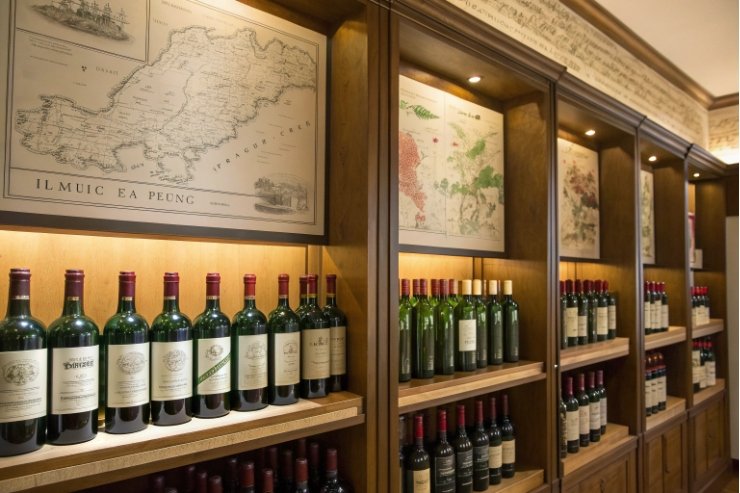
Reds usually go into dark green, some age-worthy or sensitive styles into brown, and many whites and rosés into green or clear glass, while sparkling wines use strong dark glass for both pressure and light protection.
How style, color, and history connect
Historically, glass color came from impurities in sand and ash. Early European furnaces produced naturally green glass because of iron in the raw materials. This “antique green” became the default for many regions because it was cheap and available.
Over time, regions built traditions around this. Bordeaux, Burgundy, Champagne, and German areas all linked specific shapes and colors with local wines. Modern producers can change these rules, but buyers still read a lot into bottle color. A quick reference like the WSET guide to wine bottle shapes and sizes 4 shows how these conventions remain recognizable across markets.
Here is a simplified map:
| Bottle color | Typical styles | Regional examples |
|---|---|---|
| Dark green (Bordeaux / Burgundy) | Still reds, some structured whites | Bordeaux reds, Burgundy Pinot Noir, Rioja |
| Medium green | Whites, some rosés and reds | Loire whites, many Italian whites, Vinho Verde |
| Brown / amber | Sensitive or age-worthy wines | Some Riesling, Sherry, Madeira, certain sweet wines |
| Clear / flint | Rosé, aromatic whites, Prosecco | Provence rosé, Moscato, many “lifestyle” wines |
| Dark green, heavy glass | Sparkling wines | Champagne, Cava, many traditional-method wines |
Sparkling wines are a special case. The glass must handle high internal pressure, so bottles are thick and heavy. Dark green is common because it pairs strength with basic light protection for sensitive aromas and color.
Why some styles “break the rules”
There are always exceptions. Some producers put premium rosé into dark glass to protect it. Others put serious white wines into clear bottles because they want the color to signal richness or oak use.
In these cases, the producer often compensates with:
- Shorter shelf life targets
- Strict cold, dark storage
- Full cartons that block light in transit
- Heavy labels or sleeves that cover much of the bottle
From a packaging viewpoint, style alone should not drive color choice. The real questions are: how sensitive is the wine, how long will it sit in the supply chain, and how strong is the marketing need to show the liquid?
Do marketing and regional recycling rules affect bottle color choice?
Bottle color has to satisfy more than just the winemaker. Marketing teams, retailers, and regulators also have strong opinions.
Marketing leans toward clear and lighter hues to show color and stand out on shelf, while recycling systems and cost pressures favor darker greens and browns that can accept more recycled cullet and mix of glass feeds.
Marketing, shelf impact, and consumer expectations
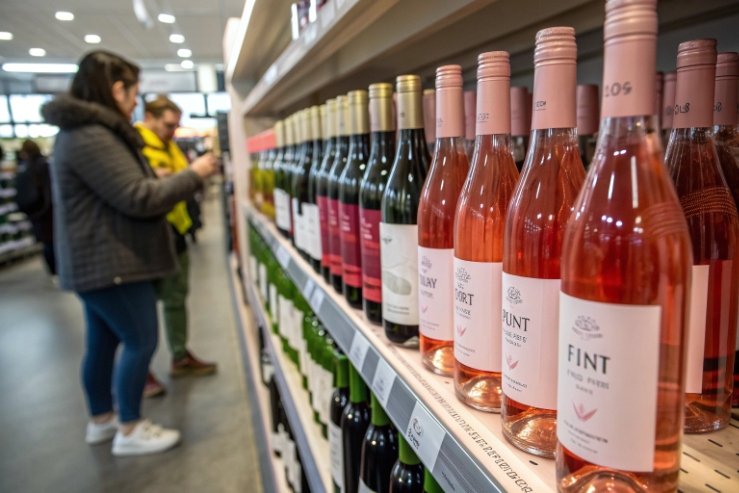
On the shelf, color is part of the message. Clear glass lets shoppers judge the wine’s hue. This matters a lot for rosé, where a very pale salmon color often signals a trendy style. White wines that want to look fresh and lean also use flint to show green tints.
Darker bottles send different signals. They suggest tradition, seriousness, and sometimes higher price. A deep antique green Bordeaux bottle with a classic label tells one story. A tall, clear, slim bottle with silver foil tells another.
Marketing teams often ask for:
- Clear flint for rosé and modern whites
- Custom tints (blue, very light green) for brand identity
- Visible fill level for trust and Instagram photos
From a technical angle, these wishes have to be balanced against protection. This is where sleeves, labels, and cartons come in to bridge the gap.
How recycling and cost shape the palette
Recycling systems in many countries sort glass into broad color streams: flint (clear), green, and amber/brown 5. Darker colors can accept more mixed cullet without visual problems. Clear flint needs very clean, low-iron, low-contamination cullet. This makes high-clarity flint more expensive and sometimes less sustainable.
Here is a simple view:
| Factor | Effect on color choice |
|---|---|
| Recycled glass availability | Favors green and brown for high cullet use |
| Color sorting rules | Encourage standard colors in each region |
| Cost of decolorizing | Makes true flint more expensive |
| Sustainability targets | Push brands toward darker, higher-cullet bottles |
Some regions also promote standard “eco” bottles in certain colors to reduce emissions and weight. Wineries that sign onto these programs may accept a fixed color, often dark green or brown, as part of the deal.
So color is no longer just aesthetics. It is also a lever for CO₂ footprint and recycling goals. When I discuss packaging with producers, we often compare a flint “show” bottle against a darker “eco” bottle and talk about where the brand sits between visibility and sustainability.
When is clear flint acceptable with UV sleeves or cartons?
Clear glass looks great. It is also the worst at blocking light. So it needs help if the wine is sensitive or will see bright shelves.
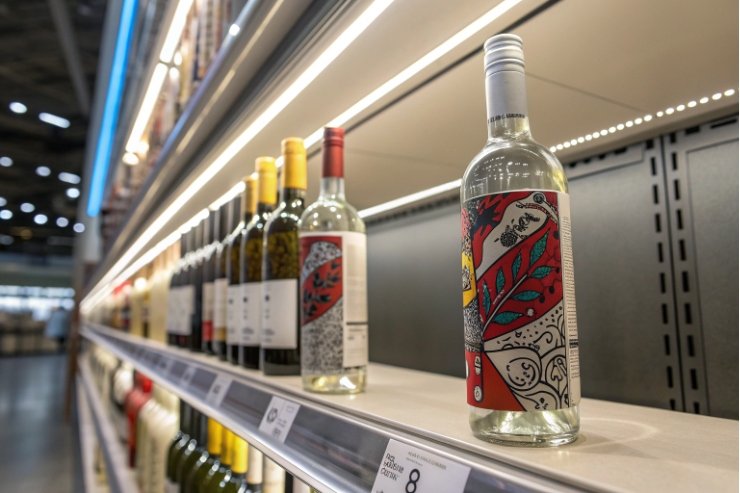
Clear flint becomes acceptable when the wine will sell and be consumed quickly, and when full cartons, UV sleeves, heavy labels, or other barriers block most light during shipping, storage, and display.
How to protect wine in clear bottles
If clear flint is non-negotiable for marketing, the packaging system must change around it. The producer can use several tools:
- Full-height cardboard cartons that keep bottles in the dark until opened
- light-blocking shrink sleeves 6 with UV-reducing inks or films
- Large wraparound labels that cover much of the sidewall
- Tinted internal or external coatings on flint glass
Together, these extras build a “virtual” dark bottle around the wine, while still leaving windows to show color. They are not as perfect as real brown glass, but they can reduce the risk a lot.
A simple comparison:
| Package setup | Light protection | Typical use |
|---|---|---|
| Flint, small label, open shelf | Very low | High-risk, not advised for sensitive wines |
| Flint, full carton in storage, open on shelf near purchase | Medium | Fast-moving rosé and whites |
| Flint with full UV sleeve | High | Design-led brands, export markets |
| Dark green / brown without sleeve | High | Most quality-focused wines |
When flint is a reasonable choice
Clear flint makes sense when several conditions align:
- The wine is meant for early drinking, not long aging
- The style is stable and not extremely light-sensitive
- The supply chain is short, with cool, dark storage
- Turnover on shelf is quick, so bottles do not sit under lights for months
- The brand gains clear value from showing the color
For example, a fresh vintage rosé that sells out in one summer can do well in flint with good cartons and a strong sleeve program. A complex white Burgundy that should age for years cannot.
Sometimes, producers split ranges. Entry-level wines go into flint for strong visual appeal. Reserve or age-worthy wines stay in dark green or brown. This lets them protect their highest-value liquid while still playing in bright, modern segments.
As a glass supplier, my role is to match the real risk profile of the wine with the right combination of color, thickness, sleeve, and outer packaging. Bottle color is the first answer, but never the only one. For sourcing discussions, it also helps to understand why extra-flint glass often uses lower cullet levels 7 to maintain clarity.
Conclusion
Green, brown, and clear bottles each trade light protection against style, marketing, and recycling needs, so the right choice depends on wine sensitivity, shelf life, and how much extra shielding surrounds the glass.
Footnotes
-
Research on light-struck taste chemistry and prevention in white wine under light exposure. ↩ ↩
-
Quick, reliable overview of riboflavin (vitamin B2), the key photosensitizer behind light-strike reactions. ↩ ↩
-
Practical PDF showing how clear, green, and amber bottles transmit UV/visible light at different wavelengths. ↩ ↩
-
Clear explanation of classic bottle shapes and why sparkling bottles are thicker for pressure resistance. ↩ ↩
-
Explains flint/green/amber recycling streams and why colored glass can be recycled in closed loops. ↩ ↩
-
Overview of shrink sleeves, including opaque/light-blocking options used to protect clear-glass wine and spirits. ↩ ↩
-
Useful note on glass types and why extra-flint typically limits recycled cullet to avoid visible impurities. ↩ ↩






