
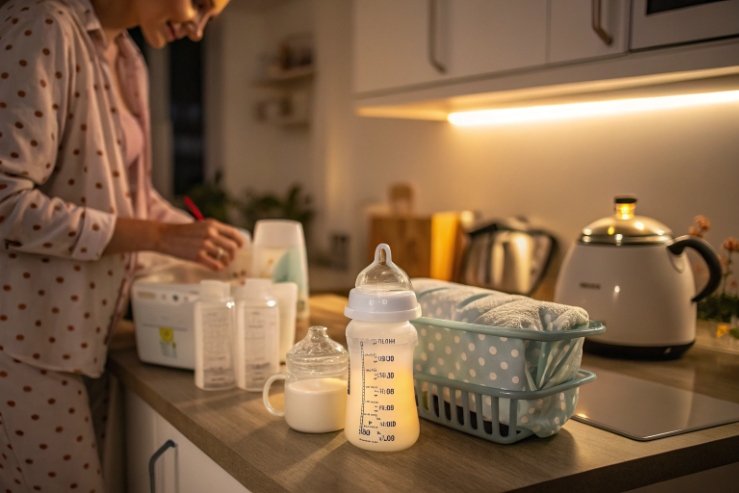
Parents warm, shake, and sterilize bottles every day. When the material feels uncertain, every feed feels like a risk, not a routine.
Glass baby bottles are popular because glass stays flavor-neutral, handles high-heat sterilization, and avoids many additive and microplastic worries. New silicone sleeves and bumpers reduce breakage risk, and well-known EU/US rules and standards help certify baby-safe materials.
The rise of glass is not only a trend. It is a response to how modern families feed. More parents pump. More parents warm milk often. More parents sterilize with steam bags, boiling water, or countertop units. At the same time, “clean materials” became part of the purchase decision. Glass fits that mindset, and new designs fixed many of the old downsides.
Do flavor neutrality and high-heat sterilization matter most?
Milk is sensitive. A faint smell or a cloudy film can turn feeding into guesswork, and cleaning feels endless when odors stay stuck.
For many families, taste neutrality and heat stability are the top reasons. Glass stays inert during warming and repeated sterilization, and it cleans without holding odors or stains.
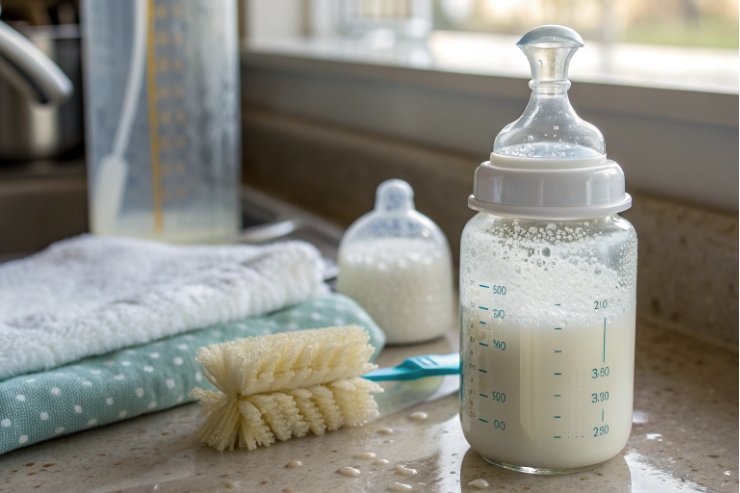
Flavor neutrality is a daily usability feature
Glass is nonporous. It does not absorb fats, flavors, or odors the way some softer materials can. That matters for breast milk, formula, and mixed feeding. It also matters when parents rotate bottles and do not want yesterday’s smell showing up today.
In real kitchens, there is also dish soap, dishwasher heat, and hard water. Glass stays clear and stable through this. It does not “age” in the same visible way. That gives parents confidence that the bottle is still the same bottle after months of use.
A small story belongs here. A first-time parent once said the biggest relief was simple. After switching to glass, the bottle did not smell like anything at all, even after a long night and a rushed wash. That is not a lab claim. It is a daily comfort claim.
Heat cycles, sterilization routines, and “what if” worries
Parents sterilize because they want margin. Glass supports that habit because it tolerates high heat without softening or warping. Many glass baby bottles use borosilicate glass or strengthened glass, so they handle rapid temperature change better than older “regular glass” designs.
Heat is also where many parents feel uncertain about plastics. Research has shown that some plastic feeding bottles can release microplastic particles 1 during hot water sterilization and formula preparation steps. That does not prove harm by itself, but it changes what parents feel comfortable doing at home. Glass is an easy way to reduce that worry.
Cleaning and hygiene are part of the value
A bottle is a food-contact item. Cleanability matters. Glass has a hard surface and resists scratching. Scratches in softer materials can trap residue and make cleaning harder over time. This is one reason some families feel glass “stays new” longer.
Below is a practical comparison buyers often use when choosing a system:
| What parents care about | Glass bottle body | PP / PPSU bottle body | Silicone bottle body |
|---|---|---|---|
| Taste and odor carryover | Very low | Low to medium (depends on use) | Low to medium |
| High-heat tolerance | High | Medium to high (material-specific) | Medium |
| Surface scratch risk | Low | Medium | Medium |
| Long-term clarity | High | Can cloud over time | Can haze over time |
| Weight and travel ease | Heavier | Light | Medium |
When a brand sells “peace of mind,” flavor neutrality plus heat stability is usually the simplest message that still matches real use.
How do sleeve and bumper designs mitigate breakage risk?
Glass has one old fear: drops. Parents do not want to babysit the bottle as much as the baby.
Silicone sleeves, base bumpers, and protective shells spread impact and improve grip. They also reduce scuffs that can weaken glass over time.
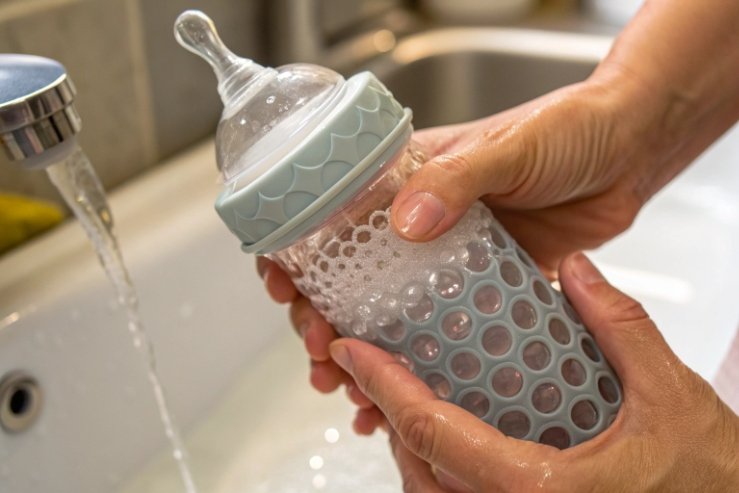
Impact management is really three problems
Breakage risk is not only about one big fall. It is three smaller risks that add up:
-
Grip slips: wet hands, soap, and late-night feeding
-
Edge hits: bottle meets a counter corner, stroller frame, or sink edge
-
Hidden damage: small chips or scratches that grow into cracks later
Sleeves help with all three. They add friction for grip. They add a soft layer that absorbs part of an impact. They also reduce direct glass-to-glass contact when bottles knock together in a drying rack or a diaper bag.
Design details that make sleeves work in real life
Not all sleeves are equal. A good sleeve is not just “rubber on glass.” It needs:
-
a snug fit so it does not slide or trap water
-
drainage or easy removal for drying
-
a texture that stays grippy when wet
-
a window or level marks that are still readable
Some designs use a bottom bumper ring. This protects the base, which is the most common impact zone. Others use a full sleeve that covers shoulder and body, which protects the areas that see side hits.
A sleeve can also reduce the worst-case mess if a bottle breaks. It may help hold fragments in place, but it should never be treated as a guarantee. The safe message is “risk reduction,” not “unbreakable.”
Protective design also supports supply chain handling
From a packaging view, sleeves can reduce scuffing during shipping and storage. Scuffing matters because surface flaws reduce glass strength. When bottles ship in bulk cartons, a sleeve is like a built-in buffer. It can lower complaint rates from cosmetic rub marks and micro-chips.
Here is a simple way to evaluate sleeve types:
| Protection style | What it does best | What to watch | Best fit |
|---|---|---|---|
| Full silicone sleeve | Grip + broad impact absorption | Drying and trapped moisture | Daily home use, sink risk |
| Base bumper ring | Protects heel and base | Side impacts still possible | Countertop drops, travel |
| Hard outer shell (cage) | Strong impact protection | Bulk and weight | Daycare, outdoor use |
| Travel pouch / bottle bag | Protects in bags | Not used during feeding | Commute and stroller use |
Modern glass bottles are popular because parents can now get the “clean material” feeling without the fragile feel. That combination did not exist at scale ten years ago.
Are recyclability and durability stronger vs plastics?
A bottle is used thousands of times. If it scratches, clouds, or smells, parents replace it, and waste piles up.
Glass can last across children and stays clear. It is also widely recyclable. Plastics are lighter and hard to break, but they can scratch and may be replaced sooner.
Durability means “how long it stays acceptable,” not only “does it break”
People often define durability as “does it shatter.” Parents define it in a wider way:
-
does it still look clean
-
does it still smell neutral
-
do the markings still read
-
does it still feel safe after months of use
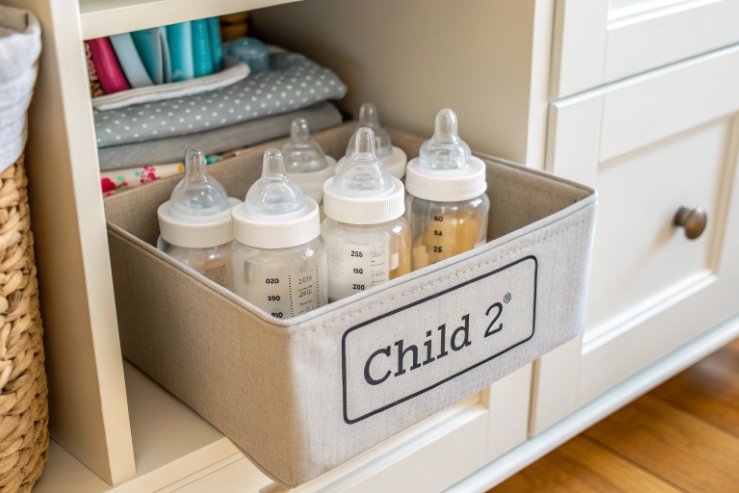
Glass performs well on these. It stays clear. It resists stains. It does not hold odors. That makes it easier to reuse for a second child, or to pass down.
Plastics win on drop survival and weight. That matters for daycare, travel, and older siblings who treat bottles like toys. Many families end up with a mixed system: glass at home, plastic on the go.
Recyclability and “replacement rate” are linked
Glass is widely recyclable and can be recycled repeatedly in many regions. For parents who replace plastic bottles often due to clouding or scratching, glass can feel more sustainable even before recycling happens, because fewer bottles are bought over time.
This is also where brand messaging gets stronger. A glass bottle can be sold as a long-life item. Then the brand can sell replacement nipples, rings, and caps separately. That reduces waste and raises repeat purchase in a healthier way.
The honest trade-off: transport cost and breakage planning
Glass is heavier. That affects shipping cost. It also affects how brands must pack and ship. If a brand sells direct-to-consumer, it needs better drop protection in the shipper. If it sells retail, it needs strong inner cartons and stable case packs.
Still, many parents accept the extra weight because the bottle is used at home most of the time. For many families, weight is a small price for confidence.
A simple comparison helps product teams decide how to position each material:
| Category | Glass | PP / PPSU | Silicone |
|---|---|---|---|
| Heat confidence | High | Medium to high | Medium |
| Long-term clarity | High | Medium | Medium |
| Drop survival | Medium | High | High |
| Typical replacement frequency | Lower | Medium | Medium |
| Recycling story | Strong (region-dependent) | Mixed | Mixed |
| Best use context | Home, routine sterilizing | Travel, daycare | Travel, toddler stage |
Glass tends to win when the brand speaks to “clean, stable, long-term.” Plastics tend to win when the brand speaks to “light, tough, travel-ready.” The market has space for both, so glass growth does not require plastic to disappear.
Which standards certify baby-safe materials?
Parents often see labels like “BPA-free” and still feel unsure. A real safety claim needs a standard, a test report, and traceable production.
In Europe, EN 14350 is the main drinking equipment standard for young children. In the US, CPSIA chemical limits and CPSC certification rules apply, and FDA food-contact guidance supports safety assessments.
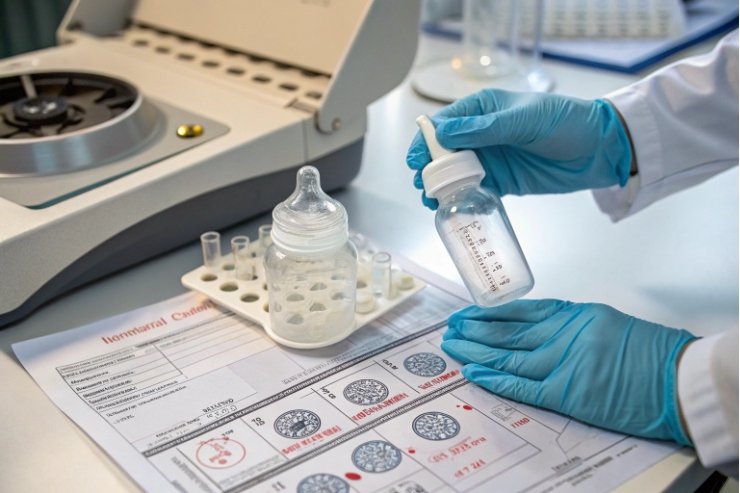
Europe: EN 14350 plus food-contact rules
EN 14350 covers drinking equipment for children up to 48 months. It includes requirements for materials, construction, performance, packaging, and product information. It is not only about “does it leak.” It also covers chemical topics. For glass baby bottles, EN 14350 includes a test for migration of lead 2 and cadmium from glass. That matters because even if the glass body is clean, inks, decorations, or certain glass compositions can create questions.
On top of product standards, the EU treats baby bottles as food-contact items. The framework rules focus on inertness and safe manufacturing. Good manufacturing practice (GMP) rules apply to food-contact materials. For buyers, this means the factory should provide a clear declaration of compliance and a testing file that matches the target market.
United States: CPSIA, CPSC certification, and food-contact expectations
In the US, baby bottles fall under children’s product expectations and food-contact expectations. On the children’s product side, the CPSIA sets rules on lead and phthalates, and it supports third-party testing and certification. Importers and brands commonly issue a Children’s Product Certificate (CPC) 3 based on testing from a CPSC-accepted lab. This is important for painted logos, printed scale marks, and any decorative coatings, because surface coatings have lead limits.
On the food-contact side, the FDA provides guidance for safety assessment of food contact substances intended for contact with infant formula or human milk, including baby bottles and nipples. In practice, this drives material selection and supplier documentation, especially for nipples (often silicone) and any plastic parts like rings and caps.
What a “baby-safe” compliance file should include
From a packaging supplier point of view, the best practice is to prepare a file that is easy for a brand to audit:
-
material declarations for glass, silicone, and plastics
-
migration and heavy metal test reports for glass decoration areas
-
phthalate and lead compliance for coatings and printed inks
-
mechanical checks for leakage, fit, and durability
-
traceability: lot codes, batch records, and inspection data
A simple checklist keeps projects on track:
| Item to certify | Why it matters | What the buyer should ask for |
|---|---|---|
| EN 14350 test coverage (EU) | Safety + chemical + labeling | Test report summary and scope |
| Lead in surface coatings (US) | Printed logos and marks | Lead test result + coating spec |
| Phthalate compliance (US) | Soft plastics and flexible parts | Phthalate test result for parts |
| Food-contact safety (US/EU) | Milk is sensitive | Supplier declarations + migration data where relevant |
| Third-party testing and CPC (US) | Import and retail readiness | CPC + lab accreditation info |
| GMP and traceability (EU) | Repeatable quality | QA records and batch trace |
Standards do not replace good design, but they make safety claims real. This is one reason glass bottles feel safer to many parents. The message is easy to understand, and the compliance path is clear when the brand does the paperwork right.
Conclusion
Glass baby bottles rise because they feel clean, stay neutral under heat, and now ship with smart protection. Clear standards and testing turn that comfort into real confidence.
Footnotes
-
Research finding that polypropylene bottles release microplastics during formula preparation with hot water. ↩ ↩
-
EU Directive 2005/31/EC amending Council Directive 84/500/EEC on ceramic articles intended to come into contact with foodstuffs. ↩ ↩
-
A document issued by the importer or manufacturer certifying that a children’s product complies with all applicable safety rules. ↩ ↩






