
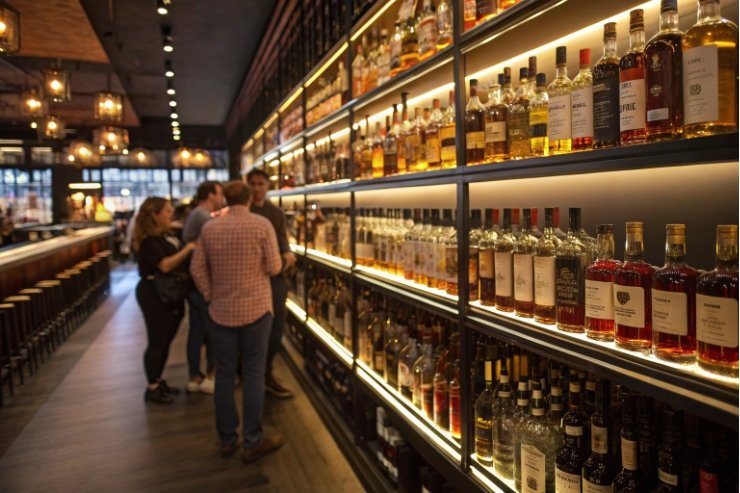
Premium spirits live or die in a few seconds on shelf or back bar. If the bottle looks generic, all the work on recipe, barrel, and aging disappears into the noise.
Custom glass bottles are essential for premium spirits because they turn the bottle into a recognizable brand icon that signals quality, supports higher pricing, protects the liquid, and builds emotional connection long after the first pour.
When the glass is designed around the brand story, the bartender’s needs, and the target price point, the package stops being a neutral container. It becomes a silent ambassador that speaks about origin, craft, and value every time someone sees or touches it.
How do custom glass spirit bottles improve brand perception and shelf appeal?
In a busy spirits aisle, most shoppers do not read every label. They scan shapes and colors first, then choose which bottle to pick up.
Custom glass spirit bottles improve brand perception and shelf appeal by using unique shape, weight, color, and embossing to send instant “premium” signals and make the brand visible and memorable from across the room.
Shape, weight, and first impressions
The first contact with your brand is often visual. The second contact is tactile. A bespoke bottle shape and a well-judged heavy base change both moments.
There is also strong research support for why heft works: studies on how packaging weight affects willingness to pay 1 show that “feel” can shift value perception before a sip.
With custom glass, we can:
- Give the bottle a silhouette that stands out in a block of similar products.
- Add a solid base that feels luxurious without wasting glass.
- Balance the center of gravity so the bottle pours comfortably.
When someone lifts a heavy, cool, well-balanced bottle, the mind connects that weight and precision with “quality” and “care”. This happens before they look at age statements or origin.
Turning the bottle into a brand icon
Over time, a proprietary bottle becomes a visual shortcut for the brand. The outline is recognizable even when the label faces away or is partly hidden on a crowded back bar.
Custom features that support this:
- Distinct shoulders or body lines.
- Unique transitions between neck and body.
- Embossed logos, crests, or patterns in key areas.
- A punt or base detail that no one else has.
Once customers recognize the bottle at a glance, they can find it again in a large store or bar with almost no effort. That reduces friction and supports repeat purchase.
Storytelling through glass and decoration
The glass itself can carry parts of the story:
- Angular, architectural bottles feel modern and urban.
- Rounded, softer shapes feel more traditional or heritage-based.
- Colors and tints can hint at terroir, botanicals, or aging style.
Direct printing and subtle foil accents let you place typography and graphics exactly where they support the silhouette rather than fighting it. The result is a cleaner, more “designed” appearance that feels premium from every angle.
A simple comparison:
| Aspect | Stock bottle with label | Custom spirits bottle |
|---|---|---|
| Recognition at a glance | Low | High, bottle acts as logo |
| Perceived quality | Depends mainly on label | Glass, weight, and label work together |
| Back bar presence | Blends into other shapes | Visible from a distance and in low light |
| Memory after purchase | Easy to forget | Customers recall “that bottle” and seek it out |
When the bottle does so much of the branding work, every other marketing effort becomes more efficient, because the physical object is already etched into people’s minds.
Which bottle shapes, closures, and decorations work best for high-end liquor packaging?
Not every premium spirit needs a crazy shape. The best designs look distinctive, but they also pour well, store well, and work with closures that feel secure and refined in the hand.
High-end liquor packaging works best with shapes that match the spirit’s personality, closures that “feel” premium and seal reliably, and decoration that looks rich up close but still reads clearly from a distance.
Matching shape to spirit style
Shape is not only aesthetics. It sets expectations about what is inside.
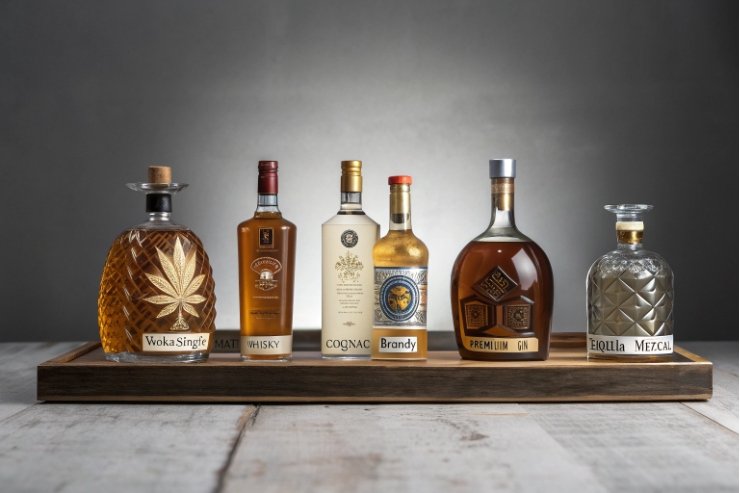
Common directions for premium spirits:
| Spirit style | Typical shape direction | Signal to consumer |
|---|---|---|
| Single malt whisky | Thick base, broad shoulders, solid feel | Depth, heritage, serious craftsmanship |
| Cognac / brandy | Curved body, generous punt, ornate lines | Tradition, indulgence, ceremony |
| Premium gin | Strong geometry, facets, bold silhouette | Modern, botanical, experimental |
| Tequila / mezcal | Sculptural, regional cues, artisanal feel | Origin, culture, distinct terroir |
| Vodka | Tall, clean, minimal decoration | Purity, clarity, precision |
What matters is coherence. The shape should tell the same story as the liquid, the brand name, and the price. When all four align, customers feel that the overall product “makes sense”.
Closures for high-end spirits do more than seal the bottle. They are part of the ritual.
Common options:
- T-stoppers with natural or technical cork: The classic premium feel, with that audible “pop” on opening. If you’re choosing between materials, compare natural vs micro-agglomerated cork for bar-top stoppers 2.
- Wooden or metal tops: Larger tops give more presence and better grip, with space for engraving or embossing.
- Decorative capsules or sleeves: Hide the transition between neck and stopper, and add color or shine.
For faster bar workflows or value lines, a tamper-evident screw system can be a better fit—especially when you understand how Roll On Pilfer Proof (ROPP) cappers work 3.
Custom neck finishes support these closures by matching the taper and diameter to the exact cork or shank style. This reduces leak risk and makes every opening feel controlled and smooth.
Decorations that carry the story
For high-end packaging, less but better decoration usually wins. The glass should still be visible.
Strong options:
- Direct screen printing for main branding, so the bottle looks finished even without a label.
- Hot stamping or foil for logos and accents that catch light on the bar.
- Selective frosting or coatings to create contrast and touch points.
- Embossing and debossing to introduce texture and depth.
You can combine these with a small, secondary label for legal or variable information. The result keeps the focus on glass and structure, which feels more permanent and collectible.
A practical guide:
| Element | Good practice for high-end liquor |
|---|---|
| Shape | Distinct but stable on shelf and back bar |
| Closure | T-stopper or cork with solid head, aligned with brand personality |
| Decoration | Direct print + small label, or label framed by embossing |
| Color | High clarity flint or controlled tint that supports the story |
The best designs are the ones bartenders enjoy using. If they like how the bottle looks and pours, they will place it in visible spots and reach for it more often in front of guests.
Premium spirits are not sold only on liquid quality. They are also sold on emotion, ritual, and perceived value when the bottle first comes out of the box.
Custom glass bottles help distilleries justify higher price points because they make the total experience feel more crafted, more generous, and more memorable, which encourages gifting, repeat purchase, and long-term brand loyalty.
Packaging as visible value
When customers pay more, they look for reasons. A custom bottle provides those reasons before the first sip.
Key ways it supports higher pricing:
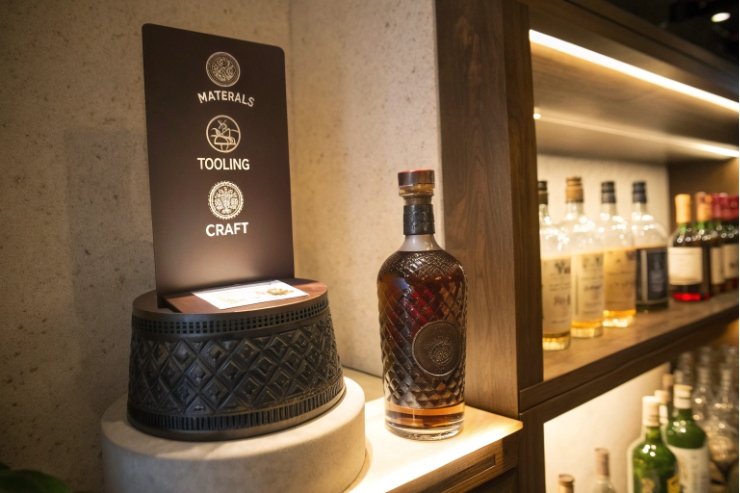
- The heavy base and detailed finish signal that money was invested in materials and tooling.
- Embossed crests, medallions, and dates suggest history and authenticity.
- Precise decoration and flawless glass show care and control.
If the bottle looks like a gift object, people accept a higher price, especially in categories like whisky, cognac, tequila, and craft gin where packaging is part of the enjoyment.
A simple price logic:
| Packaging level | Typical customer reaction |
|---|---|
| Generic stock bottle + label | “Looks fine, maybe mid-range.” |
| Slightly customized stock | “Nice, maybe a bit premium.” |
| Fully custom heavy bottle | “This feels special; I expect a higher price.” |
When the visual and tactile cues match the price the brand is asking, customers feel comfortable. When the bottle looks cheap for the price, they hesitate or trade down.
Turning bottles into gifts and collectibles
Loyalty grows when people enjoy not only drinking the spirit, but also owning the bottle.
Custom glass can:
- Make the bottle look strong on a home bar or bar cart.
- Encourage people to keep and reuse it as a decorative object.
- Support limited editions and special cask releases with unique details.
For example, a distillery can use the same core silhouette, but add:
- Different embossing for special releases.
- Unique colors or coatings for anniversary editions.
- Individually numbered decoration for single cask bottlings.
Collectors notice these details and often buy faster, even at higher prices. Each limited bottle also reminds them of the core brand between special drops.
Experience in hand and in use
There is also a quieter side of loyalty: how the bottle behaves.
Custom structural design can:
- Improve grip points so the bottle feels secure, even when wet.
- Make pouring more controlled for both consumers and bartenders.
- Reduce dripping and label damage around the neck and shoulder.
When everything feels smooth and thoughtful, people associate that positive feeling with the brand. They remember how pleasant it was to open and pour, not just how the liquid tasted. That memory influences the next purchase decision more than many brands realize.
In short, a custom glass bottle lets the visible and tactile parts of the experience catch up with the quality of the liquid, so premium pricing feels natural instead of forced.
What factors should you evaluate when selecting a custom glass bottle supplier for your spirits brand?
Choosing the right supplier is as important as choosing the right shape. A great design is useless if the factory cannot deliver stable quality, enough volume, or realistic lead times.
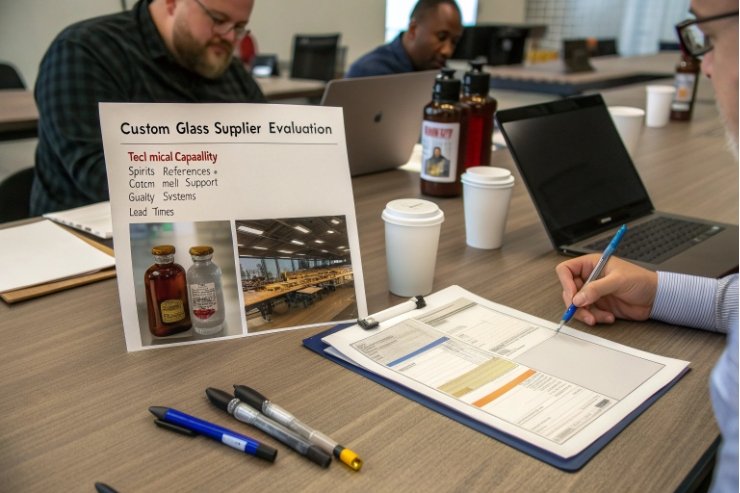
When you select a custom glass bottle supplier, you should evaluate technical capability, design support, quality systems, supply security, and their understanding of spirits-specific needs like closures, bar use, and brand protection.
Technical capability and category experience
Spirit bottles have different demands than juice or sauces. They need high-clarity flint, precise neck finishes, and strong bases.
Questions to consider:
- Does the supplier have real experience with spirits bottles in your volume range?
- Can they show samples of heavy-base, premium flint bottles they already make?
- Do they offer both prototype molds and full production molds?
If the supplier already knows the typical issues with T-stoppers, capsules, bar ergonomics, and export rules, your project will run smoother.
Quality, certification, and consistency
Premium spirit brands cannot afford big variations in glass.
Look for:
- Clear dimensional control and test reports.
- Stable color and clarity across batches.
- Strong inspection for stress, cracks, and base stability.
- Relevant certifications like an ISO 9001 quality management system 4.
For precision on the most failure-prone areas (especially neck finishes), it also helps when the supplier designs and inspects against ISO 9058:2008 standard tolerances for bottles 5 where applicable.
Ask how they manage mold wear, how often they check neck dimensions, and how they handle complaints. The answers will tell you how they think about long-term partnerships.
Design support, sampling, and communication
Custom projects always include small surprises. A good supplier helps solve them early.
Key points:
- Do they provide 2D drawings and 3D files for your design and marketing teams?
- How many sample rounds are included, and what is the lead time?
- Who will be your main contact for technical questions and scheduling?
Clear communication around mold cost, sample timing, and realistic annual capacity prevents most future conflicts.
Supply chain, sustainability, and long-term fit
Finally, think beyond the first launch.
Consider:
- Their base location relative to your filling site and main markets.
- Freight options, pallet patterns, and packaging that protect heavy glass.
- Ability to support recycled content and energy-saving projects using credible benchmarks like glass recycling facts and benefits 6.
- Willingness to lock in long-term molds and protect your design.
If you plan to sell in the U.S., align decoration layouts early with TTB distilled spirits labeling guidance 7 so late compliance fixes don’t force redesign.
A simple supplier checklist:
| Factor | What to check | Red flag example |
|---|---|---|
| Spirits experience | Real premium spirits references | Only food jars and no heavy flint samples |
| Quality control | Test reports, process descriptions | Vague answers, no clear tolerance data |
| Design and sampling | CAD support, clear sample plan | “We will see when we get there” |
| Production capacity | Aligned with your growth plan | Capacity too small or unclear |
| IP and mold ownership | Clear contract on private molds and exclusivity | Shared mold use without your agreement |
| Sustainability options | Recycled content, energy initiatives | No information or interest in improvements |
The right supplier will feel like part of your team, not just a vendor. They will help you balance look, performance, cost, and timeline so the bottle you imagined becomes the bottle your customers fall in love with.
Conclusion
Custom glass bottles give premium spirits a visible, tangible advantage, turning every bottle into a long-term brand asset that supports higher prices, better experiences, and stronger protection for both the liquid and the brand.
Footnotes
-
Peer-reviewed evidence that heavier packaging boosts desire and willingness to pay for beverages. ↩︎ ↩
-
Compares natural and micro-agglomerated cork for bar-top stoppers, balancing feel and consistency. ↩︎ ↩
-
Explains how ROPP caps form threads and tamper evidence on the bottle neck. ↩︎ ↩
-
Official ISO 9001 overview for evaluating a supplier’s quality management system. ↩︎ ↩
-
ISO tolerances for bottles help prevent closure fit problems and dimensional drift across production. ↩︎ ↩
-
Data on cullet and recycling benefits to support credible sustainability claims for glass. ↩︎ ↩
-
TTB checklist of required distilled spirits label elements to avoid costly compliance rework. ↩︎ ↩






