
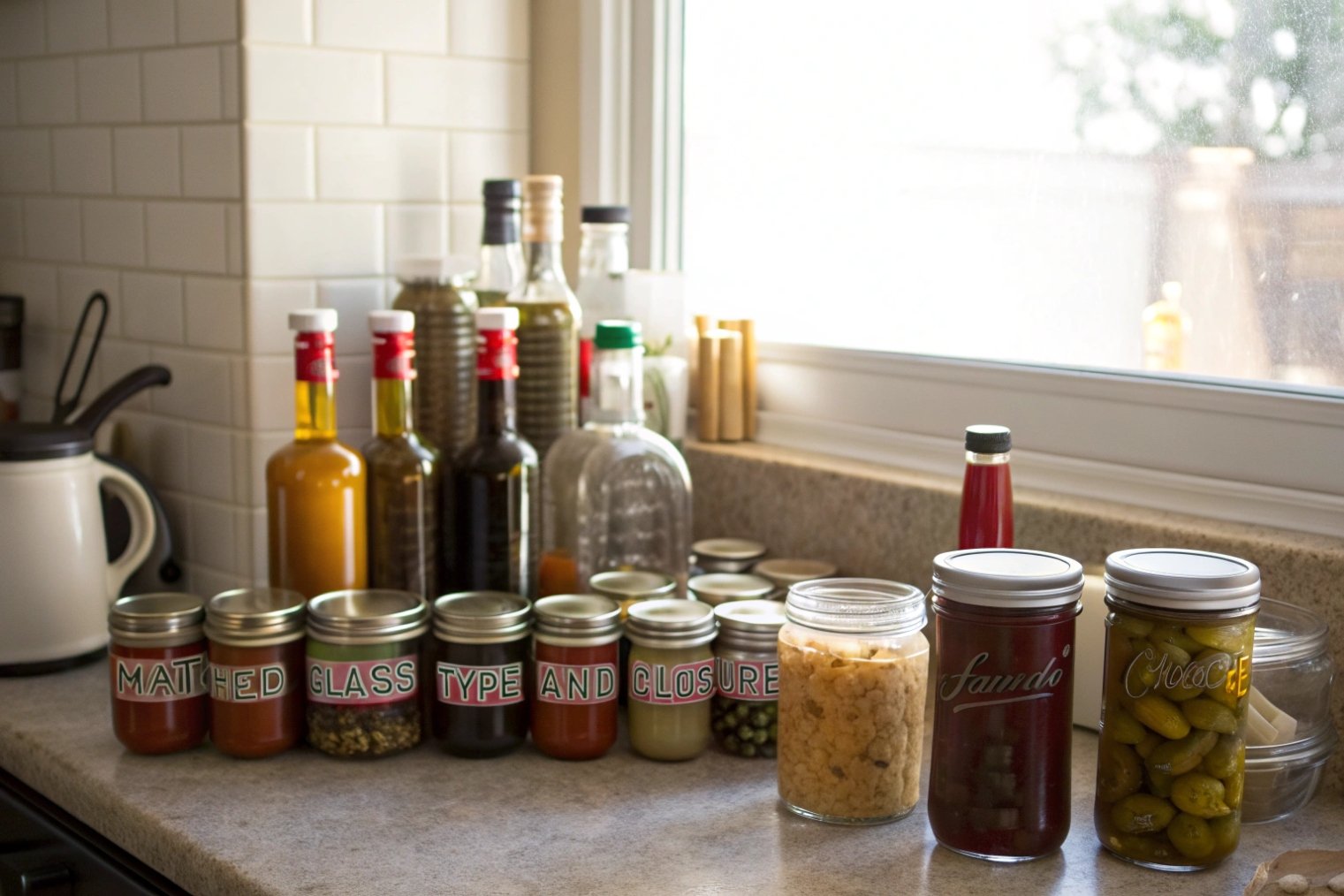
The wrong glass bottle can ruin months of work in one afternoon: lids pop, sauces darken, pickles go soft, or jars crack in hot water.
The best food-storage bottles match glass type, certification, closure, and color to your recipe, heat process, and shelf life—not just to looks or price.
Once you treat your pantry like a small factory line, the patterns become clear. Certain glass shapes and closures show up again and again because they quietly survive heat, cold, light, and daily opening.
How do you match glass bottle type to different foods?
A beautiful bottle that is hard to fill, empty, or clean will sit unused at the back of a cabinet. Shape and mouth design matter as much as glass type.
For everyday food storage, use food-grade soda-lime jars and bottles; switch to tested canning jars or specialty glass only when heat processing, freezing, or strong pressure are part of the plan.
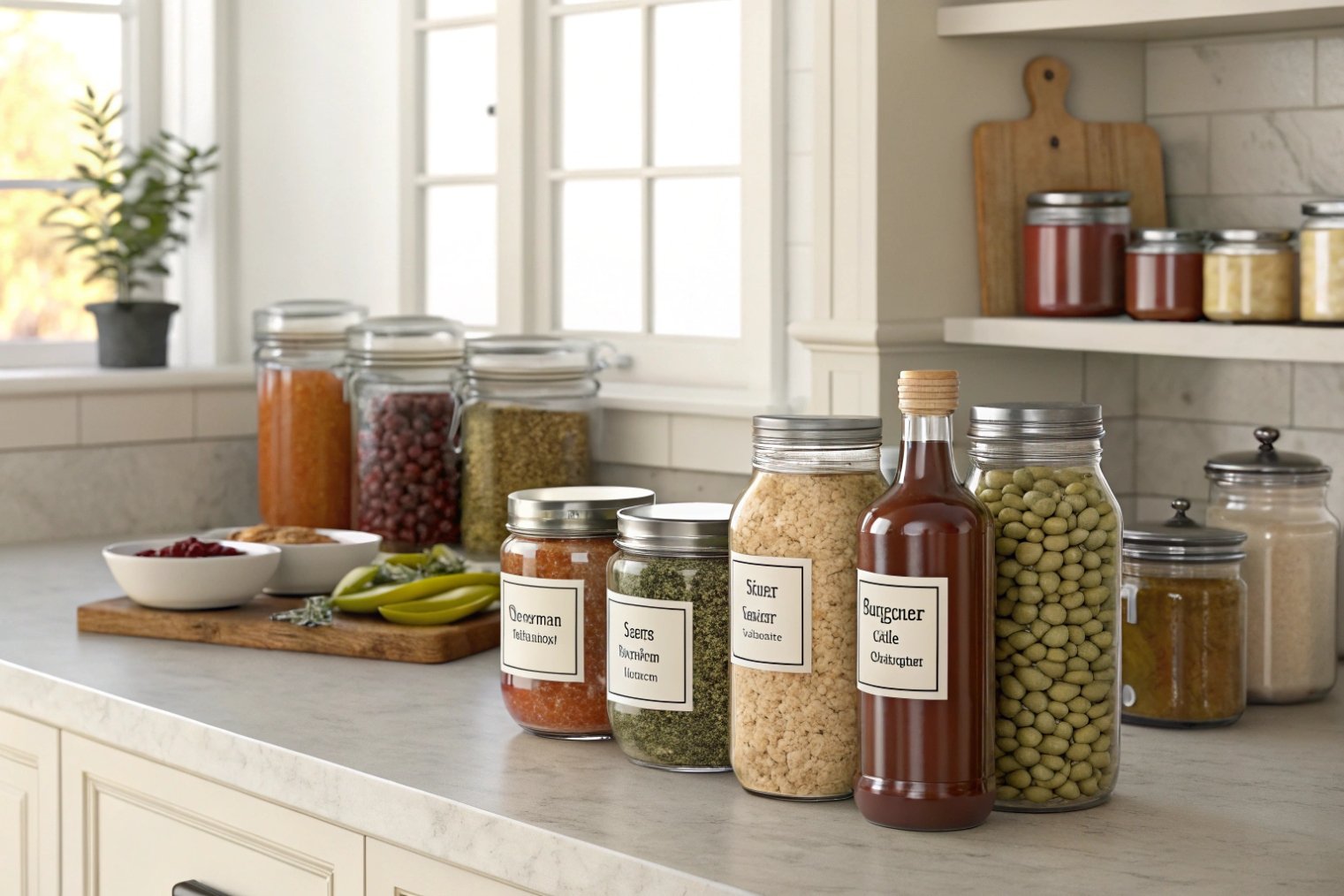
Understand the main glass families at home
For home and small-batch use you mostly meet:
| Glass type | Typical use at home |
|---|---|
| Soda-lime (Type III) | Everyday jars, bottles, mason jars, swing-tops |
| Treated soda-lime (Type II) | Some pharma and higher-grade bottles (less common in kitchens) |
| Borosilicate (Type I) | Ovenware, lab bottles, some high-heat or specialty containers |
For most pantry foods, standard food-grade soda-lime is enough:
- Sauces, jams, honey, nut butters
- Pickles, chutneys, relishes
- Vinegar, syrups, and many infusions
- Dry foods like rice, beans, nuts, and snacks
Borosilicate is helpful for cookware and lab-style bottles, but it is not required for normal pantry storage. It costs more and is less common in traditional canning jars.
If you’re heat-processing for shelf stability, don’t guess—follow the jar and process guidance from the National Center for Home Food Preservation 1 and the USDA Complete Guide to Home Canning 2.
Match shape and opening to the food
Think in three categories:
-
Wide-mouth, straight-sided jars
Perfect for jams, pickles, ferments, nut butters, and leftovers. They are easy to fill, scrape, and clean. Classic mason jars with two-piece lids shine here. -
Narrow-neck bottles
Better for pourable items: juices, syrups, oils, thin sauces. They control flow and reduce spills, but they are harder to clean inside. -
Swing-top bottles and decorative shapes
Great for dry goods, short-term drinks, or fermented sodas you open often. Not suitable for pressure canning or long hot processes unless the bottle is specifically rated.
For freezing, use straight-sided jars or bottles with thick walls, avoid strong shoulders, and leave generous headspace so liquids can expand without breaking the glass.
What certifications verify food-contact safety and migration limits?
A jar can look “kitchen friendly” and still come from a maker who never tested for heavy metals or migration. Food-contact assurances should not be guesswork.
Look for glass bottles and closures that declare compliance with FDA or EU food-contact rules, plus test reports or declarations of conformity that cover heavy-metal and overall migration limits.
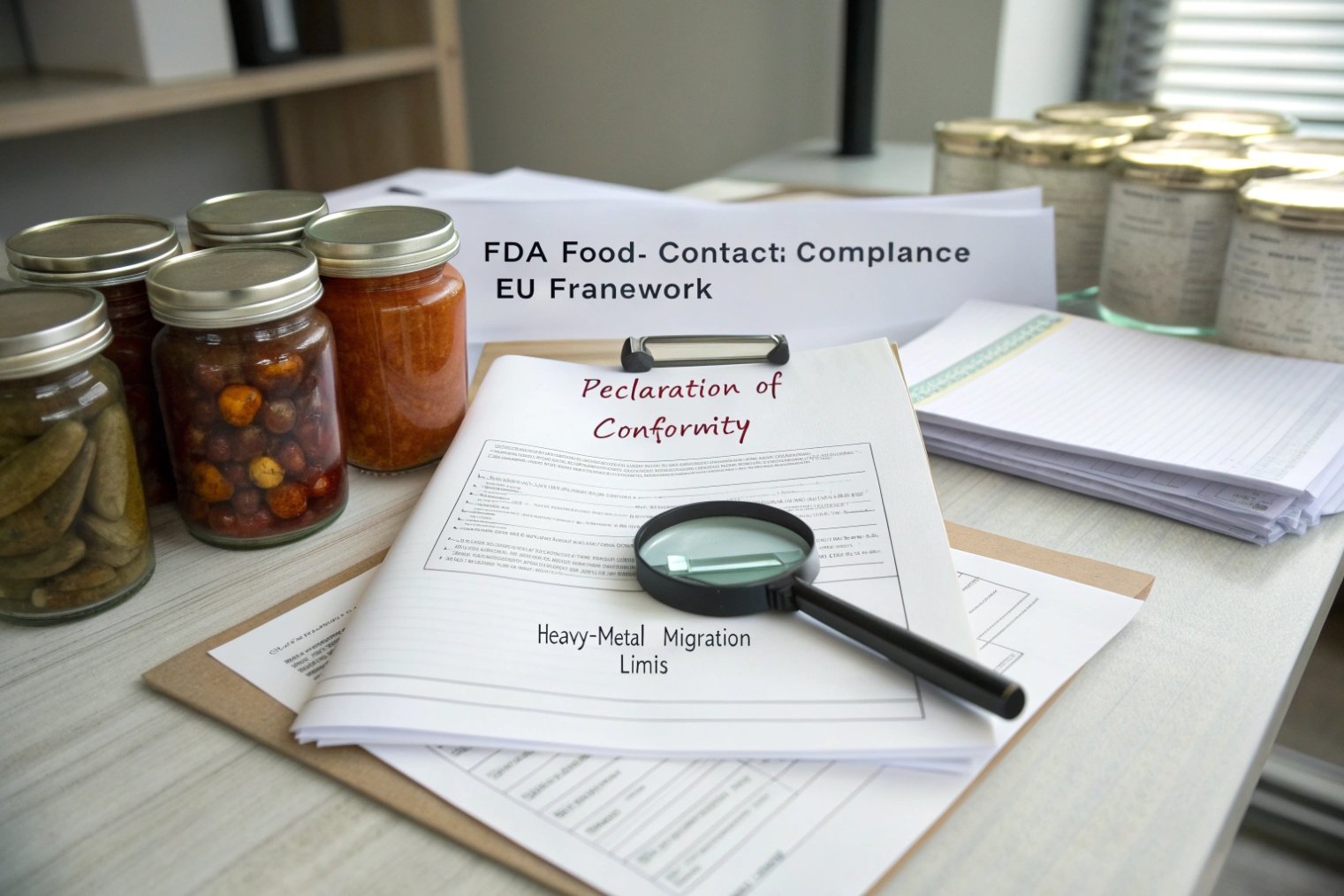
What to ask suppliers or check on packaging
When you buy bottles for food, a few keywords matter more than marketing terms:
- “Food-safe” or “food-contact compliant”
- References to FDA regulations for food packaging (especially coatings and liners via the FDA Food Contact Substance (FCS) notification system 3)
- References to EU food-contact framework rules such as Framework Regulation (EC) No 1935/2004 4
- A “Declaration of Conformity” or similar document for bulk purchases
For everyday retail jars from known brands, this compliance is usually built in. For bulk or anonymous online suppliers, it is worth asking directly.
A simple way to think about it:
| Region / standard area | What you want to see in writing |
|---|---|
| United States | Complies with relevant FDA food-contact requirements |
| European Union | Suitable for food contact under EU framework rules |
| General | Free from lead and cadmium for decorative coatings and colors |
For small home use you might not receive full lab reports, but you can still:
- Prefer reputable brands and canning-specific jars.
- Avoid unknown vintage glass with bright, old decorative paints on food-contact areas.
- Keep non-food-safe decorative bottles for dried flowers, sand, or stones, not for actual food.
Glass itself is usually inert. The main risk is from decorative coatings, enamels, metallic details, and low-quality closures that may contain unwanted substances. That is why documentation matters more for heavily decorated pieces.
Which closures and liners keep food airtight and leak-proof?
Glass can be perfect, but if the closure leaks or rusts, flavor and safety suffer fast. Many food failures start with the lid, not the jar.
Use two-piece canning lids or tested twist-off caps for shelf-stable foods, and choose liners (rubber, silicone, or BPA-free coatings) that resist your recipe’s acidity, oil, and salt.
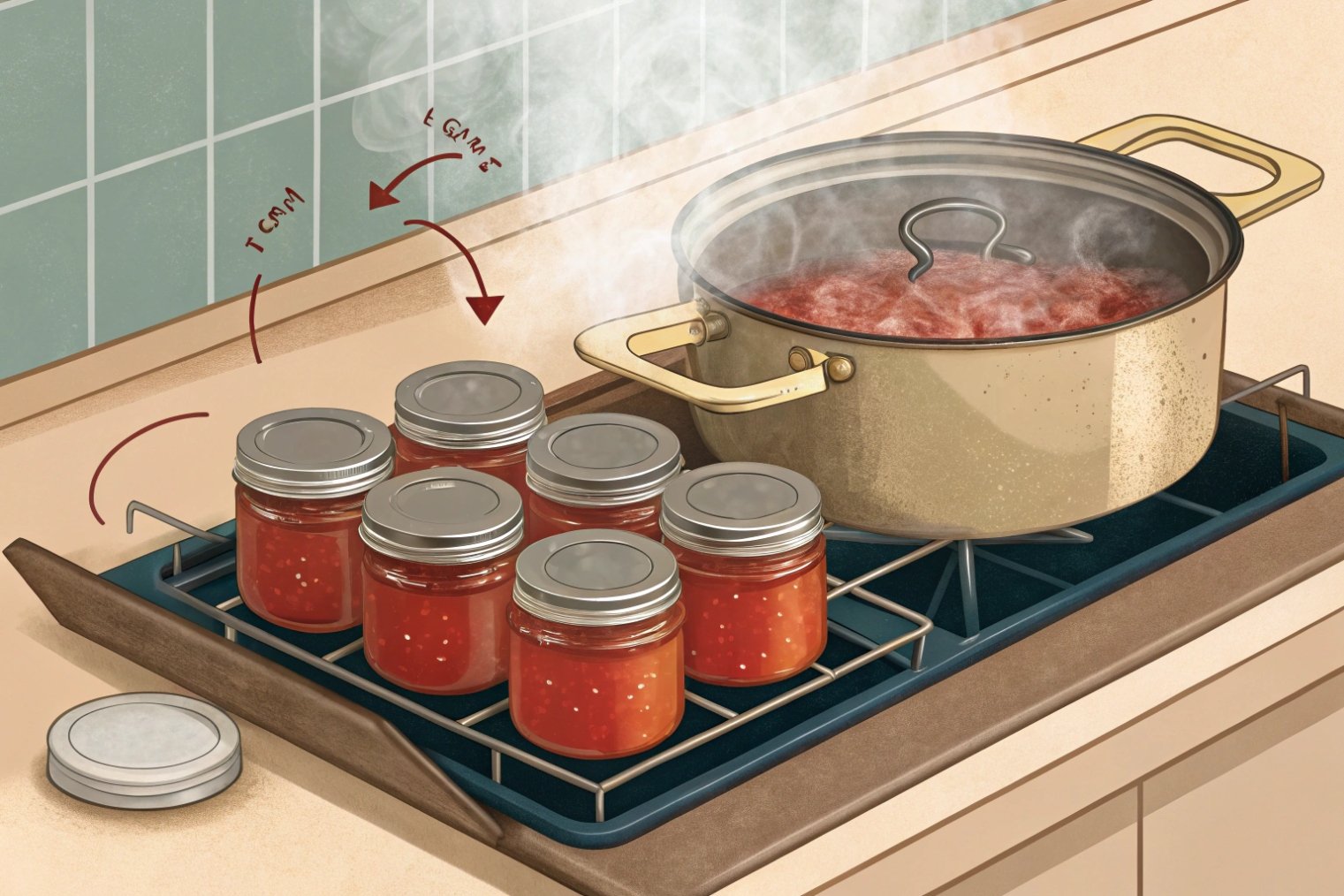
Choose closures by how you use the jar
For long-term, shelf-stable storage:
- Two-piece mason lids (flat disc + screw band) are the standard for water-bath and pressure canning. If you’re new to canning, the sealing logic is easiest to understand through a clear explanation of two-piece canning lids and how they form a vacuum seal 5. The flat disc has a sealing compound that softens under heat and then tightens as the jar cools and vacuum forms.
- Twist-off metal caps (the kind on commercial jams and sauces) also work for many hot-fill and pasteurized products, if they are rated for that process.
For daily, non-processed storage:
- One-piece plastic lids with silicone gaskets are great for leftovers, fridge storage, and dry goods. They open and close silently, and they handle daily use better than metal lids.
- Swing-top closures with rubber or silicone gaskets are perfect for water kefir, kombucha, and flavored waters—short-term, cool, and often fizzy, but not pressure-canned.
Pick liners that match your recipe
Inside many metal caps there is a coating or liner. For acidic, salty, or oily foods:
- Look for BPA-free epoxy or similar food-safe coatings.
- For strong oils or extracts, consider PTFE-faced or aluminum-foil liners that resist solvents.
- For simple dry goods, almost any standard food-grade liner is fine.
Airtight means more than “feels tight when you twist”. Good closures must:
- Stay flat and flexible after several heat cycles (for canning).
- Resist rust in humid conditions (pantries and fridges).
- Seal well enough that jars can be safely tipped during transport without leaks.
For gifting or selling, tamper-evident caps or bands also matter. They reassure the user that nobody opened the jar after filling.
Do hot-fill, pasteurization, retort, or vacuum processes change bottle choice?
Heat and pressure turn a normal jar into a stress test. If the bottle is not made for it, you can see cracks, broken bases, or failed seals.
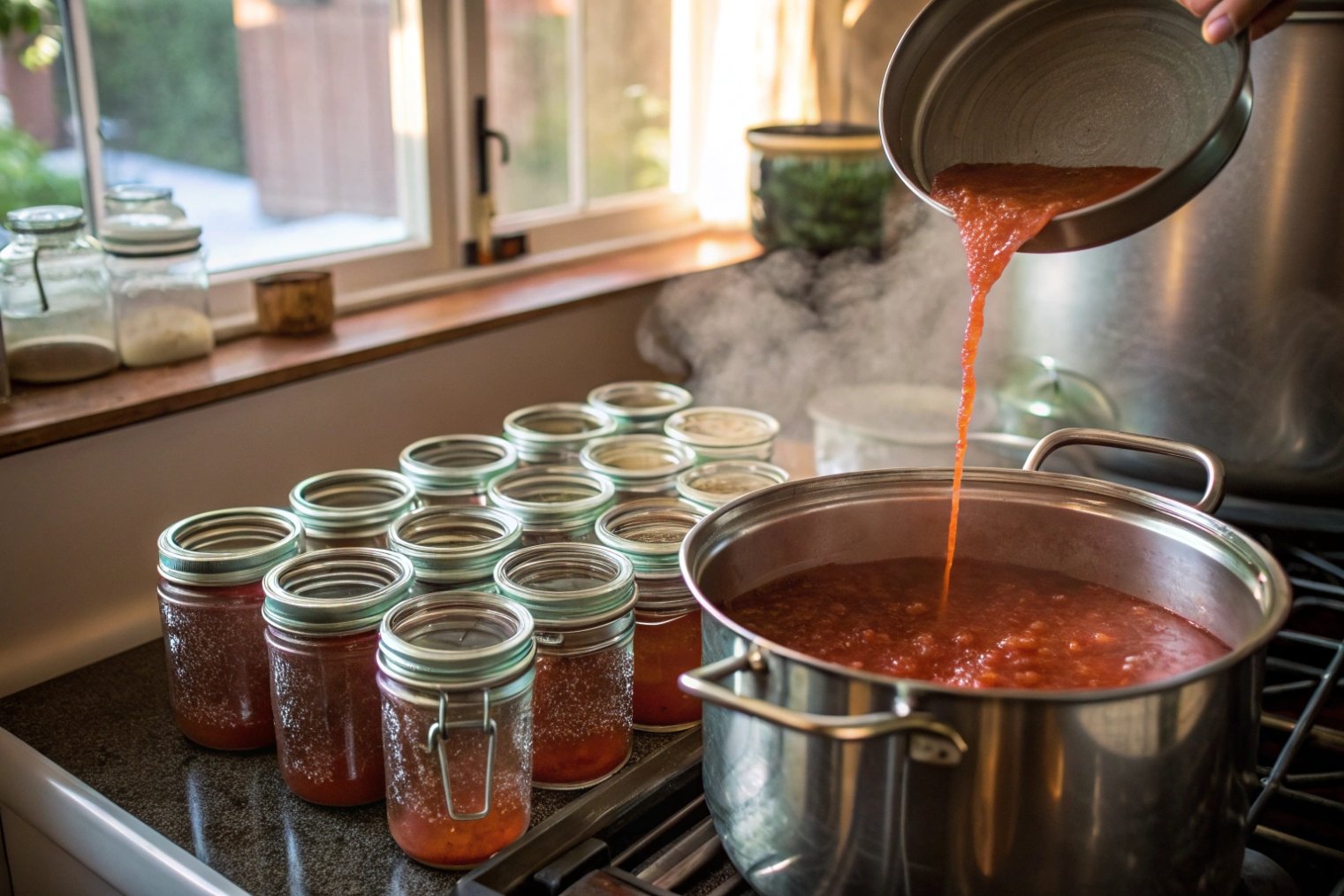
Hot-fill, pasteurization, and retort need jars specifically designed and tested for those processes, with thermal-shock resistance, vacuum panels or push-ups where needed, and closures that can flex without losing seal.
Hot-fill and pasteurization
For home canning and many small food brands:
- Straight-sided, wide-mouth mason jars in food-grade soda-lime glass are the safest default. They are designed for hot-fill and boiling-water or pressure-canner cycles.
- Food goes in hot. As the jar cools, internal pressure drops and creates a vacuum. The lid must handle that vacuum pull without buckling and breaking seal.
Commercial hot-fill jars often have:
- Vacuum panels on the sides to take up volume changes.
- Stippled bases for better thermal-shock resistance.
At home, if you use a jar that is not marketed for canning, treat it as fridge-only or short-term storage, even if it survives one hot cycle.
Retort and high-pressure processes
Retort (pressure cooking in sealed packages) pushes jars harder:
- Higher temperatures and elevated pressure.
- Longer dwell times.
Here, you want containers that the manufacturer clearly rates for retort processing. That usually means thicker glass, carefully controlled seams, and closures designed for this duty.
Swing-top bottles, decorative jars, or reused condiment jars are risky in retort conditions. They were not built for that stress.
Freezing, vacuum, and fermentation
For freezing, choose:
- Straight-sided jars with extra headspace.
- Thicker walls, no sharp shoulders, and no filling to the rim.
If you want a simple checklist that prevents cracked jars, follow freezing headspace guidance for glass jars 6 and treat shoulders as “no-fill zones.”
For vacuum sealing (using special jar attachments):
- Standard mason jars work well, because the mouth and lid system is designed to hold vacuum and release safely.
For fermentation:
- Wide-mouth jars make it easy to pack vegetables and use weights.
- Airlock-compatible lids help gas escape without letting air in.
- If you move ferments to swing-top bottles, choose bottles rated for pressure and never overfill or tighten caps on active ferments.
In short: any time heat, pressure, or vacuum is part of your process, move away from random glass and toward containers clearly designed and tested for that exact stress.
Are amber jars and colored glass better for light-sensitive foods and sauces?
Light can be as damaging as air. Some foods look fine but slowly lose flavor, color, or nutrients every time the sun hits the jar.
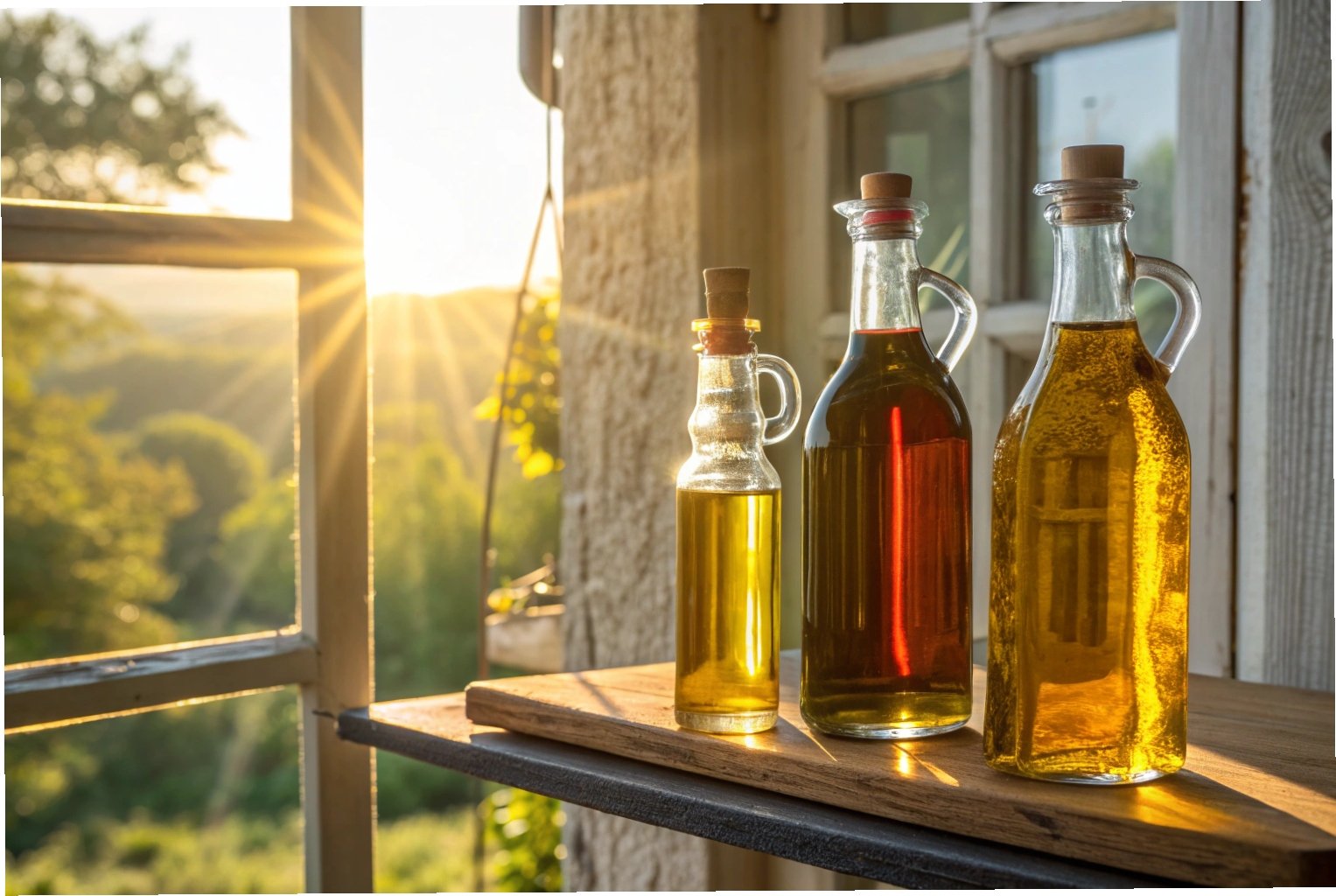
Amber jars are usually better for light-sensitive foods, oils, and drinks because they block much of the UV and blue light that drives oxidation; clear jars work best for stable foods or shaded storage.
When does light protection matter?
Some foods are quite robust. Others change quickly in light:
- Oils (olive, nut, chili, infused oils) can oxidize and turn rancid faster in clear jars on open shelves.
- Honey, syrups, and kombucha hold flavor and color better in darker or opaque containers.
- Herbs, spices, and teas lose aroma quickly with light exposure.
For these, amber glass is a simple, proven helper. If you want the “why” in one place, this overview of how amber glass blocks UV and blue light 7 is a useful reference.
Green and cobalt glass also reduce light a bit, but they protect less than deep amber. They are more about style than serious protection.
Balancing protection and presentation
You do not need amber for every food. Use a mix:
- Amber for oils, vinegars, syrups, tonics, sensitive ferments, and anything that lives near a window.
- Clear flint for pickles, jams, and dry goods where color and visibility sell the product or help you manage your pantry.
- Opaque or opal containers for very sensitive items or when you do not need to see the contents at all.
If you want to keep clear glass for visual reasons, you can still protect food by:
- Storing jars in cupboards or closed pantry units.
- Using outer boxes, sleeves, or labels that shield most of the surface.
That way you get the best of both worlds: a clean look when serving and solid protection while stored.
Conclusion
For food, the “best” glass bottles are the ones that quietly survive your recipe’s heat, light, and handling while sealing tight and staying easy to use day after day.
Footnotes
-
Canning safety basics and tested jar guidance from UGA’s preservation experts. ↩ ↩
-
Official USDA procedures for water-bath and pressure canning times, temperatures, and jar recommendations. ↩ ↩
-
Explains FDA’s Food Contact Substance review process for coatings, liners, and packaging materials. ↩ ↩
-
EU framework law for food-contact materials, covering safety, inertness, and compliance responsibilities. ↩ ↩
-
Details how two-piece canning lids seal under heat and why bands are not reused for processing. ↩ ↩
-
Practical freezing tips for glass jars, including safe headspace to prevent cracking. ↩ ↩
-
Shows how amber glass reduces UV/blue light exposure and why it’s used for light-sensitive foods. ↩ ↩






