
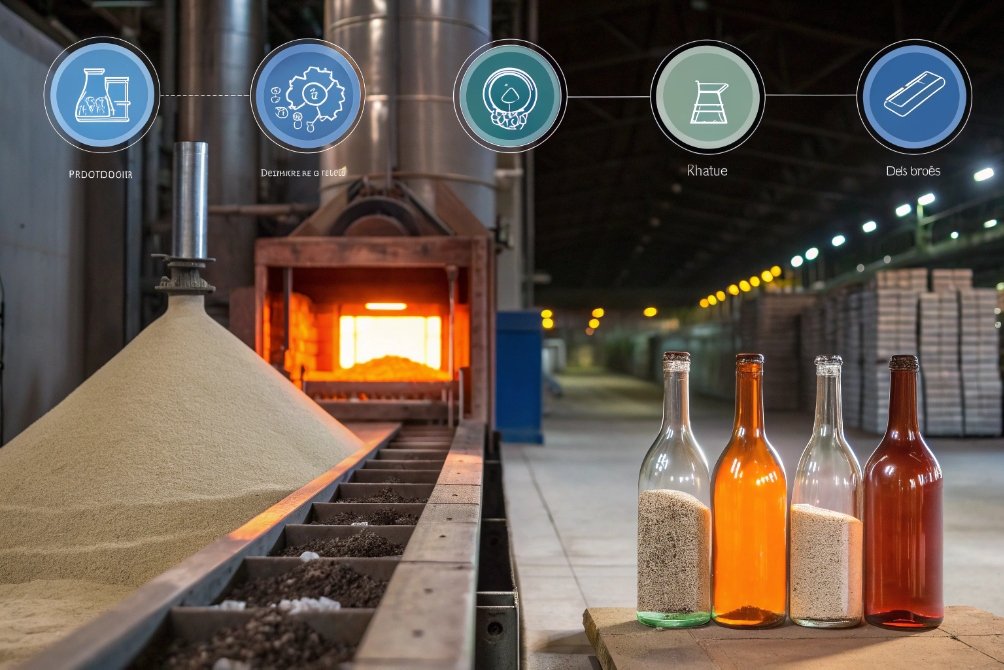
A wine can be perfect in the tank, yet feel cheap—or even unsafe—once it goes into a poor bottle. Glass quality quietly decides who wins or loses on the shelf.
Glass wine bottle quality comes from the whole process: clean raw materials, stable furnace and color control, precise molds and finishes, controlled lehr cooling to remove stress, plus decoration that adds value without destroying strength.
Once these links are clear, it becomes much easier to brief suppliers, read test reports, and decide when a low price is actually too expensive in hidden risk.
How do raw materials and furnace control drive clarity and color?
If the melt is wrong, no amount of inspection at the cold end can “fix” the bottle. Quality starts long before the glass touches the mold.
Raw material purity and furnace control decide clarity, bubble level, cords, and final color tone; tight control here avoids greenish casts in flint glass, off-shade greens, and hidden defects that weaken the bottle.
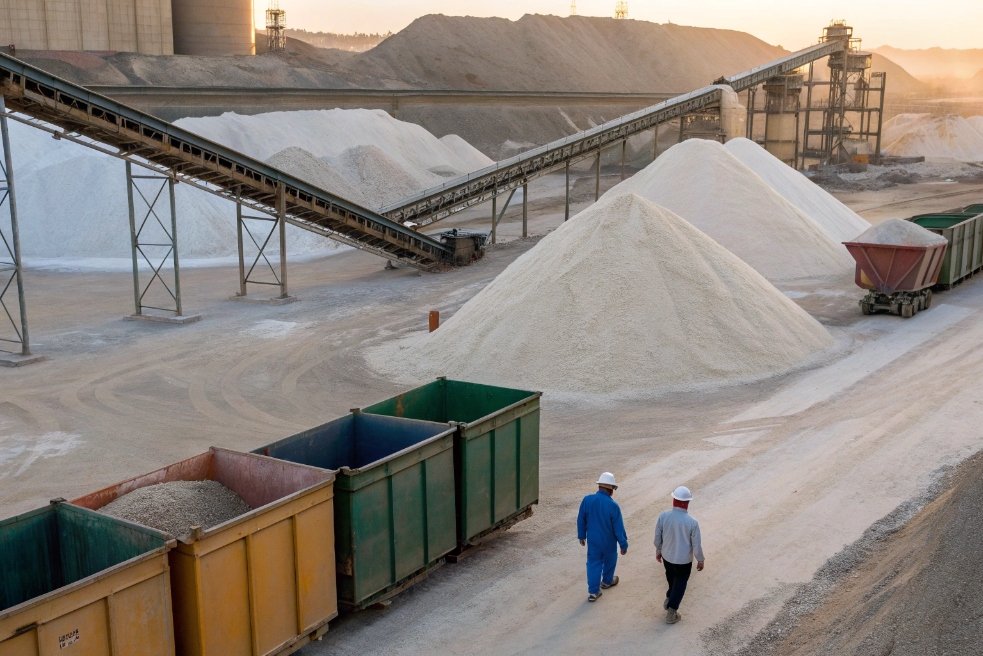
From sand pile to molten glass (what really matters)
Wine-bottle glass is typically built from:
- Silica sand
- Soda ash + limestone
- Cullet (recycled glass)
- Colorants + refining agents
The basic ingredients of container glass are widely standardized, but quality depends on how consistently they’re sourced and controlled in the melt. 1
The quality levers in this stage are simple but decisive:
-
Low-iron raw materials (for flint / premium clarity)
Higher iron drives a green/grey cast and makes “extra flint” appearance harder to achieve consistently. -
Clean cullet discipline
Cullet saves energy and carbon, but contamination introduces:- stones / inclusions (ceramics, metals, refractory)
- devitrified chunks
These are not “cosmetic”—they concentrate stress and can become crack starters. Practical background on cullet (recycled glass) helps explain why sorting and contamination control matter. 2
-
Refining / fining control
Good fining reduces seeds, blisters, and bubbles. Poor fining increases visible defects and strength scatter. A clear overview of the fining stage of glass melting is useful when you’re diagnosing bubble-related defects. 3
Furnace control: temperature, redox, and stability
The furnace doesn’t only melt glass—it sets homogeneity and shade.
| Furnace control knob | What it affects in bottles |
|---|---|
| Melt temperature profile | bubble removal, homogeneity, cords |
| Redox balance | green/amber tone, sulphide stability, haze risk |
| Residence time | seed rise-out, cord smoothing, defect reduction |
| Batch consistency | bottle-to-bottle color drift, variability |
If you want to go deeper than “shade drift,” it helps to understand how redox balance in glass melting is monitored and controlled. 4
What brands see on shelf: stable color tone, fewer cords/striae, fewer “random” visual defects, and a tighter quality spread across production lots.
What mold precision and finish accuracy prevent leakage?
You can have perfect glass chemistry and still fail in the market if the mold and finish are sloppy. Many closure complaints start here.
High-precision molds and tight neck-finish tolerances keep wall thickness uniform and create sealing surfaces that match corks or caps—reducing leakage, chipping, and oxygen-ingress variability at the glass–closure interface.
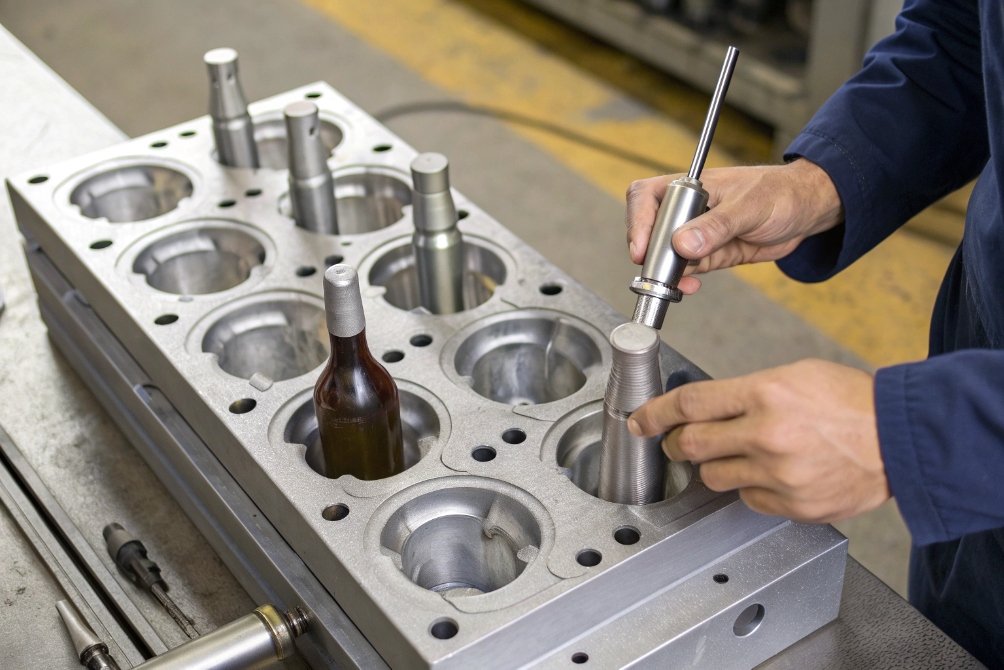
Mold precision: distribution is strength (and looks)
Good tooling and stable forming keep glass where it matters:
- shoulder transition
- sidewall uniformity
- heel/knuckle robustness
- finish integrity
Worn or misaligned molds often create:
- thick “lumps” in shoulder/heel (waste + stress hot-spots)
- thin spots (weak under impact/pressure)
- unstable bases (rockers that jam lines)
Finish accuracy: where sealing success starts
Key finish factors (for both cork and cap systems):
- bore diameter and roundness
- verticality (neck straightness)
- top land flatness (especially screw caps)
- thread profile (for ROPP/screw finishes)
- absence of chips/checks/wire edge
If you need a quick reference for common wine bottle neck finishes and what each finish geometry is meant to do, it helps align specs with the right closure family. 5
A quick map of common finish problems:
| Finish issue | What it causes in real wine packaging |
|---|---|
| out-of-round bore | uneven cork compression, micro-leaks, variable evolution |
| high/low bore diameter | over-tight insertion or loose fit, leakage risk |
| poor land flatness | liner doesn’t seat evenly, torque scatter |
| sharp edges / checks | chips, closure damage, early breakage during capping/corking |
| thread defects (caps) | cross-threading, torque instability, leakage |
Bottom line: finish control is one of the strongest “quality tells” of a serious supplier.
Do lehr cooling curves reduce residual stress defects?
Many breakages that look like “handling damage” actually begin inside the glass. Residual stress is invisible—until it fails.
Yes. Proper lehr cooling curves relieve internal stress from forming; well-annealed glass delivers higher impact strength, more consistent pressure performance, and far fewer random cracks during filling, transit, or storage.
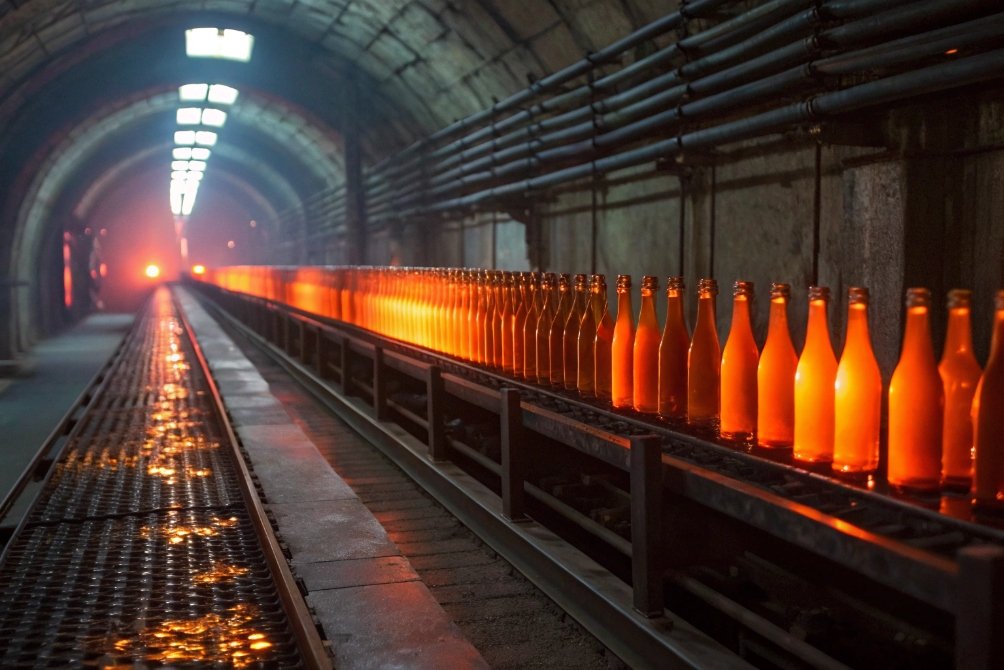
What annealing does (and what poor annealing looks like)
After forming, the bottle contains thermal gradients and “frozen” stress. Annealing:
- equalizes temperature (soak)
- cools through critical ranges slowly enough for stress to relax
- prevents steep gradients that lock stress back in
If your team needs a shared vocabulary, a short explainer on the annealing lehr helps connect cooling profiles to residual-stress outcomes. 6
Poor annealing often shows up as:
- higher “mystery breakage” on fillers
- heel/shoulder cracks with light knocks
- sensitivity to small temperature swings
- inconsistent performance bottle-to-bottle
A practical view:
| Annealing quality | Typical stress condition | What you see on line / in market |
|---|---|---|
| Good | low, uniform stress | stable filling, fewer claims, predictable behavior |
| Marginal | localized stress bands | occasional unexplained cracks |
| Poor | strong uneven stress | frequent line breaks, transit failures, higher risk with decoration |
If you only “upgrade one thing” in production control, lehr discipline is often the best ROI.
How do coatings and decoration steps impact durability and yield?
Decoration sells the bottle—but every extra step can also remove strength if it introduces scratches, heat stress, or coating loss.
Hot-end and cold-end coatings usually improve durability by preserving surface strength, while aggressive frosting, harsh handling, or poorly controlled high-temperature decoration can reduce impact resistance and raise breakage/yield loss.
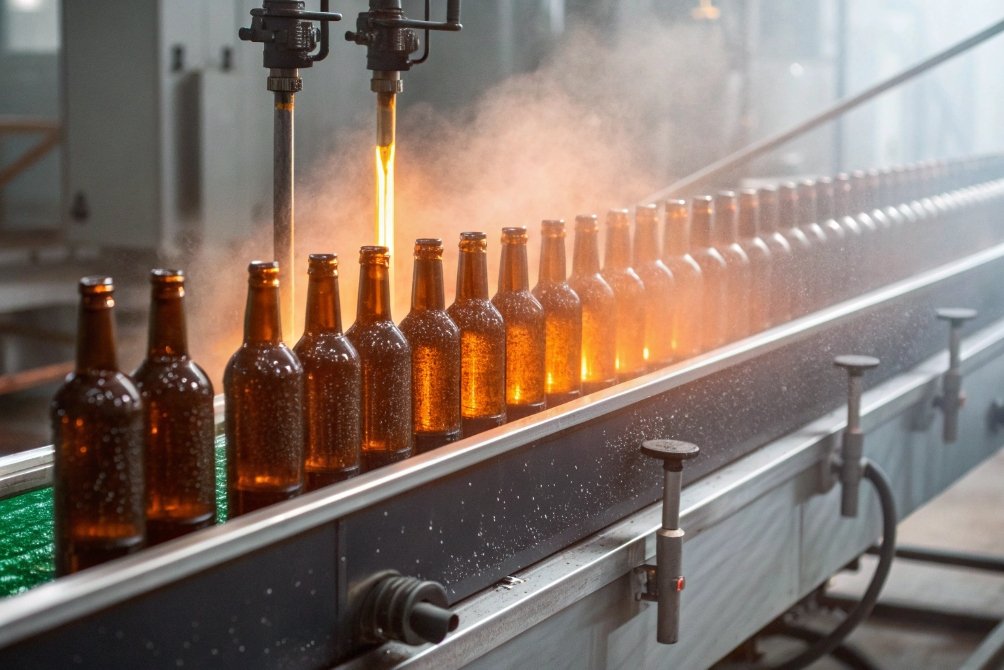
Coatings: “strength retention,” not magic strength
- Hot-end coating (oxide layer): helps protect the surface early and supports cold-end adhesion
- Cold-end coating (polymer/wax): reduces friction → fewer scuffs → higher retained strength
If you’re comparing suppliers, it’s helpful to understand what modern cold-end coating systems are designed to do (and how performance is evaluated). 7
These coatings are especially important for:
- high-speed lines
- long logistics routes
- lightweight bottles
- returnable handling environments
Decoration risk ladder
| Decoration type | Typical risk to durability | Why |
|---|---|---|
| Paper / PSL labels | Low | minimal heat; local surface interaction |
| Shrink sleeves | Low–medium | heat tunnel + handling; needs control |
| Screen-printed enamel + bake | Medium–high | reheating can add stress; handling scratches |
| Acid-etch / heavy frosting | Medium–high | rougher surface = more crack starters |
| Metallic sprays / plating | Variable | process-dependent; can hide damage until failure |
Best practice: test before vs after decoration (impact/pressure/handling), not only “looks good out of the box.”
Buyer checklist: what to ask a wine-bottle supplier
If you want fewer surprises, ask for proof on the four pillars:
1) Melt & color control
- shade tolerance range and color measurement method
- cullet policy (sorting, contamination controls)
2) Finish & dimensions
- finish gauge data (bore, land, thread where relevant)
- mold-to-mold variation controls and maintenance schedule
3) Annealing & stress control
- stress inspection method and limits
- lehr monitoring and corrective action routines
4) Surface protection & decoration compatibility
- hot-end + cold-end coating confirmation
- decoration process limits (heat, abrasion) and before/after performance data
Conclusion
Glass wine bottle quality is not a single feature—it’s a chain: raw batch and furnace stability, mold and finish precision, annealing discipline, and coatings/decoration that preserve surface strength. When every link is controlled, the bottle protects the wine instead of gambling with it.
Footnotes
-
Reference for standard container-glass ingredients and why consistent batching matters. ↩︎ ↩
-
Explains cullet benefits and why clean recycling streams reduce defects in new bottles. ↩︎ ↩
-
Overview of fining/refining steps that remove bubbles and reduce “seed” defects. ↩︎ ↩
-
Practical context on redox control and how it influences color stability and glass quality. ↩︎ ↩
-
Quick guide to wine bottle finish types so closures and specs match the intended sealing method. ↩︎ ↩
-
Explains what a lehr does and why controlled cooling reduces residual stress failures. ↩︎ ↩
-
Research-based view of cold-end coatings and how they affect scuff resistance and retained strength. ↩︎ ↩






