
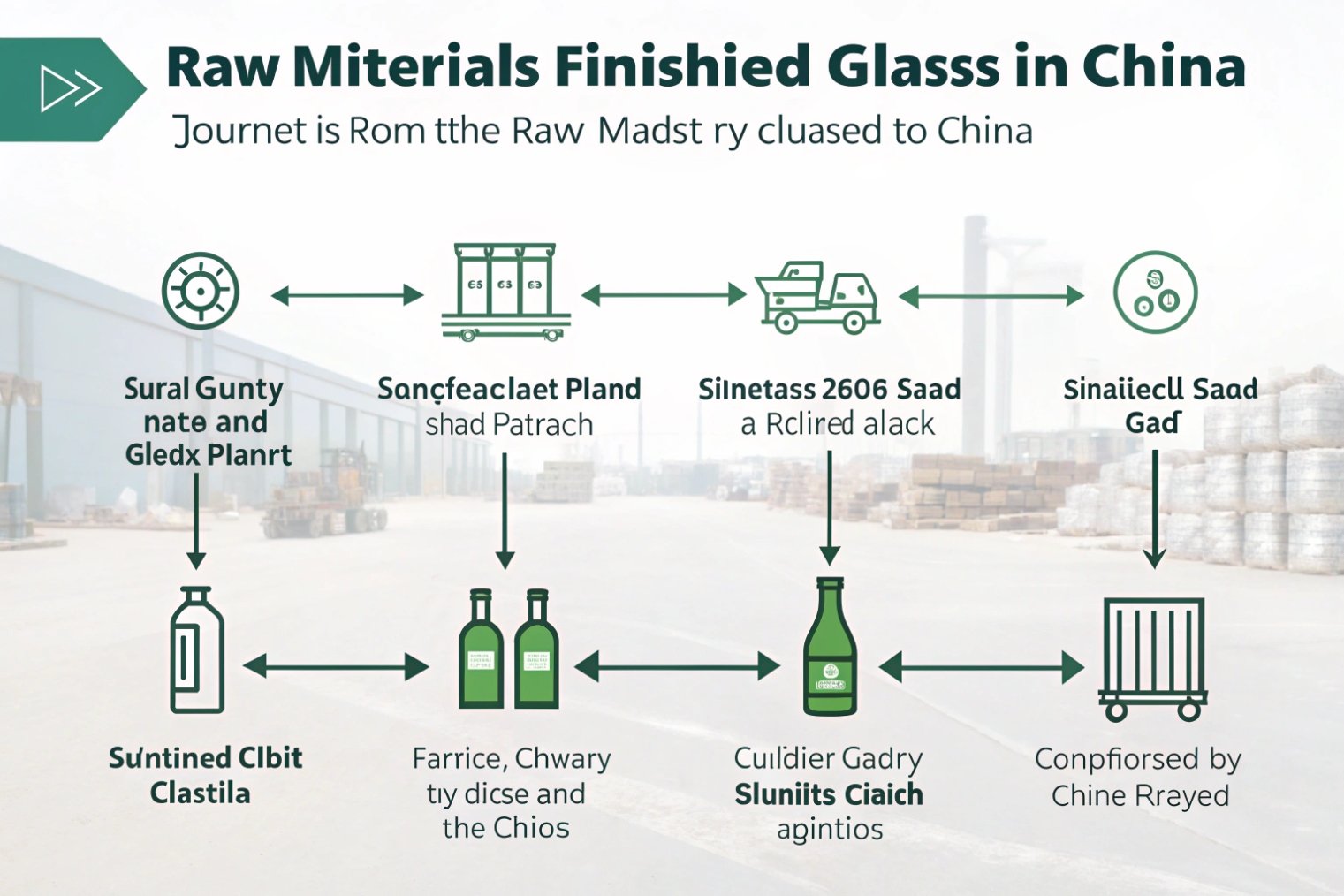
Many buyers think “glass is just sand,” but raw-material origin actually shapes price, clarity, and long-term supply risk.
In China, glass-bottle plants rely on soda-lime glass from a mix of domestic quartz sand, inland soda ash and limestone, plus recycled cullet, with key hubs in the east and northwest.
Once we break the recipe into silica sand, soda ash, limestone, and cullet, the map of China appears on the material list: coastal sand bases, inland salt lakes, and population centers for cullet. Understanding that map helps you read why one bottle price is stable and another jumps with freight and energy.
Which regions supply high-purity silica sand and soda ash?
When customers ask for extra-clear bottles at a competitive price, the real question is where the sand and soda ash come from.
China’s container glass uses high-purity silica sand from eastern hubs and imports, while soda ash is mostly domestic from inland salt-lake and synthetic producers in places like Qinghai, Inner Mongolia, Henan, and Shandong.
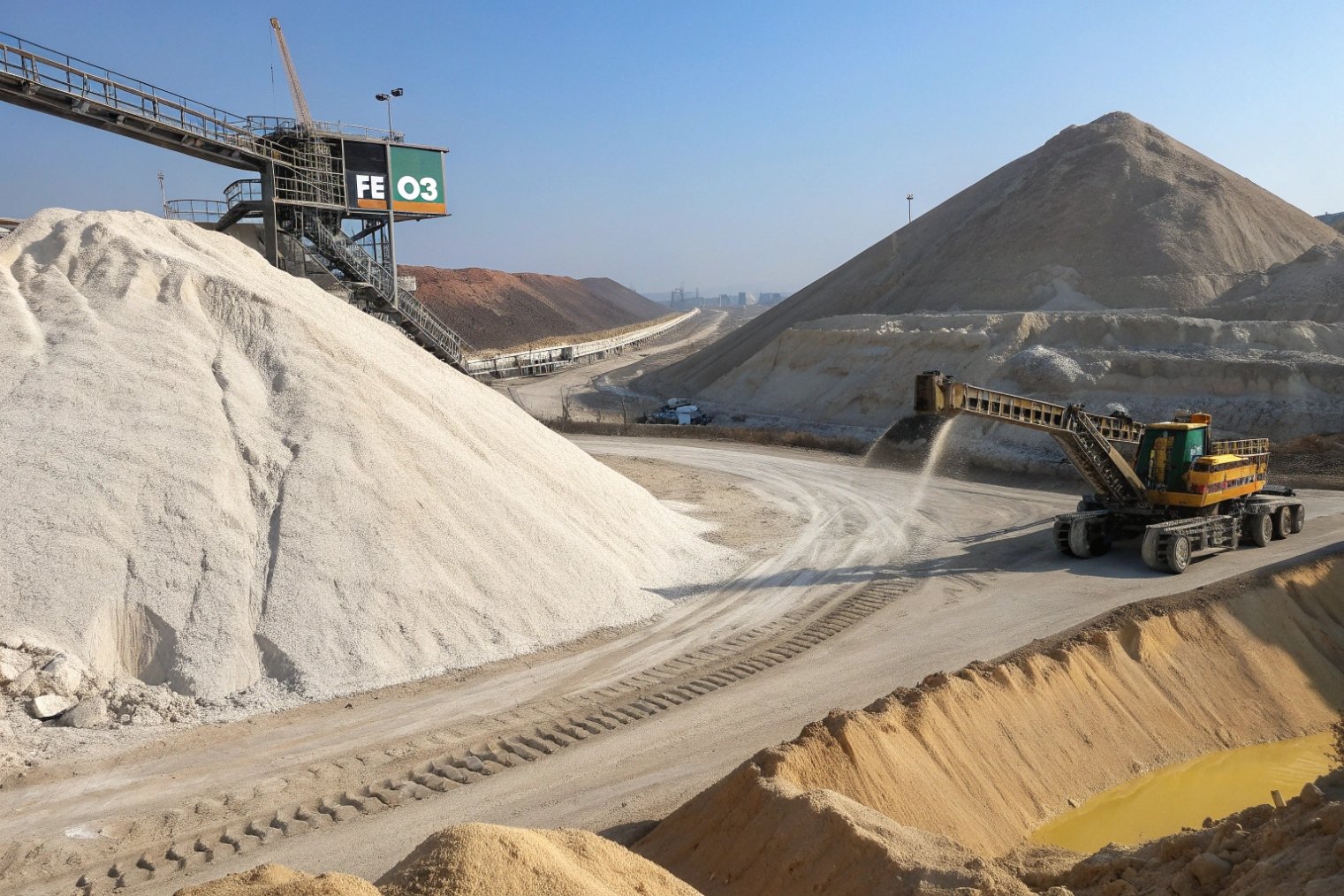
The core recipe: soda-lime container glass
Most Chinese glass bottles are made from classic soda-lime glass 1{#fnref1}. The basic recipe is silica sand, soda ash, limestone, and cullet 2{#fnref2}:
- Silica sand for SiO₂ (the backbone of the glass).
- Soda ash for Na₂O (to lower melting temperature).
- Limestone and dolomite for CaO/MgO (to stabilize and harden the glass).
- Cullet (recycled glass) to save energy and raw material.
That sounds simple, but the source and purity of sand and soda ash make a big difference in clarity, color, and furnace efficiency.
High-purity silica sand: domestic hubs and imports
For standard flint bottles, we can use good domestic silica. For high-flint / extra-white bottles, the sand must be low in iron and other coloring impurities.
Key domestic sources include:
- Jiangsu Lianyungang–Donghai corridor – a key high-purity quartz sand base for glass production 3{#fnref3}.
Famous quartz and crystal hub, with processing plants that turn local high-purity quartz into glass-grade sand. Often used for solar glass and high-end containers. - Anhui (for example Fengyang area)
Known for quartz stone with very high SiO₂ content, used for float glass and container glass. - Shandong and Hebei
Coastal and inland sand resources that support many flat and container glass lines. - Other provinces like Guangdong, Fujian, Inner Mongolia, Xinjiang, Gansu also supply various grades of silica sand.
For very low-iron requirements, China also imports sand, mainly:
- From Australia, Malaysia, Indonesia, Vietnam, where deposits have naturally low Fe₂O₃ levels and consistent grain size.
Imported low-iron sand is more expensive but allows bright, high-flint bottles with less green or yellow tint. For standard beer or sauce bottles, domestic sand with slightly higher iron is fine and more cost-effective.
Soda ash bases and what they mean for supply
China is one of the world’s largest soda ash producers. It has natural soda ash resources in Qinghai and Inner Mongolia 4{#fnref4} alongside large synthetic plants in eastern provinces.
Supply comes from:
- Natural soda ash linked to salt lakes in regions like:
- Qinghai (Qaidam Basin / Qarhan area).
- Xinjiang.
- Inner Mongolia.
- Synthetic soda ash plants in:
- Henan.
- Shandong.
- Jiangsu and other industrial provinces.
For bottle producers, the key points are:
- Domestic soda ash reduces import dependence.
- Plants near major soda ash bases (or with good rail connections) enjoy more stable pricing.
- Competition from fast-growing sectors like solar glass can tighten the soda ash market and influence costs for containers.
A simplified view:
| Material | Main Chinese supply regions | Typical use in bottles |
|---|---|---|
| Silica sand | Jiangsu (Lianyungang–Donghai), Anhui, Shandong | Standard and high-flint flint bottles |
| Silica (imports) | Australia, Malaysia, Indonesia, Vietnam | Extra-low-iron flint and solar glass |
| Soda ash | Qinghai, Inner Mongolia, Xinjiang, Henan, Shandong | All soda-lime bottle glass |
| Limestone | Shandong, Hebei, Anhui and many other provinces | CaO/MgO stabilizer for container glass |
When we quote bottles, we always have this map in the back of our mind, because distance from these sources shows up later in price and lead time.
How do sources influence color consistency and clarity?
Two bottles can have the same shape and weight but very different “look” on the shelf. The main reason sits inside the sand.
Raw-material source, especially silica sand and cullet quality, directly affects iron content, color tone, and sparkle of flint glass, while controlled recipes and cullet sorting keep color consistent across large production runs.
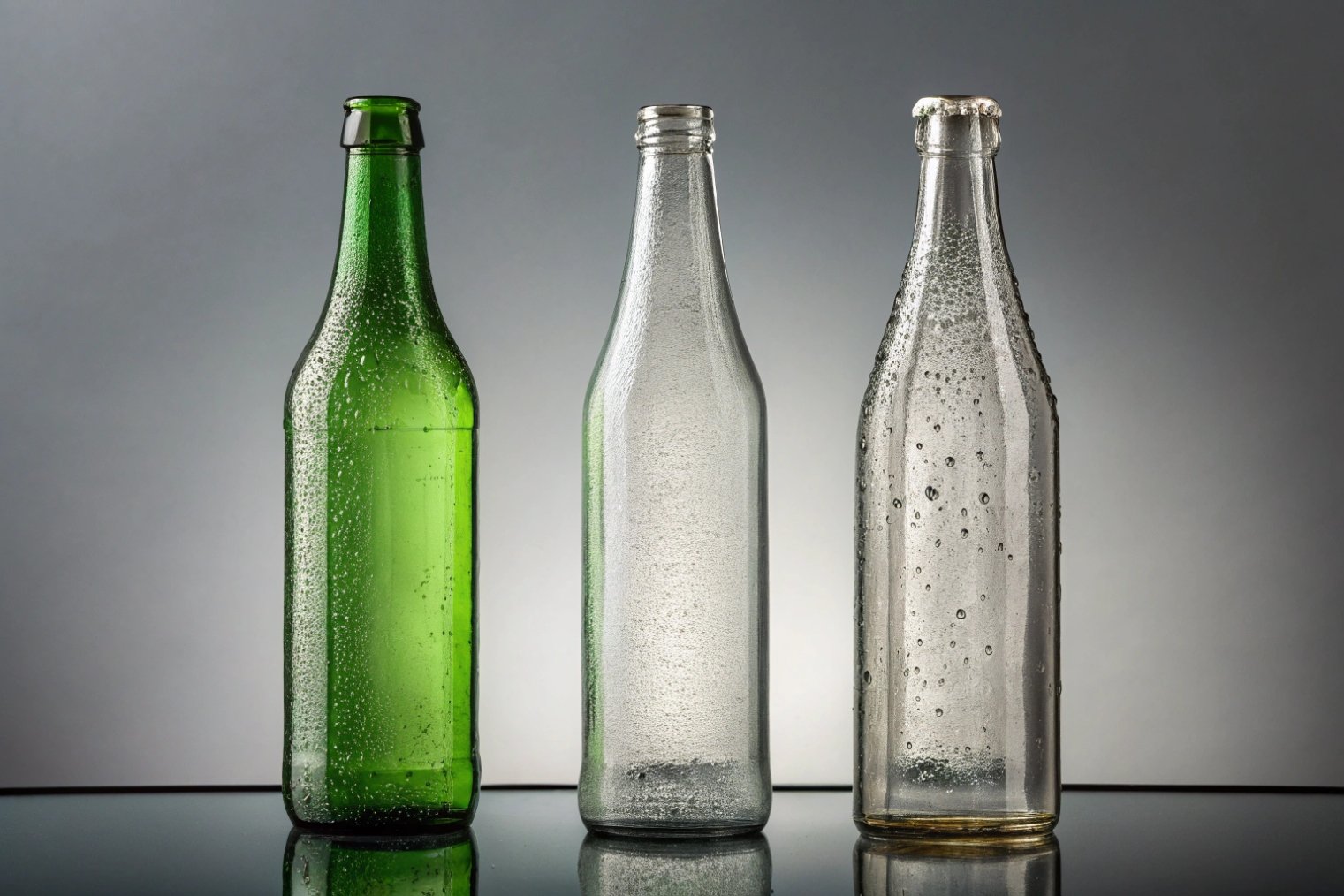
Sand purity and flint color
The small amount of iron in sand is the main driver of base color in flint glass:
- Higher Fe₂O₃ → stronger green/blue-green tint at thick sections.
- Very low Fe₂O₃ → clearer, more neutral “water white” glass.
Sand from different regions has different natural iron levels and impurity profiles. High-flint projects normally use:
- Low-iron sand from selected domestic deposits or imports for extra-clear high-flint glass 5{#fnref5}.
- Tighter control on mixing and batch preparation.
- Sometimes lower cullet share to avoid extra color input.
Standard flint for everyday jars and beverage bottles can use slightly higher iron, especially when cost is critical and customers accept a light greenish tone at thick bases.
Cullet color and control
Cullet is a double-edged sword:
- It helps save energy and raw materials.
- But it brings its own color and impurities into the furnace.
If we feed flint cullet with mixed amber or green shards into a flint line, the base color will drift. So for high-clarity bottles we insist on:
- Single-color cullet streams, especially for extra-flint.
- Strict rejection of borosilicate, ceramics, and metals.
- Sometimes lower cullet percentages when the local cullet supply is not clean enough.
For amber and green bottles, cullet color control is easier. Amber can “hide” some mixed colors, which helps us run higher recycled content without visible color issues.
Soda ash and other impurities
Soda ash and limestone mainly influence:
- Melt behavior and furnace chemistry.
- Seed and bubble count.
- Long-term durability of the glass.
If these materials carry too many impurities, they can cause:
- Fine bubbles or “seeds” in the glass body.
- Slight haze or loss of sparkle.
- Stability issues in aggressive products.
For premium bottles, we pair low-iron sand with high-grade soda ash and limestone plus clean cullet. That combination gives:
- A neutral flint color.
- High clarity and brilliance.
- Stable color run after run.
A simple overview:
| Raw factor | Typical impact on bottles |
|---|---|
| Sand Fe₂O₃ level | Base color (greenish vs extra-white) |
| Cullet color mix | Overall color consistency, risk of tint drift |
| Cullet cleanliness | Bubbles, stones, cords, optical defects |
| Soda ash / limestone purity | Seeds, haze, durability |
When buyers ask “Why is this extra-flint bottle more expensive?” the quiet answer is almost always: better sand, tighter cullet control, and more careful raw-material selection.
Do mining-to-furnace logistics affect bottle pricing?
Many people focus on composition and forget one simple fact: sand and soda ash are heavy, and China is big.
Yes. Logistics from mines and ports to the furnace—by truck, rail, or ship—add significant cost to raw materials, so plants closer to sand, soda ash, and ports usually enjoy more stable and competitive bottle pricing.
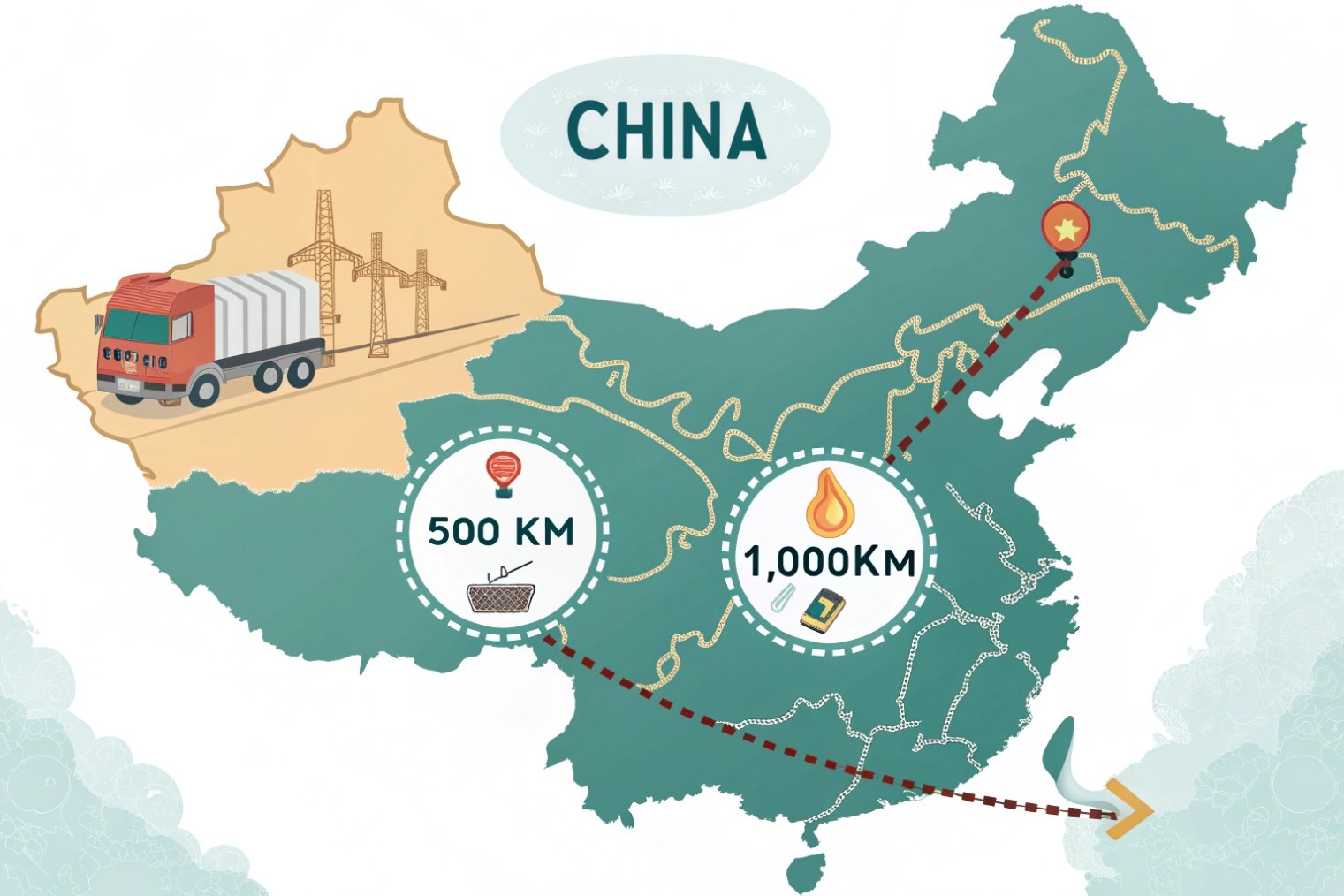
How distance shows up in raw-material cost
Glass plants pay for raw materials in two parts:
- Material cost at the mine, quarry, or producer.
- Freight cost from there to the plant.
Because sand, soda ash, and limestone are bulky, freight can be a big part of their delivered price. The same high-purity sand can cost very different amounts delivered to:
- A plant near a coastal sand base or port.
- An inland plant 1,000+ km away by truck or rail.
For imported low-iron sand, we also add:
- Sea freight to a Chinese port.
- Unloading and handling.
- Inland transport from port to furnace.
For high-flint bottles, if the plant is far from both domestic low-iron sand and ports, logistics can become a major hidden price driver.
Plant location strategies and price stability
In China, container-glass plants cluster around eastern coastal provinces and inland industrial belts 6{#fnref6}:
- Coastal provinces with sand supply and port access (for example Jiangsu, Shandong, Guangdong).
- Inland industrial belts with soda ash and limestone (for example Henan, areas linked by rail to Qinghai and Inner Mongolia).
- Large beverage and food clusters, to cut finished-goods transport.
From a buyer’s view:
- Plants near raw-material bases can offer more stable long-term pricing, because they are less exposed to freight spikes.
- Plants far from both raw sources and customers may show stronger price swings when fuel or freight markets change.
We see this clearly when diesel prices jump or rail capacity tightens. Delivered sand and soda ash move first, and bottle offers follow.
Mining-to-furnace logistics in simple terms
A simplified comparison:
| Plant situation | Raw-material logistics impact | Typical price effect |
|---|---|---|
| Near sand and port | Lower sand freight, easier import access | More competitive on high-flint |
| Near inland soda ash and limestone | Lower soda-ash freight, stable furnace costs | Strong on mass-volume standard bottles |
| Far from both sand and soda ash | Higher inbound freight for all key materials | Higher base price, more volatility |
So yes, mining-to-furnace logistics show up directly in your bottle price. When choosing a supplier, it is smart to ask not only “what is your quote?” but also “where is your plant relative to your main raw-material sources and my filling site?”
Are there regional advantages for recycled cullet sourcing?
Recycled glass cullet is both a sustainability tool and a cost lever, but it depends heavily on where people live and how they return bottles.
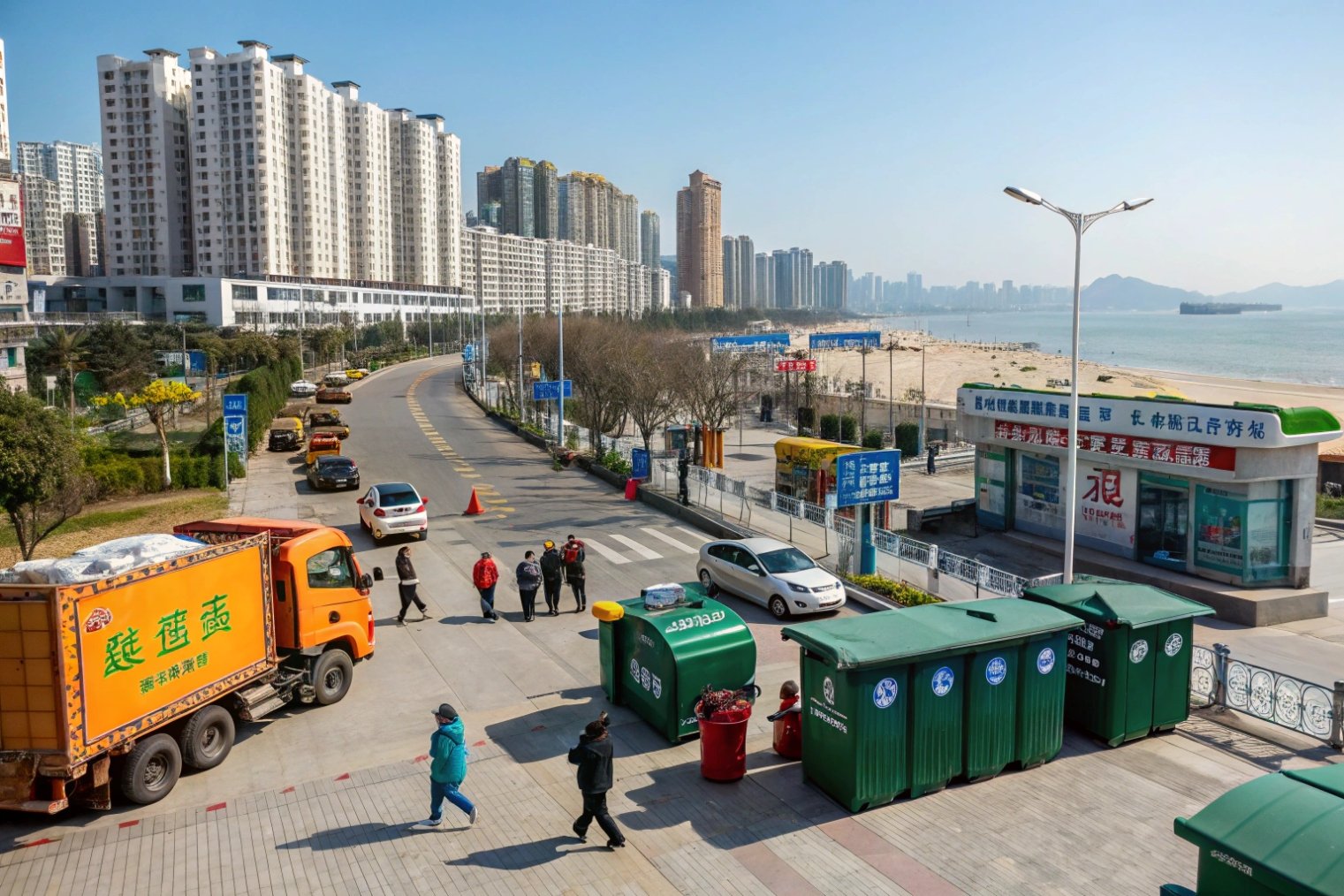
Regions with dense population, strong beverage markets, and better collection systems give plants easier access to color-sorted cullet, lowering furnace costs and improving eco profiles, while remote areas rely more on virgin sand and soda ash.
National picture vs local reality
Across China, glass bottle recycling in China’s cities 7{#fnref7} is still developing. National cullet usage rates are lower than in some European countries, so many furnaces still rely heavily on virgin sand and soda ash.
But the average hides strong regional differences. Plants near:
- Large coastal cities (for example Shanghai, Guangzhou, Shenzhen, Tianjin).
- Big beverage and food clusters in eastern and southern provinces.
- Established collection and sorting companies.
have much better access to steady streams of cullet, especially:
- Clear cullet from water, soft drink, and condiment bottles.
- Amber and green cullet from beer and some spirits.
These plants can run higher cullet percentages and benefit from:
- Lower energy use in the furnace.
- Reduced virgin raw-material consumption.
- Stronger sustainability claims for their customers.
Color-separated vs mixed cullet
Cullet quality is not only about volume, but also about sorting:
- Color-separated cullet (flint, amber, green) is ideal. It lets flint furnaces stay clear and amber furnaces hit their target tone.
- Mixed-color cullet is cheaper but less flexible. It fits better in green or dark amber furnaces than in flint.
Regions with better collection systems, multistream bins, or strong recovery companies tend to produce more single-color cullet, which is especially valuable for high-flint packaging.
Plants near these streams have a clear advantage in both eco-performance and, often, cost.
Regional cullet advantages in practice
A quick way to think about it:
| Region type | Cullet advantage | Typical impact on bottles |
|---|---|---|
| Coastal, high population, strong beverage market | High cullet availability, better sorting | Lower furnace cost, higher recycled content |
| Inland industrial belt near big cities | Moderate cullet supply, mix of colors | Good for amber/green, some flint use |
| Remote / sparsely populated areas | Limited cullet, more transport needed | More virgin glass, higher energy per ton |
For buyers, this matters when you want:
- High recycled content targets in spec sheets.
- Strong sustainability messaging in marketing.
- Long-term cost stability linked to cullet usage.
Choosing a supplier close to strong cullet streams makes those goals easier and more realistic.
Conclusion
China’s bottle pricing and performance start at the mine and cullet yard; understanding where sand, soda ash, and recycled glass come from helps you pick the right region, the right plant, and the right long-term partner.
-
Background on soda-lime glass composition and common uses in containers and windows. ↩ ↩
-
Overview of industrial glass batches using sand, soda ash, limestone, and cullet. ↩ ↩
-
Example of Donghai-based high-purity silica sand used for glass manufacturing. ↩ ↩
-
Summary of Chinese soda ash producers and natural resources in Qinghai and Inner Mongolia. ↩ ↩
-
Supplier example showing low-iron silica sand for high-transparency glass applications. ↩ ↩
-
Market report describing China’s container glass industry and main regional production hubs. ↩ ↩
-
Article discussing current challenges and legislation for glass bottle recycling in China. ↩ ↩






