
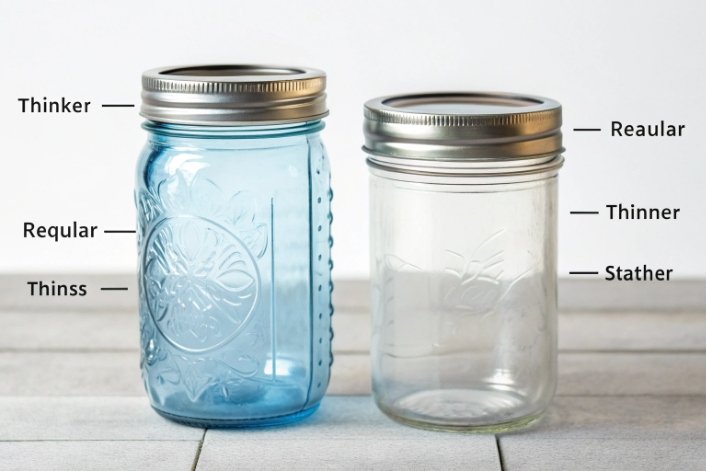
Confused about which jar to choose for canning or storage? One cracks under heat, the other seals your food for months.
Mason jars are made with thicker, heat-resistant glass and use a two-piece sealing system for safe food preservation, while regular jars are not designed for vacuum sealing or repeated heating.
Whether you’re starting a home canning hobby 1 or building a new food brand, the jar you pick matters. Let’s look at why Mason jars still lead in quality, safety, and usability.
Are Mason jars made from thicker, more heat-resistant glass?
Not all glass jars are built to survive boiling water or pressure canners.
Yes, Mason jars are crafted from thicker soda-lime glass and are engineered to endure the high temperatures and pressure required for home canning.
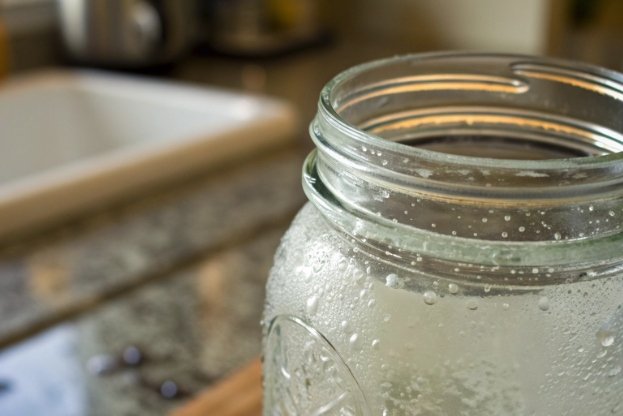
Built for Heat and Reuse
Mason jars are designed to handle both water-bath and pressure canning 2. Their walls are thicker and the bases are reinforced to resist cracking. After molding, they go through an annealing process that reduces stress and improves durability 3.
Regular jars often skip this step. Many are made for commercial packaging and one-time use. They may crack under sudden temperature changes or during high-pressure conditions.
| Feature | Mason Jar | Regular Jar |
|---|---|---|
| Glass Type | Soda-lime, annealed | Varies, often thinner |
| Heat Tolerance | High (boiling + pressure) | Low to moderate |
| Designed For | Repeated use | One-time or short-term |
For canning safety 4, always avoid jars not labeled for high-heat use.
Do Mason jars use standard mouth sizes that fit common lids?
If your lids don’t fit, your seal won’t hold—and your food might spoil.
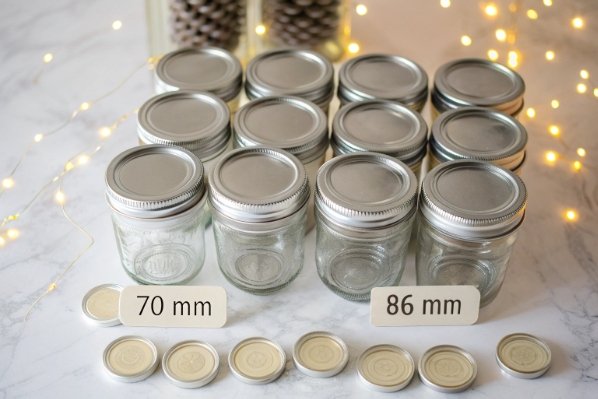
Mason jars use standardized regular (~70 mm) and wide (~86 mm) mouth sizes, which makes them compatible with most canning lids, bands, and accessories.
Consistency You Can Count On
These standardized regular and wide-mouth Mason jar sizes 5 make it easy to buy replacement lids or switch between brands. Accessories like pour spouts, fermentation airlocks, and sprouting lids also rely on these consistent measurements.
Regular jars don’t follow a standard. Their mouths can vary widely, even within the same brand or product line. This inconsistency makes them hard to reuse reliably with off-the-shelf closures.
| Mouth Type | Mason Jars | Regular Jars |
|---|---|---|
| Regular (~70 mm) | Yes | Varies |
| Wide (~86 mm) | Yes | Rarely standardized |
| Lid Compatibility | Universal (for canning) | Often brand-specific |
Standardized sizes are especially useful for businesses with multiple SKUs or seasonal product lines.
Which lid systems work best for canning vs. dry storage?
A good lid isn’t just about keeping food inside—it’s about keeping bacteria out.
For canning, Mason jars use a two-piece lid system designed for vacuum sealing, while one-piece lids used on regular jars are better for dry storage or short-term use.
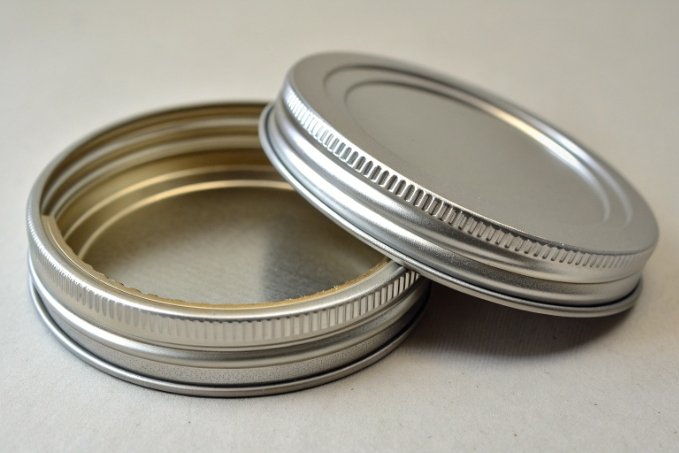
Lid Types and Their Uses
- Two-piece lids (flat disc + screw band) are essential for safe canning. During processing, the lid’s sealing compound softens and creates a vacuum as the jar cools 6.
- One-piece lids twist on easily and are fine for pantry storage, crafts, or gifts—but they don’t provide reliable vacuum seals.
Once sealed, Mason jar lids are airtight. Flat lids should be replaced after each canning cycle, while screw bands and jars are reusable.
| Lid Type | Best For | Reusable? |
|---|---|---|
| Two-piece | Canning, vacuum sealing | Bands: Yes, Lids: No |
| One-piece | Dry goods, display | Often No |
If you’re preserving food long-term, avoid anything that doesn’t seal under heat and vacuum.
When should a brand choose Mason jars over commodity jars?
The jar you choose reflects your product’s quality—and can impact safety.
Brands should choose Mason jars for products requiring heat sealing, long shelf life, or a premium, reusable packaging experience.
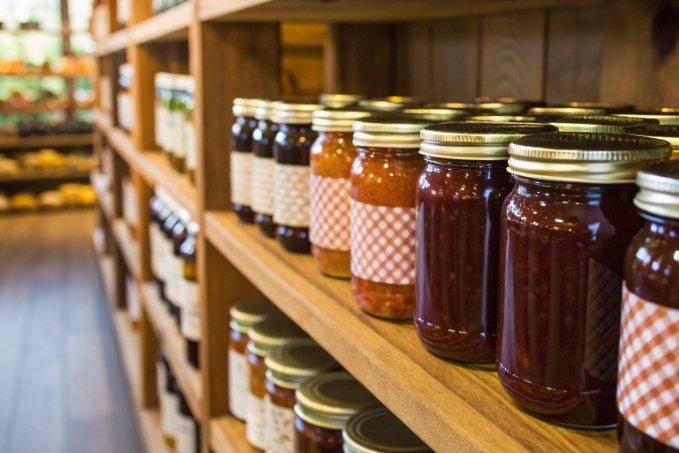
When Mason Jars Make Sense
- For canning or pasteurization: Only Mason jars can handle the thermal cycles needed to make food shelf-stable 7.
- For brand storytelling: Mason jars symbolize quality, homemade values, and sustainability.
- For customer convenience: The universal threading allows consumers to reuse or accessorize jars.
Commodity jars are cheaper, but they can limit your branding potential and raise safety concerns if used beyond their design.
| Use Case | Choose Mason Jar? |
|---|---|
| Hot-fill or pressure canning | ✅ |
| Reusable packaging | ✅ |
| Cost-sensitive giveaways | ❌ |
| Short-term display use | ❌ |
In premium or health-conscious markets, Mason jars signal care and quality to customers.
Conclusion
Mason jars aren’t just containers—they’re trusted tools for food safety, branding, and creative reuse across many industries.
Footnotes
-
Step-by-step guidance on safe home canning methods, equipment, and processing times for beginners. ↩︎ ↩
-
Overview of safe water-bath and pressure canning techniques, including jar preparation and processing recommendations. ↩︎ ↩
-
Explains how controlled glass annealing improves container durability and resistance to cracking from temperature changes. ↩︎ ↩
-
Guidance on choosing recommended Mason jars and lids versus commercial jars not designed for home canning. ↩︎ ↩
-
Confirms standard regular and wide-mouth Mason jar lid sizes of approximately 70 mm and 86 mm. ↩︎ ↩
-
Details how canning lid sealing compounds soften during processing to form airtight vacuum seals on jars. ↩︎ ↩
-
Summarizes USDA’s complete guide to safe home canning, processing temperatures, and tested recipes for many foods. ↩︎ ↩






