
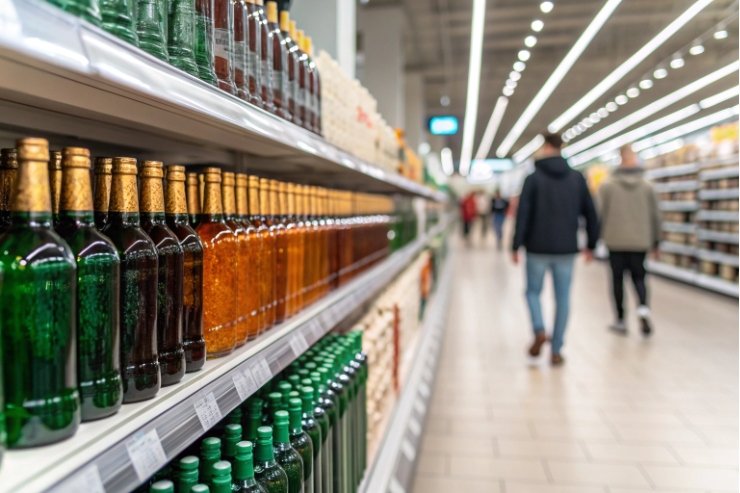
Many brands feel every bottle on the shelf looks the same, so their product blends in and price becomes the only thing shoppers compare.
Custom glass bottles stand out in a way stock containers cannot. They add instant shelf impact, raise perceived quality, protect delicate formulas, support reuse and recycling, and even make filling lines faster and more stable.
Most teams first think of custom bottles as “nice to have design work”. In practice, a well-engineered custom bottle becomes a hard-working business asset. It shapes how shoppers feel, how the product runs on the line, and how the brand performs over many years.
How does a proprietary shape and embossing boost brand recognition and shelf impact?
Shoppers scan shelves in seconds, not minutes, so if your silhouette looks like everyone else’s, people skip right past your story and your value.
A proprietary bottle shape with smart embossing turns the container into a 3D logo. It boosts instant recognition, creates a premium feel, and makes the brand easy to remember even when the label is not visible.
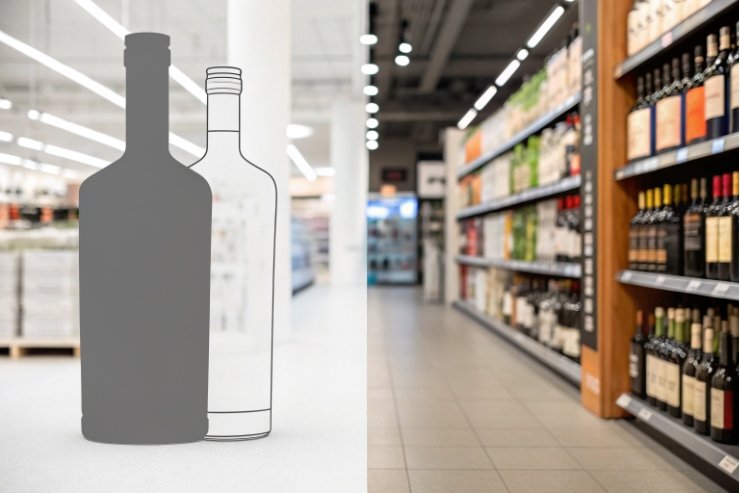
Shape as your silent logo
On a crowded shelf, the outline of the bottle is the first thing the eye reads. A proprietary silhouette becomes a kind of logo people can spot from a distance, even if they cannot read one word.
Research on how package shape affects what shoppers choose and how much they buy 1 helps explain why a repeatable silhouette becomes a long-term brand asset.
For example, a thick-base spirits bottle with sharp shoulders and a short neck can signal power and depth. A slim, tall olive oil bottle with soft curves can signal lightness and finesse. When this shape repeats across campaigns and seasons, people link that outline with your brand in their memory, just like they link a logo.
Simple comparison:
| Element | Stock bottle | Custom bottle |
|---|---|---|
| Silhouette | Generic, shared by many brands | Unique outline, becomes a brand asset |
| Recognition | Needs label to be seen | Recognizable from across the aisle |
| Emotional cue | Neutral | Can signal luxury, craft, natural, modern, or classic |
| Reuse value | Often thrown away | More likely kept, reused, and shown on social media |
Embossing as a memory trigger
Embossing on glass packaging 2 adds one more layer of recognition. It works even when the bottle is wet, chilled, or half empty and the front label is not in view.
Embossing also adds a clear touch point. Fingers feel the glass logo, the year, or the pattern, and that small detail tells the brain “this brand invests in quality”. This is very hard to copy with a generic bottle and a paper label.
Embossing can also carry technical functions:
- Anti-refill patterns for spirits
- Raised dots for better grip in kitchen use
- Embossed volume marks for bar service or dosing
When shape and embossing work together, the bottle becomes a physical story. It says who the brand is, who it is for, and why it costs more than the product in a thin, generic container.
Direct-on-glass branding and icon status
With custom molds, we can build brand details right into the glass: crests, monograms, wordmarks, or even short taglines. Paired with screen printing, hot stamping, or selective frosting, the package looks “finished” even without a front label.
Over time, these details turn the bottle into an icon. People start to recognize the glass on a bar back, in friends’ kitchens, in photos, and in recycling bins. That repeated exposure drives brand recall long after a single ad has disappeared.
Can custom neck finishes improve compatibility with corks, droppers, or pumps and cut leak rates?
Many leaks, returns, and “mystery” breakages start at the neck, where glass and closure fight each other because they were never designed as a pair.
Custom neck finishes tune the glass to your corks, droppers, or pumps. They reduce leak rates, improve torque control, cut breakage, and give better user experience during pouring or dosing.
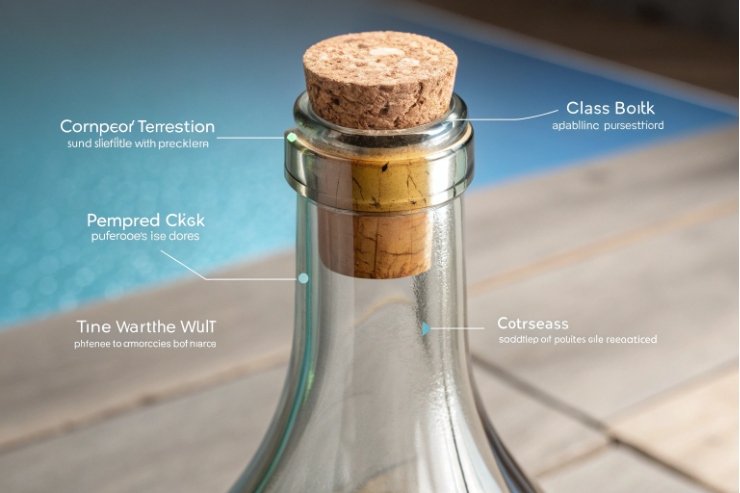
Why the neck is the high-risk zone
The neck is where all forces meet: capping torque, internal pressure, transport vibration, and user handling. A small mismatch in diameter, thread profile, or sealing surface can cause:
- Micro-leaks that show up as sticky cartons
- Over-tight closures that crack glass during capping
- Under-tight closures that pop off in transit
- Poor flow or drips when the consumer pours or pumps
With stock bottles, you often bend your closure choice around a “good enough” neck. With custom glass, we do the opposite. We start from the exact closure and build the neck to match.
Designing necks around specific closures
For screw caps and many pumps, teams often rely on GPI cap and thread finish standards 3 to keep dimensions consistent across suppliers and lines.
When you’re selecting a closure, it also helps to follow a clear method for matching a bottle with a compatible closure thread and seal 4 before committing to tooling.
Each closure type has its own needs:
| Closure type | Neck design focus | Risk if not matched well |
|---|---|---|
| Cork / T-top | Taper, surface finish, insertion depth | Loose fit, broken corks, seepage |
| Screw cap | Thread profile, peak-to-valleys, sealing land | Leaks, spin-outs, unstable torque |
| Dropper | Internal diameter, shoulder angle, reach | Air bubbles, inconsistent dosing |
| Pump / sprayer | Ferrule grip, thread, vertical load resistance | Leaks, crooked heads, actuator popping off |
Custom necks let us fine-tune these details. We can adjust thread starts for machine orientation, add tamper-evident features, and keep enough glass thickness under the thread to avoid stress cracks.
In one skincare line we supported, a slight change in neck taper and sealing ring design cut leak complaints by more than half and reduced pump rework on the line.
Better line performance and user feel
A good neck design does more than stop leaks. It also:
- Centers better on capping heads, so there are fewer skewed closures
- Gives a smoother torque curve, so you can set machines once and keep them there
- Reduces chipping on the lip, which often happens when caps cross-thread
From the consumer side, a clean neck gives a clean pour. Spirits drinkers notice when a bottle drips down the side. Parents notice when a syrup bottle stays sticky. A custom neck and lip profile can fix these daily annoyances and protect brand trust.
Many premium brands worry that lighter, “greener” glass will make the product feel cheap, while heavy glass can raise freight costs and emissions.
Custom control of weight, color, and coatings lets us hit a sweet spot. The bottle feels premium in the hand, protects the product, and still supports clear sustainability stories and recycling.
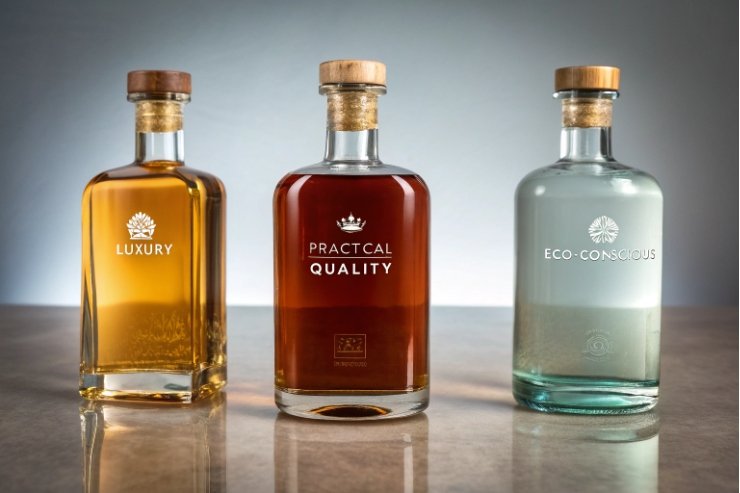
Weight and hand feel
Glass weight is one of the first signals the consumer gets. A heavier base can say “premium” or “crafted”. A lighter body can say “modern” and “conscious”. With custom molds we do not just add random glass; we put it where it creates value.
Industry data on lightweighting glass containers without losing performance 5 shows why smarter geometry often beats simply “making everything thicker.”
Simple view:
| Weight strategy | Perceived message | Typical use cases |
|---|---|---|
| Heavy base, thick wall | Luxurious, indulgent | Whisky, perfume, prestige skincare |
| Balanced, mid-weight | Quality but practical | Wine, sauces, mass-premium beauty |
| Lightweight | Eco-aware, everyday use | Water, RTD beverages, refill systems |
We can shift weight from the shoulder to the base, or from the neck to the heel, to keep the same total glass but change the feel. That lets the brand tell a premium story without simply “over-weighting” the whole bottle.
Color and product protection
Color is not only for looks. It also protects the contents from light. Amber colored glass that absorbs UV and short-wavelength light 6 is a common choice for oils, vitamins, fragrances, and beer.
Custom glass color gives three gains at once:
- Protection for light-sensitive formulas
- Strong on-shelf color blocking for brand blocks and ranges
- Story support: natural green for organic, deep blue for clinical, black for luxury
We can keep glass fully tinted, apply partial sprays, or frost selected areas. For refill systems, many brands pick clear or light-tinted glass so users can see the remaining product, and then rely on coatings and print to carry the brand language.
Coatings, decoration, and recyclability
Decoration choices also affect sustainability. Direct screen printing, ceramic inks, or hot stamping on glass can replace some or all of the label. This has several effects:
- No label edge lift, so bottles look neat in wet conditions
- Less label waste in recycling streams
- Higher chance people keep and reuse the bottle as a carafe, vase, or container
The key is to balance coatings with local recycling rules. In many markets, clear or light-tinted glass with simple, permanent decoration runs well through standard recycling. Full-surface metallic sprays may need more care. With custom work, we can test small runs, gather feedback from recyclers, and adjust formula and coverage before a full launch.
Custom color and finishing plans also help build clear product ladders. Entry lines can use clear glass with simple print. Mid tiers can add partial frosting. Flagship SKUs can carry deeper colors and selective metallic accents. The result feels premium, but the range is still easy to recycle and explain to consumers.
How does customization optimize filling-line efficiency, reduce breakage, and improve total ROI?
Many teams see custom molds only as a design or marketing project, so they miss most of the operational payback.
When we design the bottle around your filling, capping, and packaging equipment, custom glass can cut breakage, reduce changeover, stabilize speeds, and pay back mold costs through lower unit costs and stronger brand performance.
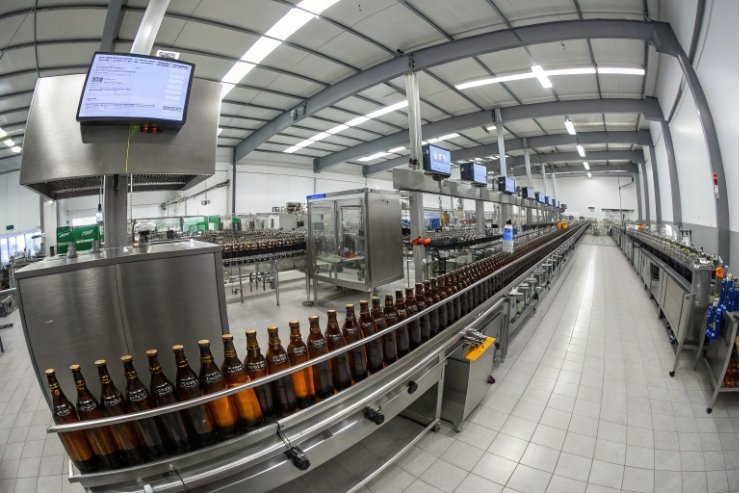
Designing with the line in mind
Every line has real limits: height restrictions, starwheel pockets, labeler spacing, case packer dimensions. Stock bottles rarely match these exactly. So operators tweak, slow down, or accept more rejects.
With custom bottles, we can set:
- Total height to suit existing rinsers, fillers, and cappers
- Base diameter to match starwheels, conveyors, and cartons
- Label panel shape that fits your current label size and shape
This removes many small sources of friction. Bottles feed more smoothly, and there are fewer tip-overs at transfer points. Labels wrap without wrinkles because the panel is flat and wide enough. The result is less rework, less glass loss, and a more stable daily speed.
Once we control the mold, we can build a whole family of bottles around shared rules. For example, one neck finish across many sizes, or one base diameter across several volumes.
| Design choice | Operational effect |
|---|---|
| Common neck finish | Fewer closure SKUs, faster changeovers |
| Shared base diameter | One set of line parts for many products |
| Consistent label panel height | Same label size artwork across variants |
| Stackable shoulder / base | Easier palletizing and warehouse handling |
For global brands, this kind of family design can remove dozens of small, hidden costs: extra cap tooling, extra carton sizes, extra line parts. At the same time, the range looks more coherent on shelf, which boosts brand blocking and shopper navigation.
ROI: when do custom molds pay off?
A custom mold has an up-front cost, but the return does not come from design pride alone. It comes from a mix of factors:
- Higher average selling price due to stronger perceived value
- Better demand, because the product is easier to spot and remember
- Lower operations cost per unit on a tuned line
- Fewer complaints and damage claims due to more robust design
- Longer design life, as the shape becomes a signature that does not need frequent change
In high-volume categories like wine, spirits, sauces, or personal care, these gains can amortize mold costs over a relatively short run. In lower-volume, high-margin segments, the gain often comes more from brand equity and the ability to defend price.
For refill and return systems, custom bottles with reinforced walls, thick bases, and stackable geometry add another layer of value. They survive many wash and transport cycles, so the cost per use drops sharply over time. At the same time, the brand can tell a clear closed-loop story to both retailers and consumers.
Conclusion
Custom glass bottles are not just nicer shapes. They sharpen brand identity, protect the product, streamline operations, and support clear sustainability stories, so the package works as hard as the product inside.
Footnotes
-
Evidence-based view of how bottle shape influences shopper judgments and purchase quantity. ↩︎ ↩
-
Shows how embossing adds permanent, tactile branding directly in the glass. ↩︎ ↩
-
Quick reference for common GPI thread finishes used to standardize caps and bottle necks. ↩︎ ↩
-
Practical guide to verifying neck dimensions and closure compatibility to prevent leaks and torque issues. ↩︎ ↩
-
Explains how lightweighting can reduce impacts while maintaining performance and productivity in glass packaging. ↩︎ ↩
-
Details how amber glass filters UV/short-wavelength light to protect sensitive formulas. ↩︎ ↩






