
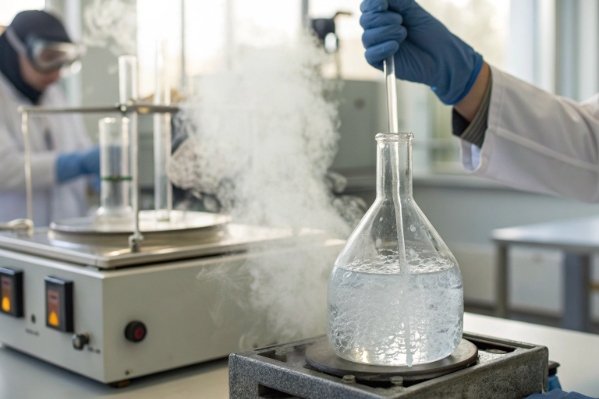
Have you ever faced the nightmare of a product recall because your glass packaging reacted with its acidic contents, compromising flavor or safety? For brands packaging vinegar, fruit juices, or pharmaceuticals, understanding the invisible shield of acid resistance is not just technical jargon—it’s a survival skill.
Acid resistance grades for glass bottles are primarily classified by international standards like ISO 1776 and DIN 12116, which categorize glass into classes based on weight loss after acid exposure. These grades determine a bottle’s ability to withstand chemical attack from acidic contents, ensuring product stability and preventing leaching.
Understanding the Chemistry Behind the Classifications
At FuSenglass, we often encounter clients who assume "glass is just glass." However, when you are scaling production for a global market, specifically for acidic products like premium apple cider vinegar or high-concentration pharmaceutical syrups, the chemical durability of the container is paramount.
The classification of acid resistance isn’t arbitrary; it is rooted in rigorous quantitative analysis. The core concept revolves around the hydrolytic stability of the glass surface when subjected to acidic solutions. When glass comes into contact with strong acids (excluding hydrofluoric acid), metal ions—primarily sodium and calcium—can be leached 1 from the glass network. This leaching process, if significant, can alter the pH of your product, cause precipitation, or simply degrade the aesthetic clarity of the bottle (resulting in "weathering" or hazing).
The Hierarchy of Glass Types
To understand the grades, we must first look at the material itself. While we offer various glass types, the industry standard relies on specific classifications:
| Glass Type | Description | Acid Resistance Profile | Common Uses |
|---|---|---|---|
| Type I (Borosilicate) | High melting point, contains boron oxide. | Excellent. The gold standard for maximum chemical inertness. | Pharma injectables, labware, aggressive chemicals. |
| Type II (Treated Soda-Lime) | Soda-lime glass with surface de-alkalization (sulfur treatment). | High. Surface treatment boosts resistance significantly. | Acidic and neutral aqueous preparations, infusion fluids. |
| Type III (Soda-Lime) | Standard commercial glass. | Moderate to Good. Sufficient for most food/beverage acids. | Beverages, sauces, cosmetics, oral medications. |
Why "Good Enough" Isn’t Enough
For a client like JEmma, who produces natural skincare with active acidic ingredients (like Vitamin C serums), relying on a generic Type III bottle without verifying its specific acid resistance grade could lead to product instability. The "grade" tells us exactly how much material the glass loses under stress. A lower class number indicates higher resistance. For instance, in many standards, Class 1 represents the highest resistance (lowest weight loss), while higher numbers indicate greater susceptibility to acid attack.
Understanding these nuances allows us to match the right bottle to your product, balancing cost (Type III is more economical) with necessary performance (Type I or II for critical stability).
Which international standards are used to evaluate glass acid resistance (e.g., ISO acid-attack tests) for bottles and jars?
Navigating the alphabet soup of ISO, DIN, and ASTM standards can be overwhelming for procurement officers, yet selecting the wrong standard for your purchase order can lead to receiving containers that pass the wrong test. Are you referencing a test for water resistance when you actually need protection against strong acids?
The primary international standard for evaluating acid resistance in glass containers is ISO 1776, which determines resistance to attack by hydrochloric acid. Another critical standard is DIN 12116, often used for more rigorous testing, classifying glass into four classes (Class S1 to S4) based on weight loss per surface area.
Decoding the Standards: ISO 1776 vs. DIN 12116
When we work with rigorous buyers—like Liam from the UK whiskey distillery sector or pharmaceutical procurements—we rely on precise data. The "acid resistance" isn’t a vague feeling; it’s a measurable metric defined by these key standards.
ISO 1776: The Industry Benchmark
ISO 1776 2 (Glass – Resistance to attack by hydrochloric acid at 100 degrees Celsius) is the baseline. The test involves boiling the glass surface in 6 mol/L hydrochloric acid for a specific duration. The result is measured by the amount of alkali oxides released.
- Why it matters: It provides a universal baseline for "flame-spectrometric determination." It’s less about grading into classes and more about quantifying the specific leaching of Na2O (sodium oxide).
DIN 12116: The Classification Powerhouse
While ISO 1776 is the method, DIN 12116 is often cited when specific "Classes" are required, especially in European markets. This standard measures weight loss in mg/dm² after boiling in hydrochloric acid.
- Class S1 (Acid Resistant): Weight loss < 0.7 mg/dm². (High Borosilicate 3 usually falls here).
- Class S2 (Mildly Acid Soluble): Weight loss between 0.7 and 1.5 mg/dm².
- Class S3 (Moderately Acid Soluble): Weight loss between 1.5 and 15 mg/dm².
- Class S4 (Acid Soluble): Weight loss > 15 mg/dm².
ASTM C225 (United States)
For our North American clients, you might encounter ASTM C225 4. While it primarily focuses on hydrolytic resistance (Methods P-W, B-W), understanding how it correlates to acid resistance is vital for cross-region compliance. However, for strict acid attack validation, we recommend sticking to the explicit acid-test protocols of ISO or DIN to ensure clarity in your specs.
Practical Application in Manufacturing
At FuSenglass, we use these standards to validate our "recipe." If we slightly alter the sand or cullet ratio to improve clarity, we must re-test to ensure we haven’t slipped from a Class S2 to an S3. For a client bottling a pH 3.0 sauce, that slip could mean the difference between a shelf-stable product and one that spoils.
How is “acid resistance” different from hydrolytic resistance (water attack) and alkali resistance, and which one matters for your product?
Many brands mistakenly use "hydrolytic resistance" (Type I, II, III) as a catch-all proxy for all chemical durability, but this oversimplification can be dangerous. If your product is highly acidic or alkaline, a bottle with excellent water resistance might still fail, leading to delamination or contamination.
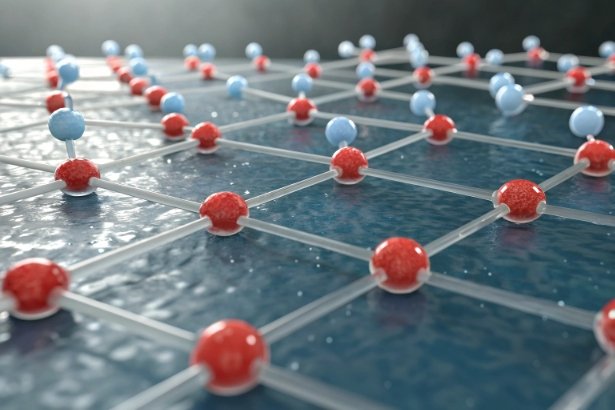
Acid resistance measures stability against acids (low pH), hydrolytic resistance measures stability against water (leaching of alkali ions), and alkali resistance tests against strong bases (high pH). For acidic beverages and sauces, acid resistance is critical; for water-based injectables, hydrolytic resistance is key; for cleaning agents, alkali resistance matters.
The Triangle of Chemical Durability
To ensure the safety of your product, you must identify its "primary aggressor." Glass interacts differently with different pH levels.
1. Hydrolytic Resistance (The Water Test)
- The Standard: ISO 719 / ISO 720 / USP <660>.
- The Mechanism: Water attacks the glass network, leaching out alkali ions (sodium).
- Relevance: This is the primary classifier for "Type I, II, III" glass. It is crucial for neutral pharmaceuticals, water, and sensitive spirits.
- The Trap: A bottle can be Type I (excellent hydrolytic resistance) but have varying degrees of resistance to specific concentrated acids or alkalis, although Type I is generally superior in all categories.
2. Acid Resistance (The Low pH Test)
- The Standard: ISO 1776 / DIN 12116.
- The Mechanism: An ion-exchange process 5 where protons (H+) from the acid replace alkali ions (Na+) in the glass. The silica structure largely remains intact (unlike in alkali attack).
- Relevance: Critical for vinegar, fruit juices, carbonated soft drinks, wines, and acidic lab chemicals.
3. Alkali Resistance (The High pH Test)
- The Standard: ISO 695.
- The Mechanism: This is the most destructive. Alkalis actually attack the silica network (the backbone of the glass), dissolving the glass itself.
- Relevance: Crucial for household cleaners, strong detergents, or specific alkaline pharmaceuticals.
Which One Matters for You?
| Product Category | Primary Concern | Secondary Concern | Recommended Focus |
|---|---|---|---|
| Vinegar / Hot Sauce | Acid Resistance | Hydrolytic Resistance | Verify DIN 12116 Class. |
| Whiskey / Vodka | Hydrolytic Resistance | Ethanol extraction | Ensure Type I or II (or high quality Type III). |
| Pharma Syrup (Acidic) | Acid Resistance | Hydrolytic Resistance | Type III is usually okay, but verify no precipitation. |
| Skincare (Retinol/Vit C) | Acid & Oxidation | UV Protection | Amber glass with good acid resistance. |
For Ahmed, our distributor client in the UAE, who deals with both perfumes (high alcohol/neutral) and essential oils (potentially acidic), we specify different testing protocols for each SKU to prevent product degradation in the hot climate.
What acid-resistance level should you specify for acidic beverages, vinegar, sauces, and pharmaceutical syrups in glass bottles?
Over-specifying your glass packaging is a common (and costly) mistake; demanding pharmaceutical-grade borosilicate for a BBQ sauce drives up unit costs unnecessarily. Conversely, under-specifying for a potent pharmaceutical syrup can lead to regulatory failure. How do you find the "Goldilocks" zone for your specifications?
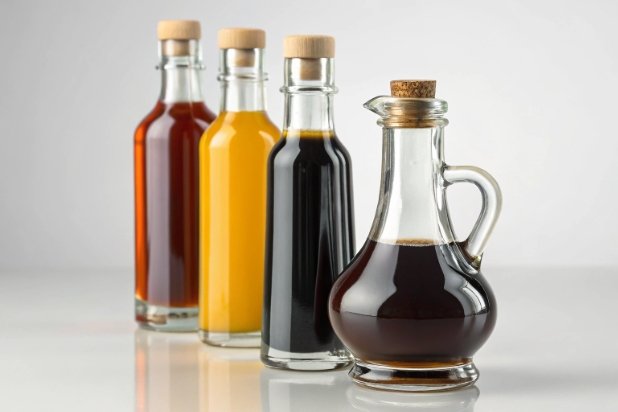
For most food and beverage products like vinegar and sauces, standard soda-lime glass (Type III) with moderate acid resistance (DIN 12116 Class S3) is sufficient. However, for aggressive pharmaceutical syrups or high-concentration acidic extracts, you should specify Type II treated glass or Type I borosilicate (Class S1 or S2).
Matching the Glass to the pH
We often help clients engineer their supply chain by matching the glass performance to the product’s actual aggression level. Here is how we break it down by industry vertical.
1. The Food & Beverage Standard (Vinegars, Juices, Sauces)
- Typical pH: 2.5 – 4.5.
- Requirement: Standard Soda-Lime Glass 6 (Type III).
- Why: The ion exchange process in standard soda-lime glass is slow enough that for consumables with a shelf life of 1-3 years, there is no noticeable degradation or leaching that exceeds food safety limits.
- Specification: "Type III Soda-Lime Glass, conforming to food contact safety standards (FDA/LFGB)." You generally do not need to demand Class S1 acid resistance here unless the product is a highly concentrated essence.
2. Pharmaceutical Syrups & Liquid Meds
- Typical pH: Can vary widely, often stabilized with buffers.
- Requirement: Hydrolytic Class III is standard for oral liquids, but Class II (Surface Treated) is preferred for more aggressive formulations.
- Why: Pharmaceuticals have stricter limits on "extractables and leachables." Even if the bottle doesn’t break, leaching sodium can alter the drug’s efficacy.
- Specification: "Type III glass complying with USP <660>." For sensitive formulations, request "Sulfur-treated surface (Type II)."
3. Cosmetics & High-End Skincare
- Typical pH: 3.0 – 7.0 (e.g., AHAs, BHAs).
- Requirement: High-quality Soda-Lime or Opal Glass.
- Why: The concern here is often visual. Acid attack can cause "blooming" or cloudiness on the glass surface over time, ruining the luxury aesthetic.
- Specification: Prioritize glass clarity and request a sample test for "long-term acid exposure compatibility."
Case Study: The "Super-Sour" Candy Spray
We once worked with a client producing a novelty sour candy spray (pH 2.0). They initially used a cheap, low-quality glass from a spot market supplier. Within three months, the liquid turned cloudy due to glass corrosion. We switched them to a controlled Type III soda-lime with a verified formulation (closer to Class S3/S2 boundary), solving the issue without the expense of switching to borosilicate.
What test reports and QC documents should B2B buyers request to verify acid resistance before mass production and shipment?
Blind trust is a supply chain risk; when you are importing containers from overseas, you need documented proof that the glass you approved in the sample phase is the same glass arriving in the shipping container. Without the right paperwork, you have no recourse if your product stability fails six months down the line.
B2B buyers should explicitly request a Certificate of Analysis (COA) for every batch, detailing compliance with ISO/USP standards. Crucially, verify that the physicochemical test report includes Hydrolytic Resistance (ISO 720/USP <660>) and, specifically for acidic products, an Acid Resistance Test Report (ISO 1776 or DIN 12116).

The Essential QC Checklist
When we prepare a shipment for a client like Anna in France (who demands high-end specs), our documentation package is as important as the pallets themselves. Here is what you must ask for:
1. The Comprehensive COA (Certificate of Analysis)
Do not accept a generic "Quality Passed" stamp. A real COA from a manufacturer like FuSenglass includes:
- Batch Number: Links the report to your specific production run.
- Chemical Composition: Percentages of Silica (SiO2), Sodium Oxide (Na2O), Calcium Oxide (CaO), etc.
- Physical Properties: Thermal shock resistance, internal pressure resistance.
- Chemical Durability Data: This is where you look for the specific ISO/DIN results.
2. Third-Party Validation (SGS / Intertek / TÜV)
For your first order or a major new product launch, request third-party testing.
- The Request: "Please arrange an SGS test for Acid Resistance according to DIN 12116 on the final production samples."
- Why: In-house lab reports are good, but third-party reports are legally binding and unbiased. They confirm that the "Type II" glass you bought is actually treated effectively and not just standard Type III.
3. Heavy Metal Leaching Report (Lead & Cadmium)
While distinct from acid resistance grades, acid attacks cause leaching. You must ensure the glass (and any decoration/paint) meets:
- ISO 7086 7: Glass hollowware in contact with food – Release of lead and cadmium.
- California Prop 65 8: If you sell in the US, this is non-negotiable.
- FDA 21 CFR 9: Food contact safety compliance.
4. Surface Treatment Verification
If you ordered Type II glass (sulfur treated for extra resistance), ask for the Surface Treatment Validation Report. This proves the de-alkalization process was performed and verified (usually by checking the pH shift of water autoclaved in the bottle).
Reviewing the Documents: A Red Flag Guide
- Red Flag: The report is dated three years ago. (Request a current batch report).
- Red Flag: The standard cited is irrelevant (e.g., citing a window glass standard for a beverage bottle).
- Red Flag: The "Acid Class" is missing entirely, and only "Hydrolytic Class" is shown. If you are selling vinegar, demand the Acid Class data.
By implementing this document rigor, you transition from a passive buyer to a strategic partner, ensuring that your packaging is a fortress for your product, not a liability.
Conclusion
Acid resistance in glass packaging is the silent guardian of your product’s quality, flavor, and safety. By understanding the critical differences between international standards like ISO 1776 and DIN 12116, and distinguishing acid resistance from hydrolytic 10 or alkali resistance, you can specify the exact glass grade your product requires without overspending. Always back up your specifications with rigorous QC documentation and third-party test reports to ensure your mass production matches your gold standard.
Footnotes
-
The extraction of certain materials from a solid into a liquid, often referring to chemicals leaving glass. ↩
-
International standard specifying the test method for glass resistance to hydrochloric acid. ↩
-
A type of glass with high thermal and chemical resistance, ideal for laboratory and pharmaceutical use. ↩
-
Standard test methods for resistance of glass containers to chemical attack. ↩
-
A reversible chemical reaction where an ion from a solution is exchanged for a similarly charged ion attached to an immobile solid particle. ↩
-
The most common commercial glass, chemically stable and reasonably hard. ↩
-
Standard for permissible limits of lead and cadmium release from glass hollowware. ↩
-
A California law requiring businesses to provide warnings about significant exposures to chemicals that cause cancer, birth defects, or other reproductive harm. ↩
-
US regulations ensuring that food contact materials are safe for their intended use. ↩
-
The ability of glass to resist chemical attack by water, crucial for pharmaceutical packaging. ↩






