
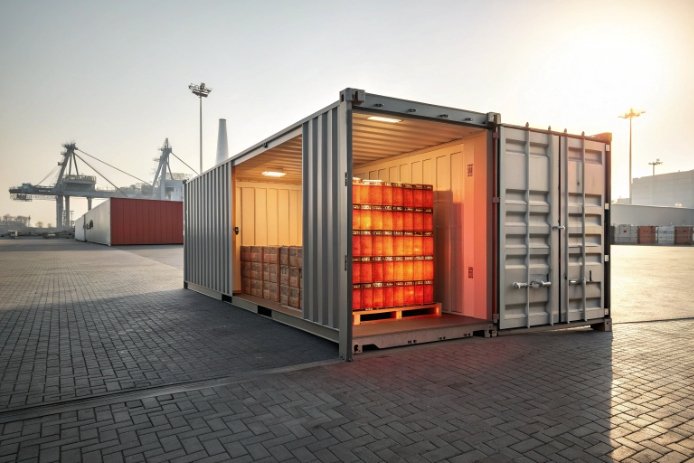
Summer heat waves turn shipping containers into ovens, threatening the integrity of your premium glass packaging. Are you ignoring the silent destroyers hiding in your logistics chain?
High summer temperatures in shipping containers can exceed 60°C, causing thermal expansion that stresses glass, softens closure liners leading to leakage, degrades adhesive labels, and accelerates microcrack propagation. These factors combined significantly increase the risk of product loss during transit.
The Invisible Furnace: An Overview of Thermal Risks?
The Container Greenhouse Effect
As the face of FuSenglass, I often warn clients that the temperature outside a shipping container is rarely the temperature inside. In the height of summer, a standard steel dry container sitting on a tarmac or a ship’s deck acts like a kiln. While the ambient air might be 35°C (95°F), the internal temperature can easily spike to 65°C or 70°C (150°F+). This extreme environment creates a "thermal assault" on every component of your packaging—not just the glass, but the interaction between the glass, the closure, the decoration, and the secondary packaging 1.
Why This Matters for Brand Owners
For our clients in the pharmaceutical and cosmetics sectors, stability is everything. A bottle that arrives intact but leaks due to liner compression set is a total loss. A bottle with a peeling label due to melted adhesive is a branding disaster. We have spent over 20 years refining our production at FuSenglass to ensure our glass is robust, but physics is unforgiving. Understanding the specific mechanics of how heat attacks packaging is the first step in prevention. It is not just about "hot glass"; it is about the differential expansion and chemical changes that occur in that closed, sweltering box.
Assessing the Vulnerability
Not all products are equally at risk. High-viscosity liquids might fare better than low-surface-tension spirits. Thick-walled cosmetic jars have different thermal inertia 2 compared to thin-walled beverage bottles.
| Risk Category | Primary Mechanism | Critical Temperature Threshold | Potential Consequence |
|---|---|---|---|
| Structural | Thermal Shock / Stress | > 50°C Delta T | Spontaneous Breakage |
| Sealing | Polymer Relaxation | > 45°C (sustained) | Torque Loss / Leakage |
| Aesthetic | Adhesive Softening | > 55°C | Label Flagging / Peeling |
| Chemical | Leaching / Migration | > 60°C | Product Contamination |
Understanding these risks allows us to engineer better solutions. But let’s break down exactly how heat turns a sturdy bottle into a fragile liability.
Does Extreme Heat Accelerate Breakage and Microcrack Growth?
Thermal stress and physical vibration create a deadly combination for glass during summer transport. Are your bottles tough enough to survive the journey?
Extreme heat alone rarely melts glass, but it induces thermal stress and expands existing microcracks (Griffith flaws). When combined with the vibration of a truck, this weakened state dramatically increases the probability of catastrophic breakage.
The Physics of Thermal Stress
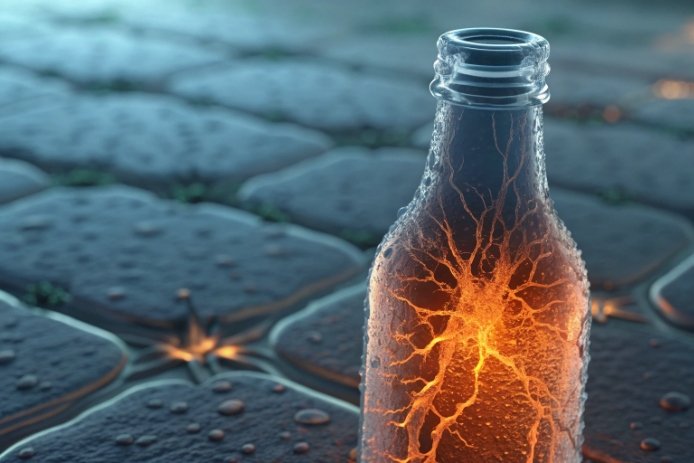
Glass is a poor conductor of heat. When a pallet of bottles is subjected to rapid heating (like moving from a cool warehouse to a baking truck), the outer surface expands faster than the inner core. This creates tensile stress 3 on the cooler inner surface. While soda-lime glass (the standard for most packaging) is designed to withstand reasonable changes, the "Delta T" (temperature difference) becomes dangerous when it happens unevenly. In a packed container, bottles on the perimeter heat up much faster than those in the center, creating a thermal gradient across the pallet that strains the glass matrix.
The Griffith Flaw Factor
Every glass bottle, no matter how perfect, has microscopic surface imperfections known as Griffith flaws 4. These are usually harmless under normal conditions. However, heat acts as an accelerant for crack propagation. As the glass expands thermally, the stress at the tip of these microscopic cracks intensifies.
-
Static Fatigue: High humidity inside a hot container (the "container rain" phenomenon) creates a corrosive environment at the crack tip, lowering the energy required for the crack to grow.
-
Vibration Synergy: This is the critical insight. Heat weakens the glass’s resistance to crack growth, and the constant vibration of the truck or ship provides the mechanical energy to drive that crack through the wall. A bump that would be harmless at 20°C can shatter a bottle stressed by 60°C heat.
Impact on Internal Pressure
For filled products, the risk is twofold. The liquid inside expands as it heats. If the headspace 5 (ullage) is insufficient, the hydraulic pressure exerts immense force from the inside out. Combined with the weakened state of the hot glass, this often leads to the bottom pushing out or the neck snapping—the path of least resistance.
| Stress Factor | Mechanism in Heat | Result |
|---|---|---|
| Thermal Expansion | Glass expands, but unevenly across the pallet. | Internal tensile stress. |
| Microcrack Growth | Heat + Humidity (Container Rain) weakens crack tips. | Lower breakage threshold. |
| Hydraulic Pressure | Liquid payload expands, compressing headspace. | Bursting pressure on walls. |
How Does Heat Affect Closures and Cause Leakage?
A bottle is only as good as its seal, and summer heat is the enemy of torque retention. Is your cap backing off before it even reaches the customer?
High temperatures cause thermoplastic liners and caps to soften and undergo "compression set," losing their ability to push back against the glass finish. This leads to torque loss and the "back-off" phenomenon, resulting in product leakage.
The Mechanics of Torque Loss
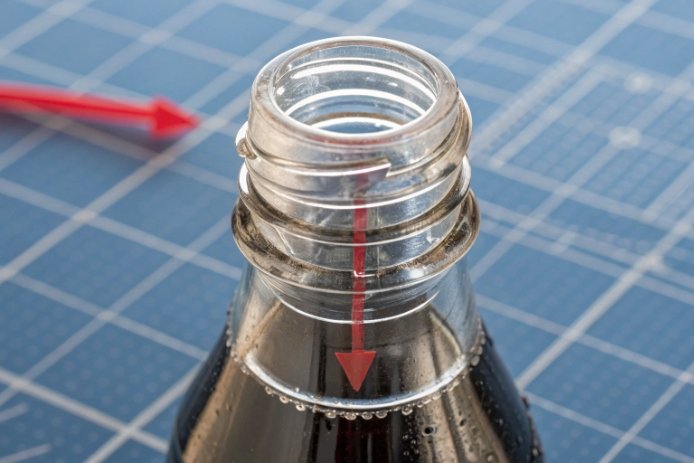
Leakage is the number one complaint we see during summer shipping, often unfairly blamed on the glass finish. In reality, it is usually a failure of the closure system. When a cap is applied, the liner is compressed, storing elastic energy like a spring. This spring force holds the cap tight (friction) and seals the bottle.
-
Viscoelastic Creep: Plastic is viscoelastic 6. Under high heat (60°C+), the plastic cap and liner soften. The polymer chains rearrange to relieve the stress of compression.
-
Compression Set: When the temperature cools back down at night, the liner does not bounce back. It has taken a "set." The spring force is gone. Without that tension, the friction holding the cap in place disappears.
Differential Thermal Expansion
Glass, metal (aluminum caps), and plastic (PP or phenolic caps) all expand at different rates.
-
Plastic Caps: Plastic expands roughly 10 times more than glass. In a hot container, the cap expands away from the glass threads. This physical gap, combined with the softening of the liner, allows the cap to physically loosen.
-
Vibration Induction: Once the tension is lost due to heat, the vibration of the truck acts to unscrew the cap. We call this "vibration-induced back-off." The cap literally unscrews itself during transit.
Liner Material Selection
At FuSenglass, we advise clients to upgrade their liner material for summer shipments. Standard PE foam liners are most susceptible to heat. Pulp/poly liners offer better resistance, while induction heat seal 7 (IHS) liners provide the ultimate protection because they fuse a foil layer to the glass, decoupling the seal integrity from the cap’s torque.
| Component | Reaction to 60°C Heat | Impact on Seal |
|---|---|---|
| Polypropylene Cap | High expansion; Softens significantly. | Loosens grip on threads. |
| EPE Liner | Rapid stress relaxation; High compression set. | Loss of sealing pressure. |
| Aluminum Cap | Moderate expansion; No softening. | Better torque retention than plastic. |
| Glass Finish | Low expansion; Rigid. | Remains constant (mismatch with cap). |
Can High Temps Damage Decoration and Labels?
Your brand’s visual identity is fragile, and extreme heat can melt your aesthetic appeal. Will your labels slide off or your frosting scuff before arrival?
Yes, high heat softens organic screen printing inks and degrades the tackifiers in label adhesives. This causes labels to peel ("flag"), decorations to become susceptible to scuffing, and coatings to become tacky and attract dust.
The Chemistry of Adhesion Failure
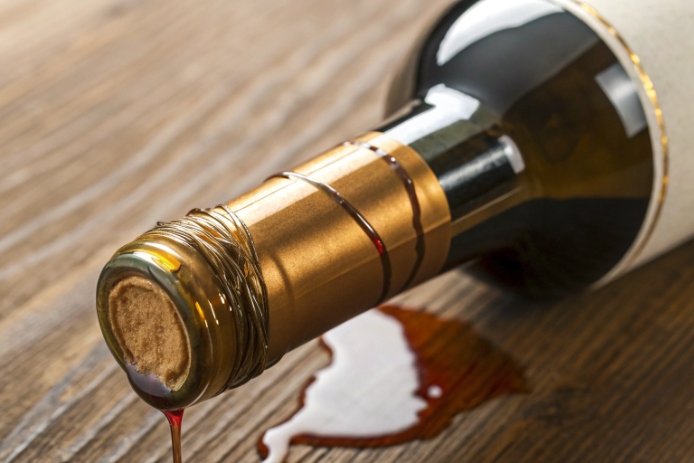
Pressure-sensitive labels 8 (PSLs) rely on adhesives that are essentially semi-liquids. They need to be soft enough to wet the glass surface but hard enough to stay put.
-
Shear Strength Reduction: At high temperatures, the adhesive viscosity drops. It becomes too runny. The stiffness (shear strength) that holds the label in place vanishes. If the bottle is slightly tapered or if the label was applied with tension, the label will "flag" (lift at the edges) or slide entirely.
-
Ghosting and Oozing: The adhesive can ooze out from behind the label, creating a sticky residue that attracts dirt and cardboard dust from the packaging dividers. This ruins the premium look of a cosmetic or liquor bottle.
Surface Treatment Vulnerabilities
At FuSenglass, we offer various decoration methods. Ceramic firing is heat-proof (fired at 600°C), but many modern brands prefer organic UV inks or low-temperature sprays for brighter colors.
-
Organic Inks: These inks are cured plastics. While durable, extreme heat can bring them near their glass transition temperature 9 (Tg). They may soften slightly, making them prone to scratching if bottles rub against dividers during transit.
-
Frosting/Coating: Soft-touch coatings or electrostatic sprays can become tacky in a hot container. If the dividers are not coated with a scuff-resistant material, the paper fibers can embed themselves into the soft coating, creating a fuzzy, damaged texture that cannot be cleaned.
The Role of Humidity
Heat rarely comes alone; it brings humidity (especially in ocean freight). Humidity attacks the paper stock of labels, causing them to swell. Combined with softened adhesive, this leads to bubbling and wrinkling. For metallized labels or real gold plating, high humidity and heat can accelerate oxidation or tarnishing if the protective lacquer is compromised by the thermal expansion.
| Decoration Type | Heat Risk Level | Failure Mode |
|---|---|---|
| Ceramic Decal | Low | Highly resistant; generally safe. |
| Organic Screen Print | Medium | Softening; prone to scuffing on dividers. |
| Paper Label (Wet Glue) | High | Drying out and falling off; or humidity wrinkling. |
| PSL (Sticker) | Critical | Adhesive failure; sliding; edge lifting. |
What Logistics Measures Reduce Heat Risks?
Planning your logistics with thermal risks in mind is the only way to guarantee product safety. Are you using the right tools to shield your cargo?
To mitigate summer risks, utilize temperature-controlled containers (reefers) for sensitive goods, apply thermal pallet blankets, ensure proper carton venting to prevent heat buildup, and conduct pre-shipment thermal cycle testing.
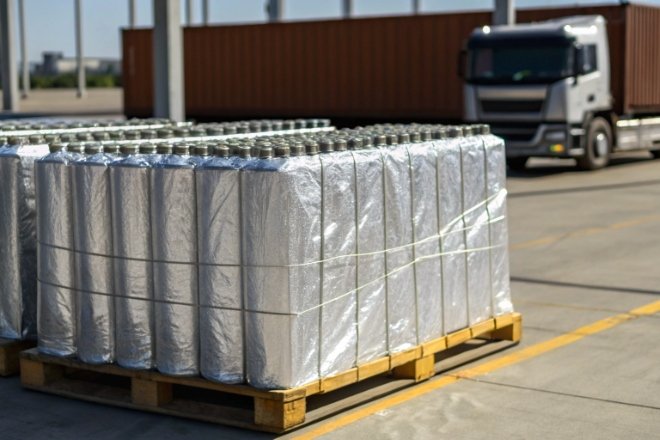
Passive vs. Active Protection
The gold standard is, of course, a Reefer (Refrigerated Container). For high-value pharmaceuticals or premium organic cosmetics, this is non-negotiable. However, for standard glass bottles, the cost of a reefer is often prohibitive. This is where passive protection comes in.
-
Thermal Blankets: These are reflective foil covers that go over the entire pallet. They reflect radiant heat and trap a pocket of cooler air around the bottles. They can flatten the temperature spike, keeping the cargo 10-15°C cooler than the container ambient.
-
Container Liners: Similar to blankets but lining the entire shipping container walls. This prevents the "oven effect" of the hot steel walls radiating heat directly onto the cargo.
Strategic Packaging Design
The way we pack the bottles at FuSenglass plays a massive role in heat dissipation.
-
Vented Cartons: Tightly sealed cartons trap heat. Adding vent holes allows air circulation, preventing hot spots in the center of the pallet.
-
Headspace Management: We advise clients to ensure their filling lines account for thermal expansion. Leaving adequate headspace (ullage) prevents the hydraulic pressure that causes leaks and breakage.
-
Divider Selection: Using coated dividers reduces friction damage if the bottle decoration softens. Ensuring dividers are rigid enough to withstand humidity (which often accompanies heat) prevents stack collapse.
Validation and Testing
Do not guess—test. Before the summer season hits, we recommend conducting a simulated transport test.
-
Torque Retention Test: Torque caps, heat bottles to 60°C for 24 hours, cool them, and measure the removal torque. If it drops to near zero, you need a different liner.
-
Sutherland Rub Test (Heated): Test the abrasion resistance 10 of your decoration at elevated temperatures.
-
Tip: Use data loggers in your trial shipments. Knowing exactly where and when the temperature spikes helps you choose better shipping routes or times (e.g., avoiding transshipment in Dubai in July).
| Measure | Cost Impact | Effectiveness | Best Use Case |
|---|---|---|---|
| Reefer Container | High ($$$) | Excellent (Active Control) | Filled/Sensitive Goods |
| Thermal Blanket | Medium ($$) | Good (Delays Heat Soak) | Premium Empty Glass |
| Vented Cartons | Low ($) | Low (prevents hotspots) | Standard Shipments |
| Data Loggers | Low ($) | High (Data Intelligence) | All Summer Shipments |
Conclusion
Summer heat is a silent supply chain disruption. By understanding thermal expansion, selecting heat-resistant liners, and using thermal shielding, you can ensure your FuSenglass bottles arrive as pristine as they left our factory.
Footnotes
-
Materials used to group and protect primary products, such as cartons and boxes, during transport. ↩ ↩
-
The resistance of a material to changing temperature, affecting how quickly packaging heats up inside containers. ↩ ↩
-
The physical force that pulls material surfaces apart, causing microcracks to open and grow under heat. ↩ ↩
-
Microscopic surface cracks that reduce the effective strength of brittle materials like glass. ↩ ↩
-
The intentional air gap left in a container to allow liquids to expand without bursting the package. ↩ ↩
-
Material property exhibiting both viscous and elastic characteristics when undergoing deformation by heat or pressure. ↩ ↩
-
A non-contact heating process that bonds a foil seal to the container opening for airtight protection. ↩ ↩
-
Self-adhesive labeling material that utilizes pressure rather than heat or solvents to bond to surfaces. ↩ ↩
-
The specific temperature range where a polymer transitions from a hard, glassy state to a soft, rubbery state. ↩ ↩
-
The ability of a printed surface to withstand rubbing and scuffing during transport and handling. ↩ ↩






