
A great formula can still fail after launch because the container was chosen for looks or price. Then the smell shifts, the color changes, and customers stop trusting the brand.
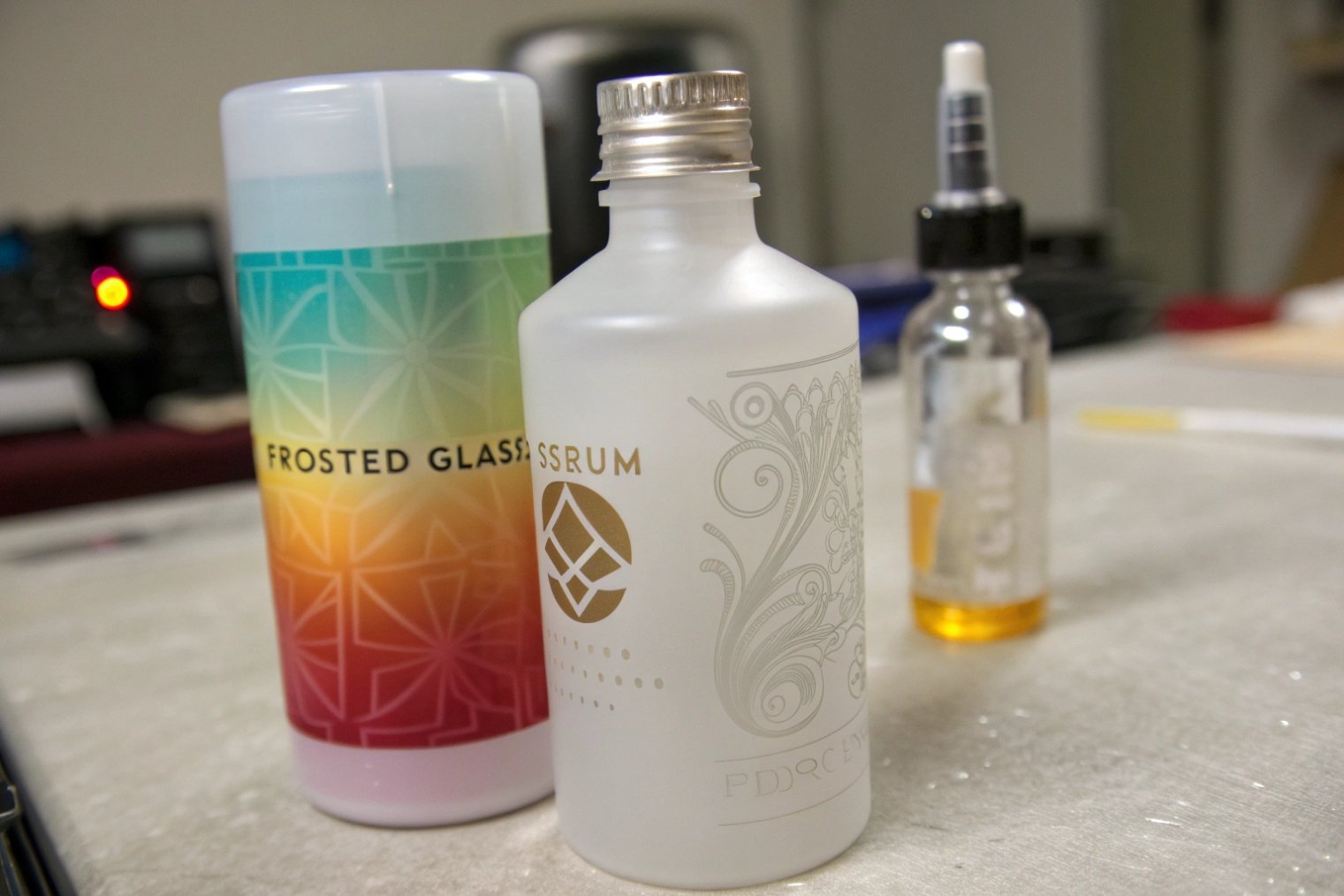
Glass usually wins on inertness and odor protection, while plastic usually wins on weight, impact resistance, and cost. The right choice depends on your formula risk, compliance needs, sustainability goals, and real shipping conditions.
The decision is not “glass vs plastic,” it is “risk vs reality”
This choice looks simple, but it touches every part of a product business. Protection, sustainability, compliance, and logistics all fight for the same budget. When a team picks one material only because it looks premium or because it is cheap, the problems show up later. The problems usually show up as returns, complaints, and rework.
A container does four jobs at the same time:
1) It protects the formula from air, light, moisture, and contamination.
2) It protects the brand by preventing taste and odor changes.
3) It supports compliance with the right claims, labeling, and safety rules.
4) It protects margin by controlling freight cost, damage rate, and lead time.
Glass and plastic can both be correct. The best choice comes from the product risk level and the sales channel. A premium serum that sits on a vanity has different needs than a shower gel that gets dropped. A pharmacy product has different needs than a seasonal gift set.
This approach keeps the decision clear: start with the formula, then the channel, then the cost.
A simple scoring system that prevents expensive mistakes
A fast way to compare is to score each option on the factors that matter most for the SKU. A brand can use 1–5 scoring. Then the decision becomes less emotional.
| Factor | Glass | Plastic | What to check first |
|---|---|---|---|
| Odor/taste protection | 5 | 2–4 | fragrance loss, odor pickup |
| Oxygen barrier | 5 | 2–4 | shelf life target, pump type |
| Chemical resistance | 5 | 2–4 | oils, alcohol, acids, solvents |
| Impact safety | 2 | 5 | shower, travel, kids use |
| Premium shelf feel | 5 | 3–5 | decoration, weight, clarity |
| Shipping efficiency | 2 | 5 | freight, damage, packing |
| Sustainability story | 3–5 | 2–5 | PCR, recycling reality |
| Compliance risk | 4–5 | 3–5 | product category rules |
This does not replace testing. It simply helps pick the right direction early.
The next sections answer the four questions that decide most projects.
A container choice should feel calm after it is set. Calm means the risks were handled before mass production.
Which option offers better product protection for your formula (oxygen barrier, odor transfer, chemical resistance, and shelf life)?
When protection is weak, the formula changes slowly and quietly. The customer sees it only after weeks of use, and the brand often gets blamed.
Glass gives stronger barrier and odor protection because it is nonporous and inert. Plastic can work well when the right resin and barrier design are chosen, but it needs more compatibility checks and tighter specs.
Oxygen barrier and shelf life
Glass is naturally a strong barrier to gases and vapor. So, for oxygen-sensitive formulas, glass reduces one major risk. Still, oxygen often enters through the closure, not only through the container wall. A weak cap liner can ruin the benefit of glass. This is why the closure system matters as much as the bottle.
Plastics vary. Some plastics allow more oxygen transfer than glass. Some structures can reduce oxygen transfer a lot, but they may cost more or require special sourcing. For many skincare and cosmetic products, a good pump system and a good liner can make plastic perform well enough. But the proof should come from stability testing, not from assumptions—especially when your shelf-life target depends on a low oxygen transmission rate (OTR) 1.
Odor transfer and fragrance loss
Odor transfer is a common hidden problem. Some plastics can absorb fragrance components or allow external odors to enter over time due to permeation 2. This can affect essential oils, perfumes, natural formulas, and food products with strong aroma. Glass is much safer for odor stability.
Chemical resistance and ingredient interaction
Glass is usually a strong option for aggressive formulas because it does not react with most ingredients. Plastic can be safe too, but it must match the chemistry. Oils, solvents, and some actives can stress certain plastics or cause swelling in seals. Some plastics can also crack under stress when exposed to certain chemicals. This can show up as leaking after shipping or after weeks on shelf.
What to test before choosing
Protection should be confirmed with tests that match real use. A fast checklist keeps teams aligned:
| Protection risk | Glass: typical risk | Plastic: typical risk | What to test |
|---|---|---|---|
| Oxygen ingress | closure leak | wall + closure | headspace/weight loss over time |
| Odor change | usually low | absorption/permeation | odor panel + GC if needed |
| Ingredient interaction | low | sorption, stress cracking | compatibility soak + visual checks |
| Light sensitivity | needs tint/box | needs tint/box | UV exposure + actives stability |
| Long shelf life | strong base | depends on design | accelerated and real-time stability |
Protection is not only a material decision. It is a system decision: bottle + closure + liner + decoration + secondary packaging.
Next is sustainability, because many brands need a story that customers and retailers will accept.
How do glass vs plastic compare for sustainability goals (recyclability, PCR content, carbon footprint, and brand perception)?
Sustainability choices can backfire when they are based on one simple claim. A package can be recyclable in theory and still get landfilled in practice.
Glass has strong recyclability and reuse potential, but it is heavy, so transport emissions can be higher. Plastic can lower transport emissions and use PCR content, but recycling rates and material mixes often reduce real-world recovery.
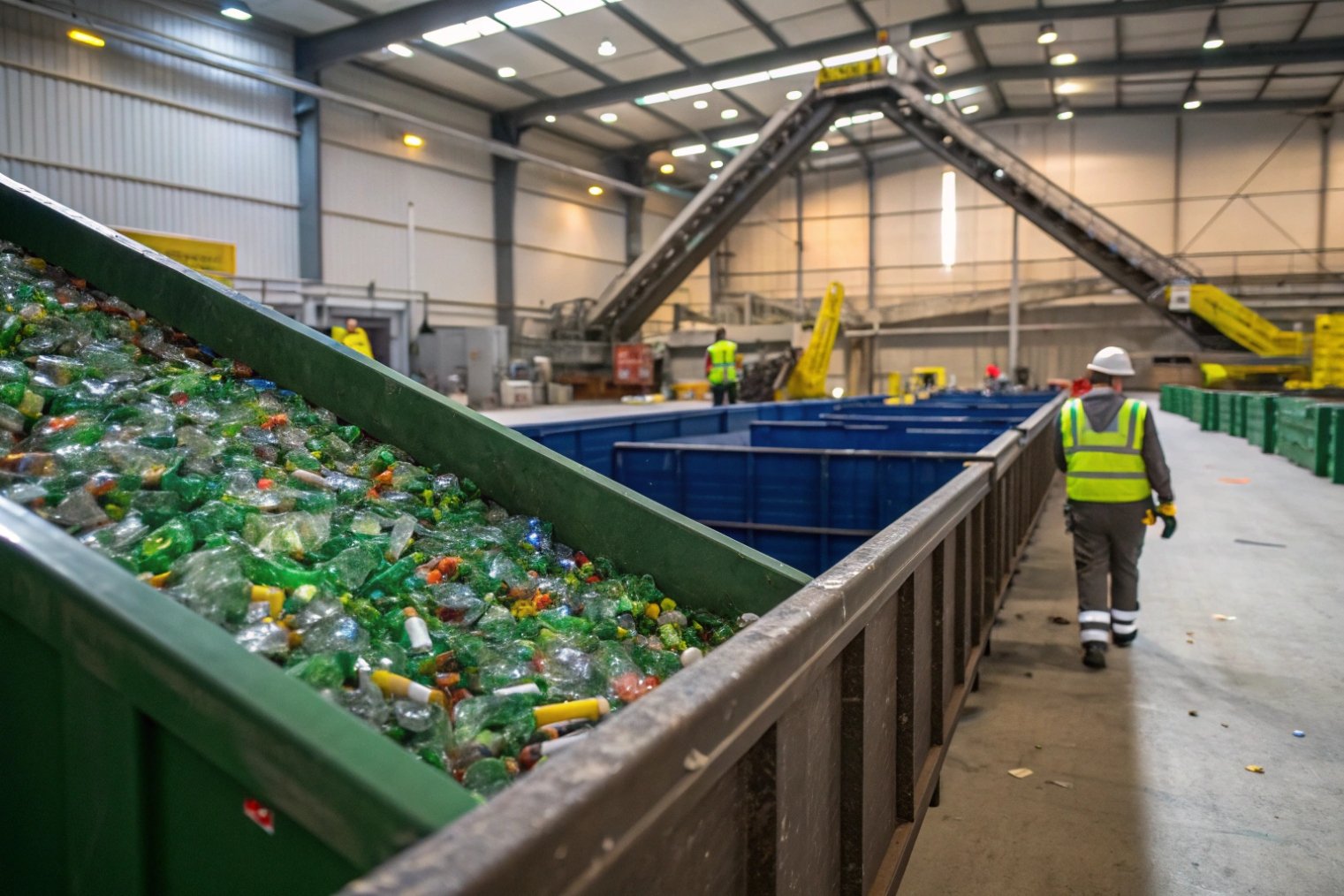
Recyclability and recovery in the real world
Glass is widely accepted in many recycling systems and can be recycled without quality loss in many cases. It also supports reuse and refill models well because it feels durable and premium in home use.
Plastic can be recyclable too, but it depends on resin type, color, and design. Dark colors, heavy labels, mixed materials, and pumps can reduce recycling success. Many plastic packs also include multi-material closures that are hard to separate.
PCR content and supply stability
Post-consumer recycled (PCR) plastic 3 can reduce virgin plastic use and can support a strong sustainability message. The challenge is consistency. PCR can vary in color and properties. This can affect brand color matching and mechanical performance. Still, with controlled sourcing, PCR is a strong tool for many SKUs.
Carbon footprint and transport trade-offs
Weight matters. Glass is heavier, and weight increases freight emissions and cost. Plastic is lighter, so transport can be more efficient. This is why the carbon “winner” can change based on shipping distance, pack size, and reuse plans—ideally supported by a basic life cycle assessment (LCA) 4.
Brand perception and customer trust
Many customers view glass as premium, clean, and safe. Many customers view plastic as practical and travel-friendly but less premium. This perception can influence sales, even when technical performance is similar. A brand can improve plastic perception with thick-wall design, soft-touch coatings, and a clear PCR story.
| Sustainability focus | Glass | Plastic | Best move for the brand |
|---|---|---|---|
| Recyclability story | strong | mixed | design for local systems |
| PCR content | limited/varies | strong | lock PCR grade and color |
| Transport emissions | weaker | stronger | lightweighting and cube efficiency |
| Reuse/refill | strong | medium | refill plan and consumer habit |
| Consumer perception | premium/clean | practical | match material to channel |
A strong sustainability plan looks at the full packaging system, not only the container. Pumps, labels, and secondary packaging often decide the real footprint.
Next is compliance, because food, cosmetics, and pharmaceuticals each bring different rules and risks.
What regulations and compliance requirements affect your choice for food, cosmetics, and pharmaceutical packaging?
Compliance is not only paperwork. Compliance is risk control. The wrong material can trigger migration concerns, quality complaints, or regulatory delays.
Food, cosmetics, and pharmaceuticals each need material safety proof, traceability, and compatibility testing. Glass often simplifies chemical interaction concerns, while plastics often require more resin-specific declarations and migration-focused documentation.
Food packaging: safety and migration focus
For food and beverage, the key concerns are safety, taste/odor stability, and migration from inks, coatings, and closures. Glass often helps preserve taste and odor, but the closure and any decoration still need safe materials. Plastic needs clear resin identification, supplier declarations, and sometimes extra migration checks—often framed by rules like the EU’s Regulation (EC) No 1935/2004 (food contact materials) 5.
Cosmetics: compatibility and claims pressure
Cosmetics often involve oils, fragrances, alcohol, and active ingredients. These can stress some plastics and seals. Compliance needs include ingredient labeling, batch coding, and packaging claims that must stay readable. If the product is sold across markets, language and INCI space can drive packaging format choices.
Pharmaceuticals: stability and container integrity
Pharma packaging requires stricter control. Compatibility and stability are central. Some glass containers can face special risks in certain conditions, so compatibility testing remains important even with glass. Plastic packaging in pharma can be acceptable, but it needs strong barrier control and strict supplier documentation—commonly including an extractables and leachables 6 strategy.
Documents and tests that reduce compliance risk
A good supplier should provide clear documents. A buyer should also request tests tied to the real use case.
| Category | Key compliance needs | Common documents to request | Common tests to run |
|---|---|---|---|
| Food | migration and sensory | food-contact declaration, ink/coating statement | migration, sensory, leak |
| Cosmetics | compatibility and readability | material specs, colorant info, COA | soak, stress crack, rub |
| Pharma | stability and traceability | DMF/quality docs when applicable, change control | stability, extractables/leachables plan |
Compliance also includes packaging line performance. Plastics often run faster and handle impacts better on high-speed lines. Glass can require more careful handling and can increase line downtime if breakage occurs. This operational side is often ignored until scale.
Next is the money side: total landed cost and logistics. This is where many “premium” decisions fail if shipping reality is ignored.
How do total landed cost and logistics differ (MOQ, unit price, breakage risk, shipping weight, and warehousing efficiency)?
Unit price is only the starting number. The real cost includes freight, protective packing, damage, handling time, and storage space.
Plastic usually wins on shipping efficiency and lower damage risk. Glass often wins on premium value and formula safety, but it raises freight cost and breakage risk, so packing and handling must be stronger.
MOQ and sourcing stability
Glass containers often have stable supply for standard shapes, but custom molds can raise MOQ and lead time. Plastic containers can also be custom molded, and they often allow more shape flexibility. For multi-SKU brands, plastic can simplify line feeding and reduce handling damage.
Breakage risk vs deformation risk
Glass breakage is a hard loss. A broken unit destroys nearby units and can stop a packing line. Plastic rarely shatters, but it can deform under heat or scratch under friction. Each risk needs a plan. Glass needs dividers, stronger cartons, and pallet stability. Plastic needs heat resistance checks and scuff control for premium finishes.
Shipping weight and warehousing efficiency
Glass is heavier, so freight cost and emissions often rise. It also reduces how many units fit inside a weight-limited shipment. Plastic is lighter, so more units can be moved per shipment. Plastic can also be packed more efficiently with less protective material.
Warehousing matters too. Heavier glass cases require more labor care. Breakage can create safety issues. Plastic is easier to handle and often stacks with lower risk.
Build a cost model that matches the channel
A simple landed-cost comparison should include more than unit price:
| Cost driver | Glass impact | Plastic impact | What to measure |
|---|---|---|---|
| Unit price | medium-high | low-medium | supplier quotes by volume |
| Protective packing | higher | lower | divider and carton spec |
| Freight | higher | lower | cost per 1,000 units delivered |
| Damage rate | higher | lower | pilot shipment breakage data |
| Line handling | slower | faster | downtime and scrap |
| Storage | heavier | lighter | pallet density and labor |
A practical workflow reduces surprises:
1) Confirm the formula risk level and shelf-life target.
2) Choose 1–2 container options and lock the closure concept.
3) Run compatibility and transit tests on real filled packs.
4) Compare total landed cost with real damage and packing assumptions.
This approach prevents the common failure where glass is chosen for “premium feel” but shipped with weak protection, which leads to returns and negative reviews. For food-related SKUs, it also helps to align documentation early if you’ll rely on FDA Food Contact Notifications 7 for material compliance.
Conclusion
Choose glass for higher formula risk and premium shelf goals. Choose plastic for shipping efficiency and impact safety. Confirm with compatibility, stability, and transit tests before mass production.
Footnotes
-
Defines OTR so you can judge whether a plastic pack can meet your shelf-life target. ↩ ↩
-
Explains permeation—how odors and vapors can move through materials over time. ↩ ↩
-
Clarifies what “PCR” means and why recycled feedstock affects consistency and sourcing claims. ↩ ↩
-
Explains LCA basics to compare glass vs plastic footprints beyond “recyclable” marketing. ↩ ↩
-
Official EU framework rule for materials intended to contact food, often referenced in packaging compliance. ↩ ↩
-
Overview of extractables/leachables concepts used to prevent container-related contamination in pharma and high-risk products. ↩ ↩
-
Explains the FDA FCN program so you can request the right compliance documentation from suppliers. ↩ ↩






