

Glass demand can look stable from far away. Up close, it swings with policy, freight, and brand mood, and a small change can shift millions of units.
Market demand for glass bottles is shaped by regulation and recycling systems, fast-changing product trends like RTD and e-commerce, and cost drivers like cullet, energy, and freight. Premiumization and sustainability stories then decide where brands will pay more for glass, and where they will switch.
Demand is never only “glass vs plastic.” It is a portfolio decision. A brand may choose glass for one SKU to signal quality, and choose cans for another SKU to win on convenience. The market moves when these decisions scale across retailers, regions, and regulations.
How do regulations, EPR, and deposit systems shift material choice?
When rules change, packaging changes fast. Compliance costs show up directly on the packaging line, and brands react with redesign, lightweighting, or material switching.
Regulations shift demand by pricing waste into packaging (EPR fees), restricting certain formats, and rewarding high-collection systems (deposit returns). These rules can boost glass where reuse and high-quality recycling are valued, but they can also penalize heavy, hard-to-collect glass in some markets.
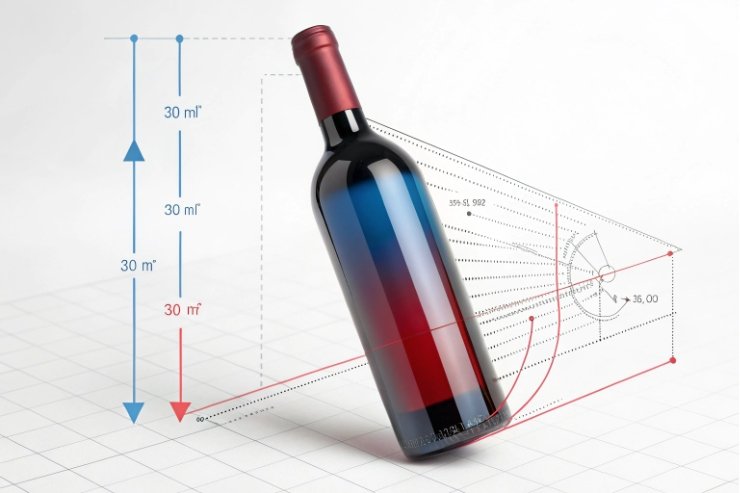
EPR changes the “real price” of packaging
EPR is not just paperwork. It changes the cost curve. Producers pay fees that reflect collection, sorting, and treatment. When fee modulation is added, “easy-to-recycle” packaging can pay less, and “hard-to-recycle” packaging can pay more.
In markets rolling out Extended Producer Responsibility (EPR) for packaging 1, that cost signal becomes very real for procurement teams and brand managers.
In practice, this creates three predictable effects:
- Design pressure: brands remove components that hurt recyclability (labels, inks, closures).
- Lightweighting pressure: grams become a fee lever and a transport lever.
- Material switching pressure: commodity SKUs chase the lowest total cost, not the lowest resin price.
The important point is that EPR can move glass demand in both directions. If a country scores glass well in real recycling outcomes, glass looks better. If the system struggles with glass collection, glass can get higher effective costs.
Deposit return systems change collection quality and cullet economics
Deposit return schemes usually improve return rates and reduce contamination. That matters because the glass industry needs high-quality cullet for cost and carbon performance. When a deposit system includes glass, it can raise the availability of cleaner cullet and support closed-loop remelt.
Policy teams often point to deposit return schemes (DRS) 2 as one of the most visible ways to lift collection quality and reduce contamination.
But not every DRS includes glass. Some focus on PET and cans first. So the effect on glass demand depends on inclusion rules, scope, and how the scheme treats refillables versus single-use.
Regulations also steer reuse and standardization
Reuse targets and transport rules favor standardized bottle families in some categories. Standard bottles work better in returnable loops, and they simplify sorting. This often increases demand for “boring but scalable” glass formats in beer and soft drinks, and it can reduce demand for complex premium shapes in reuse-heavy markets.
| Policy lever | What it changes | Typical market outcome for glass |
|---|---|---|
| EPR base fees | total packaging cost | pushes lightweighting and redesign |
| Fee modulation | rewards recyclability | favors simple labels and compatible components |
| Deposit return | collection rate + cullet quality | supports recycling and returnable programs (if glass included) |
| Reuse targets | standardization needs | boosts standard returnable bottles, limits extreme custom shapes |
Do e-commerce and RTD trends favor certain formats and sizes?
Channel and occasion decide packaging. A product designed for a supermarket shelf is not the same as a product designed for a parcel network or a beach cooler.
Yes. E-commerce favors durable, compact formats that ship well, while RTD growth favors single-serve convenience formats, often cans. Glass still wins in premium, giftable, and ritual categories, but it must compete on weight, breakage control, and pack efficiency.

E-commerce pushes packaging toward “ship-ready”
In e-commerce, damage is expensive and visible. Brands often reduce glass risk in three ways:
- Smaller sizes that reduce drop energy and shipping cost
- Thicker or stronger designs at the heel and shoulder
- Secondary packaging upgrades (cells, molded pulp, corrugated inserts)
So e-commerce can increase demand for small glass bottles (like 50–250 ml for sauces, syrups, wellness shots, and beauty) while reducing demand for thin, tall formats that break easily. It also increases demand for closures that never leak, because leakage destroys the whole parcel.
RTD growth moves volume to cans, but it creates niches for glass
RTD is growing in many regions, and convenience is a key driver. This trend often pushes volume into cans because cans are light, stack well, and fit outdoor and event use.
But RTD also creates niches where glass performs well:
- premium cocktails sold in glass bottles for home entertaining
- multi-serve mixers and cocktail bases (500–700 ml)
- hotel and minibar glass formats that signal quality
To understand why formats shift, many brand teams track category momentum like the ready-to-drink (RTD) and ready-to-serve segment 3 rather than treating RTD as one uniform market.
RTD is not one product. It is a set of occasions. Glass loses the “grab-and-go” occasion more often. Glass wins the “serve-at-home” and “giftable” occasion more often.
Sizes and formats that benefit under these trends
For many brands, the “winning glass sizes” under e-commerce and RTD pressure cluster into:
- 50–200 ml: high-value, premium, travel, sampling
- 250–330 ml: single-serve glass for premium sodas, mixers, and functional beverages
- 500–700 ml: multi-serve mixers and cocktail bases
- 750 ml+: still strong in spirits and wine, but under growing lightweight pressure
| Trend | Format pressure | What it favors | Where glass stays strong |
|---|---|---|---|
| E-commerce | drop + leak risk | compact, strong, tight closures | premium small sizes and gift sets |
| RTD | portability + portion control | cans and small PET | premium mixers, cocktail bases, home-use bottles |
| Convenience retail | fast handling | lightweight, easy to chill | premium cues with smaller glass |
How do cullet supply, energy costs, and freight rates affect price elasticity?
Glass competes on total delivered cost. When energy spikes or cullet supply tightens, glass prices move, and some segments switch materials quickly.
Cullet availability lowers melting energy and carbon, so strong cullet supply improves glass competitiveness. High energy prices raise production costs because furnaces run continuously. Freight rates then amplify delivered cost because glass is heavy, which makes commodity segments more price-elastic than premium segments.
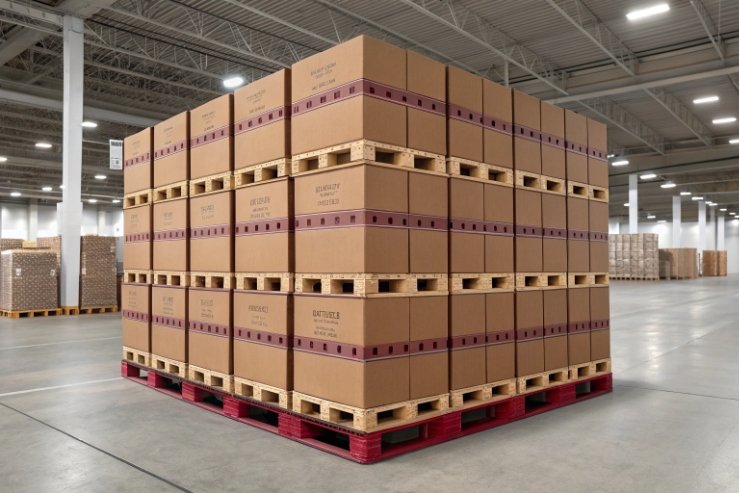
Cullet is a cost and carbon lever
Cullet is not only “recycled content.” It is a production efficiency tool. More cullet usually means lower furnace energy per ton and lower emissions. This helps glass compete when brands and regulators pressure carbon reporting.
When buyers ask “how much does cullet actually matter,” it helps to reference glass cullet energy savings 4 because it links recycled content directly to furnace efficiency.
But cullet supply has constraints:
- collection rates vary by country and by system design
- contamination and mixed colors reduce remelt value
- long transport of cullet can erase part of the savings
So demand for glass can rise when cullet quality improves, and it can stall when cullet supply is uncertain.
Energy costs hit glass harder than many people expect
Container glass furnaces are continuous operations. When gas or electricity costs rise, producers cannot simply pause and wait. That makes energy a major driver of glass price, especially in regions that face volatile energy markets.
This sensitivity shows up in basic industry energy profiles, because glass manufacturing relies heavily on high-temperature furnaces 5 and those furnaces run as long-lived, high-load assets.
This is one reason some glass markets become “tight” quickly. Producers protect margins, and buyers feel the increase. If a buyer sells a commodity beverage with thin margins, they may switch packaging. If a buyer sells premium spirits, they may accept the increase.
Freight rates change the delivered-cost equation
Freight is the amplifier. Glass is heavier than plastic and often heavier than cans for the same fill volume. So when freight rates rise, the delivered cost of glass rises more sharply.
When freight rates fall, glass becomes easier to defend, especially for longer routes and exports. This is why demand can swing with logistics cycles even when consumer preference stays the same.
Price elasticity is different by category
Elasticity is not one number. It depends on what glass is doing for the product:
- Commodity water, value beverages: high elasticity, easy to switch formats
- Beer and mainstream beverages: medium elasticity, depends on line assets and returnables
- Premium spirits, wine, cosmetics: lower elasticity, glass is part of the brand
| Driver | What it impacts first | Who feels it most | Typical demand response |
|---|---|---|---|
| Cullet quality and supply | production cost + carbon | glass makers, large buyers | more cullet = stronger glass competitiveness |
| Energy prices | furnace cost | all container glass | high energy = higher prices, some switching |
| Freight rates | delivered cost | exporters, heavy formats | high freight = lightweighting or format change |
| Asset lock-in | switching cost | big bottlers | slower switching, more redesign |
Some products buy glass for function. Many products buy glass for meaning. That meaning can be “safe,” “authentic,” “premium,” or “responsible.”
Premiumization supports glass because glass signals quality, heritage, and trust. Sustainability narratives can also support glass because glass is recyclable and reusable, but the story must match local recycling reality and carbon performance, so lightweighting and recycled content become key tools.
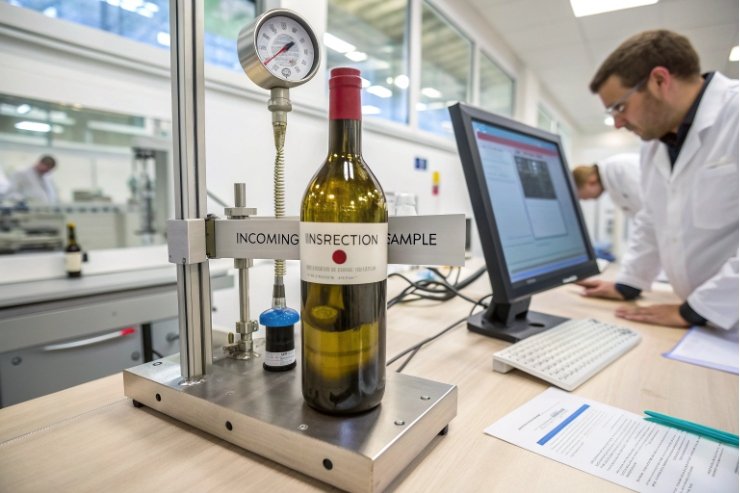
Premiumization keeps glass strong even when costs rise
Premiumization is a market buffer. When consumers trade up, brands have more room to spend on packaging. Glass provides:
- tactile quality and a “real” feel
- strong shelf presence
- design freedom (embossing, color, decoration)
- barrier confidence for aroma and taste
This is why premium spirits, sauces, and cosmetics often stay loyal to glass even under cost pressure. In those segments, glass is not a container. It is a brand asset.
Sustainability narratives are powerful, but they must be specific
Many buyers want a simple message: “glass is sustainable.” That message works only when it is backed by local systems and honest design choices.
The strongest sustainability story for glass usually includes:
- high recycled content where feasible
- designs that recycle cleanly (labels, inks, closures that do not contaminate)
- lightweighting that reduces transport emissions
- reuse models where return logistics are realistic
This is also where deposit systems and EPR interact with storytelling. If a region has strong collection, the story is easy. If collection is weak, the story must be careful and factual.
When the narrative shifts the format decision
A brand may choose:
- lightweight glass to keep premium cues but reduce carbon
- returnable glass where deposit and reuse loops are strong
- cans for convenience-driven RTD where the sustainability message is tied to portability and recycling
- hybrid portfolios where glass is used for flagship SKUs and lighter formats for volume SKUs
This is why market demand for glass can grow even while some subcategories migrate to cans or PET. Demand is not uniform. It moves toward the segments where glass adds both function and meaning.
| Narrative | What consumers hear | What buyers must prove | Where glass wins |
|---|---|---|---|
| Premium | “This is high quality.” | consistent design + finish quality | spirits, gourmet food, beauty |
| Safety/inertness | “This is clean and stable.” | food-contact compliance, no odor carryover | sauces, baby, pharma-adjacent |
| Sustainability | “This fits my values.” | real recycling, recycled content, lightweighting | markets with strong collection systems |
| Authenticity | “This is the real thing.” | heritage cues + product visibility | traditional beverages, condiments |
Conclusion
Glass bottle demand moves with policy, channels, and cost inputs. Premium value and credible sustainability stories then decide where glass grows, and where brands switch formats.
Footnotes
-
UK policy example showing how EPR modulated fees can change packaging cost incentives. ↩ ↩
-
Clear definition of deposit return schemes and why they improve collection and reduce contamination. ↩ ↩
-
2025 market update explaining how RTD/RTS growth reshapes format choices across channels. ↩ ↩
-
Shows how higher cullet content reduces furnace energy and supports competitiveness and carbon claims. ↩ ↩
-
Explains why glass production is energy-intensive due to furnace heating and continuous operation. ↩ ↩






