
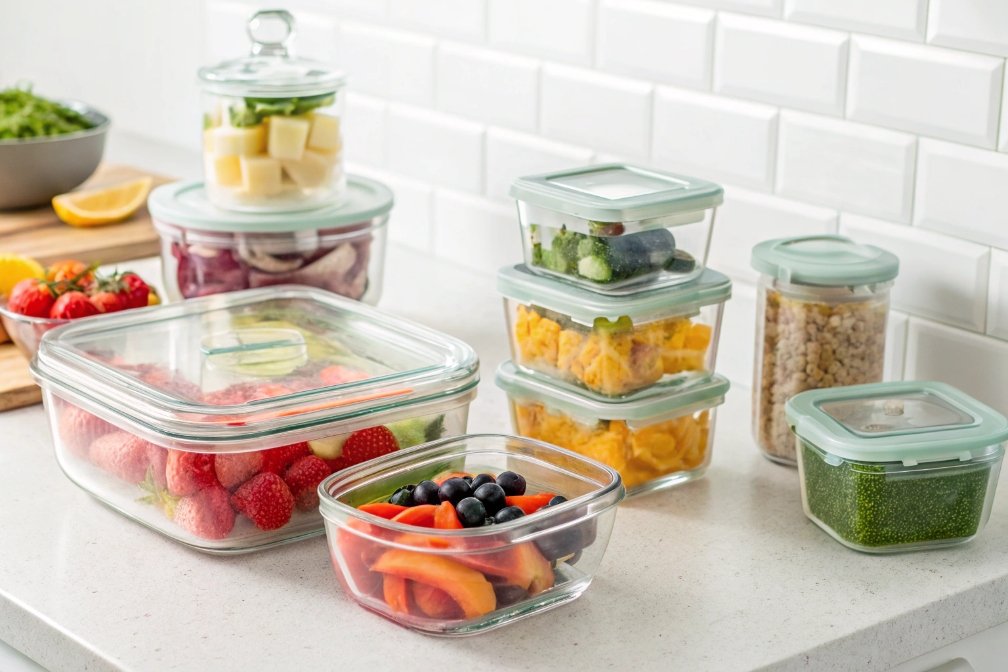
Leaky plastic boxes, orange-stained lids, and strange fridge smells make home cooking feel less safe and less appetizing.
Glass food containers are inert, non-porous, and heat tolerant, so they protect flavor, block stains and odors, work in oven, microwave, freezer, and dishwasher, seal tightly with the right lids, and stay durable and recyclable for many years.
Glass storage changes the whole rhythm of a kitchen. Food looks fresher, tastes cleaner, and moves more easily from prep to table to fridge and back again. Below, let us walk through stains and odors, fridge-to-oven safety, leakproof lids, and dishwasher rules in a simple, practical way.
Do glass containers resist stains and odors better than plastic?
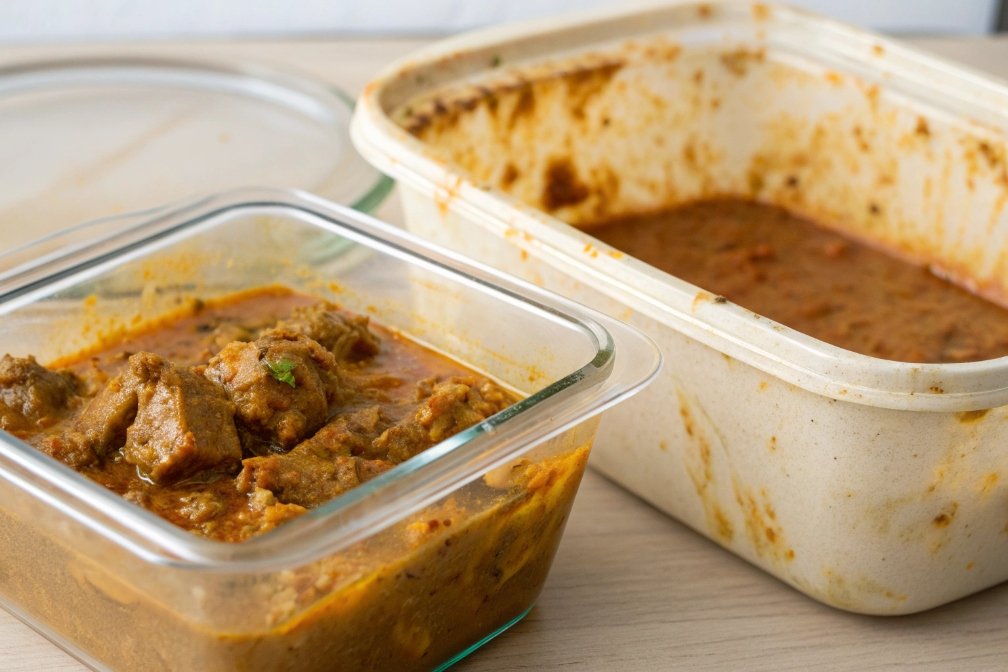
Tomato sauce, curry, and kimchi can turn clear plastic cloudy, red, and smelly, even after scrubbing and soaking. That is not only ugly, it also makes leftovers less appealing.
Glass resists stains and odors much better than plastic because it is non-porous and chemically inert, so it does not absorb pigments, grease, or smells, and it cleans back to “like new” with normal washing or occasional deep sanitizing.
Why glass stays neutral and easy to clean
Glass is a non-porous material. Its surface does not have tiny pores for fat, pigments, or flavor molecules to hide in—one reason glass is nonporous and impermeable 1. That is why tomato sauce, turmeric, coffee, garlic, and onions rinse away so cleanly. They sit on the surface of the glass instead of soaking into it.
This also means a scrub brush, hot water, and a small amount of detergent can reach everything that touches the glass. When needed, boiling water, steam, or a hot dishwasher cycle can sanitize the surface without damaging it. Glass also tolerates mild abrasives and scrub pads much better than soft plastics, because glass is hard and scratch resistant.
Plastic behaves in a different way. Many food-grade plastics are slightly porous. Over time they scratch, cloud, and develop micro-cracks. Those rough spots trap stains and odors. Even if the container looks clean, some residue stays behind and slowly changes the smell of new food. Oils from curry, chili, and dressings are especially sticky, so they build up layer by layer.
There is another health angle. Glass is inert and does not leach chemicals into food, even when reheated or used with acidic dishes. With plastic, heat and age can raise practical concerns, and even the FDA notes that some plastic containers should not be used in a microwave oven 2.
One more detail many people notice at home: glass does not hold onto “dishwasher smell” the way plastic does. After a hot drying cycle, plastic often smells like heated detergent or machine interior. Glass comes out smelling like nothing. That neutral smell keeps flavors clean, especially for subtle foods like yogurt, fruit, and herbs.
| Feature | Glass container body | Plastic container body |
|---|---|---|
| Porosity | Non-porous, smooth | Slightly porous, roughens over time |
| Odor retention | Very low | High, especially with strong foods |
| Stain risk | Low, even with tomato or curry | High; red, yellow, and oily stains common |
| Effect of scratches | Mostly cosmetic | Traps residues and smells |
| Deep cleaning options | Boiling, steam, hot dishwasher cycles | Heat and harsh cleaning can damage material |
Can glass containers move safely from fridge to microwave or oven?
Busy days often mean cooking once and reheating many times. Nobody wants to dirty extra dishes just to move leftovers into oven-safe pans or microwave bowls.
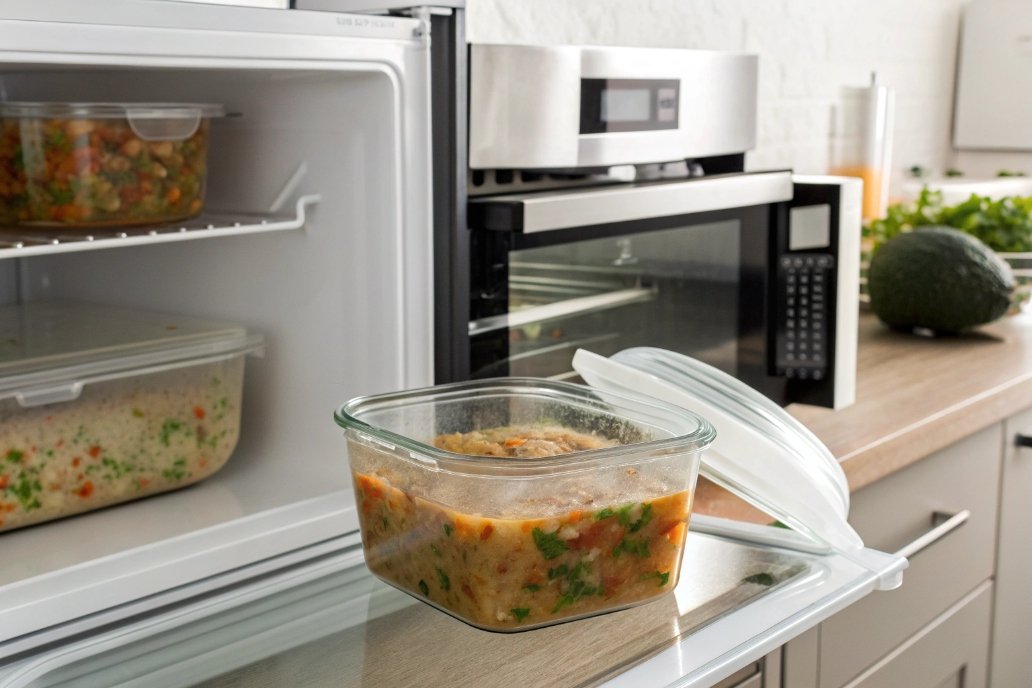
Most modern glass containers can go from fridge to microwave and often into the oven, as long as they are labeled for that use, lids are removed, and you avoid sudden extreme temperature shocks like freezer to hot oven.
How to use glass safely across temperature changes
Glass handles heat very well, but it does not like sudden shocks. The key is to understand both the glass type and the way you move it between temperature zones.
Many food containers use tempered soda-lime glass. Some higher-end lines use borosilicate glass, which tolerates thermal shock even better. Both can work in microwaves and ovens when the manufacturer says so. If you have ever wondered why some dishes crack when moved too fast, this breakdown of the difference between borosilicate and tempered soda-lime “Pyrex” 3 is a useful mental model.
There are a few simple rules that keep glass safe:
- Do not move glass straight from freezer to a preheated oven or under a broiler. Let it sit at room temperature for a short time, or start in a cold oven so the glass warms with the oven.
- Do not place hot glass on a cold, wet, or metal surface. Use a dry towel, wooden board, or silicone trivet.
- Always remove plastic or bamboo lids before high heat. Many lids are only safe up to warm dishwasher temperatures, not oven temperatures.
- Leave some headspace with liquids. Soups and sauces expand when heated or frozen. Extra space reduces stress on the glass walls.
Microwave use is usually simpler. Since microwaves heat food more than the glass itself, sudden thermal shock is less common. Still, avoid pouring icy liquid into a hot glass container, or putting very cold glass onto very hot surfaces.
For dishwashers, most tempered and borosilicate glass is safe on any rack. The real weak spots are plastic lids and silicone gaskets, which may be top-rack-only or prefer gentle cycles to avoid warping. Checking the symbols on the base and on the lid once can prevent many small failures later.
| Use case | Safe with labeled oven-/microwave-safe glass? | Notes |
|---|---|---|
| Fridge → Microwave | Yes | Remove lid, allow venting, use normal power settings |
| Fridge → Preheated oven | Usually, with care | Avoid extreme shock; do not use under broiler |
| Freezer → Microwave | Sometimes, but risky | Thaw briefly first or use low power to start |
| Freezer → Hot oven | Not recommended | High risk of thermal shock |
| Oven → Countertop | Yes, with trivet | Avoid cold stone or wet surfaces |
| Dishwasher (glass base) | Yes | Most are safe in standard cycles |
| Dishwasher (lids and gaskets) | Check label | Many are top-rack-only or prefer cooler cycles |
Which shapes and gasketed lids prevent leaks on the go?
Taking soup to the office or sauce in a backpack can feel risky. One bad spill in a laptop bag or delivery box is enough to make anyone wary of liquid meals.
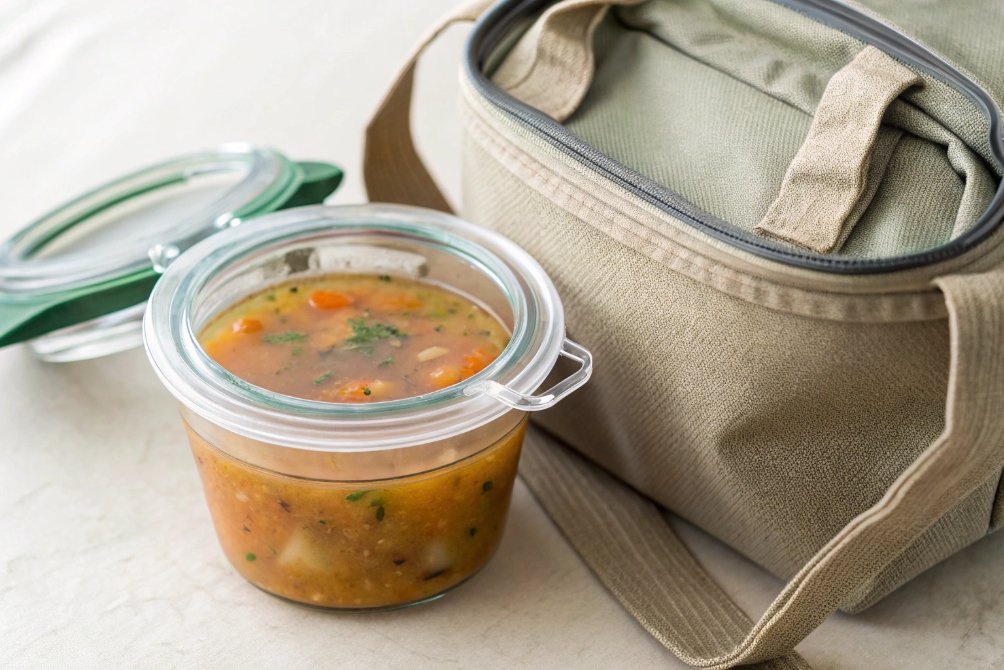
Leakproof performance depends more on lid design and gasket quality than on the glass body, so look for silicone-gasket lids with strong clips or threaded caps, matched to stable, straight-sided container shapes.
Matching shapes, lids, and gaskets to your daily routine
The glass part of a container almost never leaks. Leaks come from the interface between the rim and the lid. So the first thing to study is the lid system.
Many modern glass containers use a plastic lid with a silicone gasket and snap-down clips on two or four sides. When the gasket is well-fitted, this design is excellent for soups, curries, and sauces. The silicone compresses against the smooth glass rim, creating an airtight and liquid-tight seal—exactly what good reviews tend to reward when testing leakproof lid-and-gasket container sets 4. This also helps food stay fresher by slowing down oxidation and moisture loss.
Screw-top lids are another strong option, especially on jars and bottles. Standard Mason jar threads are very reliable and work with many accessory lids, such as fermentation airlocks, pour spouts, or vacuum-seal systems. With a good lid liner, they handle dressings, oils, and carbonated ferments with minimal mess.
Container shape also matters. Straight-sided shapes stack well and give even pressure on the gasket. Rounded rectangle dishes are good for lunches because they fit neatly in bags and fridges. Tall, narrow jars suit beverages or layered salads but may be less stable in a moving backpack. Wide-mouth jars are easier to fill, clean, and eat from with a spoon.
There are a few practical details to keep in mind:
- A clean gasket seals better. Crumbs or oil on the rim can break the seal and cause slow leaks.
- Overfilling liquids to the brim is risky. Leave a small air gap, especially for hot foods that will expand.
- Cheap lids sometimes warp in the dishwasher. If a container starts leaking after many washes, often the lid is the problem, not the glass base.
For people who carry food daily, it helps to keep a small “tier list” in mind:
| Situation | Recommended shape | Lid type and gasket notes |
|---|---|---|
| Soups and stews | Deep rectangle or bowl | 4-clip plastic lid with silicone gasket |
| Sauces and dressings | Small wide-mouth jar | Screw-top lid with gasket or liner |
| Salads and grain bowls | Wide, shallow container | Clip lid or threaded lid; headspace for tossing |
| Carbonated ferments | Mason jar | Special airlock lid or loose lid for burping |
| Snacks and dry foods | Any stackable shape | Simple lid, gasket optional |
| Travel in laptop bag | Low, stable rectangle | Strong clips plus intact silicone gasket |
Are dishwasher-safe ratings consistent across glass types?
“Dishwasher safe” sounds clear, but packaging symbols and real-world experience do not always match. Some glasses sparkle for years, while others chip, etch, or lose their printed designs.
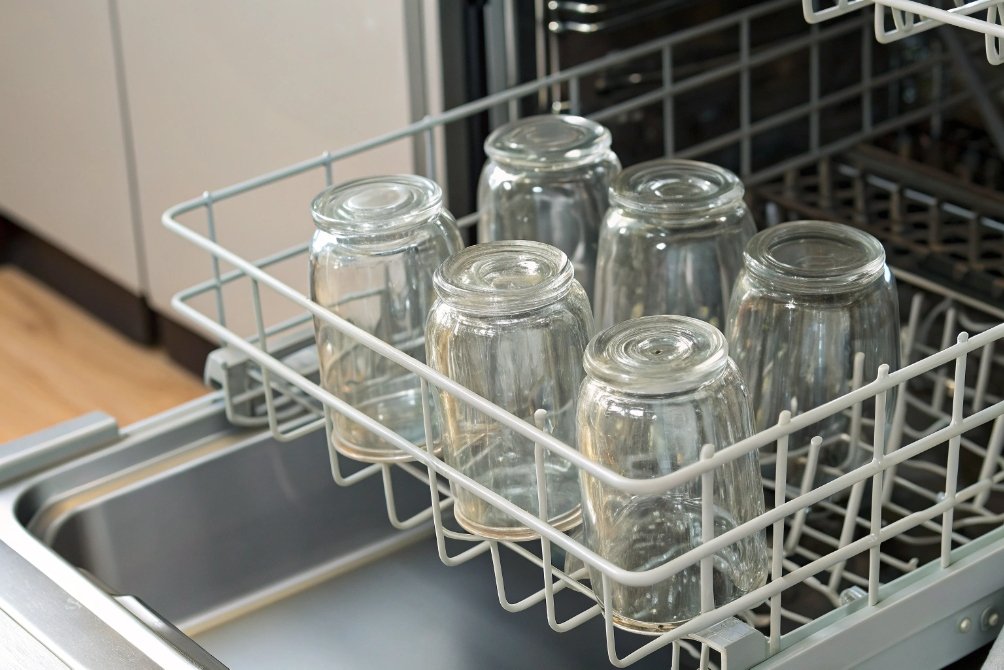
Most food-grade glasses handle dishwashers well, but dishwasher-safe ratings are conservative and mainly protect against damage to decorations, lids, and gaskets, so practices should adapt to glass type and any surface printing.
How different glasses behave in real kitchen washing
From a chemistry point of view, plain food glass is very stable in a dishwasher. Hot water, alkaline detergents, and normal mechanical action do not easily damage it. The real issues are usually physical chipping and the durability of any decoration, coating, or add-on parts.
Most food containers use tempered soda-lime glass. It is tough and resists impact better than non-tempered glass, but if a chip does form it can spread quickly. Loading the dishwasher so that glass pieces do not touch or rattle hard against metal racks prevents many problems.
Borosilicate glass also handles dishwashers very well. It is even more resistant to thermal stress, so frequent hot cycles are not a concern. High-quality coffee, tea, and lab-inspired containers often use this glass because it tolerates heat and sudden temperature changes.
Where things get tricky is with coatings and printing. Frosted finishes, sprayed colors, metallic logos, gold rims, and decals may fade or peel with strong detergents and high heat. Many makers still mark the whole product “dishwasher safe,” but they recommend the top rack or gentle cycles. In practice, if a container looks decorative or luxury, hand washing the exterior or using mild cycles will keep it attractive longer.
Lids and gaskets have their own rules. Plastic lids can warp if they sit near the heating element. Silicone gaskets usually tolerate dishwashers, but they may pick up odors from strong foods and detergents. Removing the gasket occasionally for a deeper clean keeps seals fresh and hygienic.
The table below sums up how to read those tiny symbols in a more practical way:
| Component / glass type | Typical label | Practical care tip |
|---|---|---|
| Tempered soda-lime glass base | Dishwasher safe | Any rack; avoid hard contact and overcrowding |
| Borosilicate glass base | Dishwasher safe | Very robust; safe on normal and eco cycles |
| Amber / colored glass base | Dishwasher safe | Color is in-glass; safe, even on hot cycles |
| Sprayed / frosted / coated glass | Usually dishwasher safe | Prefer top rack and mild detergent to reduce fading |
| Printed or metallic decorations | Top-rack recommended | Gentle cycles or hand wash to protect logos and gold rims |
| Plastic lids | Top-rack dishwasher safe | Avoid high-heat dry cycles; reshape while warm if warped |
| Silicone gaskets | Dishwasher safe | Remove sometimes to clean grooves and reduce trapped odors |
In daily use, “dishwasher safe” is less about basic glass safety and more about beauty and accessories. The glass itself usually lasts for years. Understanding how the other parts behave allows long-term use without surprise damage.
Conclusion
Glass food containers keep kitchens safer, cleaner, and calmer by protecting taste, surviving daily reheating and washing, and cutting plastic waste while still working smoothly with modern leakproof lids and accessories. If you want a container that supports long-term reuse and end-of-life recovery, glass recycling and closed-loop reuse potential 5 are also strong reasons to choose glass.
Footnotes
-
Explains why glass doesn’t absorb stains/odors and helps preserve flavor neutrality in storage. ↩ ↩
-
FDA guidance on microwave container use, including why some plastics can melt or fail under heat. ↩ ↩
-
Clarifies glass types and why sudden temperature changes can crack some “oven-safe” dishes. ↩ ↩
-
Real-world testing notes what makes gasketed lids truly leak resistant in daily use. ↩ ↩
-
Summarizes why glass is highly recyclable and how it can re-enter bottle/container loops. ↩ ↩






