
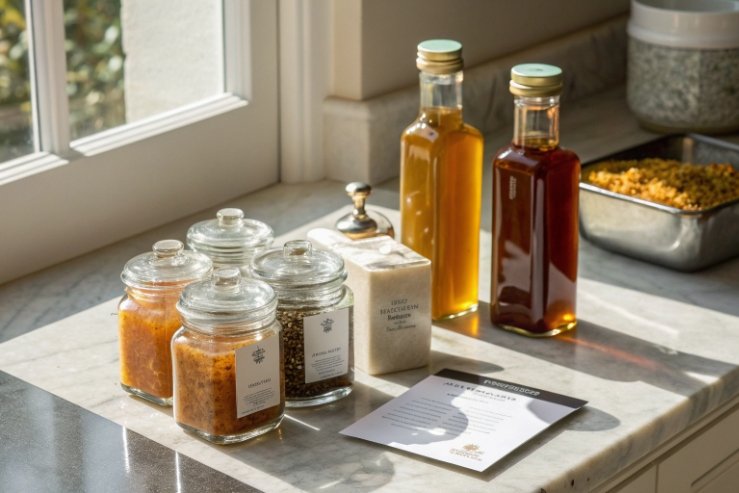
Food can taste “off” even when the recipe is perfect. A container that holds odors, lets oxygen in, or warps under heat can quietly ruin months of work.
Glass packaging protects flavor, blocks odor transfer, handles hot-fill and sterilization well, and supports recycling and reuse. With the right closure, it can keep food airtight for long shelf life.
Many packaging debates focus on unit price. But food brands win or lose on taste stability, shelf life, and consumer trust. Glass stays popular because it solves these problems in a direct, proven way, especially for premium, acidic, oily, or aroma-sensitive foods.
Does glass preserve flavor and resist odor transfer?
A great sauce can pick up a “plastic note.” A spice paste can lose top aroma. Then customers blame the brand, not the container.
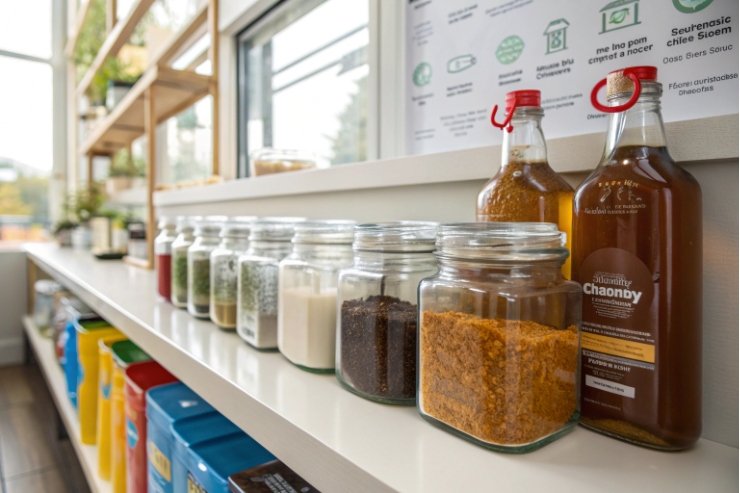
Glass is non-porous and highly inert, so it does not absorb or release odors and it does not pass flavors through the wall. This helps preserve the original taste and aroma.
Why glass protects sensory quality
Glass is non-porous and impermeable 1 in normal food packaging use, so odors do not soak into the container wall. It is also a strong barrier to gases and vapors, so outside smells are far less likely to migrate into the food. This matters for foods stored near detergents, spices, or mixed products in retail and kitchens.
Plastics can be excellent for many foods, but they can allow aroma permeation over time. Some plastics can also scalp flavor compounds 2, which means the container slowly pulls aroma molecules out of the product. This can dull the taste, especially for delicate items like infused oils, herbs, and high-aroma sauces.
Where glass shines the most
Glass is often the safest choice when the food is:
- strongly aromatic (coffee syrups, spice blends, chili oils)
- acidic (pickles, tomato sauces, vinegar-based products)
- oily or solvent-like (dressings, extracts, essential-flavor concentrates)
- sensitive to oxygen pickup (pestos, nut butters, fermented products)
What to watch even with glass
Glass is not a magic shield if the closure leaks or if headspace oxygen is high. Flavor stability still depends on:
- an airtight seal
- proper hot-fill or vacuum setting when used
- good oxygen management in the filling process
| Food type | Main risk | Why glass helps | Extra step that matters |
|---|---|---|---|
| Chili oil / infused oil | aroma loss, odor pickup | low odor transfer | tight liner, low headspace |
| Pickles / vinegar foods | acid interaction | inert wall | corrosion-safe cap lacquer |
| Spice paste / curry | strong aroma | no wall absorption | seal integrity + clean rim |
| Jam / honey | oxidation over time | strong barrier | proper vacuum closure |
How do heat-process and sterilization options compare?
Heat processing can make or break a package choice. If a container softens, panels, or leaks under heat, the product fails even when the recipe is safe.
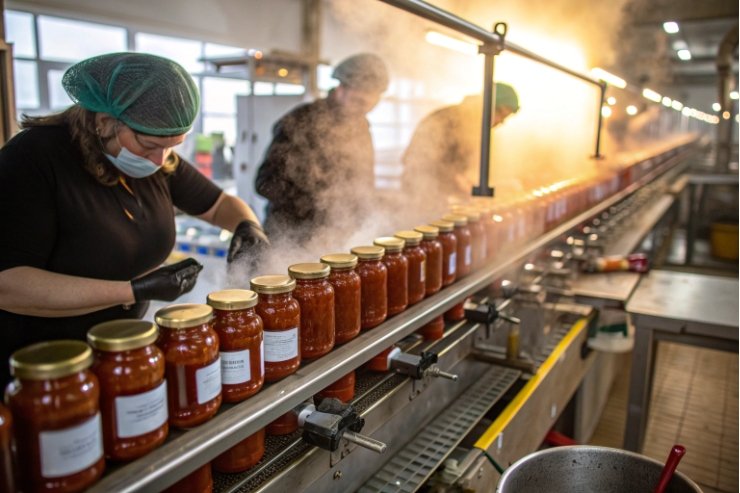
Glass handles hot-fill, pasteurization, and many sterilization routines without warping. It stays rigid and stable, but it needs correct thermal-shock design and controlled heating and cooling.
Heat processes glass supports well
Glass is rigid at food processing temperatures used for hot-fill and many pasteurization programs. That means the container keeps its shape, the label panel stays flat, and the closure finish stays stable. For many sauces, juices, and prepared foods, this is a major advantage.
Typical heat-process options where glass is common:
- Hot-fill: filled hot, capped, then cooled under control (see the hot-fill hold method 3)
- Pasteurization: lower temperature holding steps, often in water sprays or tunnels
- Retort / sterilization: higher temperature and pressure programs for shelf-stable foods (requires a jar designed for it)
The key risk: thermal shock
Glass can crack if the temperature change is too fast. This is not about “glass is weak.” It is about temperature gradients. A cold jar hit with very hot product can crack. A hot jar set on a cold wet surface can crack. Retort programs manage this because thermal shock can break glass containers 4. So the process must control:
- container preheat (when needed)
- fill temperature ramps
- cooling steps and dwell time
- handling after heat
How glass compares with plastic under heat
Plastic packaging can work well for some hot-fill products with the right resin and design. But plastics can deform, and oxygen barriers often require multilayers. Glass stays stable and does not need a barrier layer to block oxygen and aroma.
| Process | Typical package stress | Glass performance | Common plastic challenge |
|---|---|---|---|
| Hot-fill | heat + vacuum on cooling | rigid, stable | paneling, shape change |
| Pasteurization | warm water + handling | stable | label and shape sensitivity |
| Retort / sterilization | high heat + pressure | possible with proper jar | resin limits, barrier needs |
| Cold-chain only | condensation cycles | stable | label moisture issues |
Are jars more recyclable and reusable than plastic?
Sustainability claims can be vague. So it helps to separate two ideas: recycling quality and reuse practicality.
Glass is widely recyclable and can be recycled repeatedly without the same kind of material downcycling. Glass jars are also easy to wash and reuse, although transport weight and breakage must be managed.
Recycling: what “better” usually means in practice
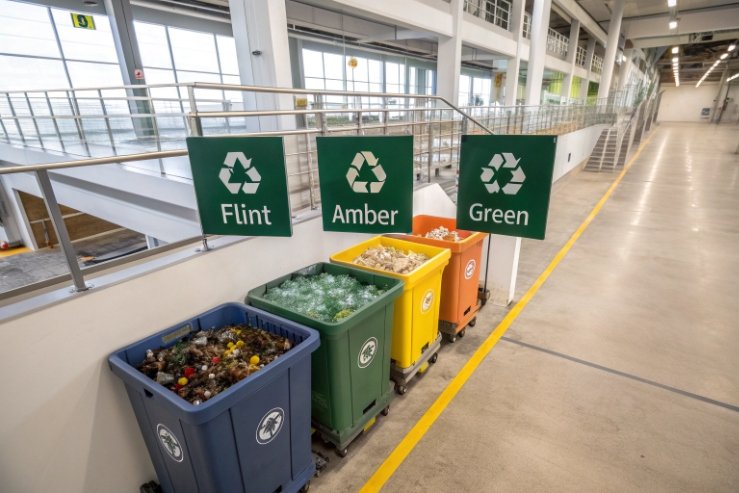
Glass recycling works best in a closed loop where clean cullet 5 returns to container furnaces. The recycled glass becomes new glass with stable performance. That supports high recycled content programs when the color stream is managed.
Plastics can also be recycled, but many plastic streams are more sensitive to contamination and polymer mixing. Recycled plastics often face performance limits for food contact and can require extra steps and approvals. In many markets, plastic recycling also leads to downcycling into lower-grade applications.
Glass still has real constraints:
- it is heavier to transport
- it can break if packaging design is weak
- recycling depends on local collection and sorting
So the better question is not “which is perfect,” but “which fits the brand system.” For a local or regional food brand with stable distribution, returnable or refill glass can be very strong.
Reuse: the simple advantage
Glass is smooth and non-porous, so it can be washed and sanitized more reliably than many plastics for repeated use. That is why refill programs often prefer glass for:
- sauces and condiments
- honey and spreads
- dry foods and pantry items
Reuse only works when the system is designed for it:
- a deposit or return incentive
- standardized jar shapes
- durable closures or easy closure replacement
- wash validation and inspection rules
Why “infinitely recyclable” matters
Glass is often described as infinitely recyclable 6 because it can be recycled again and again without the same kind of quality loss typical of many materials.
| Goal | Glass advantage | What must be designed | Common mistake |
|---|---|---|---|
| Higher PCR content | stable recycled loop | color control, cullet supply | mixing color streams |
| Refill/return | easy wash, stable shape | standardization + inspection | too many SKUs and shapes |
| Premium shelf look | clarity and weight cues | scuff control + packing | weak dividers and rub marks |
| Lower waste | reuse cycles | closure replacement plan | reusing worn liners |
Which closures maintain long-term airtight seals?
A jar is only as good as its closure system. Most shelf-life failures come from oxygen ingress, slow leaks, or seal damage from poor handling.
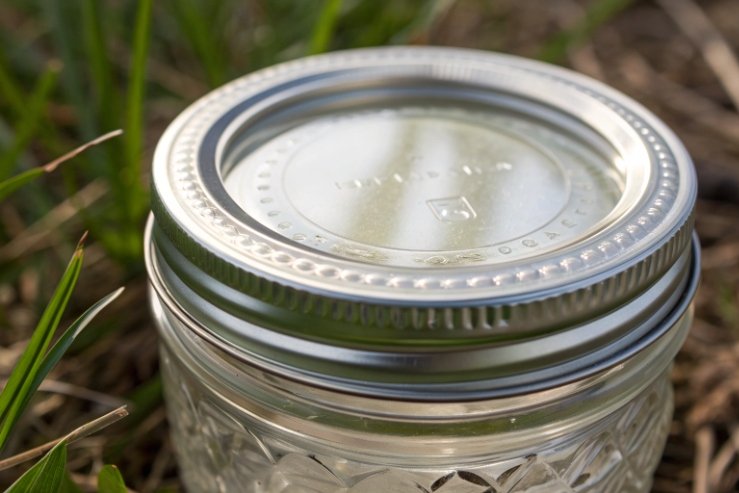
Long-term airtight sealing usually comes from metal closures with proven liner compounds, strong torque control, and clean sealing surfaces. Lug (twist-off) caps with plastisol-type liners and continuous-thread caps with suitable liners are common choices for food jars.
Closure systems that work well for food
For jars, the common closure families are:
- Twist-off (lug) caps: often used for hot-fill and vacuum applications
- Continuous thread (CT) caps: common for dry foods, powders, and some sauces
- Two-piece canning lids: used in home canning and some specialty programs
- Crown caps: more common for beverages than jars
The seal is not only the metal shell. The liner compound matters most. A good liner compresses to fill micro-gaps, survives heat, and stays elastic over time. In hot-fill and vacuum applications, plastisol-type liners 7 are commonly used to help maintain an airtight seal.
Liner selection: match it to the food
Different foods stress liners differently:
- Oils can swell some materials.
- Acids can attack poor coatings or compounds.
- Heat processing can harden or distort weak liners.
That is why liner choice should match:
- product chemistry (acid, oil, salt)
- process (hot-fill, pasteurization, retort)
- shelf-life target and storage conditions
Torque, vacuum, and humidity controls that prevent lift and leaks
Even the best closure fails if application is sloppy. Airtight sealing depends on:
- clean rim and finish (no food on the sealing land)
- correct capping torque and thread engagement
- controlled cooling to set vacuum when used
- avoiding overtightening that damages liners or glass finishes
High humidity can also affect labels and corrosion if caps are not coated correctly. For long storage, cap lacquer and corrosion resistance matter as much as torque.
| Closure type | Best use | Airtight strength | Key control point |
|---|---|---|---|
| Lug cap + vacuum | hot-fill sauces, jams | very strong | clean rim + correct cooling |
| CT cap + liner | dry foods, powders | strong | torque consistency |
| Two-piece lid | specialty/canning | strong when processed | process discipline |
| Crown cap | beverages | strong | proper crimp and liner |
Conclusion
Glass food packaging protects flavor, supports heat processing, and enables strong recycling and reuse paths. Pair it with the right liner and torque control, and it can deliver long-term airtight shelf stability.
Footnotes
-
Explains why glass doesn’t absorb odors or let flavors permeate through the container wall. ↩ ↩
-
Describes “flavor scalping” and why some packages can reduce aroma intensity over time. ↩ ↩
-
Practical hot-fill guidance, including container needs and sealing basics for shelf-stable acidic foods. ↩ ↩
-
Notes retort handling limits and how thermal shock can break glass jars during processing. ↩ ↩
-
Defines “cullet” and why clean recycled glass matters for closed-loop bottle-to-bottle recycling. ↩ ↩
-
Summary of why glass is considered infinitely recyclable, plus reuse/refill context. ↩ ↩
-
Explains plastisol liners and why they’re used to achieve airtight, tamper-evident seals on food jars. ↩ ↩






