
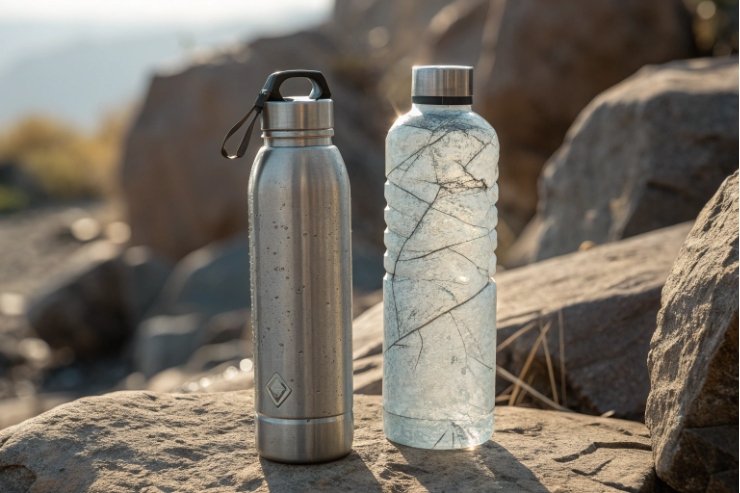
Choosing the right water bottle can be challenging. With so many materials available, it’s hard to decide what truly benefits you. Let’s explore the pros and cons of stainless steel versus plastic bottles.
Stainless steel water bottles have a clear edge over plastic when it comes to durability, health safety, and long-term cost-effectiveness. But how do they stack up in everyday use?
When you think about it, there’s more than just weight and cost when choosing between these two materials. It’s important to consider the long-term impact of your choice—on both your health and the environment. Let’s break it down further.
Durability: Which Material Lasts Longer?
How long will your bottle last before it cracks, leaks, or starts showing wear?
Stainless steel water bottles are well-known for their strength and long-lasting durability. Unlike plastic bottles, they won’t crack, break, or warp with regular use.
Stainless Steel: Tough and Long-Lasting
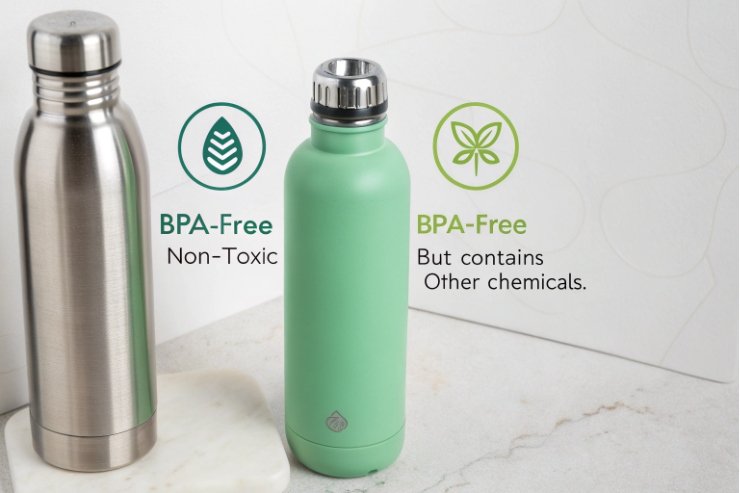
Stainless steel is built to last. Many reusable bottles use 18/8 (304) stainless steel 1, a common grade known for corrosion resistance and everyday durability. The material’s robust structure ensures it can withstand drops and rough handling over time. This makes stainless steel ideal for outdoor adventures, travel, or even daily commutes.
Plastic: More Fragile Than You Think
Plastic bottles, while lightweight, are much more prone to damage. Exposure to heat, pressure, and even rough use can cause plastic to warp, crack, or become discolored. Over time, these imperfections can affect the bottle’s functionality and look. Plus, the material can degrade faster, especially when exposed to UV light, leading to a potential risk of leaching chemicals.
| Material | Durability | Lifespan | Resistance to Damage |
|---|---|---|---|
| Stainless Steel | High | Long-lasting | Very resistant |
| Plastic | Low to Medium | Short to Medium | Easily damaged |
Health and Safety: Which Bottle is Safer?
Are there harmful chemicals in your bottle that could affect your health?
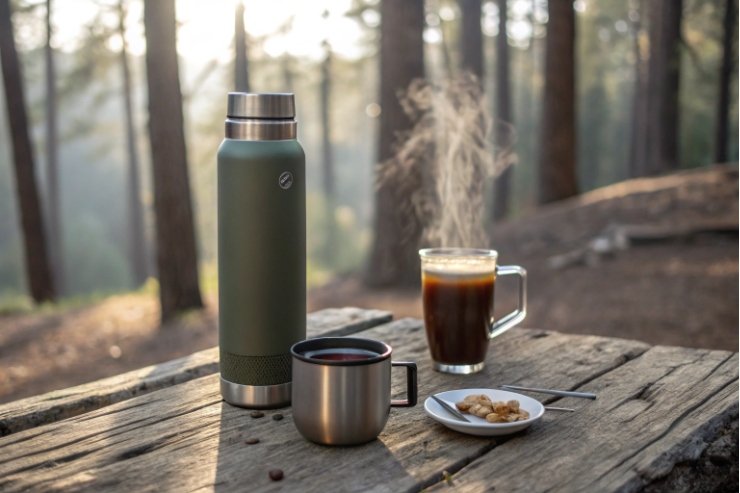
Stainless steel bottles are considered safer because they don’t leach chemicals like BPA or phthalates. Plastic bottles, however, can pose health risks, especially if they’re not BPA-free.
Stainless Steel: Chemical-Free and Non-Toxic
Stainless steel is non-reactive, meaning it won’t leach harmful substances into your water. This makes stainless steel a healthier choice for those looking to avoid potential chemical exposure, especially in hot liquids or over time—including concerns tied to bisphenol A (BPA) 2.
Plastic: Potential Chemical Risks
Plastic bottles, even those labeled as "BPA-free," may still contain other chemicals like phthalate plasticizers 3 or bisphenol S (BPS) 4, which can leach into beverages, particularly when exposed to heat. Research has also raised concerns about microplastics in drinking-water 5. Over time, these exposures can become an added worry for people trying to minimize contact with packaging-derived contaminants.
| Material | Risk of Chemical Leaching | BPA-Free Options |
|---|---|---|
| Stainless Steel | Very Low | Yes |
| Plastic | Moderate to High | Yes (but not always) |
Temperature Retention: Which Keeps Your Drink Hot or Cold?
Do you prefer your beverage to stay hot or cold for an extended period of time?
Stainless steel bottles, especially insulated ones, are far better at maintaining temperature than plastic bottles.
Stainless Steel: The Best for Temperature Control
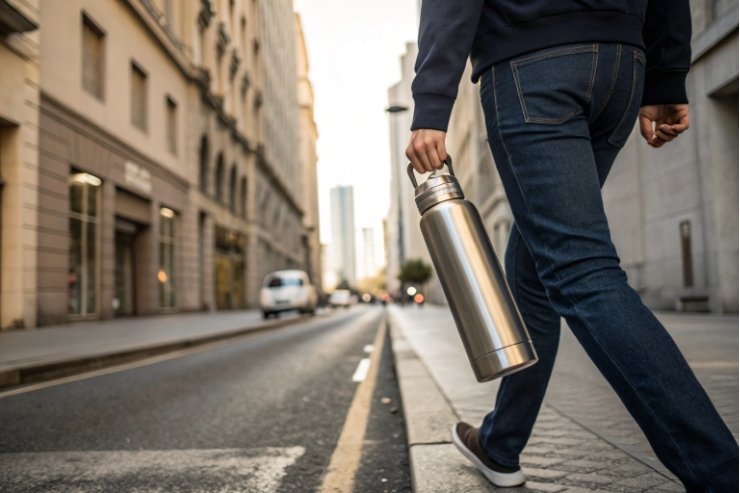
Insulated stainless steel bottles are designed to keep beverages hot for up to 12 hours and cold for as long as 24 hours. This is often achieved through double-wall vacuum insulation 6, which reduces heat transfer and helps drinks hold temperature for longer. Whether you’re hiking, commuting, or simply at work, your drink will stay at the perfect temperature throughout the day.
Plastic: No Temperature Control
Plastic bottles simply can’t compete in this area. They lack insulation and do not keep drinks cold or hot for an extended period. If you need temperature control for your beverages, plastic bottles will not offer the same benefits. Additionally, they often sweat, which can make carrying them uncomfortable.
| Material | Temperature Retention | Insulation Features |
|---|---|---|
| Stainless Steel | Excellent | Insulated Options |
| Plastic | Poor | No Insulation |
Weight and Portability: Which One is Easier to Carry?
How much weight can you handle when carrying your water bottle around?
Plastic bottles win when it comes to being lightweight and portable, but they may come with durability trade-offs.
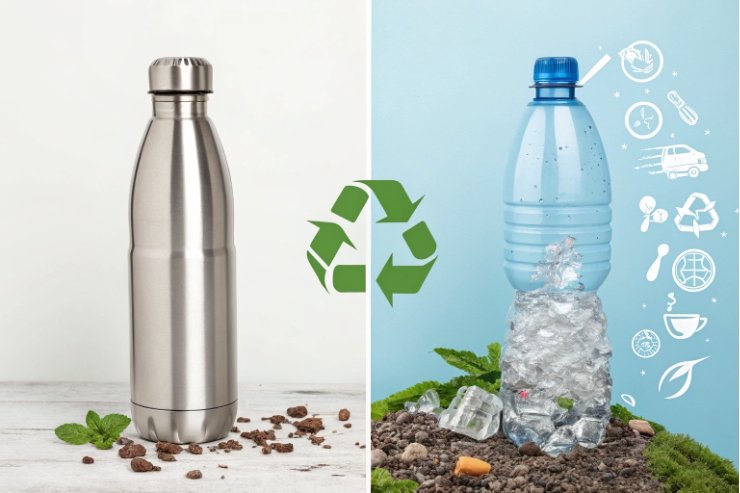
Stainless Steel: Heavier but Stronger
Stainless steel bottles tend to be heavier, especially if they are insulated. However, this weight is due to the high-quality material and durability of the bottle. For everyday use, the extra weight might not be an issue, but for activities like running or traveling, it can be a bit cumbersome.
Plastic: Perfect for On-the-Go
Plastic bottles are light and easy to carry, which is why they are a popular choice for kids, sports enthusiasts, and anyone who needs a bottle on the go. Their lightweight nature makes them less of a burden during long hikes, runs, or while simply carrying them throughout the day.
| Material | Weight | Best Use Case |
|---|---|---|
| Stainless Steel | Heavier | Daily use, outdoors |
| Plastic | Lightweight | Travel, kids, sports |
Environmental Impact: Which is Better for the Planet?
Which material leaves a smaller environmental footprint?
Stainless steel is much more eco-friendly, especially in the long run, because it’s recyclable and reusable.
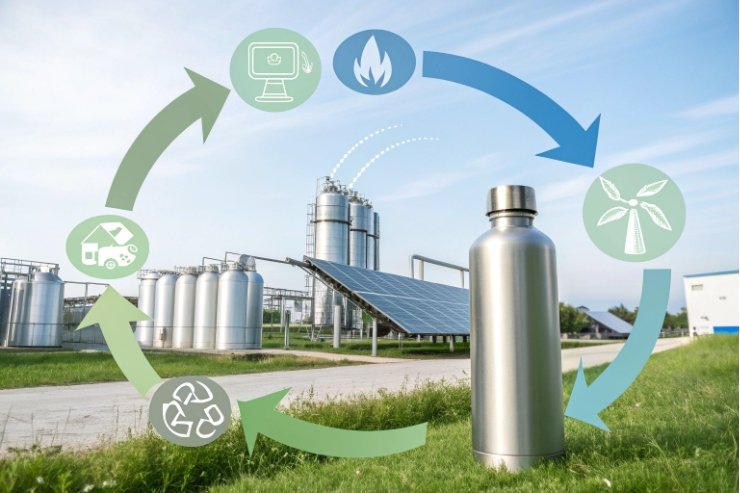
Stainless Steel: A Sustainable Choice
Stainless steel bottles are recyclable, meaning the metal can be recovered and made into new products. In circular design terms, the steel recycling loop 7 is a key reason steel performs well over repeated use cycles. While the production process for stainless steel can be more energy-intensive, its long lifespan and recyclability make it a more sustainable choice. If used frequently, stainless steel bottles help reduce the demand for single-use plastic bottles.
Plastic: Not So Sustainable
Plastic bottles are a major contributor to global pollution. While plastic can be recycled, many bottles end up in landfills or the ocean due to improper disposal. Even if a plastic bottle is recycled, the process is often inefficient, and the bottle may not be reused to its full potential.
| Material | Recycling Rate | Environmental Impact |
|---|---|---|
| Stainless Steel | High | Lower overall impact |
| Plastic | Low | Higher environmental impact |
Conclusion
In the battle of stainless steel versus plastic, stainless steel wins for durability, safety, and environmental benefits. However, plastic may be the better choice when weight and cost are crucial.
Footnotes
-
Specs and performance notes for 304 stainless steel used widely in durable consumer products. ↩ ↩
-
FDA overview explaining BPA’s uses in food-contact materials and how exposure is assessed. ↩ ↩
-
CDC reference on phthalates as plasticizers and why they can migrate out of products. ↩ ↩
-
NIH PubChem summary of bisphenol S (BPS) and why it is used as a BPA alternative. ↩ ↩
-
WHO report reviewing microplastics occurrence in drinking water and key evidence gaps. ↩ ↩
-
Britannica explanation of vacuum-flask insulation principles used in many insulated bottles. ↩ ↩
-
World Steel Association overview of circular economy and why steel is highly recoverable and reusable. ↩ ↩






