
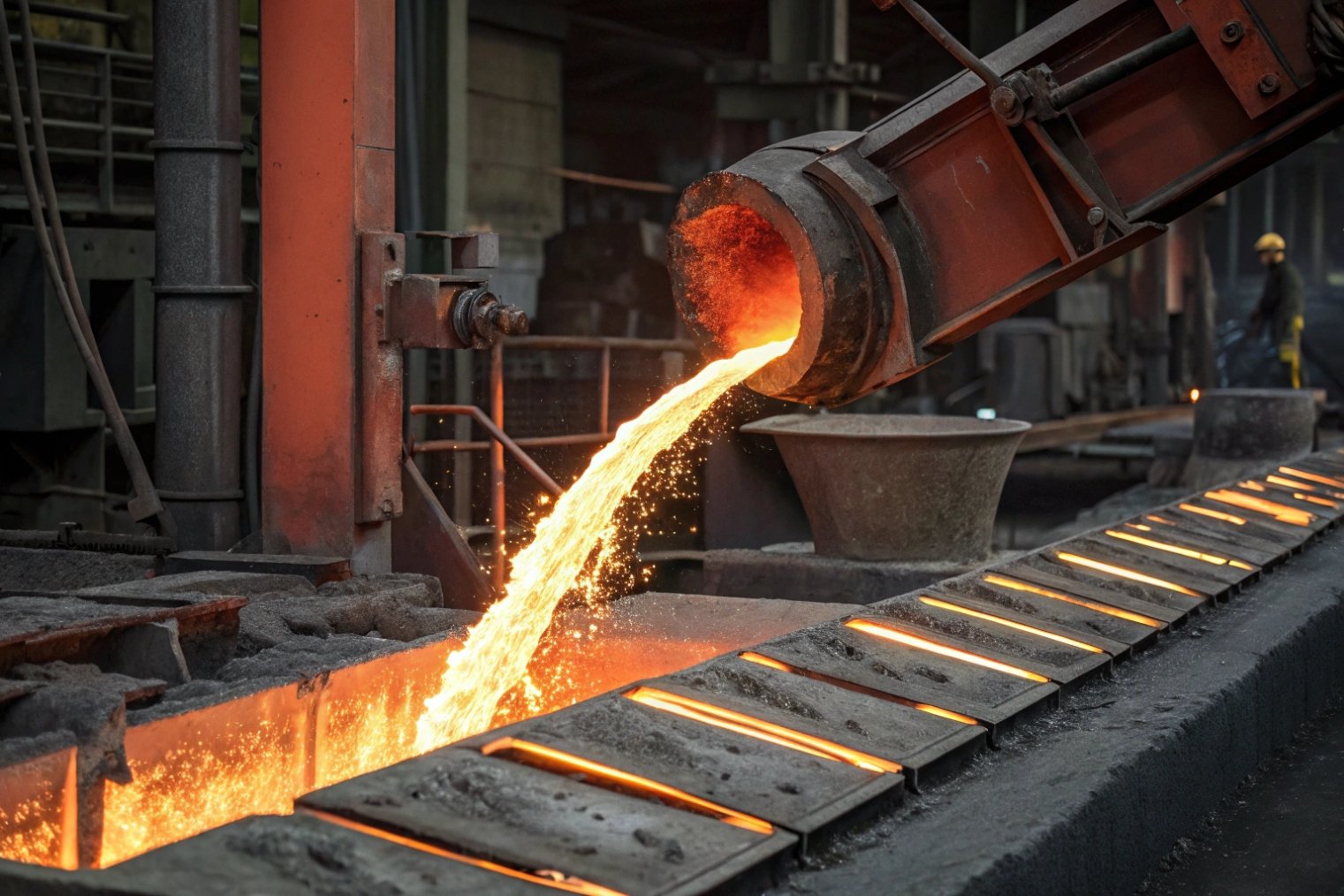
From the outside, glass looks simple and clean. Behind every piece of clear glassware, there is heat, chemistry, and many careful decisions in the factory.
Industrial glass starts as sand, soda ash, limestone, and cullet, then passes through melting, forming, annealing, and cold-end finishing before it becomes custom-colored, embossed, or coated glassware for real brands.

When we understand the flow from batch to finished piece, glass stops being a “black box.” It becomes a set of levers: composition, temperature, tooling, decoration, and sustainability choices we can tune for each project and customer.
Which raw materials and fluxes define clarity and strength?
Many buyers only ask for “high white” or “super flint,” but they do not see how a small change in sand purity or cullet mix can shift clarity and strength.
Clarity mainly comes from high-purity silica and low iron, while strength and melt behavior depend on the balance of fluxes like soda and stabilizers like lime, magnesia, and alumina.
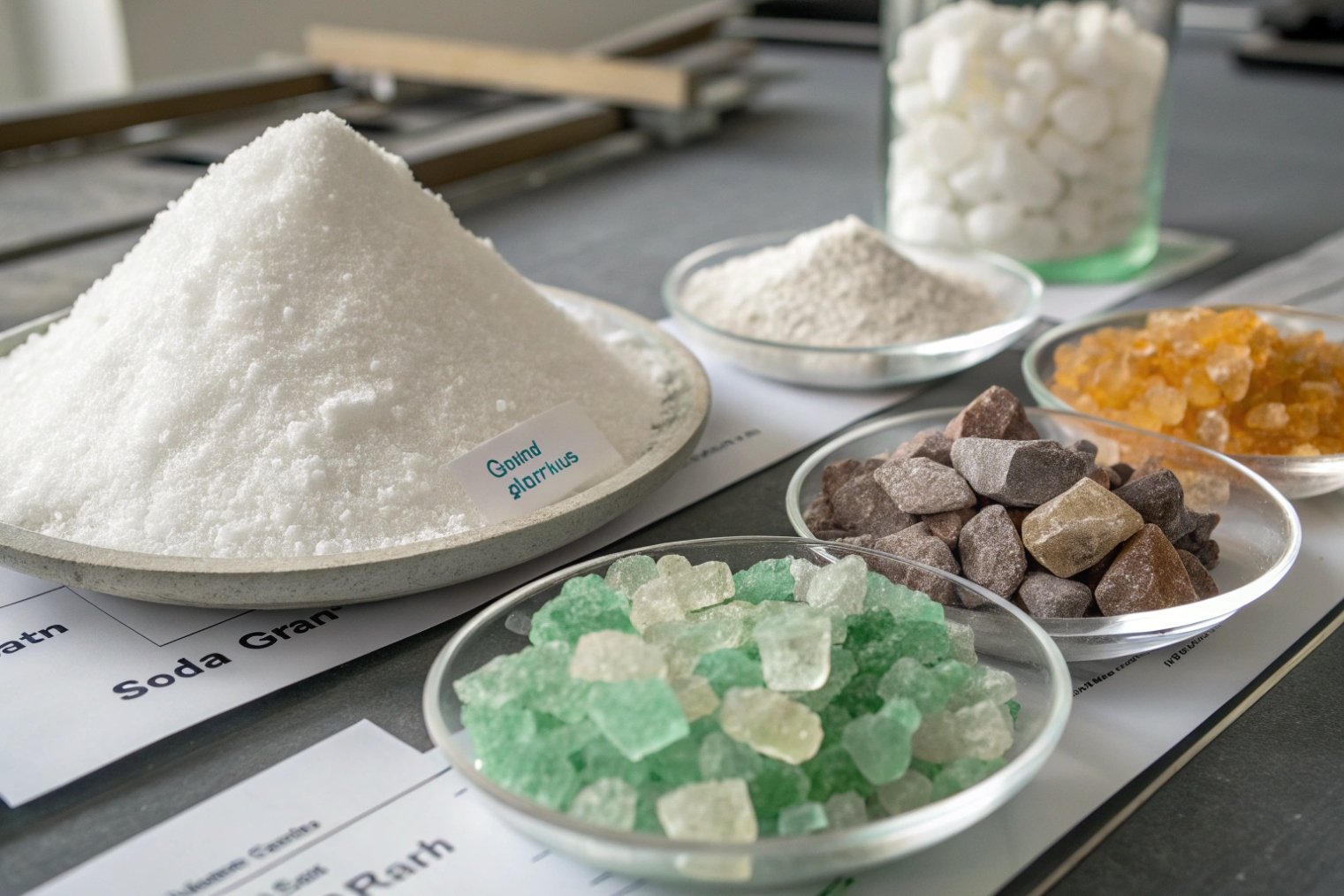
Core ingredients of soda-lime glass
Most packaging and tableware uses soda-lime glass 1{#fnref1}. The batch looks simple on paper:
| Component | Typical range (wt%) | Role in the glass |
|---|---|---|
| Silica (SiO₂) | ~70–74 | Main network former, controls clarity and hardness |
| Soda ash (Na₂CO₃) | ~12–15 | Flux, lowers melting temperature and viscosity |
| Lime / dolomite | ~8–12 | Stabilizer, improves chemical durability and hardness |
| Alumina (Al₂O₃) | ~1–3 | Raises durability, helps resist devitrification |
| Cullet (recycled glass) 2{#fnref2} | 10–80 (batch share) | Speeds melting, saves energy, improves melt uniformity |
Clarity depends first on silica quality. High-end containers and custom glassware use low-iron sand, which reduces green tint and gives a bright, neutral look. For extra-flint, we push iron even lower and keep cullet streams very clean.
Cullet acts like pre-melted glass. It melts faster than raw batch and helps pull the whole mixture into a uniform melt. Clean, color-sorted cullet gives energy savings without ruining clarity. Dirty or mixed-color cullet does the opposite, so cullet management becomes part of quality control.
How fluxes and stabilizers change clarity and strength
Fluxes such as soda (and sometimes potash for special glasses) make glass workable. They lower the melting temperature and give a viscosity window the forming machines can handle. If flux level is too low, the melt becomes stubborn and expensive to heat. If it is too high, the glass can soften at lower service temperatures and lose chemical resistance.
Stabilizers—lime, magnesia, sometimes barium or zinc in special compositions—help the network resist water and chemicals. They also influence hardness and scratch resistance. For bottles used with acidic drinks or spirits, a stable composition keeps the liquid from attacking the inner surface over time.
Alumina is a quiet helper. A small amount makes the glass stronger and more resistant to devitrification (unwanted crystal growth). Too much alumina, though, can make the melt harder to refine and form.
Colorants and decolorizers are the last layer. Iron, chromium, cobalt, selenium, and manganese all change how the glass absorbs light. For flint, we balance small iron content with manganese or other decolorizers to neutralize tint. For amber, green, or other brand colors, we use controlled amounts of these oxides to hit a stable shade from batch to batch.
For a custom glassware project, we often start by asking:
- What clarity and color does the brand want?
- What chemical or thermal stress will the glass see?
- How much recycled content is needed for sustainability claims?
From there, we tune the batch so clarity and strength are not lucky accidents, but engineered results.
How do forming, annealing, and cold-end processes sequence?
Some people think once the melt is ready, the “magic” is done. In reality, forming, annealing, and cold-end finishing decide whether that good melt becomes a good bottle, jar, or glass.
Glass flows from the furnace to forming (machine or hand), then through annealing to remove stress, and finally through cold-end cutting, grinding, coating, and inspection before we can call it finished custom glassware.
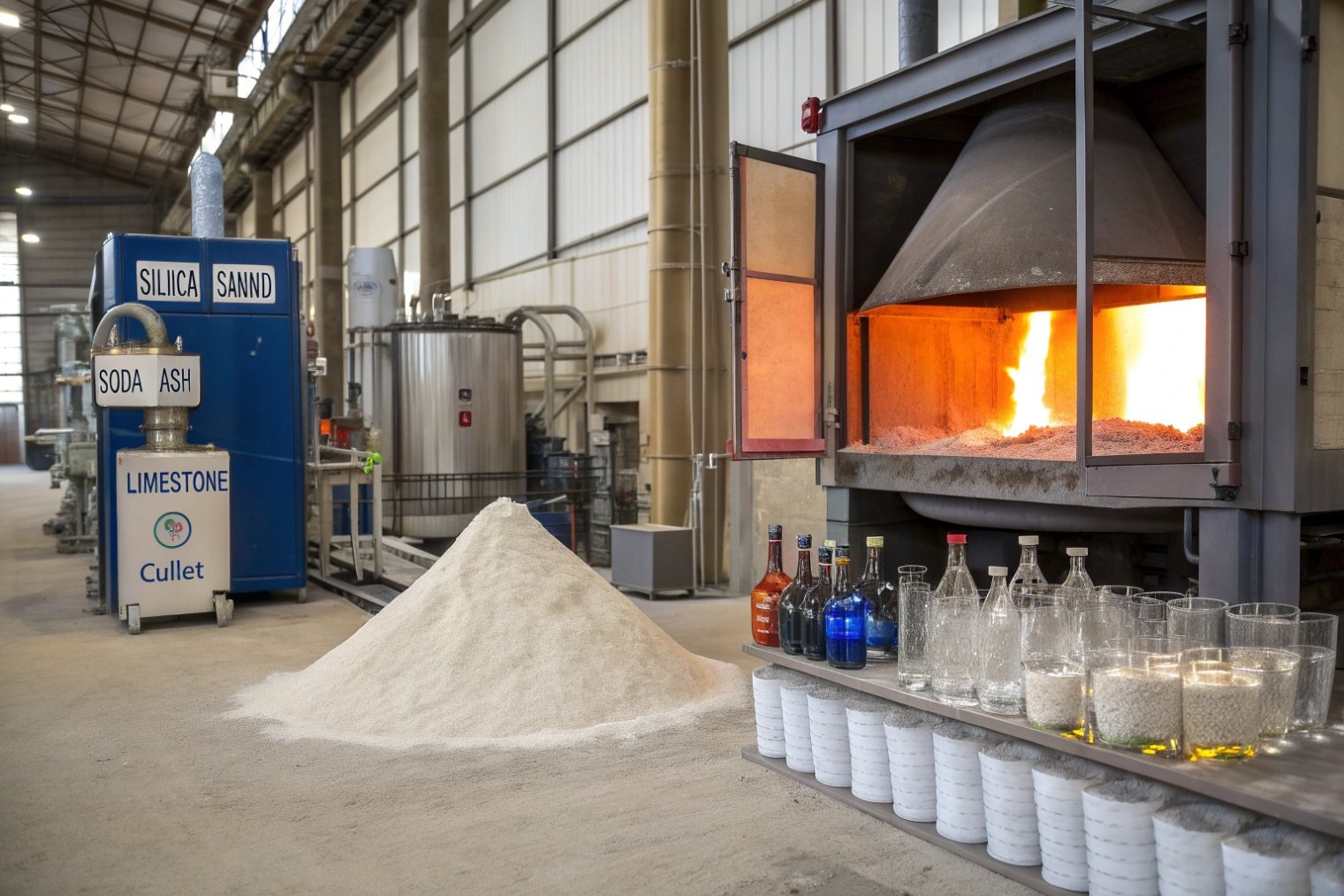
Hot-end: from gob or gather to shape
In container plants, molten glass leaves the furnace and is conditioned in the forehearth. This is where temperature and viscosity are controlled for stable forming. Shears cut the stream into gobs. Each gob has a defined weight to match the target container.
Gobs drop into IS (Individual Section) machines 3{#fnref3}:
- For narrow-neck bottles, we use blow-and-blow or narrow-neck press-and-blow (NNPB).
- For wide-mouth jars, we often use the press-and-blow process 4{#fnref4}.
In both cases, there are two key stages:
- Blank mold: gob becomes a parison (preform) with the finish formed.
- Blow mold: parison transfers and expands under air into the final shape.
For custom blown glassware (like vases or art pieces), makers use hand techniques. They gather glass on a blowpipe, shape on a marver, and reheat in a glory hole. They free-blow or blow into a mold, then transfer to a punty to finish rims and feet. The physics is similar: temperature, gravity, and air decide wall thickness and shape.
Annealing: relieving stress for long life
Fresh-formed glass looks solid but hides internal stresses. The surface cools faster than the core. If we leave it that way, glass will crack from small shocks.
The solution is annealing. Ware passes through a lehr (a long temperature-controlled tunnel). A good way to align teams on “why lehrs matter” is to use shared annealing and tempering training notes 5{#fnref5}.
A simple view of the annealing step:
| Stage | Typical temperature range (soda-lime) | Purpose |
|---|---|---|
| Equalization | ~550–580 °C | Bring surface and core closer in temperature |
| Slow cool | Down through ~500–520 °C | Let stress relax as glass stiffens |
| Final cool | From below strain point to room temp | Freeze the structure in a low-stress state |
Time in the lehr and the exact curve depend on glass type, wall thickness, and size. A heavy spirits bottle needs a longer, slower curve than a small jar. When we change design or weight, we adjust the lehr recipe to keep stress patterns stable. Polariscopes help us see internal stress as colored fringes so we can judge if the annealing is correct.
Cold-end: coatings, finishing, and inspection
After annealing, we move into the cold end. This is where we:
- Apply cold-end lubricity coatings for bottles and jars.
- Cut, grind, and polish rims for stemware or tumblers.
- Drill holes, add facets, or fire-polish edges for custom pieces.
- Apply strengthening processes like thermal tempering 6{#fnref6} or chemical strengthening via ion exchange 7{#fnref7} when needed.
Thermal tempering heats glass again and then quenches it quickly with air. This creates a tough compressive layer that improves impact and thermal shock resistance (common for some drinkware and cookware).
Chemical strengthening swaps small ions in the surface for larger ones in a molten salt bath. This is useful for thinner glass where thermal tempering could distort shape.
Cold-end is also where inspection happens. Cameras and sensors check dimensions, wall thickness, surface defects, and finish geometry. For premium or critical pieces, we add manual inspection and stress checks.
The sequence—hot-end forming, annealing, cold-end finishing—is the backbone of every glass line. Once this backbone is stable, custom decoration and branding can sit on top with much less risk.
What customization options exist for color, embossing, and coating?
Custom glassware is not just a shape. Brands play with color, texture, and decoration so the piece tells a story even before anyone tastes the product.
We customize glassware with tailored colors, embossed or debossed details in the mold, and a full toolbox of coatings and decorations such as screen print, decals, metallics, frosting, and functional layers.
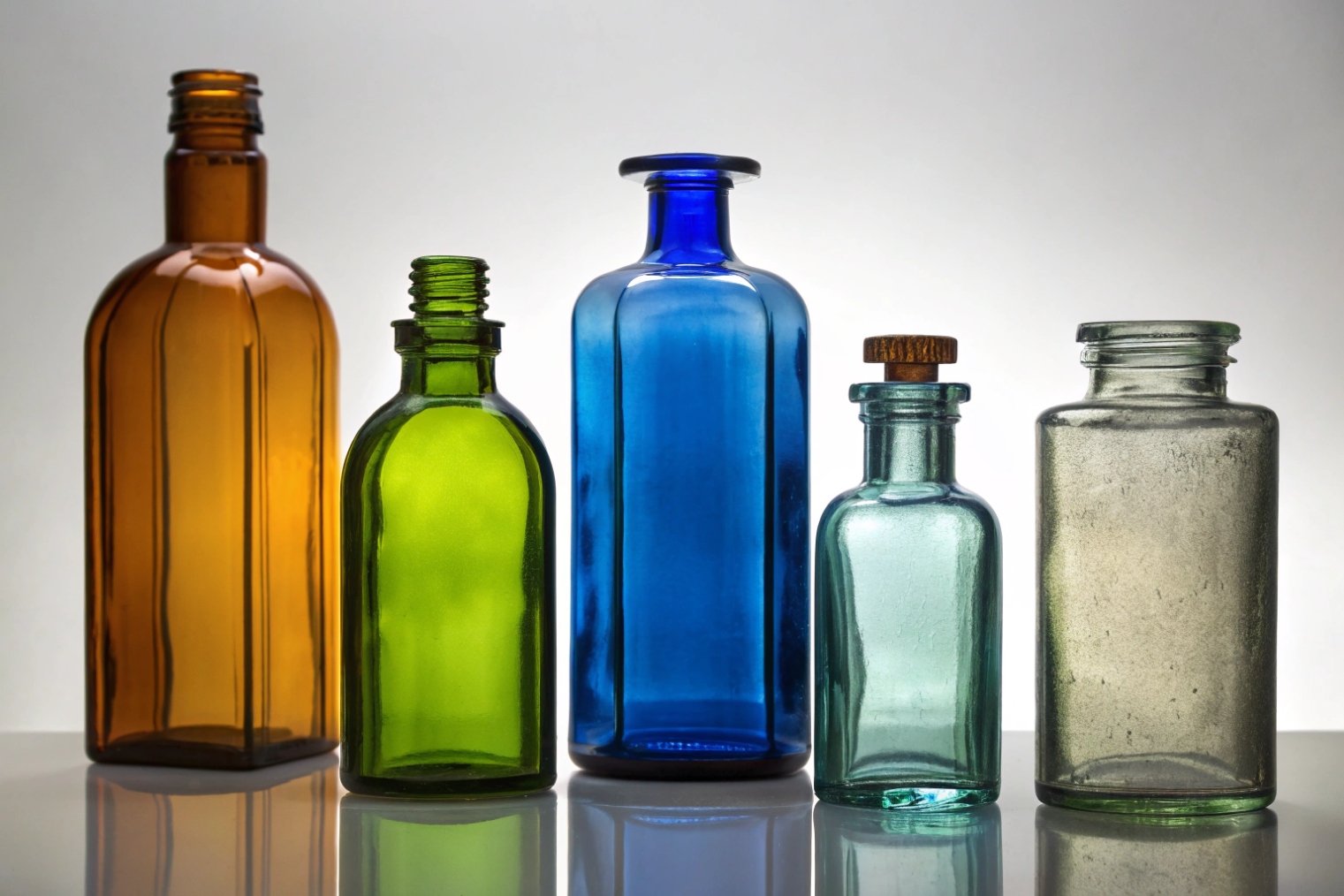
Shape and embossing: molds as a branding tool
For industrial glass, molds define the “bones” of customization. We can:
- Create custom body profiles, shoulders, and bases.
- Add embossing (raised logos, text, patterns).
- Add debossing (engraved panels or recesses for labels).
- Design special punts or thick bases for premium feel.
Embossing happens directly in the blank or blow molds. For fine detail, we use sharp, well-vented engravings plus good mold temperature control so glass flows into every corner.
| Feature | Effect on brand feel | Process impact |
|---|---|---|
| Heavy base | Premium weight, stability | More glass, more cooling time |
| Deep embossing | Strong tactile branding | Needs careful venting and mold maintenance |
| Unusual silhouette | Shelf standout | More complex forming, more setup time |
| Flat label panel | Clean label application | Needs stiffness to avoid “paneling” |
For handmade or studio glassware, optic molds can create repeated patterns and then the piece is shaped further by hand. This combines unique hand finish with consistent brand cues.
Color systems for brand stories and performance
Color is more than looks. It can also protect product quality. Three broad routes are common:
- In-mass color: colorants added to the melt.
- Forehearth coloring: smaller additions at the conditioning stage.
- Surface color: sprays, enamels, and coatings on clear glass.
In-mass color is most durable. Amber, green, blue, and many tints come from controlled doses of oxides and related species.
| Color family | Typical oxides / species | Common use |
|---|---|---|
| Amber | Iron + sulfur + carbon species | Beer, light-sensitive drinks |
| Greens | Iron, chromium | Wines, oils, some spirits |
| Blues | Cobalt, sometimes copper | Premium waters, cosmetics |
| Extra flint | Low iron + decolorizers | Spirits, perfume, high-end tableware |
Surface color (like organic spray coatings) offers huge freedom: gradients, metallics, opaque whites, soft pastels. The trade-off is durability; coatings must be chosen and cured to match filling, washing, and transport conditions.
Decoration and functional coatings
After color and shape, decoration and coatings finish the story. Common options include:
- Screen printing with ceramic or organic inks.
- Decals fired at ~500–600 °C for complex images.
- Hot stamping for metallic logos and borders.
- Acid etching or sandblasting for frosted effects.
- Hydrophobic, anti-reflective, or easy-clean coatings for functional needs.
| Method | Main effect | Durability | Typical use |
|---|---|---|---|
| Ceramic screen print | Opaque, bright colors | Very high (fired into glass) | Spirits, cosmetics, premium bottles |
| Organic screen print | Fine detail, rich color | Medium–high (system dependent) | Short runs, multi-color art |
| Decals (vitrified) | Complex artwork | High | Limited editions, detailed branding |
| Spray coating | Solid colors, gradients | Medium–high (system dependent) | Colored ranges, fashion lines |
| Frosting (acid/sand) | Matte, satin texture | Very high | Premium, soft-touch look |
| Functional coatings | AR, hydrophobic, etc. | Depends on chemistry and handling | Specialty products |
A practical approach is to stack a few strong, robust choices (shape + one decoration + a reliable coating) rather than many fragile steps that increase cost and risk.
How do sustainability practices lower energy use and emissions?
Today, almost every brand asks about recycled content and CO₂ footprint. Glass is endlessly recyclable, but how we design and run the line decides the real impact.
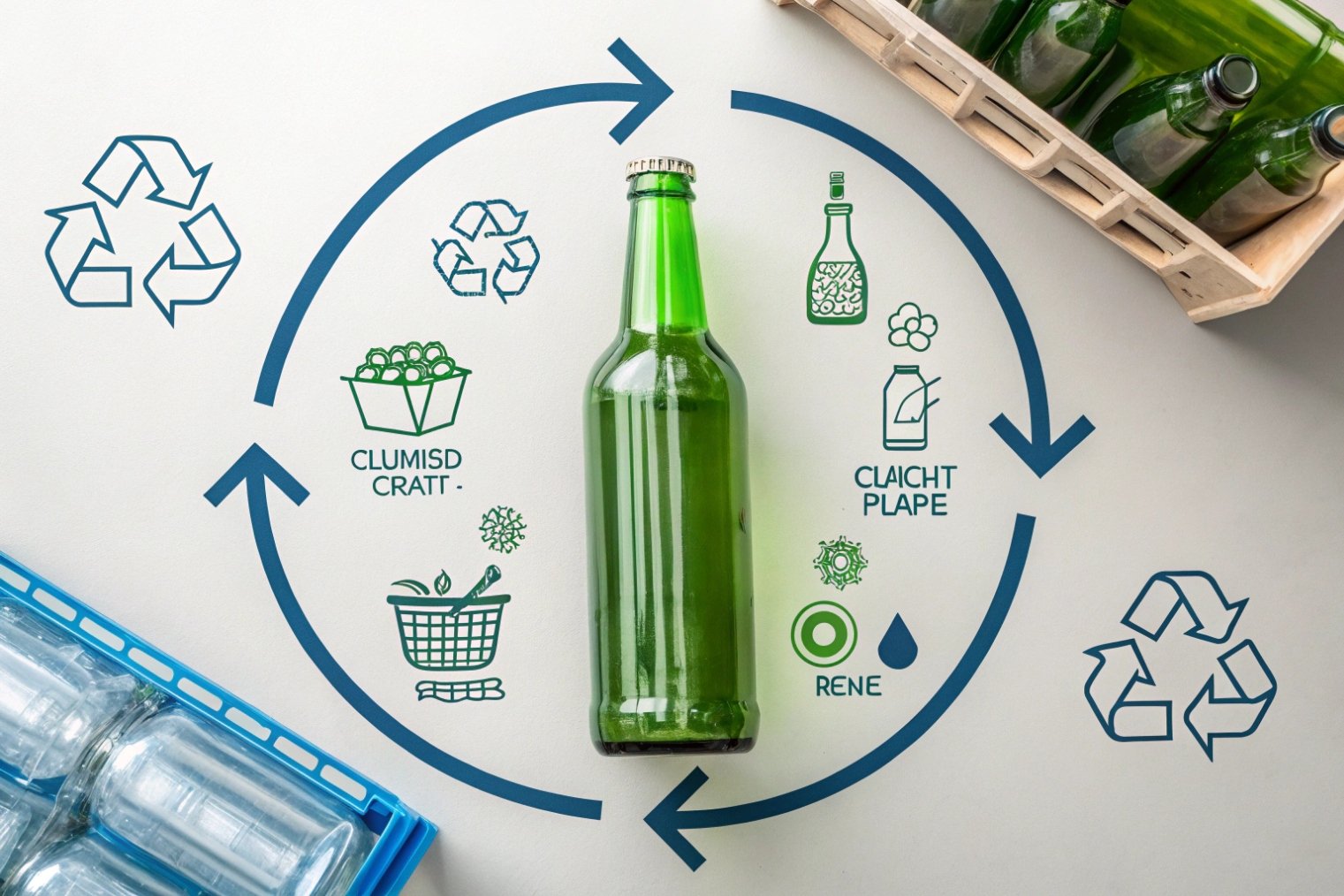
High cullet usage, efficient furnaces, smart lightweighting, and better logistics all cut energy use and emissions, while still allowing premium custom glassware that feels substantial in hand.
Energy and emissions levers inside the glass plant
The furnace is the main energy consumer. Key levers include:
- Cullet ratio: more clean cullet reduces melt energy.
- Furnace design: regenerative, oxy-fuel, hybrid, or electric boost improves efficiency.
- Heat recovery: reclaiming waste heat from flue gases or lehrs to preheat air, cullet, or batch.
| Practice | Effect on energy use | Effect on emissions |
|---|---|---|
| Higher cullet share | Less fuel per ton of glass | Less CO₂ from fuel and raw materials |
| Oxy-fuel / electric boost | Better thermal efficiency | Lower NOx and potentially lower CO₂ per ton |
| Lehr heat recovery | Lower total gas consumption | Lower indirect emissions |
| Better insulation / sealing | Reduced heat loss | More stable furnace operation |
Cullet also supports circular claims: when collection and color sorting are strong, glass-to-glass recycling is one of the cleanest packaging loops available.
Design and logistics choices for lower footprint
Sustainability continues beyond the furnace:
- Lightweighting: reducing glass weight per unit while preserving performance. Even 10–15% weight reduction can be huge at scale.
- Returnable systems: heavier bottles that survive many reuse cycles can outperform one-way packaging where reverse logistics are strong.
- Optimized packing: better pallet patterns and container utilization lower transport CO₂ per unit.
- Local sourcing: producing closer to the filling site cuts shipping distance and breakage risk.
| Choice | Impact on environment | Impact on brand / user feel |
|---|---|---|
| Lightweight premium bottle | Lower glass and fuel use | Needs smart design to keep “heft” |
| Returnable bottle | Strong benefit at high reuse | Robust aesthetic, heavier handling |
| High cullet content | Lower melt energy, less mining | Clear sustainability story |
| Efficient shipping layout | Lower transport emissions | Lower logistics cost per unit |
With the right mix of plant practices and product design, custom glassware can feel premium while still supporting realistic sustainability goals.
Conclusion
From sand and cullet to forming, annealing, decoration, and low-carbon design, glassmaking is a chain of choices. When we design that chain well, custom glassware looks beautiful, performs safely, and respects both budget and planet.
Footnotes
-
Soda-lime composition basics for understanding clarity, durability, and why soda/lime balance matters. ↩ ↩
-
Quick cullet facts to support recycled-content claims with energy and CO₂ savings context. ↩ ↩
-
Explains how IS machines cut gobs and form bottles at high speed in modern container plants. ↩ ↩
-
Shows why press-and-blow improves wall distribution and enables lightweighting for wide-mouth and premium ware. ↩ ↩
-
Practical explanation of annealing/tempering and how controlled cooling prevents residual-stress breakage. ↩ ↩
-
How thermal tempering builds surface compression to boost impact strength and thermal-shock resistance. ↩ ↩
-
Ion-exchange strengthening explained for thin glassware needing toughness without the distortion risk of quenching. ↩ ↩






