
While soda-lime glass effectively contains acidic foods like vinegar and tomato sauce for decades, its Achilles’ heel is strong alkalinity. Understanding why your bottles might turn cloudy in the dishwasher or etch during industrial cleaning is crucial for maintaining brand aesthetics.
Soda-lime glass offers moderate alkali resistance, classifying typically as Class A2 under ISO 695. While robust enough for most single-use applications, its silicate network—weakened by high sodium content—is susceptible to "hydroxide attack" (etching) when exposed to high-pH solutions (pH > 9) at elevated temperatures, leading to permanent surface haze and material loss.
The Chemistry of Alkali Attack on Standard Glass
At FuSenglass, we produce millions of soda-lime containers 1 annually. It is the workhorse of the industry—economical, easy to mold, and perfectly safe for 95% of consumer goods. However, I often have to temper the expectations of clients who want to use standard bottles for aggressive industrial chemicals or high-pH alkaline waters.
Acid resistance and alkali resistance are chemically opposite behaviors. In acid, glass forms a protective "silica gel" layer that stops further corrosion. In alkali (bases), the mechanism is dissolution. The solution doesn’t just leach ions out; it eats the glass structure itself.
Standard soda-lime glass is composed roughly of 72% Silica, 14% Sodium Oxide, and 10% Calcium Oxide. The Sodium Oxide is a "flux"—it breaks up the silica network to lower the melting point. These breaks are called "Non-Bridging Oxygens" 2 (NBOs).
When a strong base (like Caustic Soda or Ammonia) touches the glass, the Hydroxyl ions ($OH^-$) target the silicon-oxygen bonds ($Si-O-Si$). Because soda-lime glass has so many NBOs and a relatively open structure caused by the sodium, the $OH^-$ ions can penetrate easily. They sever the remaining bonds, releasing silicic acid into the solution.
Visually, this doesn’t look like rust. It looks like "fog." The smooth, glossy surface of the bottle becomes microscopically pitted. Light scatters off these pits, and the clear bottle starts to look permanently dirty or "scuffed."
Alkali Resistance Profile of Soda-Lime
| Parameter | Characteristic | Impact on Packaging |
|---|---|---|
| ISO 695 Classification | Class A2 (Typical) | Suitable for most uses; cautious with strong industrial bases 3. |
| Attack Mechanism | Network Dissolution | The glass wall literally gets thinner (microscopically). |
| pH Threshold | pH > 9.0 | Risk begins. |
| pH Danger Zone | pH > 12.0 | Rapid etching occurs, especially if hot. |
| Temperature Effect | Exponential | Corrosion rate doubles for every 10°C rise. |
| Visual Defect | Iridescent Haze / Frosted Look | Loss of premium shelf appeal. |
To better understand this vulnerability, we must compare it to its tougher cousin, borosilicate glass.
Why is soda-lime glass more vulnerable to high-pH attack than borosilicate, especially under heat and repeated washing?
The difference lies in the density of the atomic network. Soda-lime glass is chemically "looser" due to its high flux content, providing easy entry points for destructive ions, whereas borosilicate maintains a tighter defensive shield.
Soda-lime glass contains a high percentage (~14%) of Sodium Oxide modifiers, which disrupt the continuous silica network and create numerous "Non-Bridging Oxygen" sites. These sites act as weak points where Hydroxyl (OH-) ions can easily rupture the Si-O bonds. In contrast, borosilicate glass has a highly connected, cross-linked network driven by Boron and Silica with very low sodium content, offering significantly fewer entry points for alkaline dissolution.
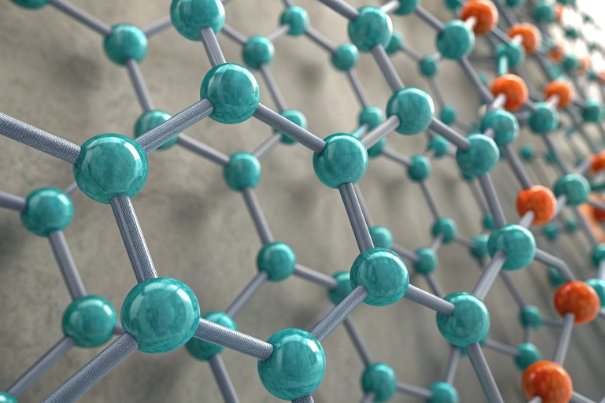
The "Swiss Cheese" Network
I often use the analogy of a net.
- Borosilicate Glass (Type I): Imagine a tightly woven fishing net made of strong steel wire (Silica + Boron). The holes are tiny, and the knots are secure.
- Soda-Lime Glass (Type III): Imagine a net made of nylon (Silica), but to make it flexible, we have cut 30% of the strings (added Sodium). The net still holds shape, but it has many loose ends and larger gaps.
The Role of Modifiers (Sodium):
The Sodium ions in soda-lime glass sit in the gaps of the network. They don’t hold the network together; they just fill space and balance charge.
When hot alkali hits the glass, it seeks out the Silicon atoms. In soda-lime glass, the "modified" structure allows water and hydroxyl ions to diffuse deep into the surface layer. The reaction fronts proceed rapidly.
The Heat Factor:
Heat is energy. In a dishwasher or industrial bottle washer running at 80°C, the water molecules and ions are moving violently.
- In Borosilicate, the strong B-Si and Si-Si bonds resist this thermal energy.
- In Soda-Lime, the heat excites the loose Sodium ions, making them vibrate and opening the pathways even further for the attacking alkali.
Consequently, while a soda-lime bottle might survive a pH 11 soap at room temperature for weeks, that same soap at 70°C will etch the glass in hours. This is why "dishwasher safe" 4 implies a material test, not just a label.
Structural Vulnerability Comparison
| Feature | Soda-Lime (Type III) | Borosilicate (Type I) | Result in Alkali |
|---|---|---|---|
| Network Modifiers (Na₂O/K₂O) | High (~15%) | Low (~4%) | Soda-lime allows faster ion penetration. |
| Network Connectivity | Interrupted (2-3 bridging oxygens) | High (3-4 bridging oxygens) | Soda-lime bonds break easier. |
| Si-O Bond Density | Lower (Diluted by Na/Ca) | Higher (Concentrated) | Silica is the resistant part; less of it means less resistance. |
| Alumina Content | Low (~1.5%) | Moderate (~2-7%) | Alumina improves resistance; soda-lime has less. |
| Erosion Rate | Higher (mg/dm² loss) | Lower | Borosilicate lasts longer before clouding. |
Knowing the chemistry is one thing; knowing where it hits your business is another.
Which real-use scenarios expose soda-lime bottles to the highest alkali risk (CIP cleaning, dishwasher detergents, alkaline beverages, household cleaners)?
Glass corrosion rarely happens on the shelf; it happens during the cleaning cycle or when packaging specific functional beverages. Identifying these high-risk touchpoints allows you to adjust your quality specs or handling procedures.
The highest alkali risks occur during industrial Clean-In-Place (CIP) cycles using hot Caustic Soda (NaOH) for returnable bottles, and in household dishwashers where aggressive phosphate detergents combine with high heat. Additionally, the emerging market of "Alkaline Water" (pH 9-10) poses a long-term storage risk, where the product itself can slowly etch the container from the inside out.
The Three Danger Zones
At FuSenglass, we categorize alkali risk into three tiers based on intensity and exposure time.
1. The Industrial Washer (The "Returnable" Risk):
Returnable beer and soda bottles are the ultimate stress test.
- The Agent: 2-4% Sodium Hydroxide (Caustic Soda).
- The Condition: 80°C for 10-20 minutes, repeated 30 times over the bottle’s life.
- The Damage: "Scuffing rings." This is actually alkali etching. The glass rubs against guide rails, and the alkali weakens the surface, making it scratch instantly.
- Mitigation: We must use "optimized" soda-lime with higher Alumina and Magnesium levels for these clients.
2. The Home Dishwasher (The "Consumer" Risk):
You sell a premium jar of jam or a reusable water bottle. The consumer puts it in the dishwasher.
- The Agent: Dishwasher tablets (pH 10-12). Modern tabs use enzymes and carbonates that are very aggressive to glass to remove grease.
- The Condition: 60°C – 70°C cycles, potentially hundreds of times.
- The Damage: "Clouding." The user thinks the glass is dirty, but the cloudiness cannot be wiped off. It is permanent corrosion. This leads to warranty claims and negative reviews.
3. Alkaline Products (The "Inside-Out" Risk):
- Alkaline Water: High pH water is trendy. Storing pH 10 water in cheap soda-lime glass for 12 months can result in a rise in Silica levels in the water (as the glass dissolves) and a precipitate forming at the bottom.
- Household Cleaners: If you package an ammonia-based window cleaner or a bleach product in glass, standard soda-lime is usually fine for the shelf life (1-2 years), but the bottle wall will thin microscopically.
Risk Assessment Matrix
| Scenario | pH Level | Temperature | Exposure Duration | Risk Level |
|---|---|---|---|---|
| Acidic Juice Storage | pH 3-4 | Ambient | 1-2 Years | Zero (Safe). |
| Alkaline Water | pH 9-10 | Ambient | 1-2 Years | Low/Moderate. (Silica leaching). |
| Household Dishwasher | pH 10-11 | 60°C | 1 hour x 100 cycles | High. (Visible haze). |
| CIP / Caustic Wash | pH 13-14 | 80°C | 20 mins x 30 cycles | Severe. (Etching & Scuffing). |
| Bleach Storage | pH 12 | Ambient | 1 Year | Moderate. (Surface degradation). |
If you are stuck with soda-lime due to cost (and let’s be honest, most of us are), how do we make it better?
How can formulation tuning (Al2O3 level, MgO/CaO ratio, lower Na2O) improve alkali resistance without sacrificing production stability?
You don’t need to switch to expensive borosilicate to get decent performance. By tweaking the ratios of standard oxides, we can "harden" soda-lime glass against alkaline attack.
We improve alkali resistance by increasing Aluminum Oxide (Al₂O₃) content to >2.0%, which reinforces the silica network, and by substituting a portion of Calcium Oxide (CaO) with Magnesium Oxide (MgO) via Dolomite to create the "Mixed Earth Effect." Simultaneously, reducing Sodium Oxide (Na₂O) to the minimum viable level (<13.5%) lowers the number of weak points in the glass structure.
The Recipe for "Super Soda-Lime"
Standard soda-lime is designed for cost. But "Premium" soda-lime is designed for survival. Here is how we tune the batch at FuSenglass for our returnable fleet clients:
1. The Alumina Boost (+Al₂O₃):
Aluminum Oxide 5 is the best friend of alkali resistance in silicate glass.
- Action: We increase Alumina from the standard 1.5% to roughly 2.0% – 2.5%.
- Mechanism: The Al-O bond is more resistant to hydroxide attack than the pure Si-O bond (when modified). It slows down the dissolution rate of the network.
- Trade-off: Alumina increases viscosity. The furnace must run hotter, costing more fuel.
2. The Dolomite Switch (CaO $\rightarrow$ MgO):
- Action: Instead of using pure Limestone (Calcium), we use Dolomite 6 (Calcium + Magnesium). We aim for ~2-3% MgO.
- Mechanism: The "Mixed Alkaline Earth Effect" 7. The presence of two different sized ions (Ca and Mg) jams the network better than just one. It makes the packing density higher, slowing down the ingress of water and alkali.
- Benefit: MgO actually helps prevent devitrification, so it aids production stability too.
3. The Sodium Diet (-Na₂O):
- Action: We drop Sodium from 15% to 13%.
- Mechanism: Fewer sodium ions means fewer "Non-Bridging Oxygens." The network is more connected.
- Trade-off: This raises the melting temperature significantly. We might have to add a tiny amount of Lithium or run the boost currents higher to melt the sand.
Formulation Impact Table
| Oxide Adjustment | Effect on Alkali Resistance | Production Challenge | Ideal Range for Durability |
|---|---|---|---|
| Increase Al₂O₃ | Significant Improvement. Strengthens bonds. | Higher viscosity; slower melting. | 2.0% – 2.5% |
| Add MgO (Dolomite) | Moderate Improvement. Densifies network. | None (actually stabilizes forming). | 2.0% – 4.0% |
| Decrease Na₂O | Significant Improvement. Reduces NBOs. | Harder to melt; higher energy cost. | 12.5% – 13.5% |
| Increase SiO₂ | Slight Improvement. | Very high melting temp. | 72% – 74% |
Finally, how do you prove that your "Optimized" bottle is actually better than the cheap "Standard" bottle?
What test methods and acceptance criteria should buyers require to validate alkali resistance for soda-lime bottles?
Trusting a supplier’s word on "durability" is a risk. You need quantitative data from standardized destruction tests to ensure your packaging can withstand the rigors of its lifecycle.
Mandate ISO 695 (Resistance to Boiling Mixed Alkalis) testing and specify a maximum weight loss limit (e.g., < 100 mg/dm²) to qualify the glass. Additionally, for dishwasher safety claims, require ASTM D2248 or a cyclical washing simulation (50+ cycles) followed by haze meter readings to define acceptable visual limits.
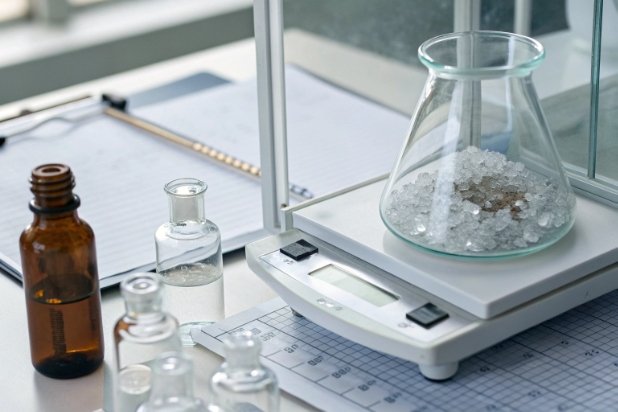
The Validation Toolkit
For B2B buyers, "Alkali Resistance" is often a blank spot on the spec sheet. Here is how to fill it.
1. ISO 695 (The Gold Standard):
This is the brutal test. We take a sample of the glass surface area and boil it in a mixture of Sodium Hydroxide 8 and Sodium Carbonate.
- Metric: Weight Loss (Gravimetric). We weigh the sample before and after. The glass literally dissolves.
- The Spec:
- Standard Soda-Lime: Class A2. Loss is typically 75 – 150 mg/dm².
- Optimized Soda-Lime: You should target < 85 mg/dm².
- Why: Lower weight loss means the bottle wall stays intact longer.
2. DIN 51035 (Dishwasher Resistance):
ISO 695 9 is a chemistry test. Dishwasher resistance is a usage test.
- The Test: Bottles are placed in a standard dishwasher with standard detergent (IEC 436 reference detergent).
- Metric: Visual inspection after 50, 100, and 500 cycles.
- The Spec: "No visible haze (Grade 0) after 50 cycles."
3. Haze Measurement:
Visual checks are subjective. "It looks fine to me" isn’t a spec.
- Instrument: Haze Meter 10 (ASTM D1003).
- The Spec: "Haze value shall not increase by more than 2% after Alkali Soak Test."
Buyer’s Specification Sheet
| Test Method | Parameter | Acceptance Criteria | Application |
|---|---|---|---|
| ISO 695 | Alkali Resistance | Class A2 (Loss < 100 mg/dm²) | General Quality / Returnables. |
| ASTM C225 (P-Test) | Alkali Durability | Pass | Raw material QC. |
| DIN 50035 | Dishwasher Cycles | > 125 Cycles w/o Haze | Consumer Goods / Tableware. |
| Visual Inspection | Etching/Scuffing | None visible at arm’s length. | Cosmetic QC. |
Conclusion
Soda-lime glass is not chemically invincible, especially against the "base" forces of alkali detergents. However, it is the industry standard for a reason. By understanding its vulnerability—the sodium-induced network gaps—and countering them with smart formulation tuning (more Alumina, more Magnesia) and rigorous ISO 695 testing, you can deploy soda-lime bottles that survive the wash line and shine on the shelf.
Footnotes
-
The most common type of glass used for containers, known for its balance of cost and performance. ↩
-
Atomic defects in the glass structure where oxygen atoms are not bonded to two silicon atoms. ↩
-
Chemical substances with a pH greater than 7, capable of dissolving glass silica networks. ↩
-
Guidelines for determining if materials can withstand the high heat and alkalinity of dishwashers. ↩
-
A critical oxide used in glass formulation to improve chemical durability and hardness. ↩
-
A sedimentary mineral providing both calcium and magnesium to the glass melt. ↩
-
The phenomenon where mixing different alkali ions improves glass stability and resistance. ↩
-
A highly caustic metallic base also known as lye, used in industrial cleaning processes. ↩
-
The international standard specifying the test method for glass resistance to boiling mixed alkalis. ↩
-
The standard test method for measuring haze and luminous transmittance of transparent materials. ↩






