
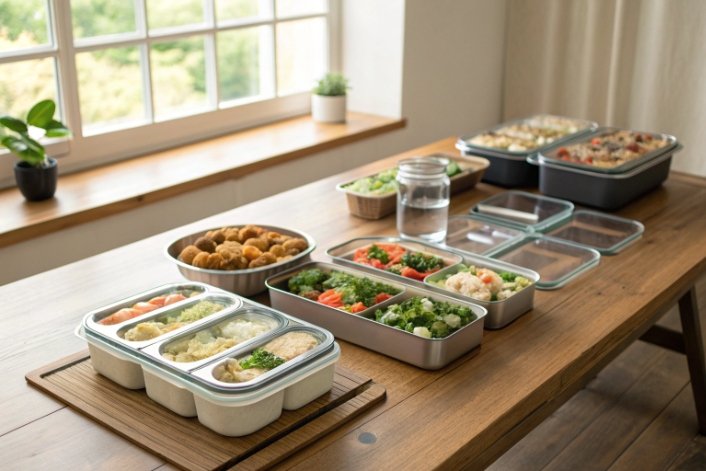
Choosing a lunch box looks simple, but the wrong material or size can mean leaks, cold food, and complaints from customers or family.
To choose the right lunch box, match material to use case, pick capacity and layout for real meals, demand leak-proof seals, and clearly label heat and cleaning limits backed by trusted certifications.
For brands and buyers, a lunch box is not only a plastic or glass container. It is a small system: body, lid, seals, vents, bag, and packaging. When each part follows a clear logic, returns and bad reviews drop fast.
Glass vs. plastic vs. stainless: which material suits my buyers?
Many people start with a favorite material. Some love stainless, some trust glass, others want light plastic. If we decide by “feeling” only, we miss real needs.
Glass, plastic, and stainless each suit different buyers: glass wins for reheating and taste, plastic for light carry and price, stainless for durability and simple, long life.
Match material to the way people really eat
When I design a lunch box line, I first ask one question: what does your typical buyer pack most days?
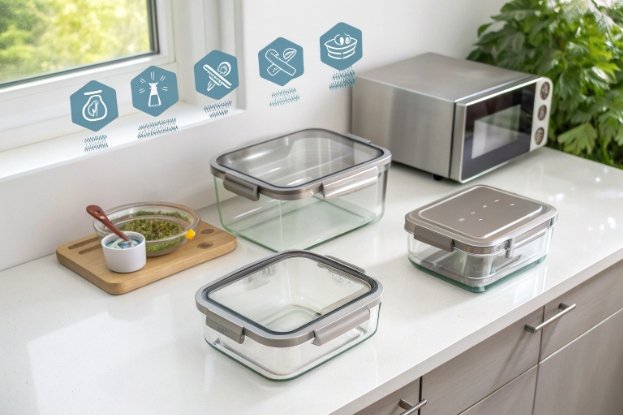
If the answer is reheat in the office microwave, glass or microwave-safe plastic makes sense. Borosilicate glass boxes with vented lids 1 handle hot and cold better and keep flavors neutral. BPA/BPS-free PP #5 or Tritan plastic 2 is lighter and safer to carry in bags, as long as it is clearly labeled microwave-safe and used without the lid clamped tight.
If the answer is no microwave, rough use, outdoor or school, stainless steel is a strong option. It does not crack, is not scared of drops, and is easy to wash. The downside: it is not microwaveable, and people cannot see the food inside.
If the answer is snacks, sides, or fruit, silicone pouches and small containers shine. LFGB-grade silicone 3 is flexible, seals well, and fits inside bigger boxes. It makes sense as a supporting role, not always as the main lunch box.
Here is a simple comparison you can share with your team:
| Material | Main strengths | Limits | Best buyers / use cases |
|---|---|---|---|
| Borosilicate glass | Great for reheating, no taste transfer | Heavier, can break | Office workers, home meal prep |
| Tempered soda-lime glass | More affordable glass, good clarity | Still breakable, a bit heavier | Mid-price lines with microwave focus |
| Stainless steel (304/316) | Strong, light for size, long life | Not microwave-safe, opaque | Kids, outdoor, factory workers, plastic-free fans |
| PP #5 / Tritan plastic | Light, lower cost, many colors | Can stain, needs clear safety labeling | Schools, price-sensitive retail, promotions |
| LFGB silicone pouches | Flexible, compact, great for sides | Not rigid, not ideal for full meals | Snacks, fruits, side dishes in kits |
For many brands, the best plan is a mixed range: glass for reheaters, stainless for “go anywhere”, and plastic or silicone sets for kids and budget buyers. This way you meet more needs without forcing one material on everyone.
What sizes, compartments, and seals prevent leaks on the go?
A beautiful lunch box fails fast if it leaks soup into a laptop bag or cannot hold a real meal. Size and layout must follow the food, not the other way around.
The best sizes and compartments match real portions: small for kids, medium for desk lunches, larger for meal prep, with gaskets and latches that survive shake tests and backpack travel.
Turn meals and routes into design numbers
First, think about who is carrying the box and how much they eat.
- Kids: 14–24 oz (400–700 ml) usually covers a sandwich, fruit, and a snack.
- Typical desk lunches: 30–48 oz (900–1400 ml) for one full meal.
- Big appetites or full-day meal prep: 50–75 oz (1.5–2.2 L), often split into two layers or two boxes.
Next, think about what goes inside:
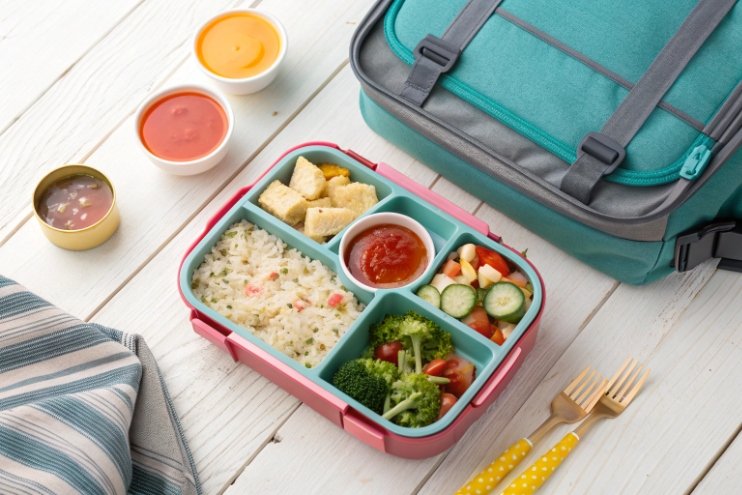
- Sandwiches and snacks: shallow, wide boxes or “bento” style with 2–4 compartments. Low profile fits in slim bags.
- Salads and grain bowls: deep single compartments with 1 small sauce cup for dressing. Tossing is easier in one big space.
- Soups, curries, pasta: taller, more compact boxes or vacuum food jars, sometimes with double walls for better heat control.
Now combine these with the route. A person who walks or cycles needs better sealing than someone who drives 5 minutes with the box sitting flat.
What makes a true “leak-proof” design
To reduce “it leaked in my bag” reviews, you need both good engineering and honest leak-proof lunch box design 4.
Key design points:
- A continuous silicone gasket around the whole lid, not only at corners.
- Firm but user-friendly latches on at least two sides, often four for larger boxes.
- A separate sauce cup for dressings and thin liquids, ideally with its own seal.
- Enough lid depth so food does not press hard against the seal.
- A vertical-leak mindset: test boxes standing upright and on their side, not just flat.
You can even build a simple test scheme for your own QA:
| Test | Checkpoint |
|---|---|
| Horizontal leak test | Box flat, water inside, 30 minutes |
| Vertical leak test | Box upright in a backpack simulation, 60 minutes |
| Shake test | 30 seconds gentle shake, then inspect seams |
| Gasket removal / cleaning | User can remove and put back without damage |
Compartments also matter for cleaning. Many buyers love bento layouts but hate tiny corners. Wide dividers with rounded corners are much easier to wash. Removable trays let users wash or replace only part of the system when it wears out.
Do I need oven, microwave, and dishwasher-safe ratings?
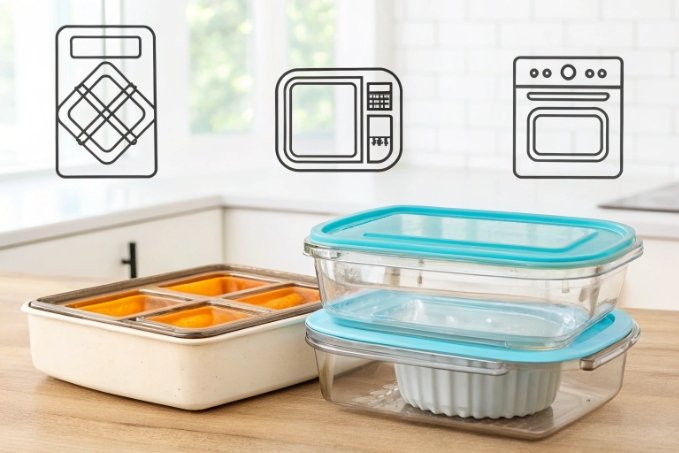
Some brands print every icon they can: oven, microwave, dishwasher, freezer. This looks impressive, but can confuse people and increase the risk of misuse.
Heat and cleaning ratings should match real use patterns. Glass and some plastics can be oven or microwave-safe, stainless and lids bring limits, and dishwasher-safe claims must match everyday cycles.
Decide which ratings matter for your buyers
Ask what your main target group does every week.
-
Office workers with microwaves
They want clear “microwave-safe base” and “vent lid” messages. Many do not need oven-safe up to 400°C; they just reheat yesterday’s pasta. -
Home meal-prep users
They often batch-cook in the oven and reheat later. For them, “oven-safe glass base (without lid)” is important. Stainless trays also work in ovens. -
Busy families
For them, dishwasher-safe lunch containers 5 are non-negotiable. They need containers that survive daily cycles on the top rack, without lids warping or gaskets deforming.
In most cases, you can keep the matrix simple:
| Material / part | Oven-safe? | Microwave-safe? | Dishwasher-safe? |
|---|---|---|---|
| Borosilicate glass base | Yes, without lid | Yes, follow vent instructions | Yes |
| Tempered glass base | Often, check limit | Yes, if labeled | Yes |
| Stainless steel body | Yes, great for ovens | No | Yes |
| PP #5 / Tritan base | No high oven heat | Yes, if labeled | Yes, top rack recommended |
| Plastic lids with gasket | Not for oven use | Sometimes, only if vented | Yes, top rack, check heat resistance |
| Silicone lid / gasket | Often oven and microwave | Yes, if food-contact grade | Yes |
From a safety view, one rule is strict: never microwave stainless steel and never microwave a fully sealed container. Steam pressure and metal arcing are two of the fastest ways to get complaints and damage.
For messaging, simple is best:
- “Glass base: oven, microwave, dishwasher-safe”
- “Lid: microwave-safe only with vent open; not for oven use”
- “Do not microwave stainless steel parts”
These lines are easy to translate, print on packaging, and add to online listings.
Which certifications and packaging boost retail sell-through?
The last step is not only about function. It is about trust on the shelf and online. Buyers read words like “BPA-free”, “LFGB certified”, and “food-grade”. They also respond to clear, tidy, giftable packaging.
Certifications that focus on food-contact safety (FDA, LFGB, EU frameworks) plus a visible quality system (like ISO 9001 or BSCI audits) help win retail buyers, while clean, informative packaging improves sell-through and reduces returns.
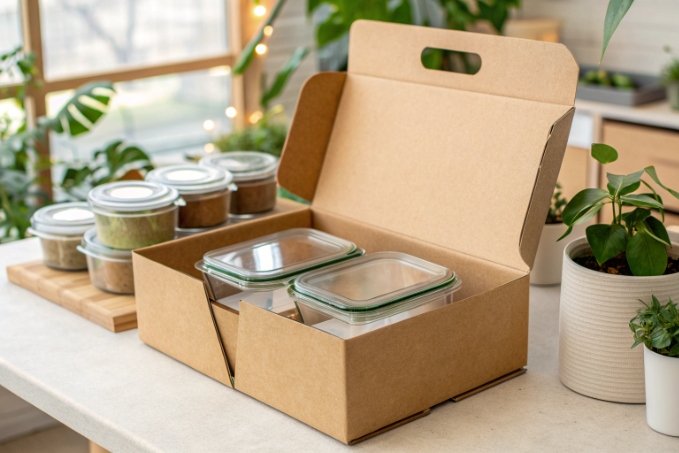
Turn compliance into a selling story
At factory level, it is normal to handle many different standards, but the customer mainly needs a short, strong proof set.
For lunch boxes, key items usually include:
-
Food-contact compliance
- USA: FDA food-contact or relevant CFR references for plastics and silicone.
- EU: statements aligned with Regulation (EC) 1935/2004 6 and related rules.
- Germany / EU: LFGB tests for plastics, silicone, and coatings.
-
Material safety labels
- “BPA/BPS-free” for plastics.
- “Food-grade silicone” with LFGB or equivalent test listed.
- “304 / 316 stainless steel” for metal parts.
-
Factory and social audits
- ISO 9001 for quality management.
- BSCI, SMETA, or similar audits for social responsibility 7, when large retailers ask.
You can map them like this:
| Buyer type | What they care about most | Suggested visible claims |
|---|---|---|
| Big-box retailer | Compliance, low returns, stable supply | FDA / LFGB passed, ISO 9001, BSCI |
| Online DTC eco brand | Non-toxic, plastic-free, sustainability | BPA-free, recyclable packaging, no PFAS |
| School and kids’ brands | Safety, breakage rate, fun design | BPA-free, LFGB, drop-tested, name label |
| Foodservice / corporate buyer | Durability, dishwasher life, stackability | Commercial dishwasher-safe, heavy-duty |
Make packaging work as a silent salesperson
Packaging is your first and sometimes only chance to explain these points to the shopper.
Many of the best-selling SKUs use:
- A clear front panel or window so buyers can see the real product.
- Short bullet points like “Leak-proof”, “Microwave-safe base”, “BPA-free”, “Dishwasher-safe”.
- Simple icons for microwave, oven, dishwasher, freezer.
- QR codes linking to detailed instructions and care tips.
Outer cartons for wholesale should protect products and show key info: SKU, color, capacity, material, and icons. Inner retail packaging should feel gift-ready if possible, especially for premium glass or stainless ranges.
When you connect the right material, size, and sealing design with honest safety claims, solid certifications, and smart packaging, lunch boxes stop being just “containers”. They become reliable daily tools that buyers trust and recommend.
Conclusion
The right lunch box balances material, size, sealing, heat ratings, and clear safety claims so your buyers can pack real meals without leaks, confusion, or surprises.
Footnotes
-
Example of borosilicate glass food containers with vented lids for oven, microwave and freezer use. Return ↩
-
Overview explaining why PP #5 and Tritan plastics are safer BPA/BPS-free options for reheatable containers. Return ↩
-
Article describing LFGB-certified silicone as high-quality, food-safe, durable material for reusable kitchenware and pouches. Return ↩
-
Independent tests comparing leak-proof lunch containers, lid gaskets, and latch systems for transport performance. Return ↩
-
Consumer testing of dishwasher-safe food storage containers, evaluating durability, safety, and ease of use. Return ↩
-
EU guidance on framework Regulation (EC) 1935/2004 for safe food-contact materials and articles. Return ↩
-
Overview of amfori BSCI social audits monitoring working conditions in global supply chains. Return ↩






