
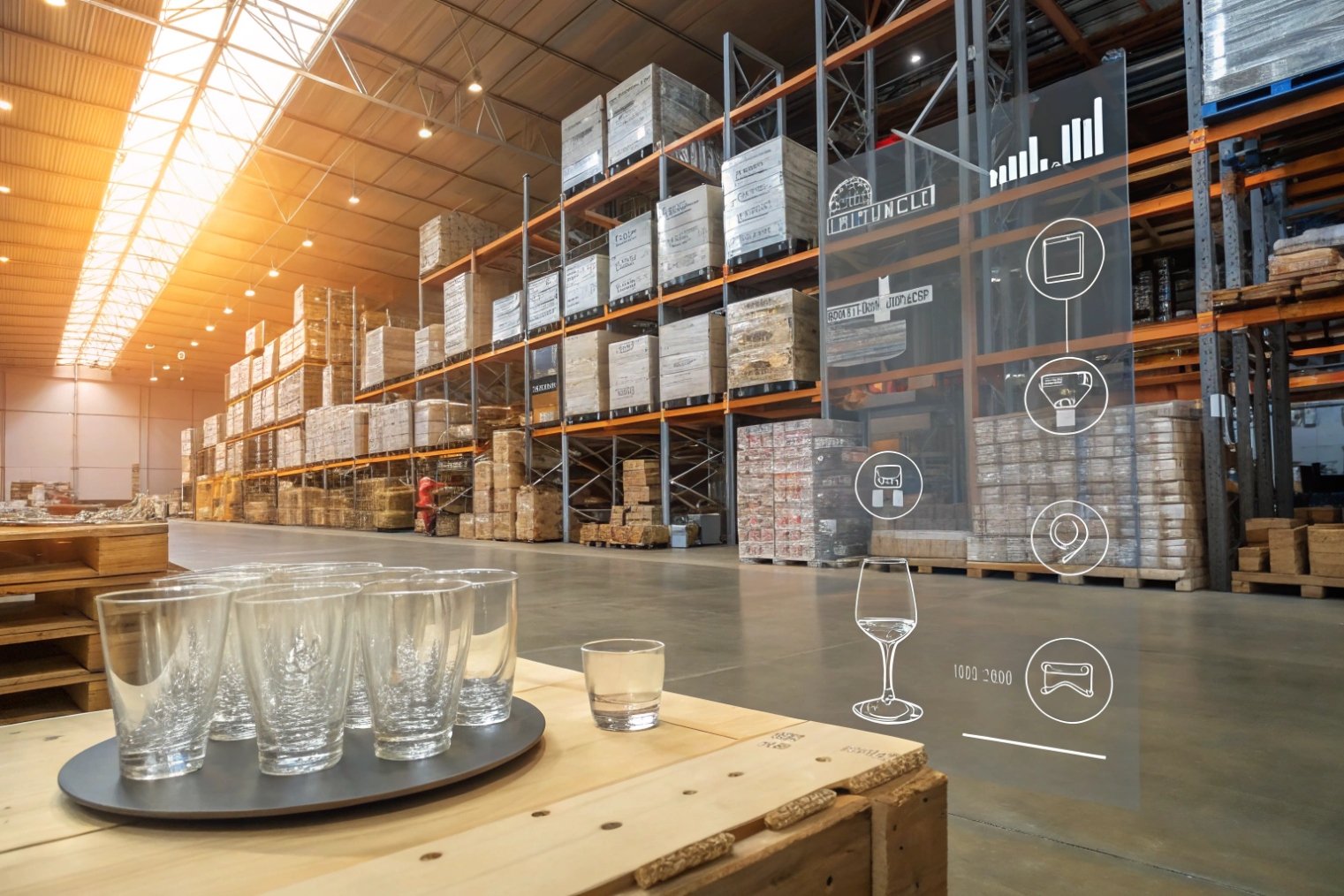
Profit on glass cups disappears fast in breakage, slow-moving SKUs, and freight. The right assortment and packaging turn a fragile product into a reliable cash engine.
To maximize ROI on wholesale glass cups, tighten your SKU mix, optimize pallet and carton design, choose low-scrap branding methods, and use data-driven forecasts to unlock price breaks without drowning in inventory.
If you treat glass cups as “just another item”, you chase low prices forever. If you treat them as a system—product mix, packaging, printing, and planning—you create stable, repeatable profit.
Which glass cup capacities and SKUs turn fastest for horeca and retail?
Too many cup SKUs look like “good choice” on paper. In reality, they split orders, slow turns, and increase dead stock.
Focus on 6–10 high-rotation SKUs that cover core drink sizes and stack well. This keeps stock lean, improves turns, and simplifies buying for horeca and retail customers.
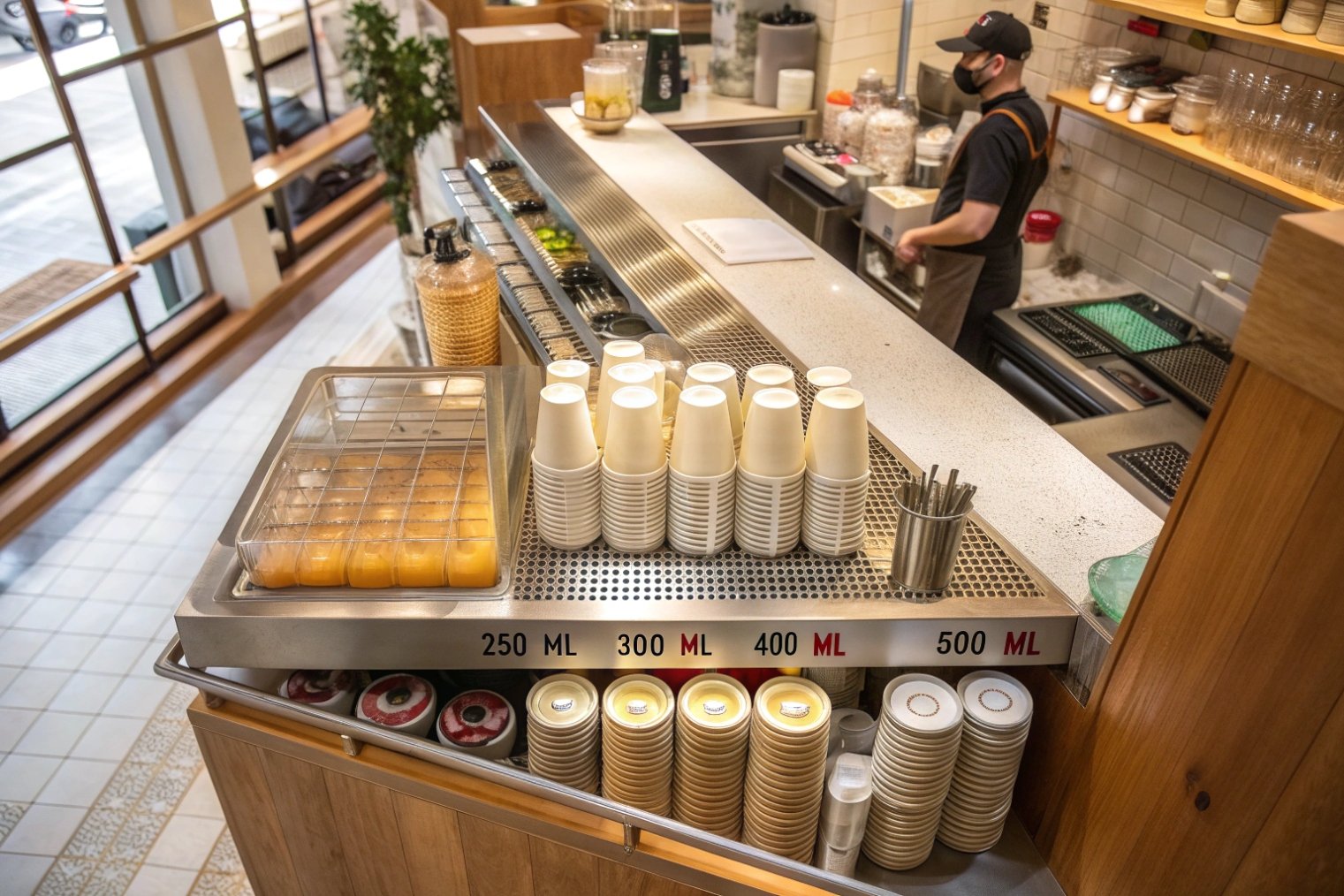
Build a core size ladder for horeca
Restaurants and cafés in the HoReCa sector (hotel/restaurant/café) 1 need simple, reliable ranges, not catalog overload. For most horeca clients, one tight ladder covers 80–90% of use cases:
| Use case | Capacity range (approx.) | Notes for ROI |
|---|---|---|
| Water / juice | 250–300 ml | Everyday tumbler, fully/rim tempered, stackable |
| Rocks / spirits | 250–320 ml | Double as juice glass, thick base, short profile |
| Beer / soft drink | 350–450 ml | Tall, stackable, fits common draught volumes |
| Large iced drinks | 450–550 ml | Optional; focus for cafés, not for all accounts |
I like to keep horeca assortment to 3–5 core shapes in one or two capacities each, all:
- Tempered (toughened) glass 2 or at least rim-tempered for breakage control
- Stackable to save shelf and dishwasher space
- Dishwasher-safe to keep clarity and reduce complaints
One smart trick: design cups so the same shape works in both water and beer roles by changing only capacity. That lets a client hold one family look, while you aggregate volume into fewer molds.
Curate retail SKUs around sets and gifting
Retail buyers think in sets, not in loose warehousing. The highest ROI often comes from:
- 4-pack and 6-pack sets at key capacities (280–320 ml everyday, 350–400 ml beer/highball)
- “Family” bundles that mix sizes (e.g., 4 water + 4 rocks) at a higher ticket
- Trend-led lines (double-wall, colored rims, mugs with lids) but in limited, seasonal SKUs
For retail, I usually choose:
- 1–2 “workhorse” clear sets that can stay in the line for years
- 1 “trend” set refreshed yearly (shape, texture, or subtle color)
- 1–2 promo or gift sets for Q4
If you track sell-through, most of your profit will come from those workhorse SKUs. Trend SKUs bring attention and margin but must stay tight to avoid markdowns.
How do bulk packaging and palletization cut landed cost per unit?
Cups can be cheap at factory gate and expensive by the time they hit your warehouse. The gap is packaging, freight, and damage.
Bulk-friendly inner packs, optimized cartons, and tight pallet patterns reduce freight and breakage per unit, which can save more money than a small discount on unit price.
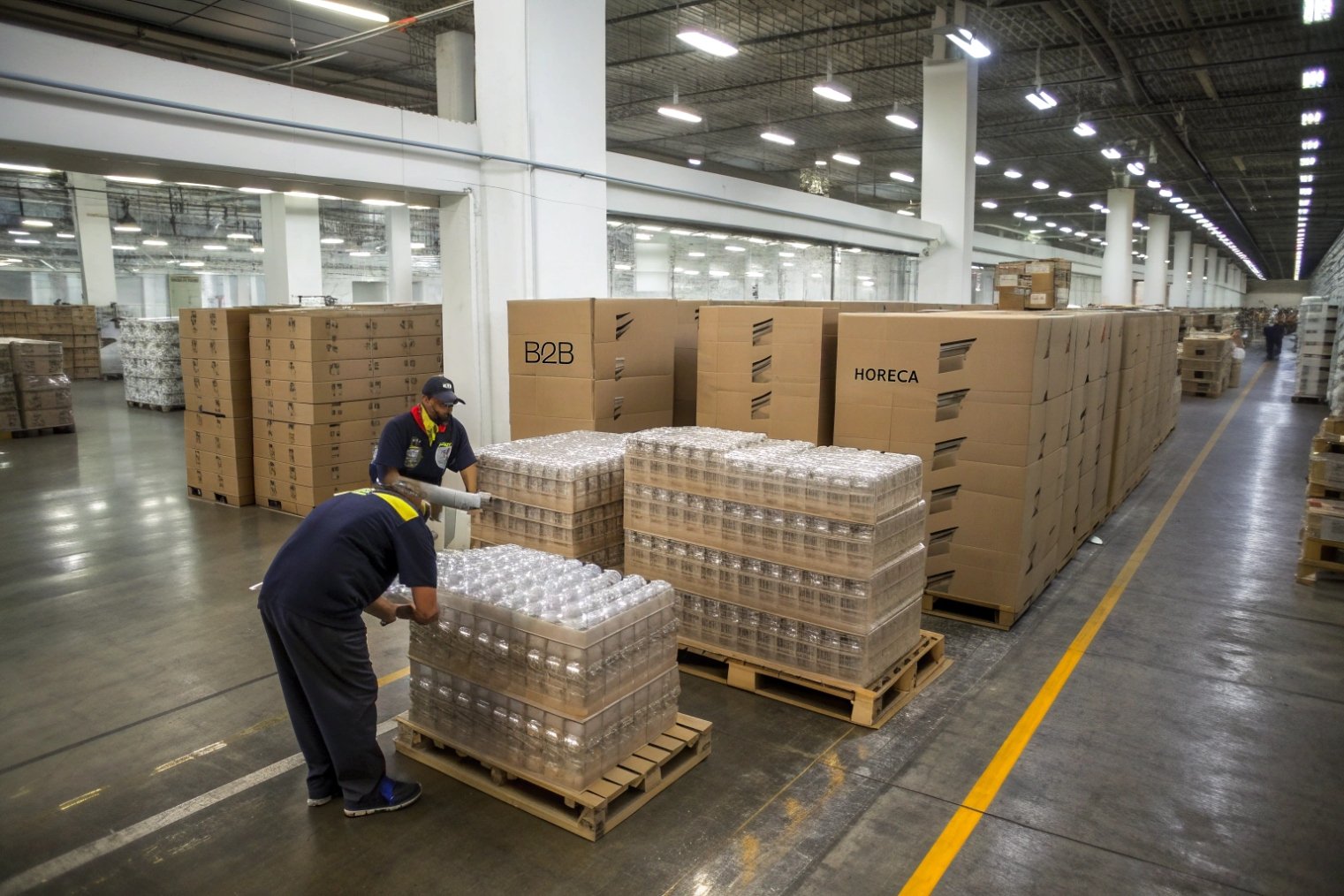
Design inner packs and cartons for cube, not just protection
Start from your most common order pattern. For horeca distributors, it is usually full cartons and pallets. For retail, it is often multi-pack gift cartons inside master cartons.
For horeca and B2B:
- Use plain brown master cartons with tight-fitting dividers
- Aim for 6, 12, or 24 pieces per inner so kitchen staff can count and store easily
- Use stackable glass shapes so you can nest the cups and reduce carton height
For retail:
- The consumer carton is often non-negotiable (branding, photos, barcodes)
- Work on the master carton: fit as many consumer packs as possible while staying under weight limits for manual handling
A simple structure:
| Pack type | Typical content | ROI impact |
|---|---|---|
| Horeca master | 12–24 loose or simple inner | Lower packaging cost, faster picking |
| Retail consumer | 4–6 branded cups | Higher margin per unit, gift appeal |
| Retail master | 4–8 consumer packs | Better cube and pallet fill |
Specify board strength and dividers to match your tempered / non-tempered mix. Tempered glasses survive better, so you can sometimes reduce packaging weight without increasing breakage.
Optimize palletization and freight
Pallet layout is where you win or lose your landed cost per unit. Good palletizing and pallet patterns 3 are not “warehouse details”—they are margin.
Key ideas:
- Design carton dimensions to fit whole layers on standard pallets (EU and US sizes)
- Avoid “air” on pallets. Every empty corner is paid freight with no revenue
- Stick to a repeatable pallet pattern for each SKU and document it with your 3PL
The formula is simple:
Landed cost per cup = (EXW price + packaging + freight + duty + expected breakage) ÷ sellable units
You cannot change duty. You may not want to push EXW price too hard if that hurts quality. So the fastest lever is freight and breakage per pallet, which you improve through:
- Stable, column or interlock stacking
- Good stretch wrap pattern and corner protection
- Clear AQL on damage and carton crush so the factory aligns with your expectations
Once you have a good pallet design, lock it in your spec sheets. Changing it later often costs more than it saves.
Which branding and printing methods boost recall without high scrap?
Logos on cups turn every pour into free advertising. But every extra color and pass on the line raises scrap rates and cost.
Use simple, high-contrast prints or etching in 1–2 colors, placed in low-risk areas, and validated for dishwasher safety to build brand recall without turning your deco line into a bottleneck.
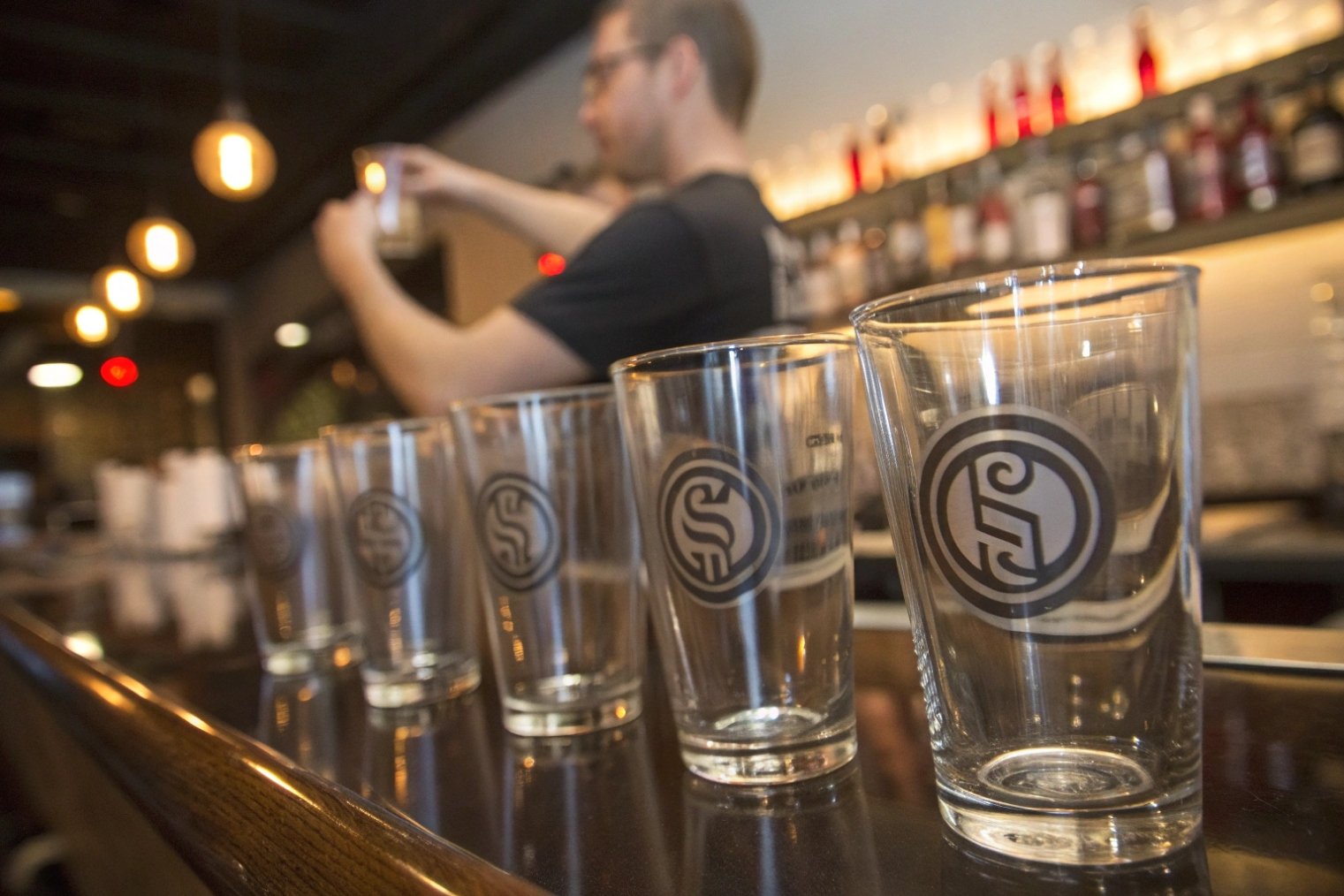
Choose decoration methods with stable yield
The main techniques for glass cups are:
| Technique | Look and feel | Scrap / risk level |
|---|---|---|
| Single-color screen print | Clean logo, simple text | Low, fast, good dishwasher performance |
| Multi-color screen print | Strong branding, complex art | Medium, more registration loss |
| Decals / heat transfers | Full-color graphics | Higher, more handling steps |
| Laser etching | Subtle, premium, clear-glass look | Low scrap, higher unit cost |
| Full-sleeve print / coating | Max shelf impact | Highest complexity and risk |
If ROI is the goal, I usually start with:
- One-color front logo in a safe, mid-height zone
- Possibly a small back mark for volume lines or website
- A color that matches the brand but also hides minor scuffs (dark grey, deep green, navy, etc.)
This keeps pass count low and line speed high. Scrap from mis-registration, pinholes, or color contamination stays manageable.
For hospitality promotions, where cups see heavy wash cycles, I favor high-fired inks or etched marks, both tested for:
- Lead and cadmium limits on food contact
- Commercial dishwasher exposure (many cycles)
Balance brand ambition and production reality
Marketing teams love full-wrap, multi-color designs. Production teams see yield loss and line stops. ROI sits between them.
To keep that balance:
- Limit permanent “hero” print designs to SKUs with strong volume forecasts
- Use removable sleeves or carton artwork for seasonal campaigns instead of over-decorating the glass itself
- Set clear print AQL and decorate sample batches before full runs
A practical approach:
- For core horeca SKUs: simple logo or measuring line only (high yield, long life)
- For retail gift SKUs: one or two strong designs with 2–3 colors, but only on 1–2 cups in the range
- For co-branded or short-run promos: minimal change to base glass; use transfer prints with strict scheduling and pre-approved artwork
By keeping the deco program simple at the core and experimental at the edges, you raise brand recall per dollar instead of per broken glass.
How should you forecast demand to negotiate price breaks and MOQs?
The fastest way to lose ROI is to win a great price and then sit on too much stock. The second-fastest is to under-order and miss price breaks.
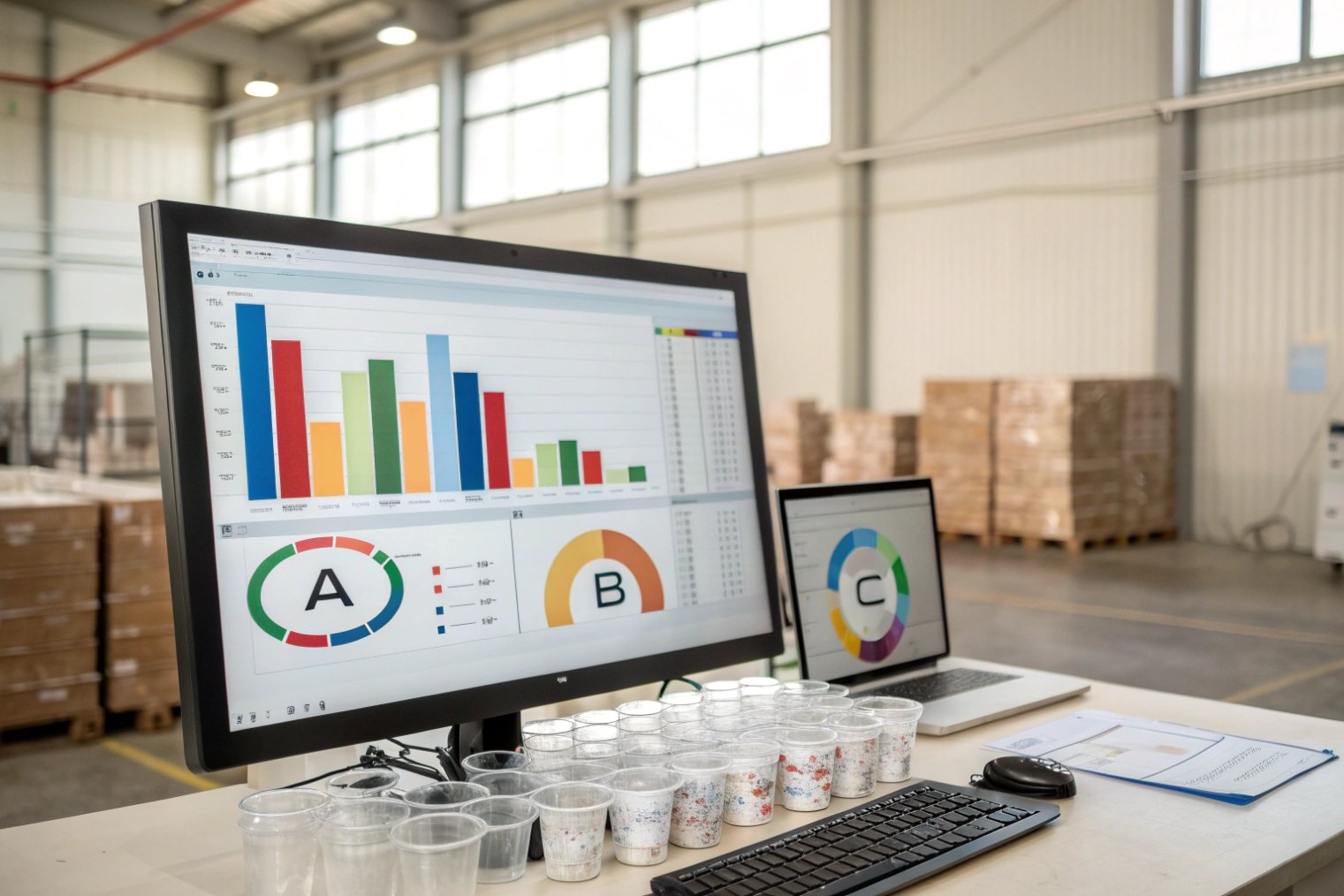
Use simple, rolling forecasts and ABC analysis to cluster SKUs by volume, then negotiate price breaks and MOQs around total family demand instead of treating each SKU as an island.
Build a basic demand picture that suppliers can trust
You do not need a big system to start. Even a spreadsheet helps if you are consistent. For each SKU or SKU family:
- Track monthly sales (units, revenue, margin)
- Identify A, B, C SKUs by volume using ABC inventory analysis 4:
- A = top 20% SKUs that drive ~80% volume
- B = middle 30–40%
- C = long tail
For A SKUs:
- Create a 3–6 month rolling forecast based on history, confirmed contracts, and seasonality
- Share this with your glass supplier, not as a promise, but as a planning signal
For B and C SKUs:
- Order less often and be stricter with MOQ
- Kill or consolidate low-performing SKUs instead of feeding them forever
When you negotiate, show your supplier the total family volume (for example, “all 300 ml tumblers” or “all double-wall cups”), and ask for price breaks that apply across colors or small variations. This helps you reach higher tiers without over-ordering any single SKU.
Shape MOQs and price breaks around your cash and warehouse
Every supplier has its MOQ ladder (e.g., 1 pallet, 3 pallets, 1× 20′ container, 1× 40′ container). Your job is to:
- Map those steps to your sell-through speed and warehouse space
- Decide how many months of cover you are willing to hold for A vs B vs C SKUs
A practical rule:
- For A SKUs: hold 2–4 months of demand if lead times are long (import) and you have price breaks at container level
- For B SKUs: stay nearer to 1–2 months, buy when you can consolidate with A SKU orders
- For C SKUs: treat as seasonal or special; buy small, accept higher unit costs, or drop them
To keep orders lean while still earning price breaks, it helps to sanity-check your buy sizes against economic order quantity (EOQ) 5 thinking (even if you do not run a perfect EOQ model).
When you sit with suppliers, you can then say:
- “We will commit to X thousand pieces per year across this family if you give us price break Y and accept mixed pallets of sizes and colors.”
This turns you from a small, random buyer into a planned partner. It also gives you leverage to ask for:
- Better payment terms
- Flexibility on color or packaging tweaks
- Support on QC and AQL targets that protect your margin
Conclusion
If you treat glass cups as a system—assortment, packaging, printing, and planning—you turn a fragile product into a steady, repeatable profit line for both horeca and retail.
Footnotes
-
Quick definition of HoReCa buyers and why their purchasing behavior favors tight, repeatable cup ranges. ↩ ↩
-
Explains tempered/toughened glass and why it improves impact resistance for high-breakage horeca environments. ↩ ↩
-
Overview of palletizing methods that affect pallet stability, cube utilization, and damage rates in transit. ↩ ↩
-
Simple framework for ranking SKUs by volume/value so you stock A items deeply and cut long-tail inventory. ↩ ↩
-
EOQ concept for balancing ordering costs versus holding costs when deciding pallet/container buys. ↩ ↩






