

Wet batch looks harmless, but it steals melt energy, drives foaming 1, and makes quality drift. Then defects show up where nobody expects them.
Moisture control is one of the cheapest ways to stabilize melting, reduce foaming, and cut seeds. Set clear limits, store correctly, test fast, and act before the furnace reacts.
Build a moisture-control system, not a one-time check
Moisture is not only “water in a pile.” It is a moving target that changes with rain, humidity, silo breathing, truck covers, and how long a material sits. So the best control is a system with four parts: targets, prevention, verification, and response. When these four parts are linked, moisture stops being a surprise and becomes a managed number.
Define moisture as two different risks
There are two moisture risks that need different actions:
-
Free moisture: water that can drain, drip, or evaporate fast. This drives clumps, bridging, and fast steam bursts.
-
Bound moisture: water held in pores or as hydration. This releases slower, but it still costs energy and shifts batch behavior.
Use a simple “traffic light” for the shop floor
Operators need rules that are easy to follow in real time. A traffic light approach works well:
-
Green: inside target, run normally.
-
Yellow: close to limit, increase test frequency and tighten storage control.
-
Red: above limit, dry, blend, or reject.
Make moisture limits match the material role
Fine powders (soda ash 2, fine sand) pick up water faster and also cake faster. Cullet 3 carries surface water and trapped water in fines. Carbonates can hold water and also change flow when wet. So moisture limits should not be one number for all materials.
| …Material group | Why moisture hurts it | Best prevention focus | Best verification focus |
|---|---|---|---|
| Sand | clumps + carryover + melt delay | covered silos + dry air | LOD + sieve trend |
| Soda ash | caking + chloride carry + foam risk | sealed silo + dry transfer | Karl Fischer or fast LOD |
| Limestone/dolomite | flow drift + cold spots | covered bins + FIFO | LOD + PSD |
| Cullet | steam bursts + foam + redox swings | drainage + drying | belt moisture + LOD |
A moisture program becomes strong when it is tied to furnace KPIs. When moisture rises, operators often see foaming, higher fuel, and more seeds 4 first. If incoming inspection catches it early, the furnace stays calm.
Moisture control also supports sustainability. A drier batch melts with less fuel and fewer emergency corrections. That is the real value at scale.
Keep reading because the next parts give practical moisture limits, storage steps that actually work, test methods that are fast and reliable, and clear furnace adjustments when moisture still slips through.
What moisture limits should be set for silica sand, soda ash, limestone/dolomite, and cullet?
Moisture limits only help when they are realistic and tied to actions. If the limit is too strict, it gets ignored. If it is too loose, the furnace pays.
Typical targets are sand ≤0.2–0.5%, soda ash ≤0.2–0.3%, limestone/dolomite ≤0.2–0.5%, and cullet ≤0.2–1.0%. Use tighter limits for lightweight flint and high cullet campaigns.

Set two numbers: a target and a hard max
A target keeps daily control tight. A hard max defines when drying or rejection starts. This avoids arguments at the scale house.
Suggested limits that work in many container plants
These ranges match common plant behavior and the example you shared. They should be validated by your own furnace response and local climate.
| Raw material | Target moisture % | Hard max % | Notes for practical use |
|---|---|---|---|
| Silica sand 5 (dry) | 0.2–0.4 | 0.5 | fines + moisture raise carryover fast |
| Soda ash | 0.1–0.2 | 0.3 | hygroscopic, cakes fast, salts matter |
| Limestone 6 | 0.2–0.4 | 0.5 | wet carbonate causes clumps and cold spots |
| Dolomite | 0.2–0.4 | 0.5 | same as limestone, watch PSD stability |
| Cullet (clean, drained) | 0.2–0.6 | 1.0 | depends on washing, fines, and storage |
| Cullet (unwashed or rainy season) | 0.5–0.8 | 1.0 | require drying step or blending rule |
Tighten limits when the product is sensitive
Some product families are less forgiving:
-
Lightweight bottles: less thermal mass, more sensitive to bubble and cord spikes.
-
High cullet runs: moisture pushes foam and redox drift faster.
-
Flint glass: color and seed visibility are stricter, so stability matters more.
Add a simple blending rule
Sometimes a lot is slightly high but still usable with blending:
-
If a high-moisture cullet lot is still clean, blend it with drier cullet to hit target.
-
Do not blend if the lot also has high organics or high fines. Moisture plus organics is a foam trap.
A moisture limit is not only a QC number. It is an operating promise to the furnace team. When the incoming gate is real, the furnace stops chasing foam and seed spikes.
Which storage and handling practices—covered silos, dehumidified rooms, heated conveyors, and silo aeration—best prevent moisture pickup?
Most moisture problems are created after delivery, not before delivery. The material arrives acceptable, then it sits in a bad place, and the plant “adds water” by accident.
The best prevention is sealed or covered storage, dry air in transfer, short residence time, and smart condensation control. Heated conveyors help in cold climates, but dry-air management usually gives the biggest win.
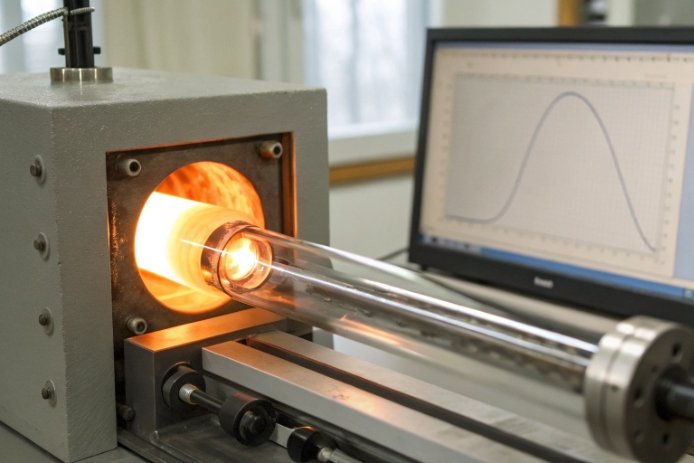
Stop rain and stop condensation
Rain is obvious, but condensation is quieter. Condensation happens when warm moist air hits a cool silo wall or a cool conveyor. Night cooling can trigger it, even when it never rains.
Key controls:
-
Covered unloading points and sealed hatches.
-
Insulated silos in high swing climates.
-
Avoid drawing humid outside air into cold silos.
Control “silo breathing”
Silos breathe as they fill and empty. If they inhale humid air, moisture rises inside. A good setup uses:
-
Filtered, dry make-up air for silos holding soda ash and fine sand.
-
Desiccant or dehumidified air for the most hygroscopic materials.
-
Silo aeration only when the air is dry and filtered. Aeration with silo breathing 7 humid air makes caking worse.
Keep transfer lines dry and simple
Every open transfer point is a moisture pickup point. The best plants reduce open time:
-
Covered belt conveyors.
-
Enclosed screw conveyors for hygroscopic powders.
-
Short transfer runs with fewer drop points.
Heated conveyors can help when:
-
…ambient temperature is low,
-
snow or freezing fog is common,
-
and condensation is frequent.
Still, heat without ventilation can trap moisture. Dry air and good sealing should come first.
Use FIFO and “maximum open time”
A material that sits longer absorbs more moisture. A clear FIFO rule is easy and effective:
-
Date each lot at receipt.
-
Set a maximum storage time for open bins.
-
Do not leave part-open big bags in humid areas.
| Risk point | What causes moisture pickup | Best fix | Simple daily check |
|---|---|---|---|
| Unloading | rain, wet truck covers | covered dock + fast close | visual + moisture spot test |
| Silo top | humid air intake | dry make-up air | dewpoint log |
| Conveyors | open belts, cold metal | covers + insulation | condensation inspection |
| Storage bins | long residence | FIFO + max days | lot aging list |
When these practices are stable, moisture variance drops more than any lab test can fix. Prevention is always cheaper than drying.
Which test methods (loss on drying at 105 °C, Karl Fischer for soda ash, online IR/moisture analyzers) give fast, reliable moisture verification?
A moisture plan fails when testing is slow. The plant needs fast checks for decisions and deeper checks for audits.
Use loss on drying (LOD) at 105 °C for routine checks, Karl Fischer for soda ash and low-moisture powders, and online IR/NIR or microwave sensors for cullet belts and batch conveyors to catch drift in real time.

LOD at 105 °C: the workhorse
LOD is simple and cheap. It works well for sand, limestone, dolomite, and many cullet samples. The key is consistency:
-
same sample mass,
-
same pan type,
-
same time and airflow,
-
and a standard cool-down in a desiccator before weighing.
LOD can over-read if the material releases more than water at 105 °C. That is why it is best for “moisture control,” not for full LOI chemistry control.
Karl Fischer: best for soda ash and low levels
Soda ash can hold low moisture that still matters for flow and caking. …Karl Fischer (KF) gives fast and accurate water measurement at low levels. It is a good method when:
-
the target moisture is below 0.2%,
-
and decisions must be precise.
Online analyzers: best for cullet and continuous control
Cullet moisture changes by weather and by washing performance. Online sensors help because they measure continuously:
-
NIR/IR sensors can work on moving belts.
-
Microwave sensors can be strong for bulk moisture in some materials.
-
A simple “belt scale + moisture” model helps calculate real dry mass flow, so batch ratios stay correct.
Online sensors need calibration and cleaning. They should be validated with loss on drying 8 samples.
| Method | Speed | Best materials | Strength | Common weakness |
|---|---|---|---|---|
| LOD 105 °C | 30–90 min | sand, carbonates, cullet | simple and cheap | needs stable procedure |
| Karl Fischer 9 | 5–20 min | soda ash, low moisture powders | accurate at low % | requires chemical handling |
| Online NIR/IR | real time | cullet, belt-fed solids | catches drift fast | needs calibration and clean optics |
| Online microwave | real time | bulk solids | good penetration | sensitive to density changes |
Sampling rules matter as much as the instrument
Moisture is not uniform. Sampling should match the flow:
-
Take multiple increments across time during unloading.
-
Composite and mix before sub-sampling.
-
For cullet, sample both coarse and fines, because fines hold more water.
Fast and reliable moisture verification comes from a layered approach: online trending for speed, plus LOD/KF for truth checks.
How does excess moisture impact batch yield, SO₃ release/foaming, seeds, and energy use, and what furnace or batch adjustments mitigate it?
Moisture does not only “use energy to evaporate.” It changes the melt surface chemistry and the gas-release timing. That is why it can create foam and seeds even when chemistry is correct.
Excess moisture lowers batch temperature, drives steam bursts, increases foaming sensitivity, disrupts SO₃ fining timing, raises seeds, and increases fuel per ton. Mitigation is a mix of drying, charge control, and fining/redox stabilization.

What moisture does inside the furnace
1) Energy penalty
Water must be heated and vaporized. That energy comes from the furnace, so melt temperature stability drops.
2) Batch blanket cooling
Steam release cools local zones. Cooler zones slow melting and can increase unmelted carryover.
3) Foaming and sulfate sensitivity
Moisture can change how sulfate reactions behave on the melt surface. It also increases bubble nucleation and can stabilize foam, especially when organics or salts are present. Foam blocks heat transfer. Then operators fire harder. That can raise NOₓ and can increase volatility issues.
4) Seeds and cords
When melting slows and refining timing shifts, bubble removal becomes less effective. Seeds rise. Uneven melting can also raise cords because mixing becomes harder.
What “batch yield” means in this context
Wet batch changes the effective dry mass flow. If the plant charges by wet weight, the true oxide feed rate drops. That can shift composition slightly, then quality drifts. So moisture control is also a batch accuracy control.
Mitigation actions when moisture is high
Prevention should come first, but response rules are still needed:
Batch-side actions
-
Reduce charge rate for a short window to calm foam.
-
Increase cullet drainage or use a dryer for cullet in rainy periods.
-
Blend wet cullet with dry cullet to hit the target.
-
Correct batch weights using measured moisture so oxide feed stays correct.
Furnace-side actions
-
Stabilize combustion and avoid sudden reducing swings.
-
Adjust temperature profile gently to recover refining, not by shock heating.
-
…Watch fining behavior. If seeds rise, it may need a fining window tune, but only after moisture is back under control.
| Symptom | Likely moisture-driven cause | Fast response | Longer-term fix |
|---|---|---|---|
| Foam increases | steam + salts/organics | slow charge, dry cullet | tighten cullet moisture/organics spec |
| Seed spike | refining timing shift | stabilize pull, recover refining | adjust fining after moisture control |
| Higher fuel/ton | evaporation + foam | reduce foam, stabilize blanket | storage upgrades, online moisture control |
| Composition drift | wet-weight charging error | correct batch weights | auto correction from moisture sensors |
A simple “mitigation ladder” that keeps decisions consistent
-
Step 1: confirm moisture with a fast test.
-
Step 2: correct batch dry mass flow.
-
Step 3: slow the charge if foam risk is visible.
-
Step 4: dry or divert the wet lot.
-
Step 5: only then consider SO₃ fining 10 or redox adjustments.
This order matters. Many plants try to fix foam with chemistry first. That usually creates a second problem. Moisture control is the first fix because it removes the root cause.
Conclusion
Moisture control works when limits are clear, storage blocks pickup, testing is fast, and response rules protect the furnace. Stable moisture means stable melting, lower foam, fewer seeds, and lower energy use.
-
Research on foam formation and stability in glass melts. ↩
-
Detailed guide on soda ash’s role in melting. ↩
-
Best practices for moisture control in recycled glass. ↩
-
Overview of small bubble defects caused by furnace issues. ↩
-
The function and importance of silica in glass making. ↩
-
Specifications for glass-grade calcium carbonate. ↩
-
Guide to silo design and preventing flow problems. ↩
-
Explanation of the LOD method for moisture determination. ↩
-
Principle of titration for accurate water measurement. ↩
-
Chemistry of sulfate decomposition and bubble removal. ↩






