
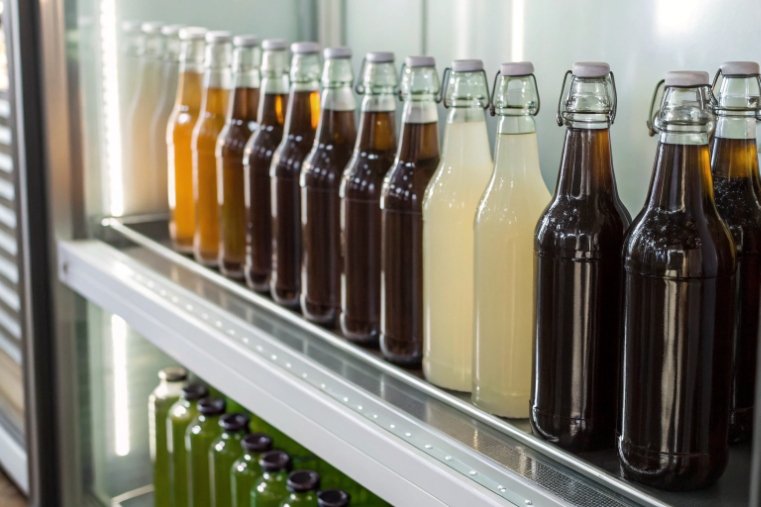
New drinks launch faster than ever. But if the packaging feels old-fashioned 1, even the best formula struggles to win space on the shelf and in the fridge.
Glass can match RTD, cold-brew, and functional drink trends when we update closures, formats, and decoration, and combine them with lightweight, e-commerce-ready, recycled-content designs.
When you treat the bottle as part of the product story 2—not just a container—you unlock higher conversion, better protection for active ingredients, and a stronger sustainability message.
What closures and liners support RTD, cold-brew, and functional drinks?
RTD coffee, kombucha, protein drinks, and functional shots all push packaging in different ways. Some carry pressure, some are acidic, some use dairy or plant proteins that are sensitive to oxygen.
Closures and liners for modern drinks must balance leakproof performance, pressure or vacuum needs, and chemical compatibility with acids, coffee, proteins, and added functional ingredients.
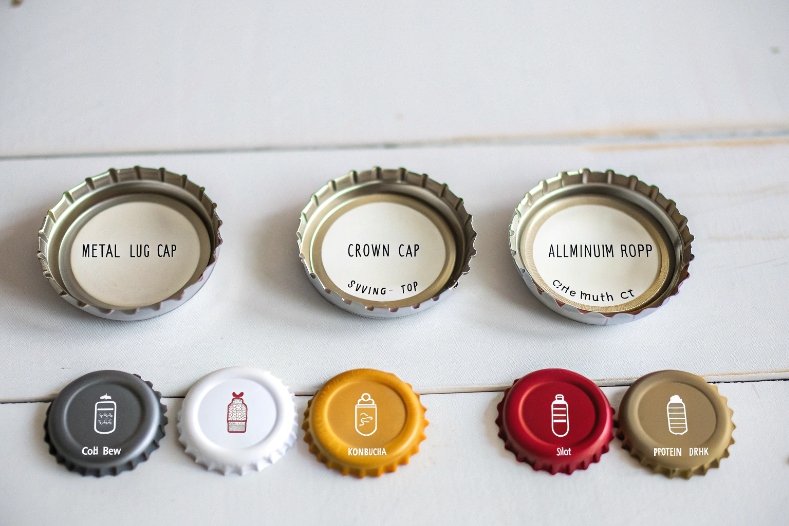
Matching closure systems to drink types
For these categories, one closure style never fits all. In real projects, teams usually start by mapping drink family and process:
- RTD cold-brew coffee and tea 3.
- Fermented drinks like kombucha 4.
- Functional drinks with vitamins, botanicals, or probiotics.
- Protein and dairy-based beverages.
Each group demands different sealing solutions. RTD cold-brew with nitrogen may need higher pressure resistance and good oxygen barrier. Kombucha can continue fermenting in the bottle, so closures must tolerate some internal pressure and still stay sealed. Functional drinks with acids or essential oils need liners that do not swell or lose elasticity.
A simple “one liner for everything” approach becomes expensive later through leaks, swollen gaskets, or flavour changes. When you decide early, you save a lot of trouble on the line and at the retailer.
Typical closure options by segment
| Segment | Recommended Closure | Liner / Gasket Focus |
|---|---|---|
| Cold-brew coffee / tea | Metal lug / CT cap | Good oxygen barrier, coffee-compatible |
| Kombucha / light fermented | Crown, lug, or swing-top | Pressure resistance, venting strategy |
| Functional juices / shots | Plastic CT / aluminum ROPP | Acid-resistant, tight seal, tamper band |
| Protein / dairy RTD | Wide-mouth CT cap | Strong seal, good washing resistance |
Liners, gaskets, and tamper evidence
Two design layers often decide real-world performance: the liner material and how you show tamper evidence.
- Liners: For acidic and high-brix drinks, you lean toward liners that resist swelling and keep compression set low over time. For oxygen-sensitive drinks (cold-brew, functional juices), barrier liners can extend shelf life.
- Tamper evidence: Breakable bands, foil induction seals, and shrink sleeves help consumers trust a product that may look very “fresh” but moves through long chains.
For functional and “better-for-you” brands, transparency and safety matter. A tamper-evident, leakproof closure is not just a technical detail; it is part of the promise.
Quick compatibility checklist
| Question | Why It Matters |
|---|---|
| pH and ingredient profile? | Guides liner material choice |
| Carbonation / fermentation risk? | Sets pressure rating for closure + glass |
| Hot-fill, cold-fill, or tunnel-pasteurize? | Impacts liner thermal resistance |
| Required shelf life in months? | Drives barrier level |
| Need visible tamper evidence? | Influences band, sleeve, or foil choice |
When closure and liner decisions are made together with glass design, RTD and functional drinks stay safe, stable, and on spec through the full shelf life.
How do e-commerce drop tests and leakproof seals shape bottle specs?
Ten years ago, packaging was designed mainly for pallets and store shelves. Now half the conversation is “What happens when the parcel carrier throws it over the gate?”
E-commerce pushes glass to survive higher drops, more vibration, and unpredictable handling, which means bottle specs must consider drop performance, finish strength, and leakproof seals together with outer packaging.
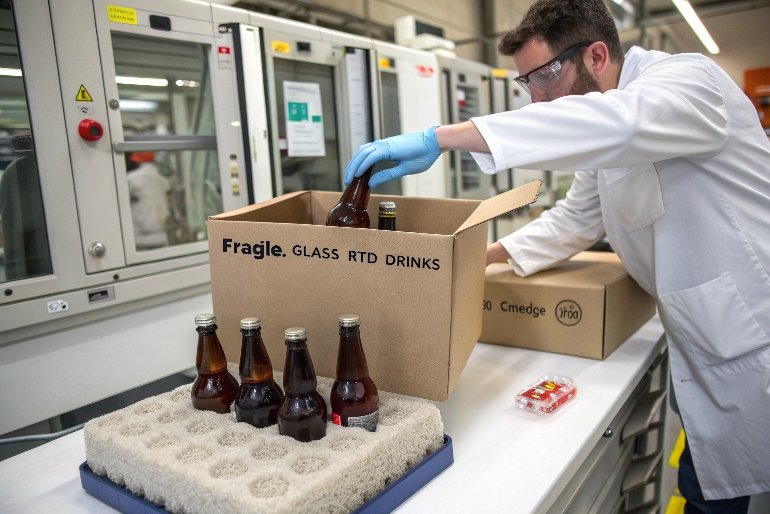
Designing for drops, not only pallets
E-commerce tests 5 often simulate:
- Multiple drops from 60–90 cm on different orientations.
- Edge and corner impacts on boxes.
- Stacking with mixed, unknown loads.
For glass, that means you cannot rely only on a thick wall. You need:
- A strong heel with proper radius and base thickness.
- Enough shoulder radius to avoid ring cracks under shock.
- A finish that can handle torsion and impact without chipping.
If drop testing shows weak spots, it is often cheaper to adjust glass distribution and geometry than to dramatically overbuild the shipper carton.
Bottle and closure factors for e-commerce
| Feature | Risk in E-commerce | Design Response |
|---|---|---|
| Thin heel ring | Heel cracks on edge drops | Increase radius and local thickness |
| Sharp shoulder | Circumferential cracks | Smooth, larger radius |
| Brittle finish | Chips → leaks and returns | Robust support ring, good annealing |
| Weak seal torque | Caps loosen under vibration | Correct torque window + liner compression |
Leakproof design with real shipping in mind
A seal that passes a quick upside-down test in the factory may still fail after days of vibration and temperature changes in transit. For D2C and marketplace channels, you often:
- Run combined drop + pressure + leak tests with filled samples.
- Test both upright and inverted storage.
- Validate performance after simulated time and temperature cycling.
Closures may need slightly higher torque ranges for e-commerce SKUs than for pure retail lines. You also look at finish tolerances more tightly, because small ovality or height variation grows into big issues when boxes take hard knocks.
The role of the shipper and internal protection
Glass performance in e-commerce is never just about the bottle. Shipper design matters just as much:
- Die-cut inserts, pulp trays, or molded paper forms to keep bottles apart.
- Corner and edge crush strength on cartons.
- Enough cushioning to absorb energy without letting bottles collide.
When you feed e-commerce test results back into bottle spec, you usually end up with a slightly stronger heel, more shoulder radius, and a more controlled finish, not just “more glass everywhere.”
Which formats—single-serve, grab-and-go, or family-size—drive conversions?
Modern drink trends pull in two opposite directions at once: moderation and experimentation. People want smaller portions but also big, shareable formats for home.
Glass formats that convert best follow usage moments: single-serve for experimentation and on-the-go, mid-size for daily routines, and family-size for home rituals and price value.
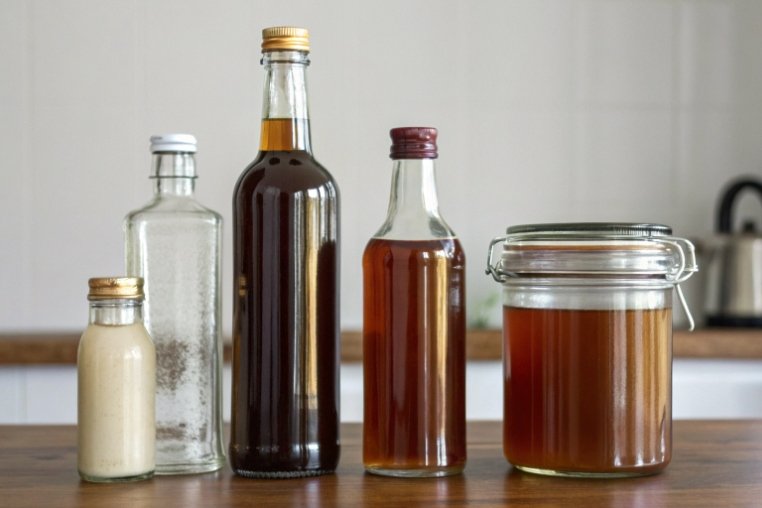
Mapping formats to modern drinking habits
In most launch briefs, format decisions usually follow four questions:
- Where is this consumed? Home, office, on-the-go, bar?
- Is it a daily ritual or an occasional treat?
- Is the product “tested once” or “bought again and again”?
- Does the brand rely on premium cues or value cues?
Answers push you to different glass sizes and shapes.
Format roles in a typical portfolio
| Format | Typical Volume Range | Main Role |
|---|---|---|
| Shots / minis | 30–100 ml | Trials, functional shots, gifting |
| Single-serve | 180–350 ml | Grab-and-go, RTD coffee, kombucha |
| Sharing / table | 500–750 ml | Wine, family juice, kombucha |
| Family-size | 1–2 L | Kitchen staples, still drinks |
Single-serve and grab-and-go formats in glass work best when you design for:
- Comfortable grip (slimmer waists, slight facets).
- Cup-holder compatibility for many markets.
- Clear portion control for moderation and low/no alcohol trends 6.
Family-size glass often sells on value plus quality: one strong bottle on the table with a clear premium look that justifies a higher price per liter than plastic.
How design cues influence conversion
Small format glass must work hard visually. It needs:
- A strong silhouette that stands out in the fridge.
- Enough decoration or embossing to feel “special,” not like a sample.
- Closure and mouthfeel that make drinking from the bottle pleasant.
For functional and low/no alcohol drinks, there is a growing use of:
- 200–250 ml sleek bottles that feel like “adult” formats.
- Thicker bases and shoulders to give a solid, premium weight in hand.
- Small embossing or engraved logos as tactile confirmation of quality.
Right-sizing for price ladders
Behind the scenes, format strategy supports clear price ladders:
| Tier | Packaging Format | Typical Use Case |
|---|---|---|
| Entry | Small PET / cans | Trials, discount channels |
| Core premium | 250–350 ml glass | RTD, cold-brew, functional daily use |
| High premium | Embossed, heavy-base glass, gift sets | Specialty, gifting, limited editions |
When glass format matches the story and price position, conversion improves not just once, but across repeat purchases.
Modern consumers want two things at the same time: “better for the planet” and “looks and feels amazing.” Glass gives you a rare chance to deliver both.
Recycled glass content, smart embossing, and premium surface finishes can lift brand perception by combining sustainability cues with tactile, visual signals of quality and care.
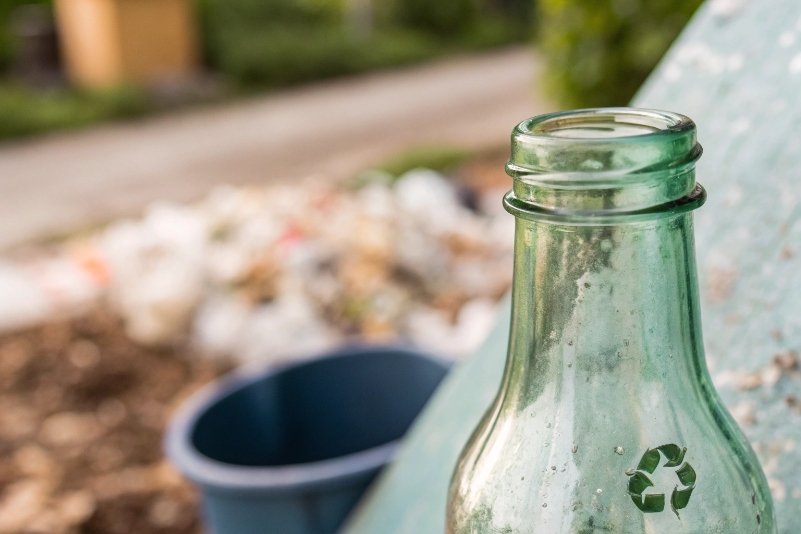
Recycled content as a visible story
High cullet (recycled glass) content 7 reduces furnace energy and raw material use. Many markets now expect brands to communicate recycled content clearly. But this message feels strongest when:
- You pick recycling-friendly colors (flint, amber, some greens).
- Labels leave “windows” so the glass itself is visible.
- Packaging copy explains recycled content in simple, honest terms.
Subtle tint changes, especially in high-recycled flint, can become part of the story rather than a defect when you explain them as “real recycled glass.”
Design choices that support recyclability
| Design Element | Better Choice |
|---|---|
| Glass color | Mass-recycled colors (flint, amber) |
| Label area | Smaller, easier to remove, washable ink |
| Closures | Common materials, no PVC, clear sorting |
| Decoration | Avoid heavy metal inks, thick coatings |
Embossing, debossing, and shape language
Embossed glass is one of the most cost-effective premium cues you can use:
- It is permanent, cannot scratch off or fade.
- It works with high cullet content and simple mono-color glass.
- It gives tactile engagement every time the bottle is held.
Logos in the shoulder, patterns around the heel, or subtle panels on the body can all create a “signature” without adding labels or extra materials. For refill and returnable programs, embossing also helps with identification.
Premium finishes that still recycle
Brands often want frosting, metallization, or special coatings. These must now be balanced against both recyclability and cost. Practical options include:
- Light spray frosting that still allows optical sorting.
- Selective coatings (for example, on the shoulder only) instead of full coverage.
- Hot-stamped or screen-printed details that avoid heavy metals and limit ink area.
Premium does not have to mean “over-decorated.” Simple, clean glass with one or two strong finish elements often looks more modern and more sustainable.
Connected packaging is becoming part of the premium look:
- Discreet QR codes or NFC tags in labels or closures.
- Digital Product Passport–ready IDs for EU markets.
- Links to origin stories, roasting notes, brew recipes, or recycling instructions.
This is where glass really shines: the bottle looks timeless on the outside, but the digital layer makes it feel current and interactive without more plastic or complex structures.
| Feature | Impact on Perception |
|---|---|
| High recycled content | “Responsible, future-oriented brand” |
| Embossed logo / pattern | “Established, confident, premium” |
| Minimal but rich finishes | “Modern, clean, high-quality” |
| Smart codes / DPP links | “Transparent, tech-aware, trustworthy” |
When you combine recycled content, thoughtful embossing, and selective finishes, glass packaging becomes both a sustainability statement and a premium object that people are proud to keep on the table—or refill again and again.
Conclusion
Glass does not have to feel old-fashioned in a world of RTD coffees, kombuchas, and functional shots. When you:
- Match closures and liners to real ingredient and process needs.
- Design for e-commerce drops as well as pallets.
- Choose formats that reflect how people actually drink.
- Use recycled content, embossing, and smart finishes as part of the story,
you turn the bottle into a visible, tactile proof of your product’s quality and your brand’s values. Modern glass packaging is not just about holding liquid; it is about protecting actives, winning attention, and making your sustainability story something people can literally feel in their hands.
Footnotes
-
Overview of packaging and labeling functions, regulations, and branding considerations in consumer products. Return ↩
-
Background on glass bottles, manufacturing, reuse, and common beverage applications worldwide. Return ↩
-
Primer on cold brew coffee production, characteristics, and growing ready-to-drink market. Return ↩
-
Detailed description of kombucha fermentation, composition, and typical commercial product styles. Return ↩
-
Industry standards for transit testing, drop performance, and packaging validation protocols for e-commerce shipments. Return ↩
-
Overview of non-alcoholic and low-alcohol beverage categories and consumer health trends. Return ↩
-
Explanation of glass recycling, cullet use, and environmental benefits of recycled-content packaging. Return ↩






