

Sustainability, regulations, and e-commerce are changing faster than many beauty packs. Leaving packaging “as is” now quietly erodes margin, brand fit, and even compliance in the next two years.
To upgrade cosmetic packaging for 2025, focus on refillable systems, lightweight and PCR glass, mono-material recyclability, verifiable carbon data, and connected QR/NFC “digital IDs” that turn every pack into a traceable, loyalty-driving touchpoint.
The good news: most of these upgrades do not require a full brand reboot. With the right glass formats, closures, and data habits, you can refresh your architecture step by step while keeping your core visual DNA.
Which 2025 trends—refillables, lightweighting, PCR glass—matter most?
Many teams feel pressure from every direction: “Make it greener, cheaper, more premium, and compliant” at the same time. It is not realistic to chase every trend with equal energy.
In 2025, the most practical priorities are refillable architectures, lighter-yet-robust glass, and smart use of PCR content—because these three levers cut waste, cut carbon, and support stronger brand storytelling with visible proof.
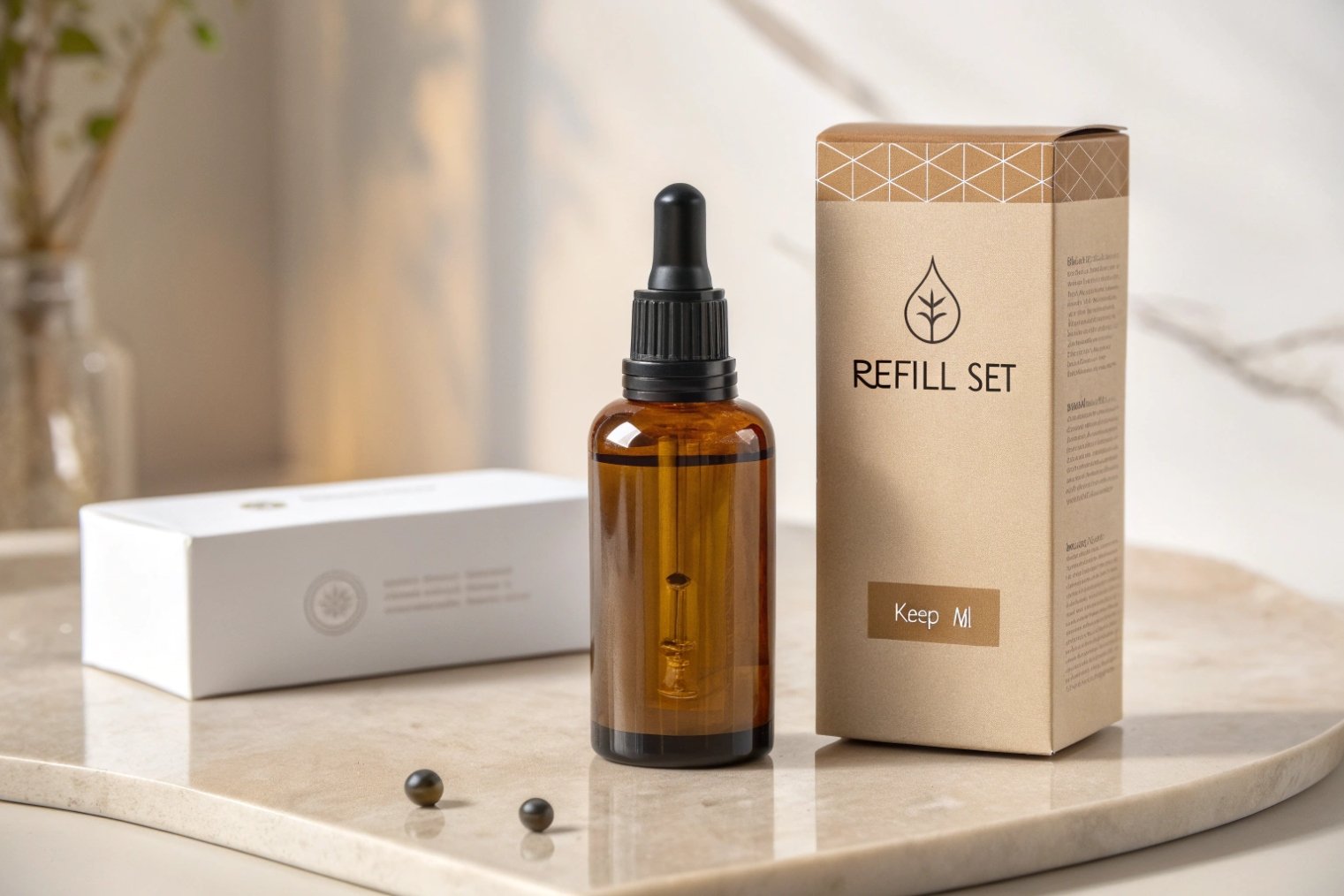
1. Refillables are moving from experiment to expectation
Refillable packs are no longer just a prestige “concept store” idea. They are becoming a credible way to reduce packaging waste in line with emerging EU packaging waste reduction targets 1.
There are three main models:
- Glass outer + refill pod (airless cartridge or thin bottle)
- Direct refill into a durable glass bottle using bulk or pouch
- In-store refill station for local markets and flagships
A simple way to start is to turn your best-selling serum or essence into a refillable set: one “forever” glass bottle, plus a separate refill SKU. It lets you test demand without rebuilding the whole line.
2. Lightweighting without losing luxury
Lightweighting used to mean “it looks cheap.” That is no longer true. With careful wall distribution and good heel/shoulder geometry, a bottle can lose 10–20% weight while still feeling solid in the hand, a strategy supported by life cycle assessment principles 2.
In many cases, small weight reductions across large volumes deliver more carbon savings than dramatic but risky structural changes.
3. PCR glass as a visible, credible signal
Post-consumer recycled (PCR) glass is one of the simplest ways to increase recycled content without changing the basic material. According to guidance from Glass Packaging Institute 3, coloured glass formats are especially well suited to higher PCR ratios.
Be honest in claims. When the bottle itself contains PCR, a small emboss or subtle back-of-pack note gives you a clean story that sustainability teams and consumers both understand.
How do you design for recyclability with mono-material systems?
Recyclability used to be a slogan. In 2025, regulators and retailers want proof that your pack actually moves through real sorting and recycling streams, aligning with recyclability design guidelines 4.
Mono-material design means choosing one dominant material per component and avoiding fussy combinations, so bottles, closures, and boxes pass real-world sorting and recycling instead of just looking “eco” in a deck.
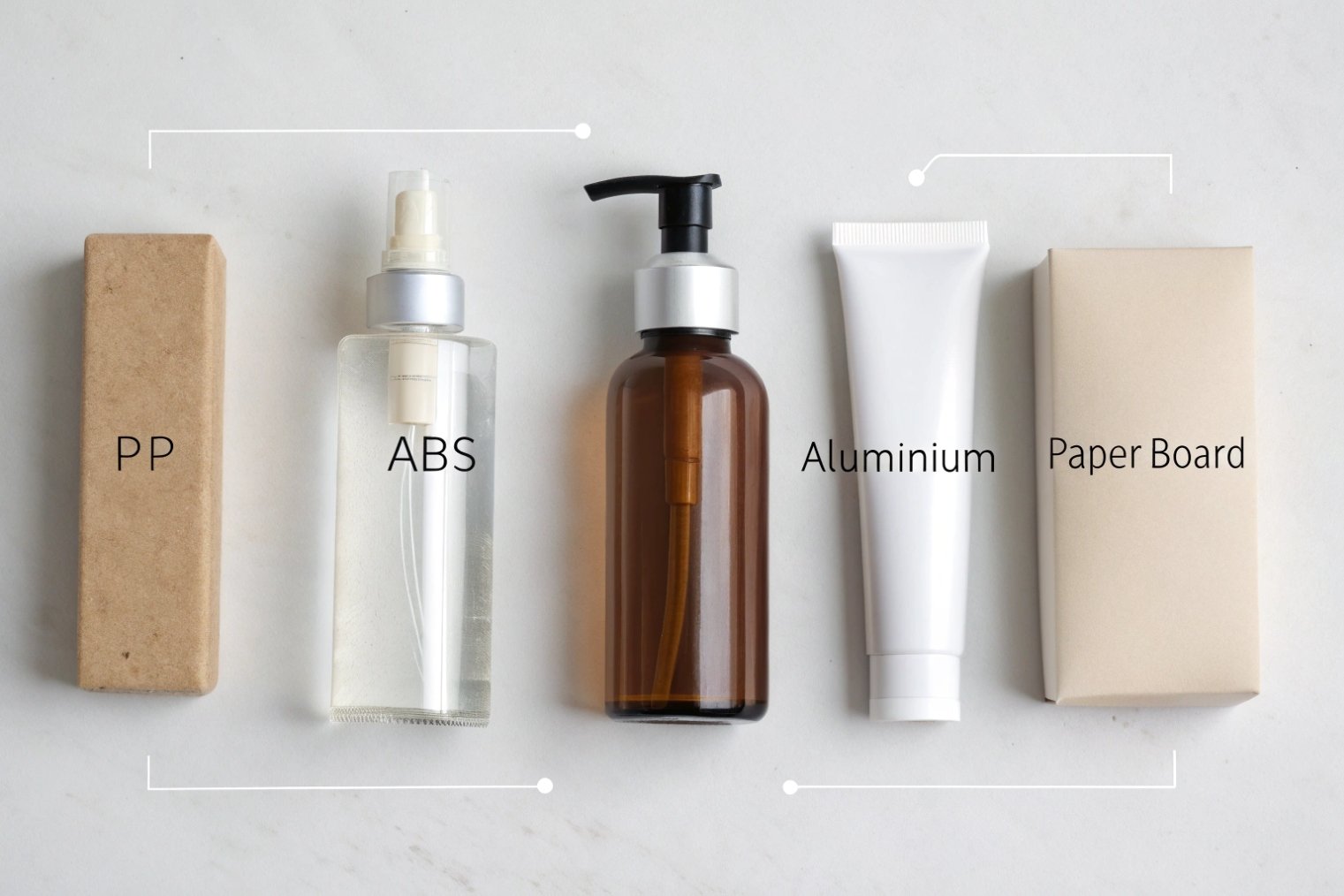
Designing pumps, caps, and decorations for easy separation often improves real recyclability more than switching materials on paper alone.
What data proves carbon reduction across your supply chain?
By 2025, many retailers, investors, and even B2B buyers ask for numbers, not just “eco-friendly” claims. That means packaging choices must plug into credible carbon and waste data, often following frameworks such as the GHG Protocol Product Standard 5.
To prove carbon reduction, you need clean material data from suppliers, basic life cycle metrics, and a simple way to show year-on-year improvement at SKU or range level.
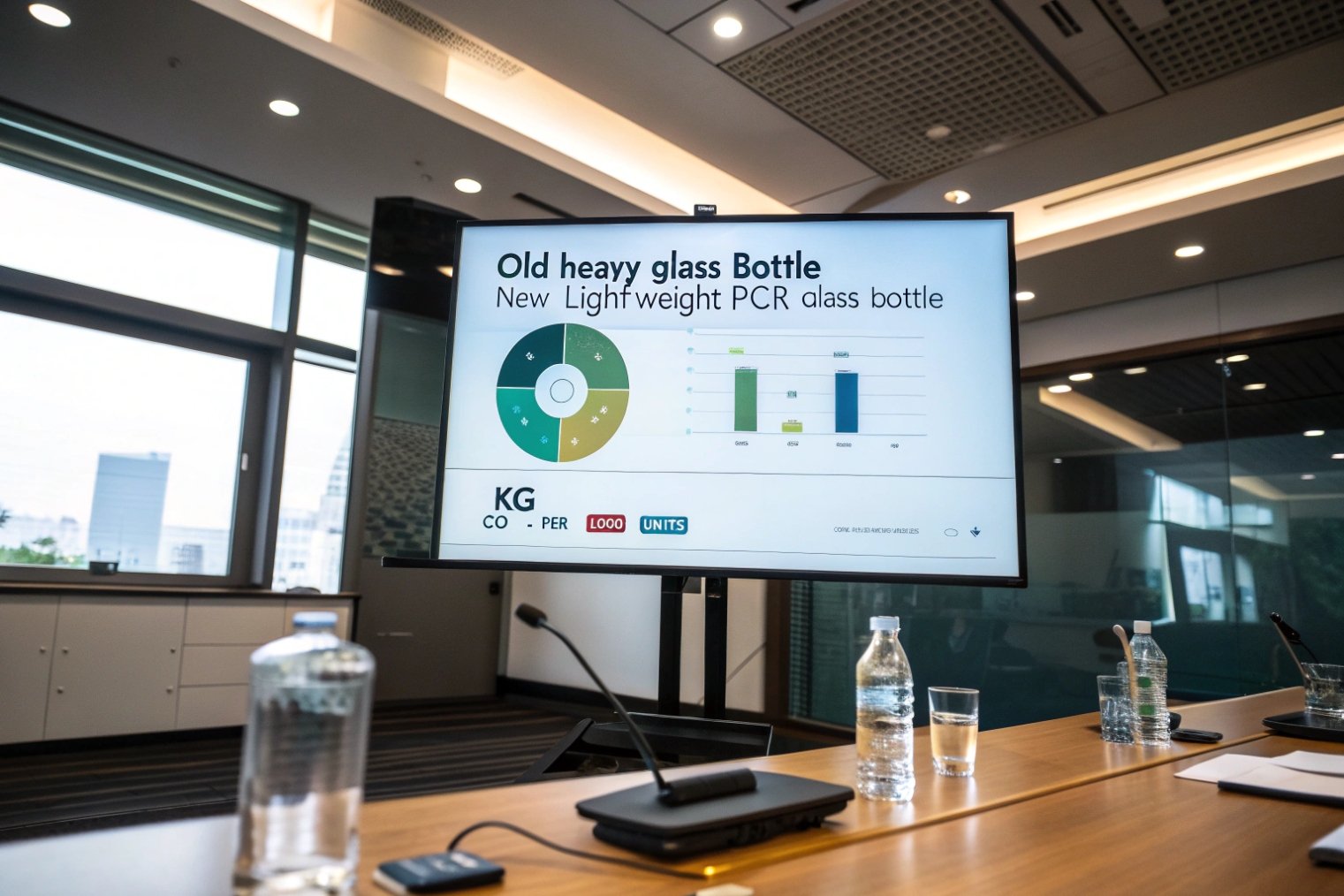
Simple, consistent metrics are often more powerful than complex one-off studies.
How can QR/NFC “digital IDs” enable traceability and loyalty?
Connected packaging is moving fast from “nice gimmick” to “practical tool”. QR and NFC “digital IDs” make each bottle a tiny data point and a direct marketing channel, echoing broader adoption of digital product passport concepts 6.
Digital IDs let you connect a physical pack to real-time information: origin, recyclability, authenticity, and loyalty rewards.
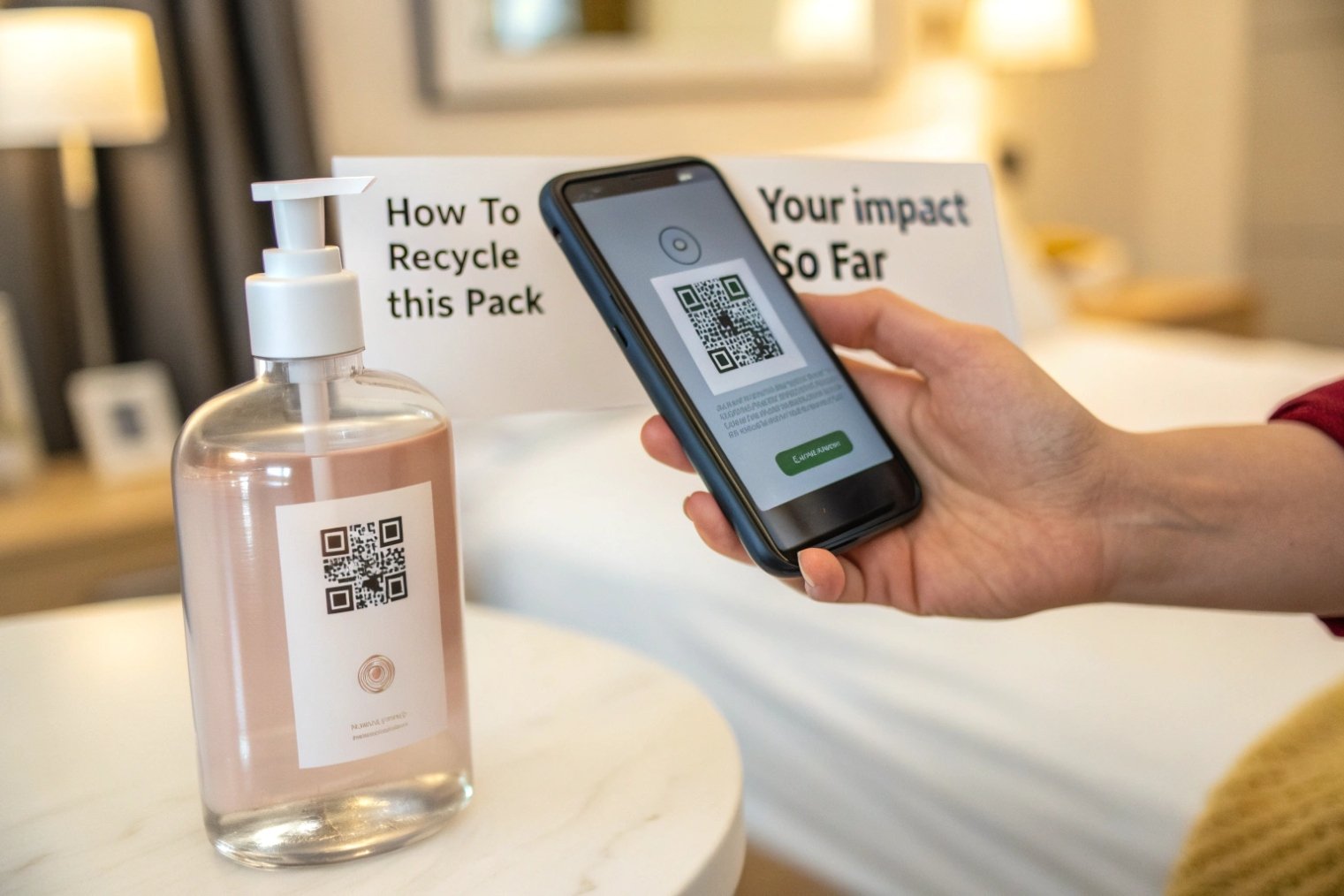
When designed well, connected packs also support anti-counterfeiting and supply-chain transparency, as outlined by GS1 traceability standards 7.
Conclusion
In 2025, cosmetic packaging wins when it looks beautiful, runs efficiently, and proves its sustainability and traceability with real data—not just claims on the box.
Footnotes
-
Explains upcoming EU packaging waste rules and why refillable systems are becoming mandatory. ↩ ↩
-
Overview of life cycle assessment standards used to compare packaging weight and environmental impact. ↩ ↩
-
Data on glass recycling rates and benefits of using post-consumer recycled glass. ↩ ↩
-
Principles for designing packaging that works in real circular economy systems. ↩ ↩
-
Framework for measuring and reporting product-level greenhouse gas emissions. ↩ ↩
-
Introduction to digital product passports and their role in traceability and compliance. ↩ ↩
-
Global standards explaining how digital IDs support supply-chain traceability and authenticity. ↩ ↩






