
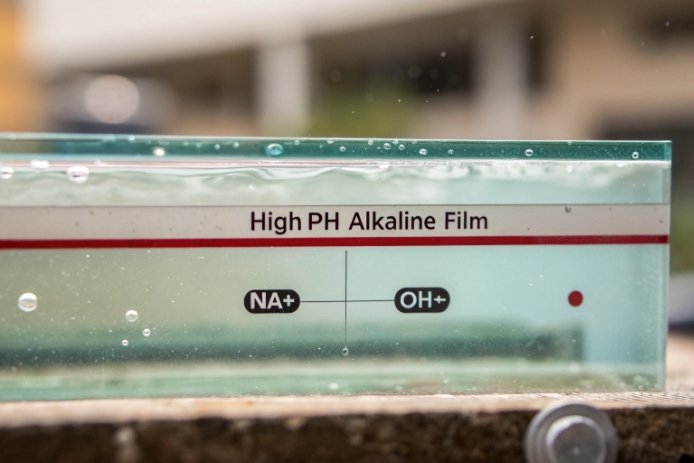
Print that passes today can fail tomorrow when labels rub off, edges feather, or pinholes appear under light. The root cause is often not the ink.
Yes. Glass composition changes surface alkalinity, defect risk, and how treatments behave, so it can shift ink wetting, adhesion, and cure margins for UV and ceramic screen inks.
The chemistry-to-printing chain that decides whether ink sticks
Screen printing 1 on glass is a surface science problem disguised as a decoration job. Ink performance depends on four links in one chain: the glass surface chemistry 2, the surface condition from handling, the energy state after pretreatment, and the ink cure path. Composition influences the first link directly, and it influences the other links by changing how sensitive the surface is to water, salts, and thermal history.
Why “surface alkalinity” is the silent adhesion killer
Soda-lime glass 3 contains mobile alkali ions 4, mainly Na⁺ and sometimes K⁺. Under humidity or a thin water film, Na⁺ can exchange with H⁺. The surface becomes more alkaline and can carry invisible salts after drying. UV inks and many adhesion promoters dislike that. A high-pH boundary layer can cause poor wetting, weak coupling reactions, or delayed failure after tape tests.
Why composition also affects curing, not only sticking
Curing is not just UV lamp power or firing temperature. Glass composition changes:
-
Thermal conductivity and heat capacity behavior across thickness zones
-
IR absorption behavior (especially with colorants)
-
Surface reactivity during flame/corona activation
Ceramic inks 5 (frit-based enamels) bond by softening and fusing to the glass surface. If the surface has crystals (devitrification), cords, or deposits, the fusion can be uneven. UV inks rely on polymerization and surface coupling. If surface energy is low or the surface is alkaline and contaminated, cure can look fine but adhesion can still fail.
A practical way to classify the risk
| What changes in the glass | What the print line feels | Typical defect | Fast confirmation |
|---|---|---|---|
| Higher alkali mobility | Wetting drift across days | Edge lift, low tape rating | DI water soak pH + conductivity trend |
| Higher Al₂O₃ / better durability | More stable adhesion | Fewer delayed failures | Tape after humidity aging |
| Devitrification tendency | Random local failures | Pinholes, crater rings, peel spots | Microscopy of defect zones |
| Cords / inhomogeneity | Repeatable bands | Opacity bands, edge fuzz | Cross-light inspection + cut section |
| TiO₂/ZrO₂ traces drift | Opacity and scatter changes | Haze, uneven white density | L*a*b* + opacity card comparison |
A small personal note belongs here (to replace later): one run looked perfect at the printer, but after a humid weekend, tape pulls dropped from “pass” to “fail.” The only change was a higher cullet lot that shifted surface alkalinity and lubricant pickup.
Once this chain is understood, the solution becomes predictable: keep composition and redox stable, remove lubricants, activate surface energy, and verify with a short QC loop that catches drift before scrap grows.
Now the details, step by step.
Which oxide levels (Na₂O/K₂O, Al₂O₃, B₂O₃) and surface alkalinity most impact adhesion and UV/ceramic ink curing?
When print adhesion varies, the first question is whether the glass surface is chemically stable across storage, washing, and handling.
Higher Na₂O/K₂O generally raises surface alkalinity risk, Al₂O₃ at controlled levels improves durability and stabilizes adhesion, and B₂O₃ can change surface chemistry and thermal behavior, so alkalinity and surface energy must be measured, not assumed.
Na₂O/K₂O: strong process helper, possible adhesion enemy
Alkalis are great for melting and forming. But for printing, they can become a long-term weakness. When alkali ions migrate to the surface and react with moisture and CO₂, they can form alkaline films or salts. Those films can:
-
Reduce wetting (ink beads or pulls back from edges)
-
Reduce silane 6 coupling efficiency (primer becomes brittle)
-
Create delayed failure after humidity or hot-wash exposure
K₂O can behave similarly. It can also shift expansion behavior, which changes stress during ceramic ink firing and cooling.
Al₂O₃: the stability lever that usually helps print repeatability
A moderate Al₂O₃ level often improves chemical durability and slows ion exchange. That usually reduces surface alkalinity drift during storage and reduces sensitivity to humid environments. In real printing lines, this shows up as:
-
More stable dyne readings after washing
-
More stable tape test performance after 24–72 hour aging
-
Fewer “mystery” adhesion drops after shipping
The trade-off is not printing. The trade-off is melting and devitrification 7 margin. So Al₂O₃ should sit in a stable window the furnace can hold without creating stones or cords.
B₂O₃: useful, but it changes the whole system
B₂O₃ can alter viscosity behavior and can influence thermal expansion. It can also change surface hydroxyl behavior and chemical durability. That can be good for some thermal shock cases, but it means the pretreatment window can change. For UV inks, surface activation and primer chemistry may need adjustment. For ceramic inks, firing curves may need tuning because the glass surface softening behavior can shift.
What matters most: measurable surface alkalinity and wetting
The most reliable control is not chasing oxide numbers alone. It is tracking surface behavior with simple metrics.
| Factor | UV ink risk | Ceramic ink risk | Best control metric |
|---|---|---|---|
| Higher alkali mobility | High (delayed peel) | Medium (edge issues after wash) | Na release / pH drift, tape after aging |
| Higher Al₂O₃ durability | Lower risk | Lower risk | Stable dyne and tape ratings |
| B₂O₃ changes | Medium (primer match) | Medium (firing response) | Process window validation by trials |
| Surface alkalinity | Very high | Medium | DI soak pH + conductivity + water break |
For both ink families, the simplest win is to treat alkalinity as a controlled input: define an acceptable Na-release/pH window and do a quick aging tape test when cullet, batch, or furnace redox changes.
Do hot-end SnO₂/SO₂ and cold-end lubricants interact with composition to change wetting and cross-hatch adhesion?
When the same ink behaves differently on two bottle lots, the difference is often not the glass bulk chemistry. It is the surface package on top of the glass.
Yes. Hot-end treatments can change surface chemistry and energy, and cold-end lubricants can block wetting; composition controls how fast the surface becomes alkaline and how strongly residues bind, which shifts cross-hatch adhesion across batches.
Hot-end SnO₂ and SO₂: protective, but not always print-friendly
Hot-end coatings are applied to improve scratch resistance and handling. They often help overall pack strength and reduce scuffing. But for printing, they can:
-
Change surface polarity and available silanol groups
-
Change how flame/corona activation behaves
-
Alter how primers anchor to the surface
If the glass composition has higher alkali leaching, the surface chemistry can also drift faster under the hot-end layer in humid environments. That drift can reduce adhesion even if the bottle looks clean.
Cold-end lubricants: the most common reason inks do not wet
Cold-end coatings and lubricants are designed to reduce line-to-line scratching. They are very useful. But they often reduce surface energy and cause wetting defects. The usual symptom is fisheyes, edge pullback, and low tape test results even when cure is correct.
Composition can amplify this problem because more alkaline surfaces can bind contaminants differently, and higher ion mobility can create a thin ionic layer that holds lubricant residues more strongly.
The real control is the cleaning + activation window
A printing line must define how much residue it can tolerate and how long the surface stays “active” after treatment. That window changes by glass family.
| Surface condition | What happens on the printer | Why composition matters | Best countermeasure |
|---|---|---|---|
| Strong cold-end residue | Beading, fisheyes | Alkaline film traps residues | Wash + DI rinse + dry, then activate |
| Hot-end coated surface | Variable primer response | Surface chemistry differs by family | Primer matched to hot-end, validate by aging |
| Humid storage before print | Tape fails after 1–3 days | Alkali migrates to surface | Control storage RH, retest dyne before print |
| Mixed bottle lots | Random peel patterns | Different surface energy histories | Lot segregation + quick dyne + tape gate |
If a line prints both flint and colored glass, separate process recipes often pay back quickly. A single “one-size” washing and activation plan is rarely stable across different surface packages and compositions.
How do devitrification, cords, and TiO₂/ZrO₂ traces from the recipe influence print opacity, edge sharpness, and pinholes?
When opacity varies or edges look fuzzy, the instinct is to change mesh, squeegee pressure, or ink viscosity. Sometimes that works. But sometimes the glass surface is the real cause.
Devitrification and cords create surface and thermal micro-variations that disturb ink wetting and cure, and TiO₂/ZrO₂ trace drift can change light scattering and surface reactivity, which shows up as opacity shift, edge spread, and pinholes.
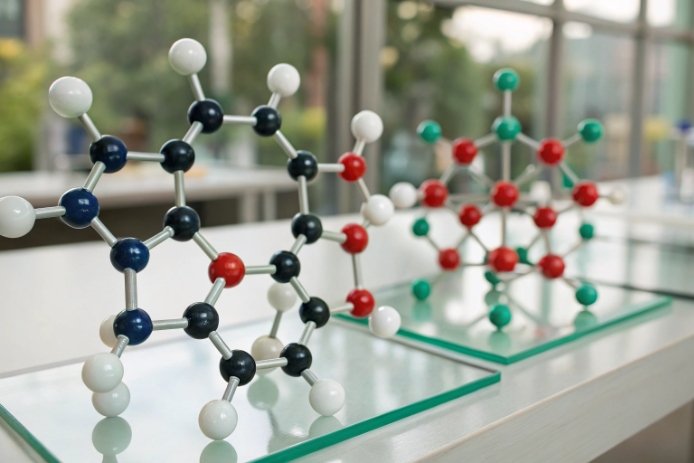
Devitrification: “non-glass islands” that break print uniformity
Devit crystals and stones are not just cosmetic defects. They change local surface energy and local thermal behavior. For UV inks, those spots can cause wetting failure and pinholes. For ceramic inks, devit spots can cause uneven fusion and micro-voids that later become abrasion failure points.
Pinholes often have two common root paths:
-
Poor wetting due to low-energy contamination or crystalline specks
-
Gas release during cure or firing, especially if the surface traps residues
A cord is a composition inhomogeneity line. Even if it is invisible before decoration, it can show up after printing as:
-
Slightly different gloss or opacity
-
A band of micro-pinhole density
-
Edge sharpness drift across a repeating zone
This happens because cords can change surface chemistry and local cooling behavior. UV cure can become uneven across the band. Ceramic firing can soften the glass slightly differently across the band, shifting the ink boundary.
TiO₂/ZrO₂ traces: small amounts, real optical effects
Trace TiO₂ and ZrO₂ can enter through raw materials or cullet contamination. Their impact depends on level and stability:
-
TiO₂ can increase scatter and shift whiteness and opacity perception
-
ZrO₂ tends to improve durability but can change melt behavior if it drifts
-
Both can interact with surface hydroxyl behavior, which can shift primer response
The key issue is not that these oxides always “hurt.” The key issue is drift. Printing is sensitive to drift because the eye sees small differences in opacity and edge crispness.
| Melt/recipe issue | Print symptom | Why it happens | Best upstream fix |
|---|---|---|---|
| Devit crystals | Pinholes, local peel | Wetting and bonding fail locally | Increase liquidus margin, stabilize forehearth |
| Cords | Opacity bands, edge fuzz lines | Local chemistry and cure response differ | Improve mixing/refining, reduce batch variation |
| TiO₂ drift | White opacity shift | Scatter and pigment interaction | Tighten cullet/raw material control |
| ZrO₂ drift | Primer sensitivity shift | Surface chemistry changes | Keep recipe window stable, verify by dyne + tape |
When these defects appear, it helps to take one printed bottle, strip the ink at the failure spot, and inspect the glass under magnification. If the glass surface shows crystals or cord lines, printing changes alone will not solve it.
What pretreatments and QC checks—flame/corona, surface energy (dynes), Na release/pH, tape/abrasion—stabilize print quality across batches?
A stable printing line does not rely on operator feel. It relies on a small set of tests that catch drift before the batch runs out.
The best stability comes from controlled cleaning, verified activation (flame/corona/plasma), and simple QC gates: surface energy targets, Na-release/pH checks, and adhesion/abrasion tests that include humidity aging.
Pretreatment sequence that works in real plants
A reliable sequence for most UV and many ceramic ink lines is:
1) Remove cold-end residue (wash/degrease)
2) DI rinse to remove ionic films
3) Dry completely to avoid water spots
4) Activate surface (flame, corona 8, or plasma)
5) Print quickly inside the activation window
6) Cure with verified energy/temperature profile
Flame treatment is strong and forgiving, especially for bottles with small residue risk. Corona/plasma can give uniform activation if equipment is tuned for bottle geometry. The choice depends on line speed and shape complexity.
Surface energy targets should be treated like a specification
Dyne pens or contact angle 9 checks are simple and fast. The exact dyne target depends on the ink and primer system, but the key is repeatability. A practical rule is to set one target range for each product family (flint, green, amber; hot-end treated vs not treated) and use it as a gate before printing.
If bottles sit too long after flame/corona, surface energy 10 drops and adhesion falls. So the line should define a maximum time between activation and printing, and it should be enforced like any other process spec.
A quick DI water soak of a defined area (or bottle zone) with pH and conductivity measurement can detect surface alkalinity drift. This is valuable after:
-
Cullet percentage changes
-
Furnace redox shifts
-
Raw material source changes
-
Long storage under humid conditions
Adhesion and durability testing should include aging
A fresh tape test can pass even if the bond will fail later. For stable performance, include at least one “stress” condition:
-
Humidity aging before tape
-
Hot water soak before tape
-
Abrasion rub after cure (dry and wet)
| QC check | What it catches | When to run | Pass/fail logic |
|---|---|---|---|
| Water break test | Oils and lubricants | Every shift start | Continuous film = pass |
| Surface energy (dynes/contact angle) | Activation and wetting readiness | Before print, after activation | Inside target band |
| Na release / pH + conductivity | Surface alkalinity drift | Lot change, storage change | Trend stays inside window |
| Cross-hatch + tape | Adhesion strength | Each lot, plus after aging | Stable rating across zones |
| Abrasion rub (dry/wet) | Cure completeness and ink toughness | Per batch or daily | Meets customer rub cycles |
| Visual pinhole/edge audit | Mesh/ink + surface defects | Continuous | Spot count below limit |
The most important control is timing. Activation does not last forever. If bottles sit too long after flame/corona, surface energy drops and adhesion falls. So the line should define a maximum time between activation and printing, and it should be enforced like any other process spec.
When these controls are in place, composition stops being a surprise factor. Even if alkali mobility varies slightly, the printer sees a consistent surface because residues are removed, activation is verified, and alkalinity drift is caught early.
Conclusion
Yes, composition can shift printing performance through alkalinity and defect risk, but clean surfaces, verified activation, and simple QC gates keep ink wetting and adhesion stable across batches.
Footnotes
-
Screen printing is a printing technique where a mesh is used to transfer ink. ↩
-
Surface chemistry deals with chemical reactions at the interface of two phases. ↩
-
Soda-lime glass accounts for about 90% of manufactured glass, including containers. ↩
-
Alkali ions like sodium are highly reactive and mobile in glass structures. ↩
-
Vitreous enamel is a material made by fusing powdered glass to a substrate. ↩
-
Silane is a chemical compound often used as an adhesion promoter. ↩
-
Devitrification is the process of crystallization in a formerly amorphous glass. ↩
-
Corona treatment is a surface modification technique using a low temperature corona discharge plasma. ↩
-
Contact angle is the angle where a liquid interface meets a solid surface. ↩
-
Surface energy quantifies the disruption of intermolecular bonds that occurs when a surface is created. ↩






