
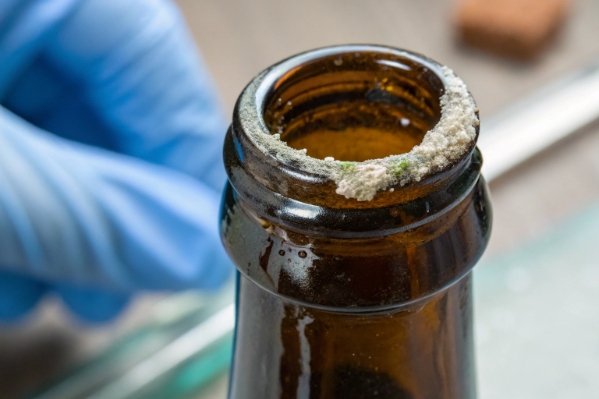
Your product’s shelf life hangs by a thread—or rather, a gasket. Chemical attacks on this hidden seal can turn a secure package into a leaking liability overnight.
Yes, acids and alkalis accelerate gasket aging by breaking down polymer chains or causing swelling. This chemical degradation leads to loss of elasticity, hardening, and stress cracking, causing the liner to fail its primary function: maintaining a hermetic seal against the glass finish.
The Invisible Clock: Chemical Degradation of Seals
At FuSenglass, we often remind our clients that the glass bottle is virtually immortal, but the closure system is not. The liner (or gasket) is the critical interface that bridges the gap between the rigid glass finish and the cap. It must remain elastic, acting like a spring that pushes back against the glass to maintain a seal.
"Aging" in the packaging world doesn’t just mean the passage of time. It refers to the degradation of material properties. When you introduce aggressive pH levels—whether acidic juices or alkaline cleaning agents—you are subjecting that polymer gasket to a chemical torture test.
Standard aging might take years, but chemical attack can age a liner in weeks. The mechanism is twofold: physical and chemical. Physically, the liner might absorb the liquid, causing it to swell and distort. Chemically, the acid or alkali can attack the molecular bonds of the polymer itself (scission) or leach out the plasticizers 1 that keep the material flexible (extraction). Once a liner loses its "memory" (its ability to bounce back), the seal is broken, even if the cap looks tight.
Mechanisms of Liner Failure
| Mechanism | Description | Typical Chemical Trigger | Result |
|---|---|---|---|
| Swelling (Absorption) | Liner absorbs liquid, increases volume/softens. | Solvents, Oils, Organic Acids. | Cap deformation, "Back-off". |
| Leaching (Extraction) | Plasticizers are pulled out of the liner. | Strong Acids, Alcohols. | Hardening, Shrinkage, Embrittlement. |
| Oxidation (Scission) | Polymer chains are broken/cut. | Oxidizing Acids, Ozone 2. | Surface cracking, crumbling. |
| Hydrolysis | Breakdown of material by water reaction. | Hot Alkalis, Steam. | Sticky surface, loss of strength. |
Which gasket/liner materials (PE, EVA, TPE, silicone, PTFE, rubber) degrade fastest in acidic or alkaline products?
Choosing the wrong liner material is a gambling game where the house always wins. Cheap materials often fail first when exposed to aggressive chemistry.
EVA and standard Natural Rubber degrade fastest in aggressive environments. EVA swells rapidly in organic acids, while alkalis attack natural rubber. TPEs vary, but standard grades often lose elasticity. Conversely, PTFE and Silicone offer the highest resistance to both extremes.
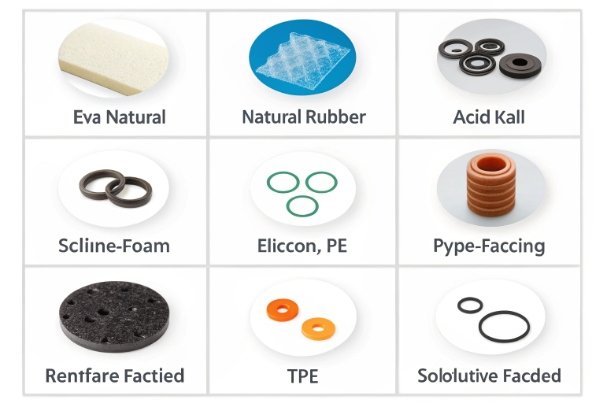
The Hierarchy of Chemical Resistance
In my 20 years of experience, I have seen brands try to cut costs by using standard liners for chemically active products, only to face massive recalls. Understanding the hierarchy of materials is essential.
The Weakest Links: EVA and Natural Rubber
- EVA (Ethylene Vinyl Acetate): Commonly used because it’s soft and cheap. However, it has very poor resistance to oils and organic acids. It acts like a sponge, swelling significantly. This swelling pushes the cap up, reducing the thread engagement.
- Natural Rubber: While excellent for elasticity, it is highly susceptible to oxidation and attack by strong alkalis. It degrades into a sticky, gummy mess or becomes brittle and cracks.
The Middle Ground: PE and TPE
- PE (Polyethylene – EPE): The industry workhorse. It generally has good resistance to acids and alkalis but fails with strong oxidizing agents or hydrocarbon solvents (oils), which cause stress cracking.
- TPE (Thermoplastic Elastomers): These are engineered materials. While convenient, many grades are liable to "compression set" 3 (flattening out) when exposed to high temperatures or specific chemicals, causing them to lose their sealing pressure.
The Champions: PTFE and Silicone
- Silicone: Excellent temperature and chemical resistance, though it is permeable to some gases. It stays flexible almost indefinitely.
- PTFE (Teflon): The gold standard. It is virtually inert. We often recommend a "faced" liner—a PE or Foam core with a PTFE skin—to get the best of both worlds: elasticity and chemical invincibility.
Material Performance Matrix
| Material | Acid Resistance | Alkali Resistance | Oil/Solvent Resistance | Best For… |
|---|---|---|---|---|
| EVA | Low | Moderate | Very Low | Dry goods, Water. |
| Natural Rubber | Moderate | Low | Low | Non-aggressive pastes. |
| EPE (Polyethylene) | High | High | Moderate | Beverages, Standard Foods. |
| Butyl Rubber | High | High | Low | Pharmaceuticals (Gas Barrier). |
| Silicone | High | High | Moderate | High-temp filling. |
| PTFE (Teflon) | Excellent | Excellent | Excellent | Aggressive Chemicals, Oils. |
What are the most common failure symptoms of chemically aged gaskets (swelling, hardening, cracking, odor, seal leakage) in glass bottles?
You might not see the damage until the customer opens the box. Silent failures manifest in messy ways, destroying brand reputation.
Swelling and Hardening are the primary symptoms. Swelling causes the cap to back off or deform, while hardening leads to brittle cracking and loss of "spring-back." Both result in catastrophic seal leakage and potential product contamination from leached compounds.
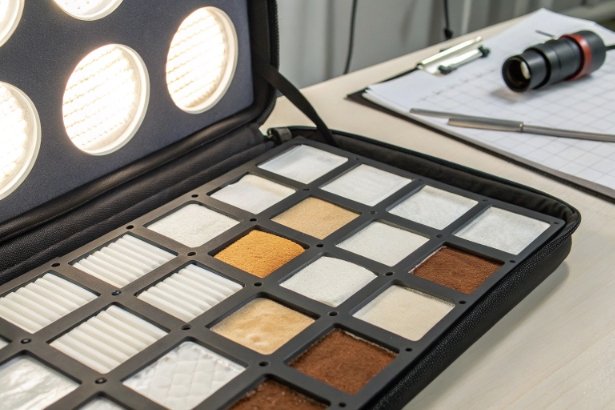
Identifying the Signs of Failure
At FuSenglass, we classify liner failure into two categories: Functional (it leaks) and Organoleptic (it smells/tastes bad). Chemical aging drives both.
1. Swelling and "Cap Back-Off"
This is the most common issue with organic acids. The liner absorbs the product and expands. You might think a tighter liner is better, but it’s not. The expansion creates internal pressure that pushes the cap upwards. This extra force on the threads can cause the cap to naturally unscrew or "back off" during vibration in transit. A swollen liner is also usually soft and mushy, easily torn during opening.
2. Hardening and Compression Set
When alkalis or solvents leach out the plasticizers (the ingredients that make plastic flexible), the liner becomes hard and brittle. It essentially turns into a rigid washer. Because glass finishes have minor undulations, a rigid liner cannot flow into the valleys to create a seal. The liner takes a permanent "set" (flattens out) and stays flat. Once the bottle is opened and reclosed, it will never seal again.
3. Environmental Stress Cracking (ESC)
This looks like a spiderweb of tiny cracks on the surface of the liner. It happens when the material is under stress (compressed by the cap) and exposed to a chemical agent (like a surfactant or detergent). These cracks are leak paths.
4. Flavor Scalping and Leaching
Sometimes the seal holds, but the product is ruined. A chemically degrading liner can release "off-odors" (often smelling like wax or crayons) into the drink. Conversely, the liner can "scalp" 4 or absorb the flavor compounds from the product, leaving it tasting flat.
Symptom Diagnosis Table
| Symptom | Visual/Tactile Sign | Root Cause | Consequence |
|---|---|---|---|
| Swelling | Liner bulges, looks larger than cap. | Absorption of product. | Cap loosens (back-off); Liner falls out. |
| Embrittlement | Liner feels hard; snaps when bent. | Extraction of plasticizers. | Loss of seal; particulate contamination. |
| Discoloration | Yellowing or darkening. | Oxidation / Chemical reaction. | Aesthetic failure; indicates degradation. |
| Gummy/Sticky | Surface feels tacky to touch. | Polymer chain breakdown (Hydrolysis). | Liner sticks to glass rim; tears on opening. |
How should buyers test chemical compatibility and aging for bottle gaskets (soak tests, compression set, torque retention, leak tests)?
Don’t wait for a market recall to find out your liner isn’t compatible. Rigorous lab testing predicts the future behavior of your package.
Buyers must perform accelerated aging tests using Soak Tests (immersion) to measure weight change and swelling. Follow this with Compression Set testing to verify elasticity and Torque Retention studies to ensure the seal holds tight over time under chemical load.
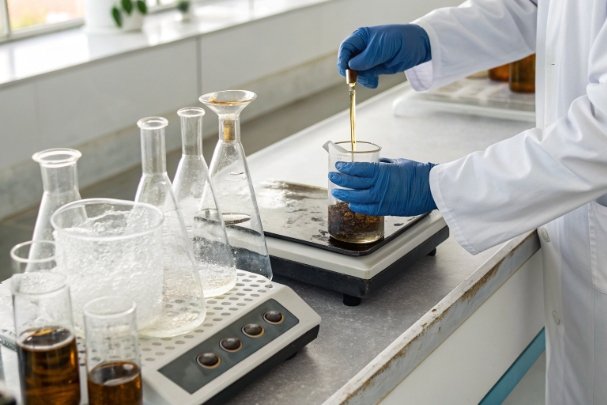
The Validation Toolkit
We recommend a "Trust but Verify" approach. Never assume a "generic" liner will work for your specific formula.
1. The Immersion (Soak) Test (ASTM D543):
This is the first step. Cut a sample of the liner, weigh it precisely, and measure its dimensions. Submerge it in your product (and separate acid/alkali controls) at elevated temperatures (e.g., 40°C or 60°C) for 7, 14, and 28 days.
- Pass/Fail: Any weight change > 2-5% or significant dimensional swelling indicates incompatibility.
2. Torque Retention Testing:
Fill bottles with the product, cap them to a specific application torque (e.g., 15 in-lbs), and store them inverted at elevated temperatures. Check the removal torque at intervals (24h, 1 week, 1 month).
- Insight: If removal torque drops to near zero, the liner has either relaxed significantly (compression set) or the cap has backed off due to swelling.
3. Leak Testing (Vacuum Decay):
After the aging period, do not just open the bottles. Test them for leaks first. Use a vacuum chamber to see if the seal integrity has survived the chemical exposure. A liner might look okay but fail to hold a vacuum.
4. Extraction Studies:
For pharmaceutical or sensitive food products, analyze the liquid after aging. Are there dissolved compounds from the liner? This requires GC-MS 5 (Gas Chromatography-Mass Spectrometry) analysis.
Testing Protocol Matrix
| Test Method | Objective | Key Metric | Frequency |
|---|---|---|---|
| Immersion (Soak) | Check chemical resistance. | % Weight Change / % Volume Swell. | R&D Phase. |
| Compression Set | Check elasticity retention. | % Recovery after compression. | Batch Release. |
| Torque Retention | Check seal stability. | Removal Torque vs Application Torque. | Weekly during Stability Test. |
| Secure Seal (Gas) | Check hermeticity. | Pressure hold / Bubble point. | After accelerated aging. |
How can brands prevent gasket aging by choosing the right liner, cap design, and cleaning/sterilization process for acidic/alkaline products?
Prevention is cheaper than a recall. Smart engineering choices upfront ensure your product stays safe on the shelf.
Prevent aging by matching the liner material to the product’s pH (e.g., using EPDM for alkalis, PTFE-faced liners for aggressive acids). Optimize cap torque to avoid over-compression and ensure sterilization cycles do not exceed the thermal limits of the chosen polymer.
Strategic Prevention Measures
At FuSenglass, we assist clients in engineering the total package. Avoiding gasket aging is about matching the material to the environment.
1. Material Selection (The Golden Rule):
Stop using PE foam for aggressive essential oils or strong acids. Upgrade to PTFE-Faced (Teflon) liners. The PTFE layer acts as a chemical shield. It is thin, inert, and protects the elastic foam backing from ever touching the product. For high-alkali products, avoid natural rubber and opt for EPDM or Butyl rubber, which are chemically engineered to resist high pH.
2. Correct Torque Application:
Over-tightening a cap is just as bad as under-tightening. If you over-torque, you crush the liner cells. A crushed liner is already under maximum stress. When you add chemical attack to mechanical stress, failure accelerates (Stress Corrosion 6). Set your capping chucks to the manufacturer’s recommended torque specs.
3. Process Compatibility:
Be mindful of your cleaning and filling temps. If you are hot-filling at 90°C, a standard low-density PE liner might soften and deform before it even sees a chemical attack. Ensure the liner’s "Heat Deflection Temperature" 7 is higher than your process temperature. Also, ensure your bottle washing chemicals (often caustic) are fully rinsed before capping, so you don’t trap concentrated corrosive agents against the liner.
4. Venting Liners:
For products that off-gas (releasing gas as they age), use venting liners 8. These allow gas to escape without letting liquid out, preventing pressure buildup that can distort the liner and compromise the seal.
Prevention Checklist
| Strategy | Action Item | Benefit |
|---|---|---|
| Upgrade Material | Switch to PTFE or Saranex facing. | Creates an inert barrier against chemical attack. |
| Torque Control | Calibrate capping heads daily. | Prevents mechanical crushing/stress cracking. |
| Thermal Match | Check liner rating vs Fill Temp. | Prevents thermal deformation/softening. |
| Finish Inspection | Ensure flat glass land (specs). | Uniform compression reduces stress points. |
Conclusion
The liner is the unsung hero of packaging. By respecting the chemistry of your product and testing for compatibility, you ensure that the seal remains as enduring as the glass bottle itself.
Footnotes
-
Additives that increase the plasticity or fluidity of a material. ↩
-
A highly reactive gas composed of three oxygen atoms, which can degrade certain polymers. ↩
-
Standard test methods for rubber property—compression set. ↩
-
The absorption of flavor compounds by packaging materials from the product. ↩
-
An analytical method that combines gas chromatography and mass spectrometry to identify substances. ↩
-
The growth of crack formation in a corrosive environment. ↩
-
The temperature at which a polymer or plastic deforms under a specified load. ↩
-
Specialized liners that allow containers to breathe, equalizing pressure. ↩






