
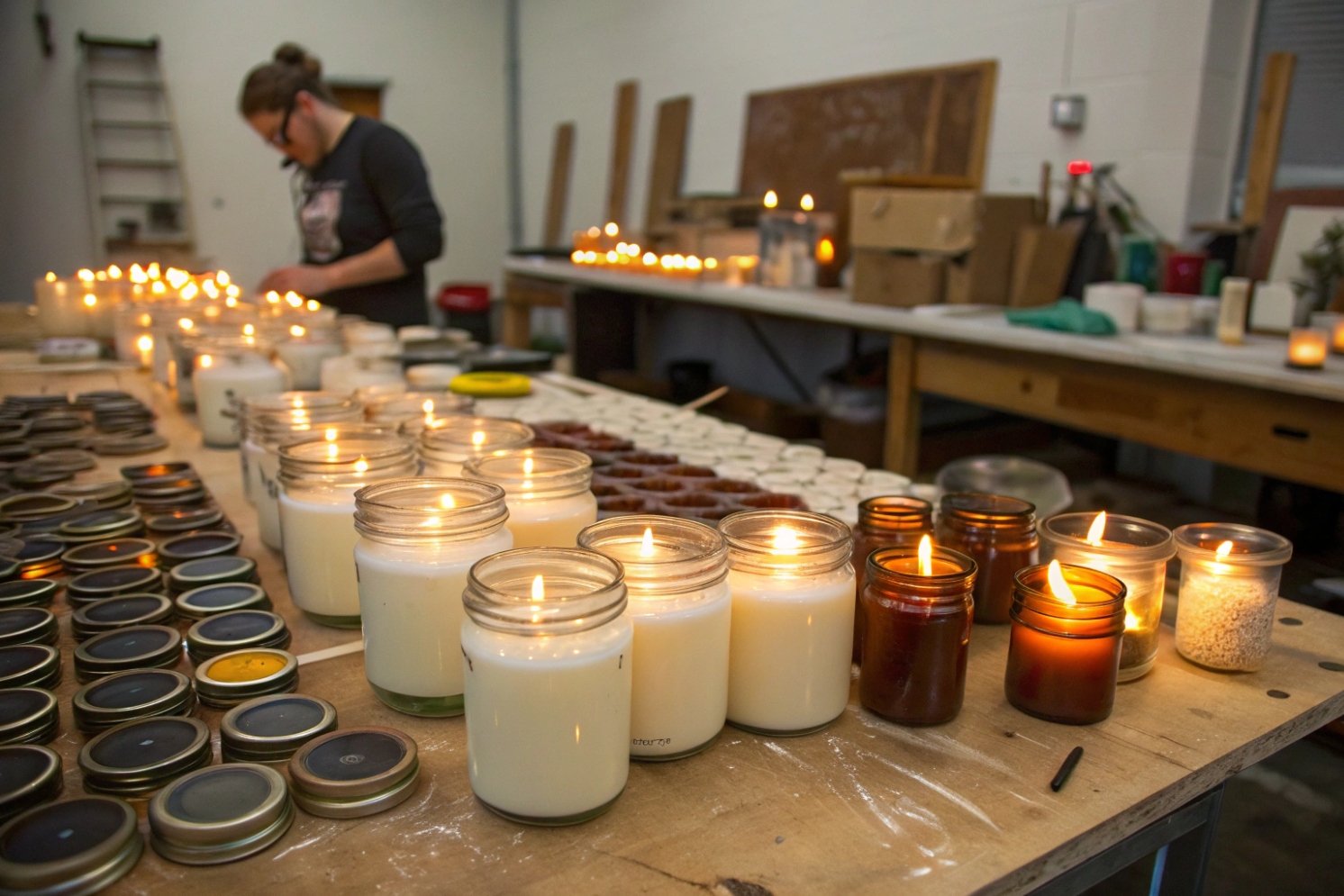
Many people pour candles into any pretty jar they find. But the wrong glass can crack, leak hot wax, or even shatter while the candle burns—exactly what voluntary candle safety standards 1 are meant to reduce.
Not all glass jars are candle-safe. For container candles, you need thick, heat-resistant, purpose-made glass, matched with the right wick, jar size, lid, and safety labeling, then confirmed by full burn testing.
When I look at a candle container, I do not just see a nice vessel. I see sustained flame, hot wax, repeated heating and cooling, and a customer who expects a safe, calm burn. So it is better to ask four very practical questions before you call any jar “candle-ready”.
Do wall thickness and heat-resistant glass specs meet thermal shock needs?
Thin, decorative jars may look nice, but constant flame heat is harsh. If the walls are weak or the glass is not rated, cracks and thermal shock become real risks.
Safe candle containers use thick, straight walls, flat bases, and heat-resistant glass that has been properly annealed or tempered, with no chips, bubbles, or hairline cracks that could focus stress.
Why wall thickness and geometry matter
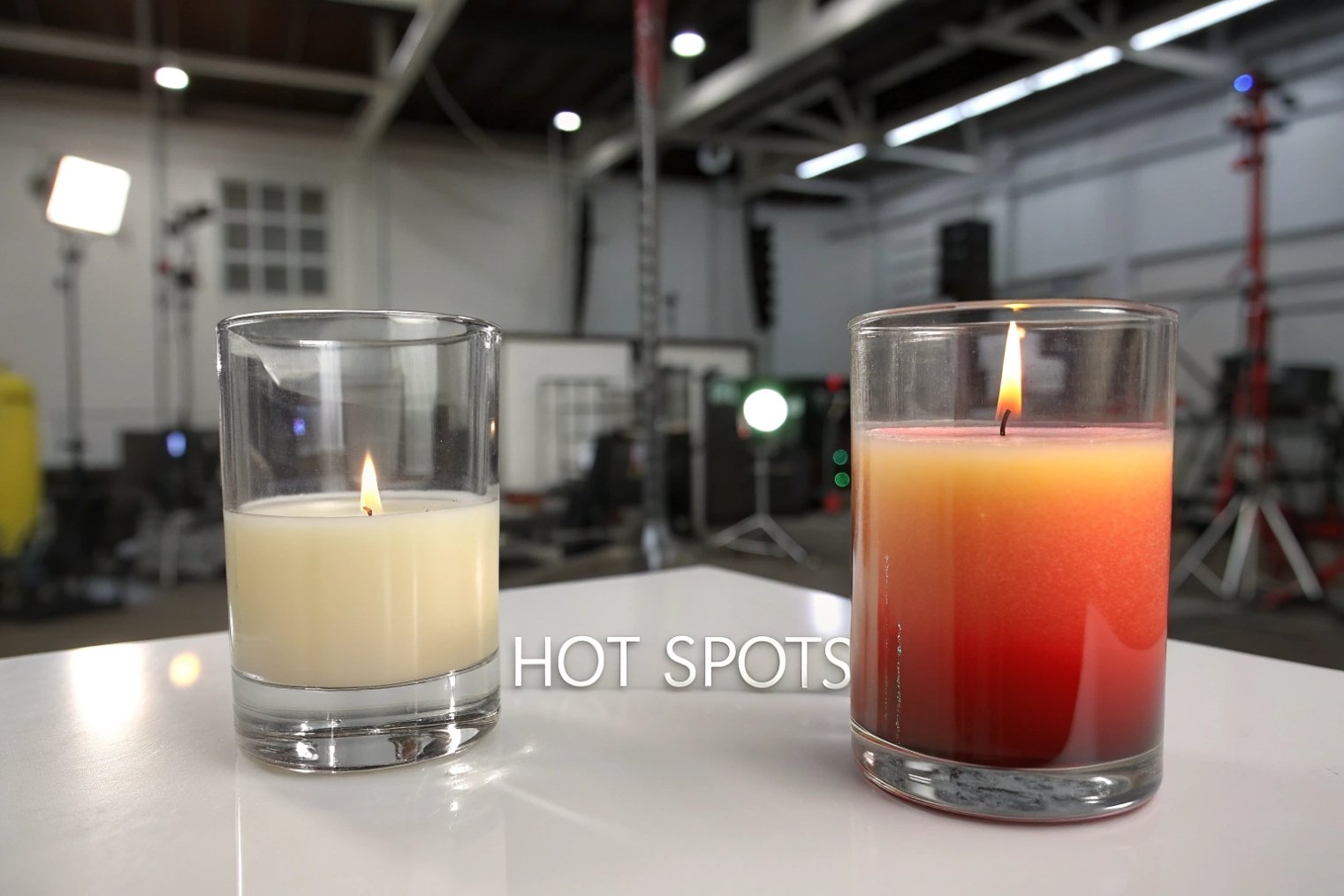
A candle does not heat the glass evenly. The hottest zone sits near the melt pool and the flame. If the walls are very thin or highly tapered, heat concentrates in one area and creates local stress.
For safe performance, I look for:
- Straight sides or only gentle taper
- A flat, solid base with enough mass
- No deep embossing or cutouts near the flame level
Embossed, ultra-thin, or sharply curved shapes can create “hot spots”. Over time, these spots can lead to crack lines or even breaks, especially once the wax level drops and the flame sits lower in the jar.
Purpose-made candle containers use thicker walls than many food or drink jars. That extra glass spreads heat more evenly and gives the container more tolerance during long burns.
Glass types and thermal shock
Not all soda-lime glass is equal. Candle containers should be properly annealed to release internal stress, and many suppliers reference requirements like ASTM F2179 for glass candle containers 2 to define minimum performance expectations. Some lines use borosilicate or tempered glass for even higher thermal-shock resistance. The goal is simple: the jar should handle repeated heating and cooling without failure.
Household glass, recycled décor jars, and novelty containers often skip these steps. They might survive one or two burns, but they were never designed to live with a real flame for hours.
A quick comparison helps:
| Glass type | Typical use | Candle suitability |
|---|---|---|
| Thin soda-lime drinkware | Water, cold drinks | Poor, high risk of cracking |
| Single-serve food jars (desserts, jams) | Short hot-fill, storage | Questionable, not designed for flame |
| Purpose-made container candle glass | Candle jars and tumblers | Good, when combined with proper testing |
| Borosilicate lab-style glass | Labware, cookware | Very good, strong thermal shock resistance |
Whatever glass you choose, full burn testing is non-negotiable. Many makers align their testing to ASTM F2417 fire-safety requirements 3 and check the outside wall temperature, watch for crack lines, and monitor the flame right down to the last 10–15 mm of wax.
What jar diameters and heights pair with safe wick sizes and burn pools?
Even with strong glass, the wrong wick in the wrong jar can turn a candle into a small furnace. The burn pool grows too wide or too deep and pushes heat straight into the sidewall.
Jar size and shape must match wick type and size so the melt pool stays controlled, the flame stays centered, and hot wax never overheats or climbs the glass side.
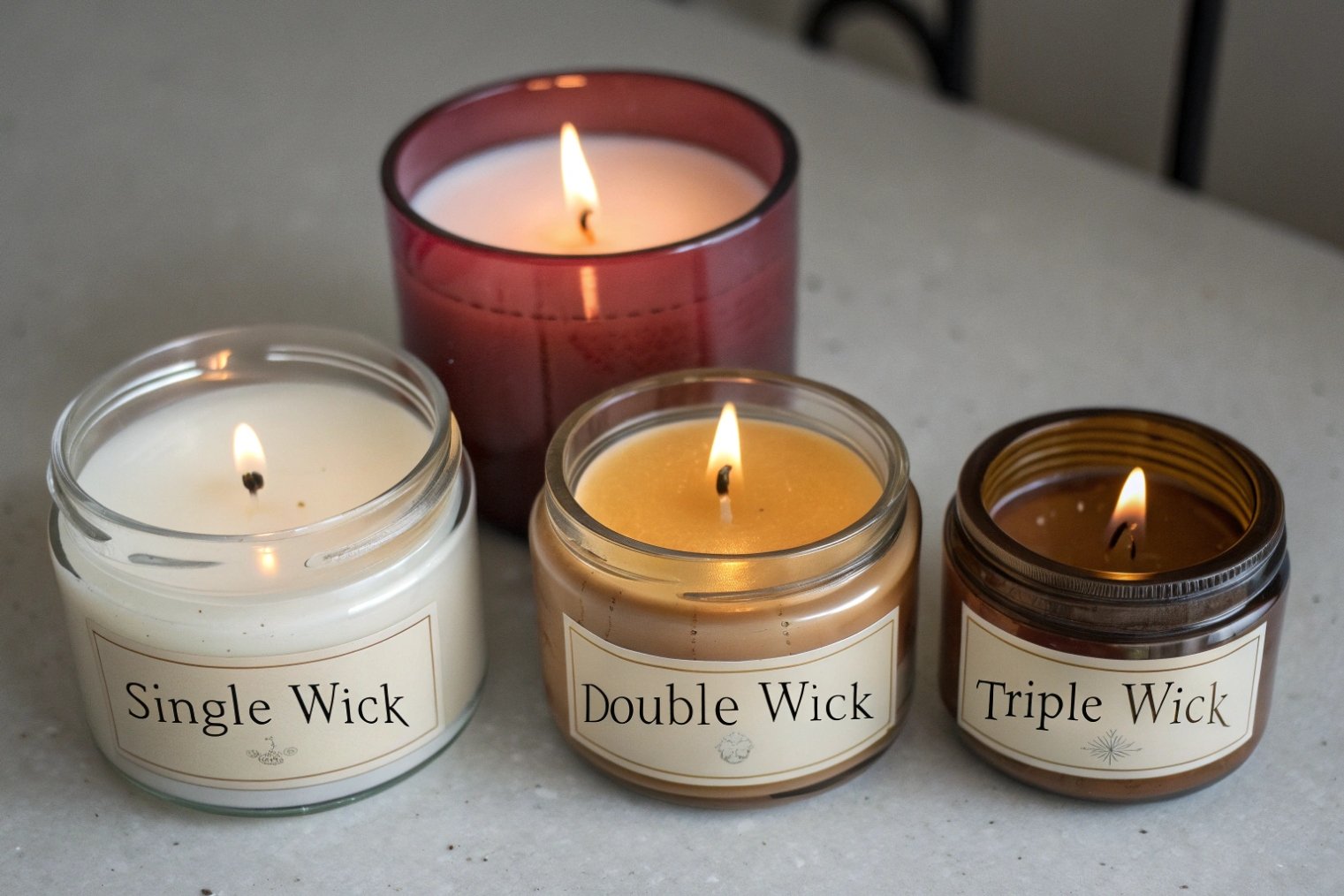
Matching diameter, wick, and melt pool
The wick is the engine of the candle. It controls flame height and heat output. In a container candle, that heat must be balanced with the jar’s diameter.
For safe, even burning, the melt pool should:
- Reach near the edge within the first few burns, to avoid tunneling
- Stay shallow enough that the sidewall does not overheat
- Keep at least about 6–10 mm of solid wax between the melt pool and the glass
If the wick is too large for the jar, the melt pool gets wide and deep. The flame can grow tall, and the glass gets very hot. If the wick is too small, you get tunneling, wasted wax, and frustrated users.
A practical starting view:
| Jar inside diameter | Common wick approach* | Key checks |
|---|---|---|
| ≤ 60 mm | Single small to medium wick | Full melt pool by 2–3 burns, no side overheating |
| 60–80 mm | Single larger wick or double wicks | Flame height, wall temperature, mushrooming |
| ≥ 80 mm | Multiple wicks or special wicks | Even coverage, no central “hot tower” |
*Actual wick codes vary by supplier and wax type. Testing with your own wax and fragrance load is essential. A wick guide based on container diameter 4 can be a helpful starting point before you run your own burn tests.
Height, headspace, and wick anchoring
Height matters as much as diameter. Very tall, narrow jars trap heat near the top. As the wax level drops, the flame sits lower and heats the glass where wall thickness may be different.
To reduce risk:
- Leave 10–15 mm headspace at the top of the jar
- Avoid filling up to the rim
- Keep the flame centered with a metal wick tab and a heat-resistant adhesive
The wick tab should stay firmly attached even in the last part of the burn. If it moves, the flame can drift toward the side, and that is when glass failures usually happen.
It is also important to test the outside temperature at the hottest point of a full burn cycle. Many makers aim to stay below about 70 °C (160 °F) on the outer wall during the hottest hour.
Should lids, gaskets, and warning labels meet ASTM/UL safety guidance?
A candle jar is not only glass and wax. Lids, seals, and labels also play a role in safety. The wrong lid or gasket can trap heat or degrade, and missing warnings leave users guessing.
Use only lids, liners, and labels that suit candle heat, and follow recognized safety guidance for warnings, usage instructions, and icons to protect both users and your brand.
Lids and gaskets around an open flame
Lids can look beautiful and add a premium feel. They also protect the candle from dust between uses. But a burning candle must never be sealed.
Safe practice includes:
- Design lids as dust covers, not as in-burn caps
- Avoid tight rubber gaskets that could trap heat or degrade from vapor
- Use materials that tolerate contact with warm glass and fragrance vapors
Wood, metal, and thick glass lids can work when they are used only before and after burning. If the design includes a gasket, it should be placed and specified for normal room temperatures, not for direct flame exposure.
A very simple guideline: if the lid feels too tight to remove easily, it is too tight to be around a hot candle.
Warning labels and user guidance
Even a well-designed candle still needs clear instructions. Many brands follow recognized guidance such as ASTM F2058 candle fire safety labeling 5 and also borrow plain-language reminders from NFPA candle safety tips 6.
Good warning labels usually include:
- Keep away from flammable materials and drafts
- Burn within sight and keep away from children and pets
- Trim the wick to about 6–7 mm (¼ inch) before each burn
- First burn: create a full melt pool; last burn: stop at around 10–13 mm (½ inch) of wax
You can place a small icon set on the jar base and a more detailed instruction panel on the outer box. The key is to match your label content with how you expect people to use the candle in real homes.
A quick view of these components:
| Component | What to check for candles | Common issues to avoid |
|---|---|---|
| Lid material | Heat tolerance, no warping, no off-gassing | Plastic lids that deform or melt |
| Gasket | No sealing during burn, material not in flame zone | Tight rubber rings that trap heat |
| Label stock | Heat-resistant adhesive and ink | Labels curling or darkening near flame |
| Warning text | Clear, standard phrases and icons | Vague or missing instructions |
When lids, gaskets, and labels all respect real burn conditions and standard safety guidance, you lower risk and show customers that safety is part of the design, not an afterthought.
Are tempered or straight-wall jars safer than recycled décor glass?
Reusing pretty jars for candles looks like a smart, sustainable idea. But many decorative containers were never designed to hold a live flame and hot liquid wax for hours.
Purpose-made, straight-wall candle jars in properly annealed or tempered glass are safer than random recycled décor glass, which often has thin walls, unknown specs, and hidden defects.
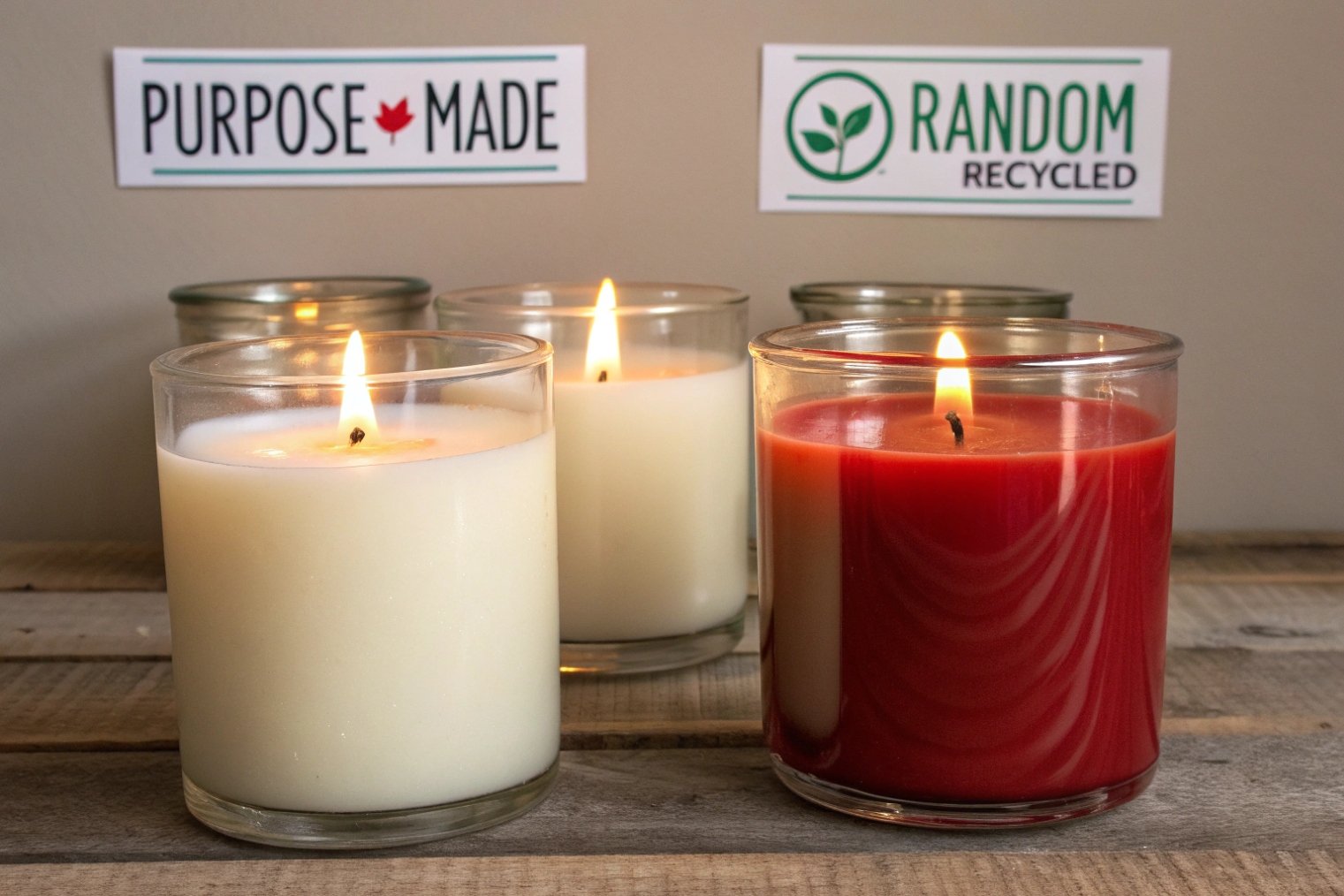
Purpose-made candle jars vs random glass
Candle containers carry hot wax, flame, and repeated heating and cooling. Manufacturers of proper candle jars design and test for these loads. The glass is annealed to relieve internal stress. Wall thickness is controlled. Shapes avoid extreme curves and weak points. If you are choosing tempered options, it helps to understand the thermal tempering process used to strengthen glass 7.
Recycled décor glass, drinkware, or food jars do not follow this logic. They may have:
- Very thin sections
- Decorative cuts, embossing, or handles
- Internal stress from their original forming process
- Unknown history of chips, micro-cracks, or impact damage
Even if these jars survive a few burns, the safety margin is low. One small change in wick size, fragrance load, or user behavior can push them over the edge.
Choosing safer shapes and finishes
From a safety point of view, straight or gently curved walls with a solid base are easier to work with. They spread heat more evenly and have fewer stress points. Thick-walled tumblers, classic candle jars, and tested “container candle” glass families are good examples.
Finishes and coatings must stay on the outside of the glass and be rated for the expected temperatures. Internal coatings, decals, or paints inside the jar can overheat, discolor, or release unwanted fumes.
Here is a simple comparison:
| Container type | Typical characteristics | Candle safety view |
|---|---|---|
| Straight-wall candle tumbler | Thick, even walls, flat base | Good, when combined with correct wick |
| Tempered or borosilicate container | High thermal-shock resistance | Very good, with proper burn testing |
| Recycled jam or pasta sauce jar | Thin walls, food-designed | Risky, not made for open flame |
| Decorative recycled lantern or vase | Complex shape, unknown specs | High risk without detailed testing |
Sustainability and safety can work together. You can use jars with high recycled content (cullet) that are still designed for candles. You can also build refill programs around robust, tested containers, rather than random one-off glass.
In every case, the last step is the same: real burn testing, from first burn to final 10–15 mm of wax, with close tracking of flame behavior, wall temperature, soot, and glass condition.
Conclusion
Not every glass jar is candle-safe. True safety comes from purpose-made containers, correct jar–wick pairing, smart lids and labels, and careful testing that respects how people actually burn candles at home.
Footnotes
-
CPSC overview of key voluntary standards used to improve candle and container safety. ↩︎ ↩
-
Standard covering performance expectations for annealed glass containers made specifically for filled candles. ↩︎ ↩
-
Fire-safety standard describing common burn-performance checks used to reduce candle fire risks. ↩︎ ↩
-
Practical wick-sizing starting point based on wax type and container diameter before validation testing. ↩︎ ↩
-
Labeling standard that helps ensure consistent, visible candle fire-safety warnings for consumers. ↩︎ ↩
-
Clear consumer safety tips for burning candles safely in real homes. ↩︎ ↩
-
Explains how tempering strengthens glass and improves resistance to crack growth from small flaws. ↩︎ ↩






