
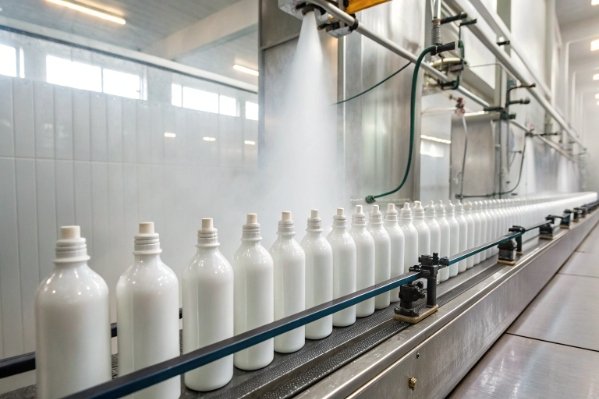
Glass corrosion compromises product purity and aesthetic appeal, leading to costly recalls and damaged brand reputation. Surface spraying offers a robust shield against chemical weathering and leaching.
Yes, specialized surface spraying and coatings significantly improve the corrosion resistance of glass bottles by creating a barrier that prevents alkali leaching and protects against environmental weathering, ensuring product stability and extending shelf life.
Can Surface Spraying Improve the Corrosion Resistance of Glass Bottles?
The Hidden Threat of Glass Corrosion
Many people assume glass is inert, but strictly speaking, it is not chemically invincible. As someone who has spent over two years overseeing production at FuSenglass, I have seen firsthand how improper storage or incompatible contents can degrade glass quality. "Corrosion" in glass typically refers to weathering or chemical attack, where the glass surface reacts with moisture or the product inside. This often manifests as a cloudy haze, white deposits, or even delamination (flaking) in pharmaceutical applications.
Surface spraying acts as a critical intervention. By applying a functional coating, we seal the microscopic pores of the glass surface. This is not just about aesthetics; it is about creating a functional barrier. In the pharmaceutical and high-end cosmetic sectors, where the interaction between the container and the formulation is critical, these coatings prevent ions from the glass (like sodium) from leaching into the liquid. Conversely, they stop aggressive acidic or alkaline contents from etching the interior surface.
The Mechanism of Protection
The core principle involves modifying surface energy 1 and chemistry. When we spray a bottle, we are often applying a polymer or sol-gel layer that bonds covalently with the silica network of the glass. This changes the surface from hydrophilic (water-loving) to hydrophobic (water-repelling), drastically reducing the opportunity for hydrolytic attack.
In the wholesale market, we often advise clients to consider these treatments if their supply chain involves long warehousing periods in humid climates, as humidity is the primary catalyst for external glass weathering.
Overview of Glass Vulnerabilities
| Feature | Uncoated Glass | Coated/Sprayed Glass |
|---|---|---|
| Surface Porosity | Micro-porous, susceptible to ion exchange. | Sealed, low porosity. |
| Hydrolytic Resistance | Varies by glass type (Type I, II, III). | Significantly Enhanced. |
| Moisture Reactivity | High (prone to "blooming" or clouding). | Low (moisture barrier). |
| Chemical Inertness | Good, but vulnerable to strong alkalis/HF. | Excellent (depends on coating chemistry). |
| Mechanical Strength | Susceptible to micro-cracks reducing strength. | Improved scratch resistance preserves strength. |
The decision to spray is rarely just about color; it is a technical decision to upgrade the substrate’s performance.
To understand why this is necessary, we must first look at what specifically attacks the glass.
What Types of “Corrosion” Affect Glass Bottles, and When Is Coating Actually Necessary?
Ignoring signs of blooming or etching risks ruining your product’s visual clarity and chemical stability. You must identify the specific type of corrosion threatening your packaging.
Glass corrosion manifests primarily as alkali leaching (weathering) from humidity or acid etching from aggressive contents; coating is necessary when storing high-pH liquids, sensitive pharmaceuticals, or shipping through high-humidity regions.
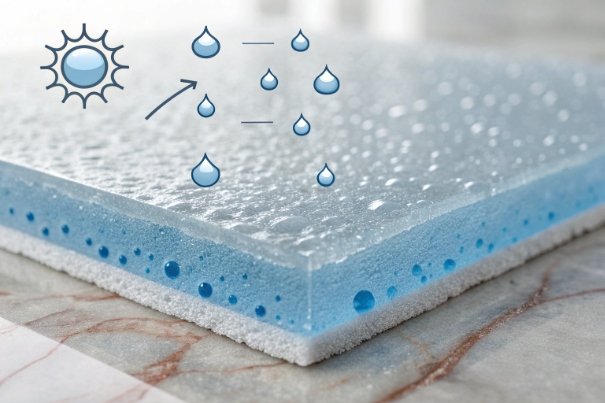
Understanding Alkali Leaching (Weathering)
The most common form of "corrosion" we encounter in the B2B glass industry is weathering. This occurs when moisture in the air reacts with the sodium oxide ($Na_2O$) on the glass surface. The moisture pulls sodium ions out, forming sodium hydroxide 2 (NaOH). This strong alkali stays on the surface, reacting further with the silica network to create a permanent, hazy white film.
I often see this in bottles stored for months in damp warehouses without proper ventilation or spacers. If you are a brand owner buying in bulk (e.g., our 10,000 pcs MOQ), knowing your storage conditions is vital. If climate control is impossible, a protective spray coating becomes a necessity, not a luxury.
Acid Etching and Delamination
While glass is generally resistant to acids, it is not immune. Hydrofluoric acid is the famous destroyer of glass, but even phosphoric acid at high temperatures can damage the surface. In the pharmaceutical world, "delamination" 3 is a nightmare scenario where the inner surface of the glass flakes off into the drug.
Coatings are necessary here when the glass type (even Type I Borosilicate) is not sufficient for the specific pH of the formulation. For cosmetic serums with active acidic ingredients (AHA/BHA), a standard soda-lime bottle might degrade over time unless an inner barrier spray or treatment (like sulfuring) is applied.
When to Prioritize Coating
We recommend surface treatments specifically when the supply chain is long or the product formulation is aggressive. It acts as an insurance policy. If you are shipping across the equator or storing goods for 12+ months, the risk of atmospheric attack increases exponentially.
Corrosion Triggers and Coating Solutions
| Corrosion Type | Cause | Visual Sign | Recommended Intervention |
|---|---|---|---|
| Weathering | High humidity + storage time. | Cloudy white haze, greasy feel. | External polymer spray or specific washing. |
| Alkali Leaching | Water/Liquid extracting Sodium ions. | pH shift in liquid, sediment. | Internal Siliconization or Ammonium Sulfate treatment. |
| Acid Attack | Strong acids (HF, Phosphoric). | Surface pitting, roughness. | Fluoropolymer or Sol-gel coating. |
| Delamination | Manufacturing stress + aggressive liquid. | Visible flakes (lamellae). | Ammonium Sulfate treatment (Surface Neutralization). |
| Staining | Interaction with metals/minerals. | Iridescent film. | External decorative spray (masking) or protective clear coat. |
Identifying the root cause helps us select the right weapon from our arsenal.
Which Spray/Coating Options Are Used on Glass Bottles, and How Do They Improve Chemical Resistance?
Using the wrong coating can lead to peeling and contamination rather than protection. You need to select a chemical bond that withstands your specific product environment.
Common options include Sol-gel for molecular bonding, organic epoxy lacquers for physical barriers, and siliconization for hydrophobicity; these improve resistance by sealing surface ions and repelling reactive moisture.
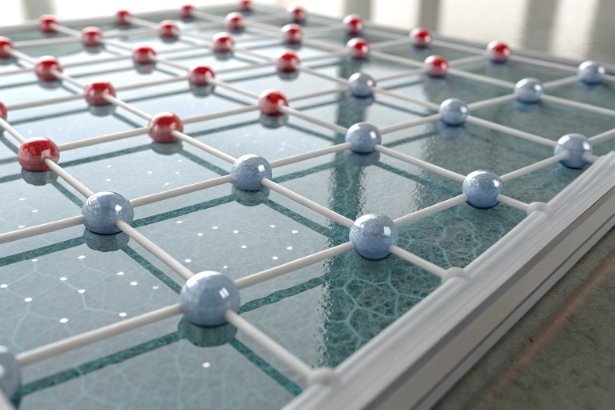
Sol-Gel Technology: The Chemical Bond
Sol-gel 4 coatings are among the most advanced options available. Unlike a simple paint that sits on top, sol-gel processes create a silica-based network that chemically bonds to the glass surface. At FuSenglass, we value this because it allows for a thin, transparent layer that is incredibly hard.
This method is excellent for chemical resistance because it effectively "heals" the surface defects of the glass. By filling in micro-cracks and bonding with the silica, it prevents water molecules from penetrating the surface structure. It renders the glass hydrophobic, making it much harder for corrosive agents to adhere or react.
Organic Lacquers (Epoxy and Polyurethane)
For B2B wholesale clients looking for a balance between aesthetics and protection, organic lacquers are the standard. These are typically epoxy or polyurethane-based. They function primarily as a physical barrier. Think of it as wrapping the bottle in a tight, invisible plastic suit.
While they provide excellent protection against external weathering and abrasion, they are generally softer than sol-gel. However, they are highly customizable in terms of finish (matte, gloss, soft-touch). They stop corrosion by physically blocking humidity from reaching the sodium-rich glass surface.
Siliconization
This is a specific treatment often used for the interior of the bottle, particularly in medical and high-end cosmetic applications. We spray a silicone emulsion 5 into the bottle and bake it.
This creates a chemically inert, hydrophobic surface. It is the gold standard for preventing alkali leaching into the product. It ensures that the liquid inside touches only the silicone layer, not the reactive glass surface, preserving the pH stability of sensitive formulations.
Comparative Analysis of Coating Chemistries
| Coating Type | Base Chemistry | Primary Benefit | Best Use Case |
|---|---|---|---|
| Sol-Gel | Silane/Siloxane network. | High hardness, covalent bond. | Premium perfume, scratch resistance. |
| Epoxy Lacquer | Thermosetting polymer. | Strong adhesion, chemical barrier. | Colored cosmetics, external protection. |
| Polyurethane (PU) | Organic polymer. | Flexibility, UV resistance. | Beverage bottles, outdoor storage. |
| Siliconization | Polydimethylsiloxane. | Hydrophobicity, Inertness. | Pharmaceuticals, sensitive serums (Internal). |
| Hot End Coating | Tin Oxide (SnO2). | Strength, adhesion promoter. | Universal base coat during manufacturing. |
Choosing the right chemistry ensures the coating acts as a shield, not just a decoration. However, every shield has its weight.
What Performance Trade-offs Should Buyers Consider?
Focusing solely on corrosion resistance may lead to failures in adhesion or aesthetic appeal. You must weigh durability against design requirements and compatibility.
Buyers must balance chemical resistance against adhesion strength, potential scratching, and compatibility with alcohol or fragrance oils; harder coatings may be brittle, while flexible coatings may react with solvents.
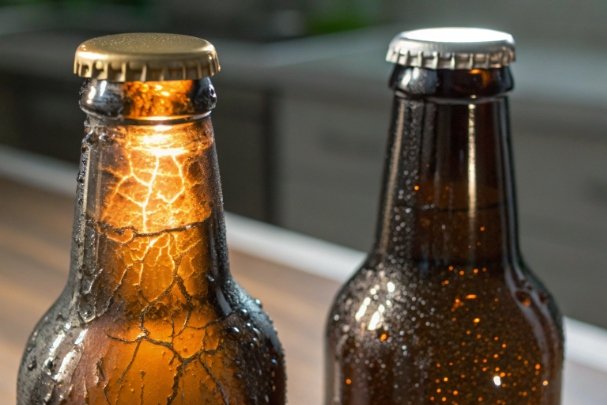
The Adhesion vs. Hardness Dilemma
One of the most critical trade-offs I discuss with clients is the balance between hardness and adhesion. A coating that is extremely hard and resistant to chemical attack (like some ceramics or sol-gels) can effectively block corrosion. However, these coatings can be brittle.
If the bottle is subjected to thermal shock 6 (rapid heating and cooling during filling or pasteurization), a brittle coating might micro-crack or delaminate. On the other hand, softer organic lacquers adhere beautifully and move with the glass during thermal expansion, but they are more susceptible to being scratched or chemically softened by aggressive solvents.
Alcohol and Fragrance Compatibility
For our clients in the perfumery and distillery sectors, this is the deal-breaker. Alcohol is a solvent. If you use a standard acrylic spray on a perfume bottle, the inevitable drips of perfume (which contains high alcohol and essential oils) can dissolve the coating over time.
To get high corrosion resistance and alcohol resistance, we often have to use cross-linked epoxies which require higher curing temperatures. This increases energy costs and production time. The trade-off is a slightly higher unit cost for a bottle that won’t become sticky or peel after a month of use by the consumer.
Clarity vs. Protection
Thicker coatings generally offer better protection against weathering and UV damage. However, thickness kills clarity. If your brand relies on the "crystal clear" look of flint glass to show off the product’s color, applying a heavy anti-corrosion coating might introduce a slight haze or "orange peel" texture. We have to find the "Goldilocks zone"—thin enough to be invisible, thick enough to protect.
Trade-off Matrix for Decision Making
| Feature Priority | Trade-off / Risk | Mitigation Strategy |
|---|---|---|
| High Chemical Resistance | Lower flexibility; Brittle finish. | Use Sol-gel with flexibilizers. |
| Perfect Adhesion | Reduced hardness; Scratches easier. | Apply a top-coat hardener. |
| Alcohol Resistance | High curing temp; Higher Cost. | Budget for Epoxy/PU thermoset sprays. |
| High Clarity | Thinner protection barrier. | Use multi-layer nano-coatings. |
| Recyclability | Organic coatings burn off; Metallics do not. | Avoid metallic sprays for eco-focus. |
Understanding these trade-offs prevents disappointment when the final product faces real-world conditions. Finally, you need to verify these properties.
What Test Methods and Acceptance Specs Should Wholesale Buyers Request?
Trusting a supplier’s word without data is a recipe for quality disasters. You need rigorous, standardized testing protocols to validate coating performance.
Wholesale buyers should request ASTM or ISO standard tests including the Cross-Hatch Tape Test for adhesion, the Acetone Rub Test for curing, and specific immersion tests to verify resistance to bulk liquid and humidity.
Adhesion Verification: The Cross-Hatch Test
The most fundamental test for any coated glass is the Cross-Hatch Tape Test (ASTM D3359 7). At FuSenglass, we perform this on every batch. We cut a lattice pattern into the coating, apply pressure-sensitive tape, and rip it off.
If the coating stays on the glass, it passes. If squares of coating lift off, it fails. As a buyer, you should specify "Classification 5B" (0% area removed) in your purchase order. This ensures that the anti-corrosion barrier won’t peel off during shipping or labeling.
Chemical Resistance Protocols
To verify corrosion and solvent resistance, the "Rub Test" is standard. This involves rubbing the surface with a cloth soaked in MEK (Methyl Ethyl Ketone) or Acetone for a set number of strokes (e.g., 50 double rubs).
For clients concerned about weathering, we conduct humidity chamber tests. We place the bottles in a chamber at 95% relative humidity and 40°C for 48 to 96 hours. If the glass surfaces show signs of blooming or the coating softens, the batch is rejected.
Dishwasher and Immersion Testing
For consumable products, the dishwasher test (EN 12875) 8 verifies durability against high heat and alkaline detergents. While B2B buyers don’t always worry about domestic dishwashers, this test is an excellent proxy for general durability.
Furthermore, we recommend immersion tests using the actual product bulk. We submerge the coated bottle in the fragrance, alcohol, or oil it will contain for 24-48 hours. This is the ultimate proof of compatibility.
Recommended Quality Specifications
| Test Method | Standard (ISO/ASTM) | Acceptance Criteria | Purpose |
|---|---|---|---|
| Cross-Hatch | ASTM D3359 / ISO 2409 | Class 5B (No detachment). | Verifies coating adhesion. |
| Acetone Rub | ASTM D5402 | >50 Double Rubs w/o damage. | Verifies cure & solvent resistance. |
| Pencil Hardness | ASTM D3363 9 | >2H or 3H Hardness. | Verifies scratch resistance. |
| Water Soak | Internal / ASTM D870 | 24hrs @ Room Temp, no blistering. | Verifies hydrolytic stability. |
| Thermal Shock | ASTM C149 10 | Delta 42°C survival. | Verifies coating stress handling. |
By enforcing these standards, you ensure that the coating effectively enhances the glass’s natural resistance rather than becoming a point of failure.
Conclusion
Surface spraying is more than a cosmetic choice; it is a vital engineering solution for enhancing glass longevity. By understanding corrosion types, selecting the right chemistry, and enforcing strict testing, you ensure your packaging protects your product as effectively as it represents your brand.
Footnotes
-
The excess energy at the surface of a material compared to the bulk, influencing wetting and adhesion. ↩
-
A caustic base that forms when moisture reacts with sodium ions on the glass surface. ↩
-
The separation of thin layers of glass from the interior surface, often a critical defect in drug vials. ↩
-
A chemical process used to produce solid materials from small molecules, creating durable glass coatings. ↩
-
A water-repellent coating applied to glass to prevent chemical interaction and ensure liquid drainage. ↩
-
The ability of a material to withstand rapid temperature changes without cracking or delaminating. ↩
-
Standard test methods for measuring adhesion by tape test. ↩
-
Standard defining the resistance of articles to mechanical dishwashing. ↩
-
Standard test method for film hardness by pencil test. ↩
-
Standard test method for thermal shock resistance of glass containers. ↩






