
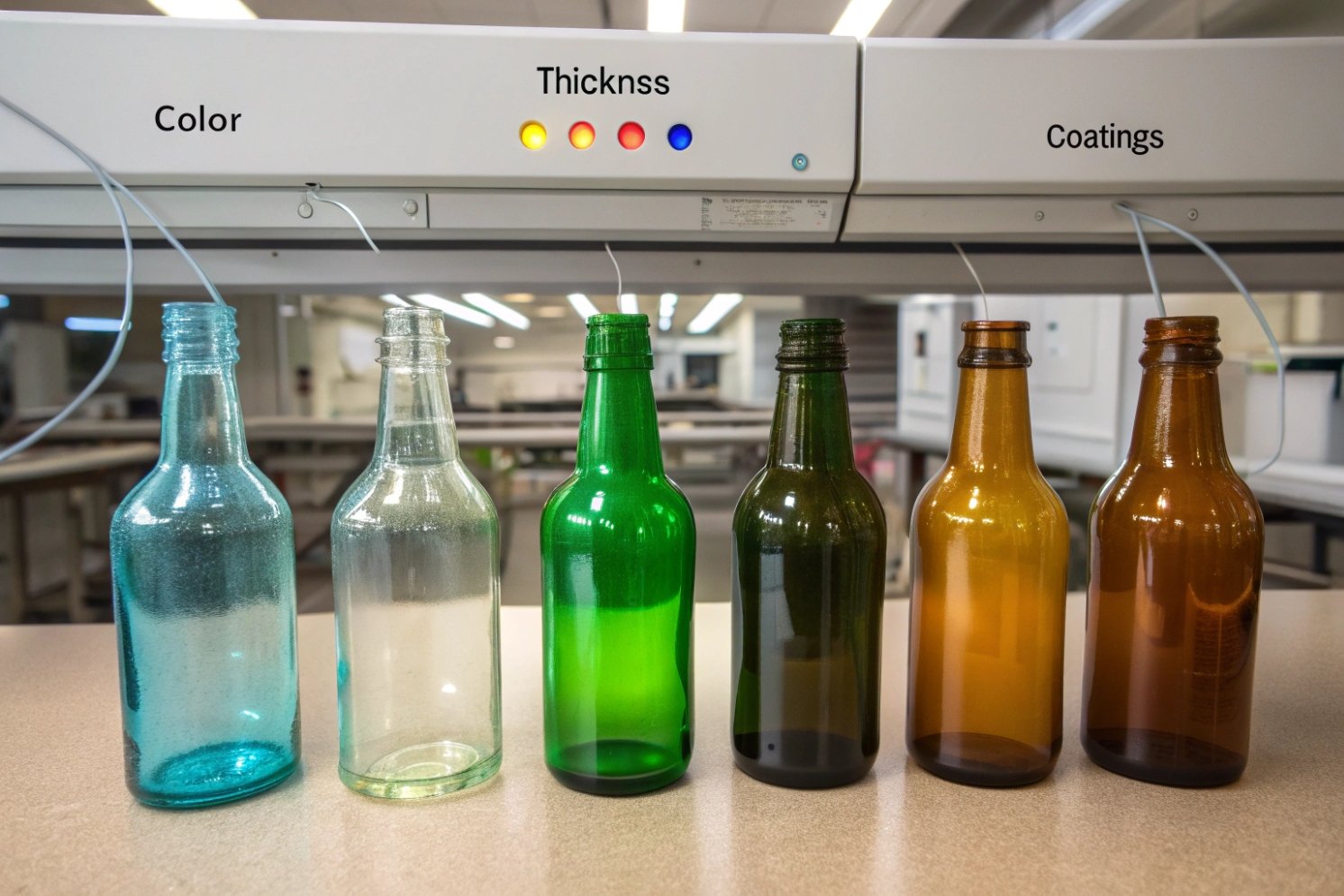
A bottle can look perfect and still harm the product. Light slips through weak zones. Then the formula drifts, and the brand pays for it.
Glass bottle light transmission is driven by glass chemistry, colorants, thickness, forming stability, and surface treatments. These factors decide which wavelengths reach the product, how uniform protection is, and whether shelf-life claims stay true.
A practical model for what controls bottle light transmission
Light transmission is not one knob. It is a system. The system starts with the glass recipe. It continues with how the bottle is formed. It ends with what happens on the surface, like frosting or coatings. When this system is stable, the product gets stable protection. When it drifts, “same color” bottles can behave like different packages.
The material baseline: chemistry and colorants
The base glass composition 1 sets the starting transparency. Then colorants and trace impurities shape the filter curve. Clear flint glass is built for visibility. Amber is built to reduce UV and part of the blue region. Green often sits in between. This is why “color name” is not enough. Two amber recipes can block light differently, even if the bottle looks similar under room light.
The geometry layer: thickness and shape
Light passes through a path. If the path is shorter, more light can pass. So wall thickness 2 is a direct driver. Bottle shape matters too. Curves, ribs, and push-up areas create thickness changes. A single thin band on the body can become a hotspot. That hotspot can set the real shelf life for the entire bottle.
The process layer: forming stability and variation
Forming controls thickness distribution, bubble risk, cords, and stress patterns. Small drift in timing, temperature, or pressure can shift glass distribution. That shift can change transmission without changing the color recipe. This is why uniformity control belongs to both engineering and QC.
The surface layer: coatings, decoration, and labels
A clear UV coating, full spray, frosting, or a full sleeve can reduce exposure. But partial decoration can create uneven protection. A clear window can look premium, but it can also become the weakest point.
| Control layer | Main variables | What changes optically | What a buyer can control |
|---|---|---|---|
| Material | glass recipe, colorants, impurities | baseline spectrum curve | specify wavelength targets and color limits |
| Geometry | wall thickness, shape features | hotspot risk and average %T | specify thickness bands and body-zone rules |
| Process | temperature, timing, pressures | variation lot-to-lot and cavity-to-cavity | require capability data and sampling plans |
| Surface | coating, frosting, labels | added blocking or uneven coverage | define coverage areas and durability tests |
Which material and process variables drive optical properties?
Small changes in the glass or the line can shift protection. The bottle still “looks fine,” so teams miss the risk until stability fails.
Optical properties are driven by glass composition, colorant type and dose, melt quality, wall thickness distribution, defects like bubbles and cords, and forming stability. These variables shape the spectrum curve and create or remove transmission hot spots.
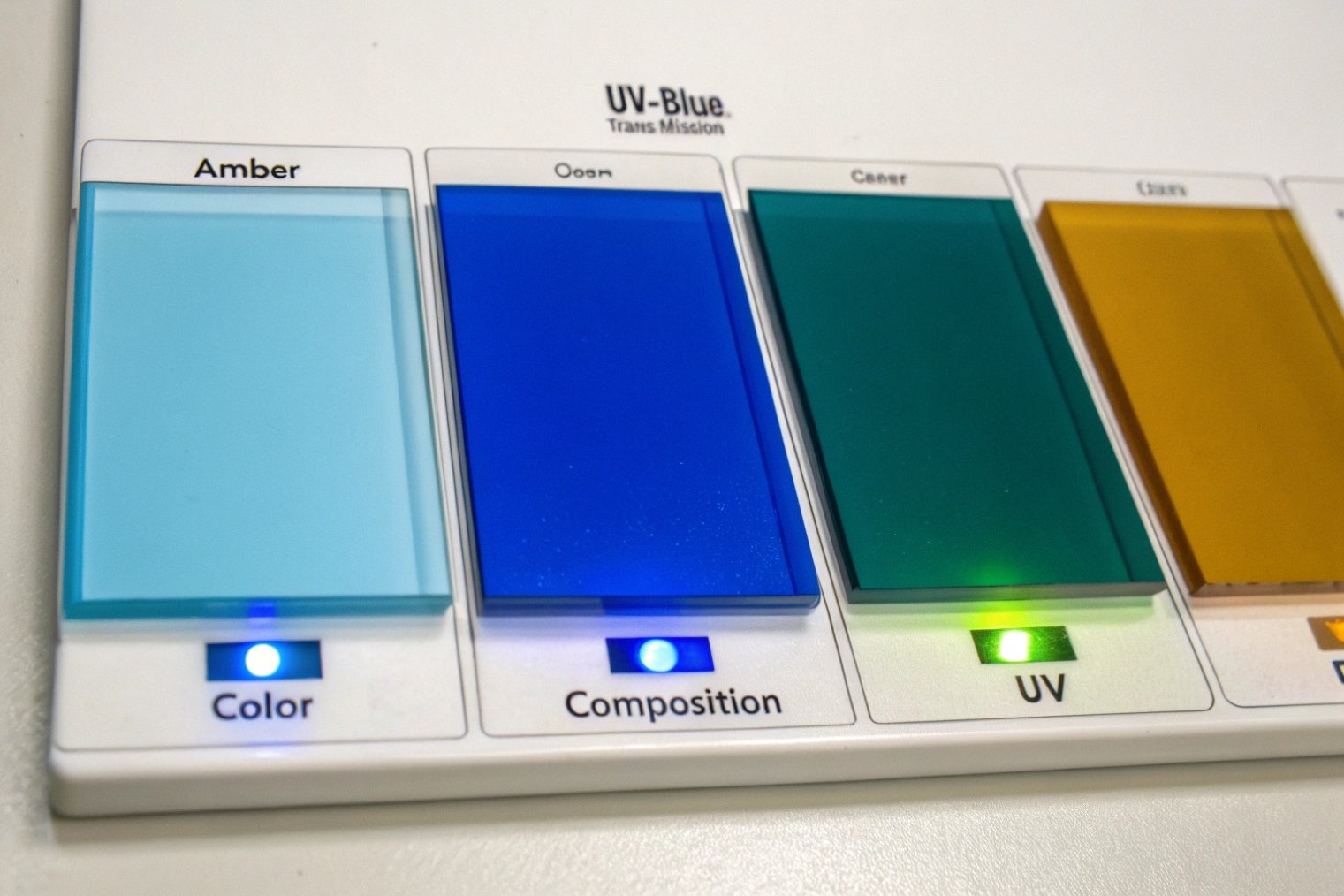
Material variables that change the spectrum
Glass acts like a filter, so the recipe matters. These are the big material drivers:
- Colorant system: Different colorants block different wavelength bands. Dose control matters as much as the type.
- Impurities and trace metals: Small changes can shift absorption, especially in the near-UV and blue region.
- Recycled content and cullet mix: More recycled content can change the trace profile.
- Fining and melt quality: Poor optical properties 3 often result from poor fining leaving bubbles or seeds that scatter light.
How do these factors influence compliance and brand risk?
A packaging choice can turn into a compliance issue fast. It can also turn into a trust issue faster than any test report can fix.
Optical factors influence compliance when brands make protection claims, set shelf-life dates, or package light-sensitive products. They influence brand risk when batch variation causes visible product drift, customer complaints, or recalls, even if the bottle color looks consistent.
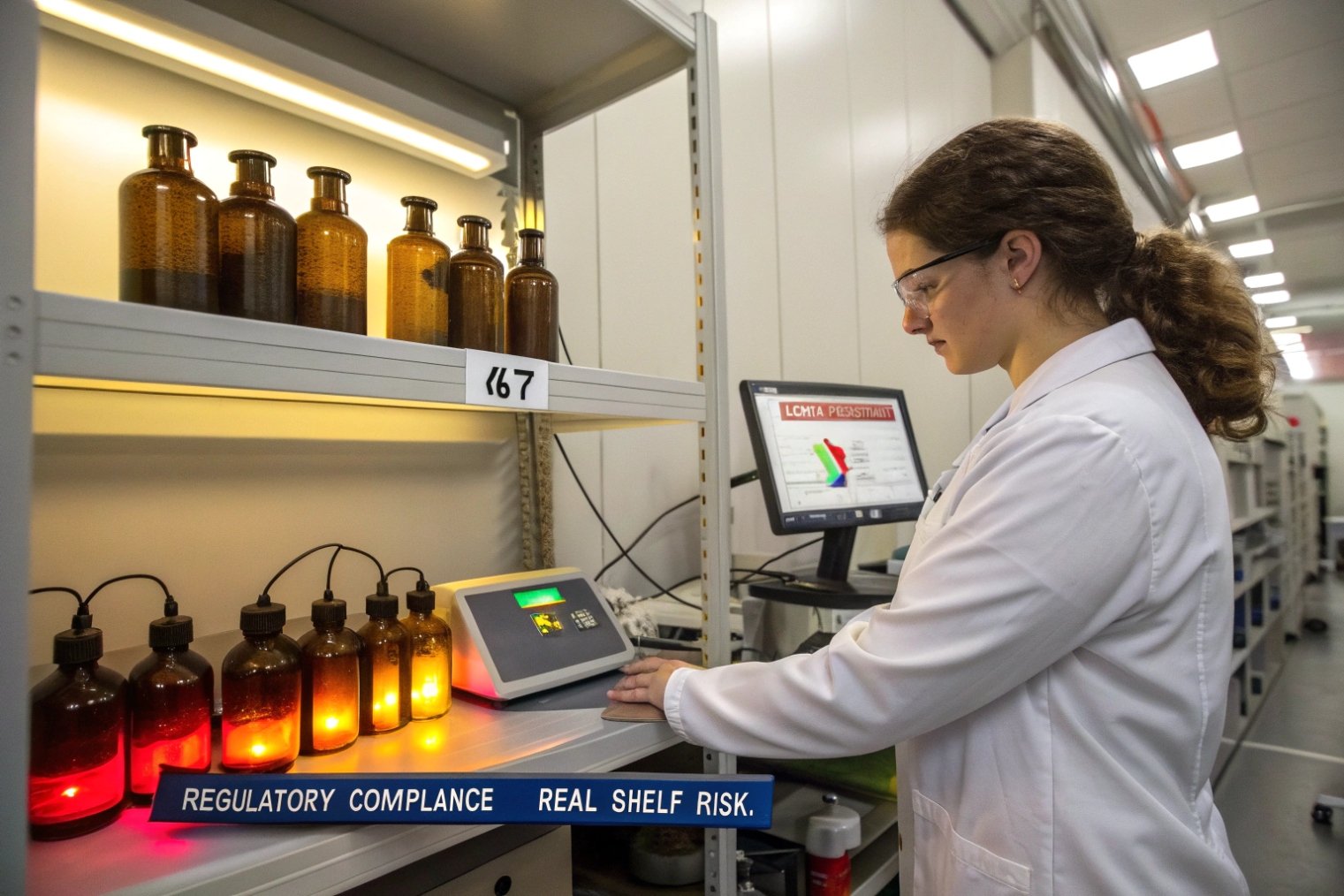
Where compliance risk appears
Compliance risk shows up when there is a promise to keep the product stable. That promise can be written or implied.
- shelf-life and stability 4: If a product needs light protection, the bottle becomes part of the stability system.
- Claims like “UV-protective” or “light-resistant”: If this claim is used, proof is needed. Proof must match the finished bottle, not just a raw glass coupon.
How should buyers translate optical targets into technical specs?
Buyers often get trapped between design language and engineering language. The purchase order ends up with “amber” and “high quality,” which is not enforceable.
Buyers should translate optical targets into specs by defining wavelength bands, maximum transmittance limits, uniformity rules across the bottle body, test thickness and fixtures, sampling plans, and acceptance criteria tied to batch IDs. This makes protection measurable and auditable.
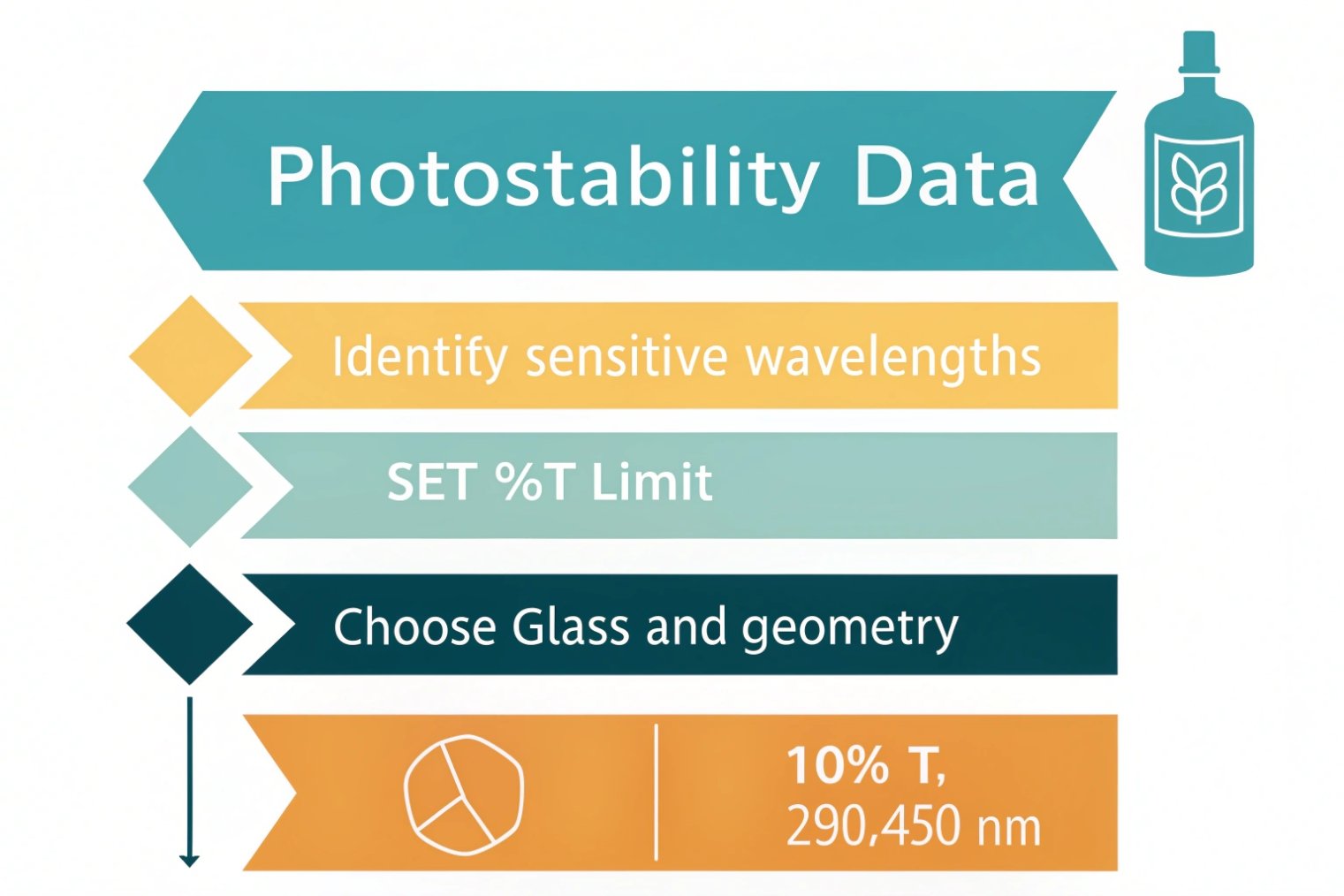
Step 3: Lock the test method and the “same basis” rules
If test conditions change, results change. A spec should lock:
- wavelength range
- instrument type (UV-Vis spectrophotometry 5 or equivalent)
- sample thickness basis (bottle wall thickness or defined coupon thickness)
- bottle zone definition (body only, not heel or neck)
- number of points and grid layout
What innovations could decouple clarity from protection?
Many brands want a clear bottle for shelf appeal. Many products need UV and blue control. That tension creates costly compromises.
New solutions aim to keep visual clarity while blocking harmful wavelengths. These include transparent UV-absorbing coatings, clear barrier sleeves, tuned colorant systems that target UV more than visible, and hybrid packs that add protection only where needed, like secondary packaging or partial filtering layers.
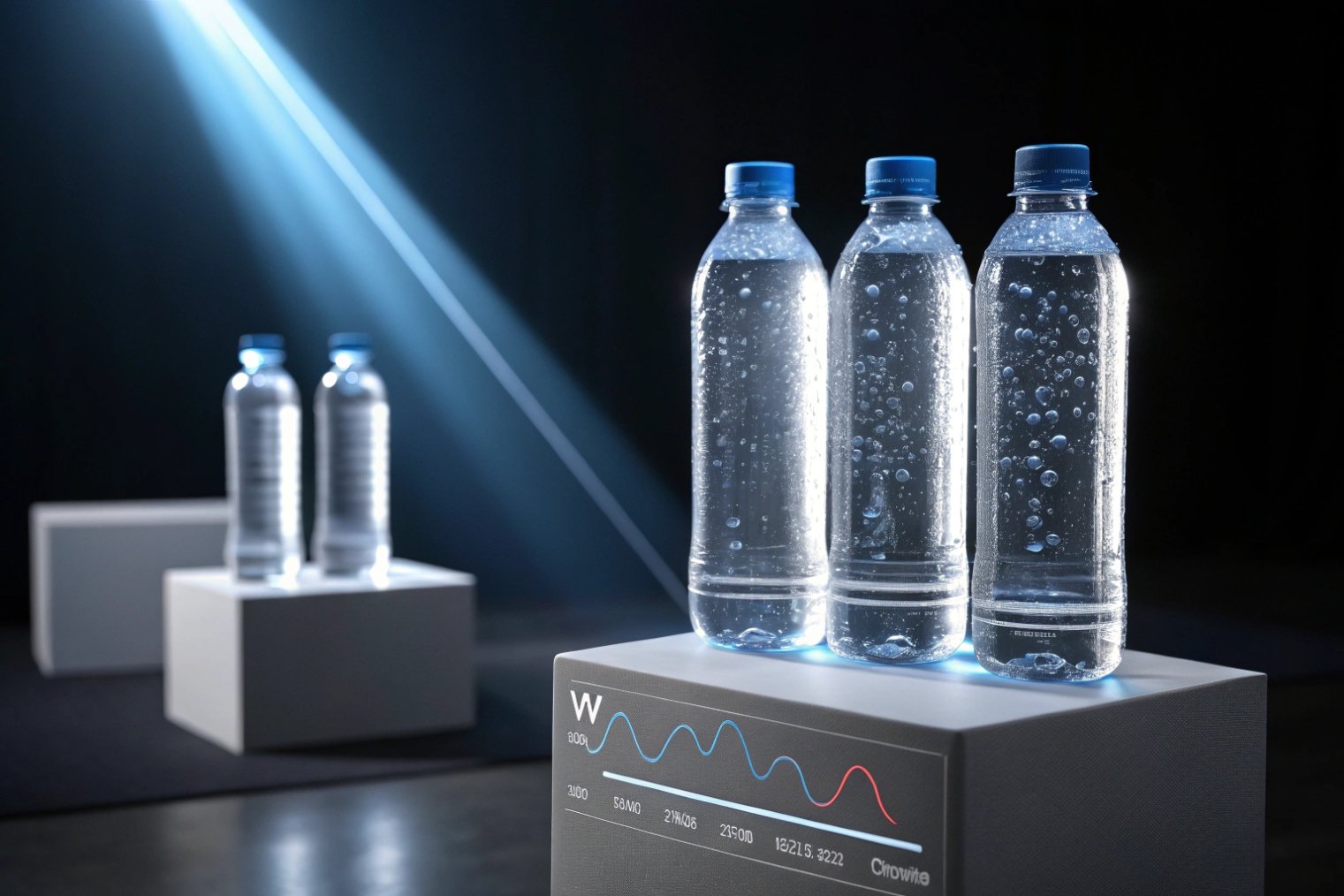
Transparent coatings that block UV
A clear UV coating 6 can add UV blocking without changing the visible look much. The success depends on durability and coverage. The coating must survive filling, labeling, and shipping. It must also stay stable over time, or protection can fade.
Hybrid packaging that protects only when needed
If a product is mainly exposed during retail, a secondary packaging 7 or partial filtering layers can solve exposure without changing the bottle. If the product is exposed in the home, then primary pack protection must be stronger. The key is to match the protection layer to the exposure reality.
| Innovation | How it helps | Best use case | Key risk to manage |
|---|---|---|---|
| Clear UV coating | blocks UV with clear look | premium clear bottles | adhesion, scratch, aging |
| UV-block sleeve | strong protection with branding | high retail exposure | sleeve quality and fit |
| Tuned colorant recipe | better curve with less tint | moderate sensitivity | lot-to-lot curve drift |
| Secondary carton | strong total light block | shipping and retail | cost and shelf visibility |
Conclusion
Light transmission depends on chemistry, thickness, forming control, and surface design. Clear specs and uniformity rules reduce compliance risk and protect the brand while enabling smarter clarity-first innovations.
Footnotes
-
Explore chemical properties and raw materials defining structure and transparency of various industrial glass types. ↩ ↩
-
A technical guide to engineering standards for measuring and managing thickness consistency in glass container manufacturing. ↩ ↩
-
Understanding how physical variables and spectral curves interact to define the light-filtering performance of containers. ↩ ↩
-
Regulatory insights into determining expiration periods and ensuring potency through protective and light-resistant packaging. ↩ ↩
-
Technical overview of measuring light absorption across ultraviolet and visible spectrums for advanced quality control. ↩ ↩
-
Specialized layers applied to glass surfaces to filter harmful radiation without significantly altering visual clarity. ↩ ↩
-
External containers like cartons used to group products and provide an absolute barrier against ambient light. ↩ ↩






