
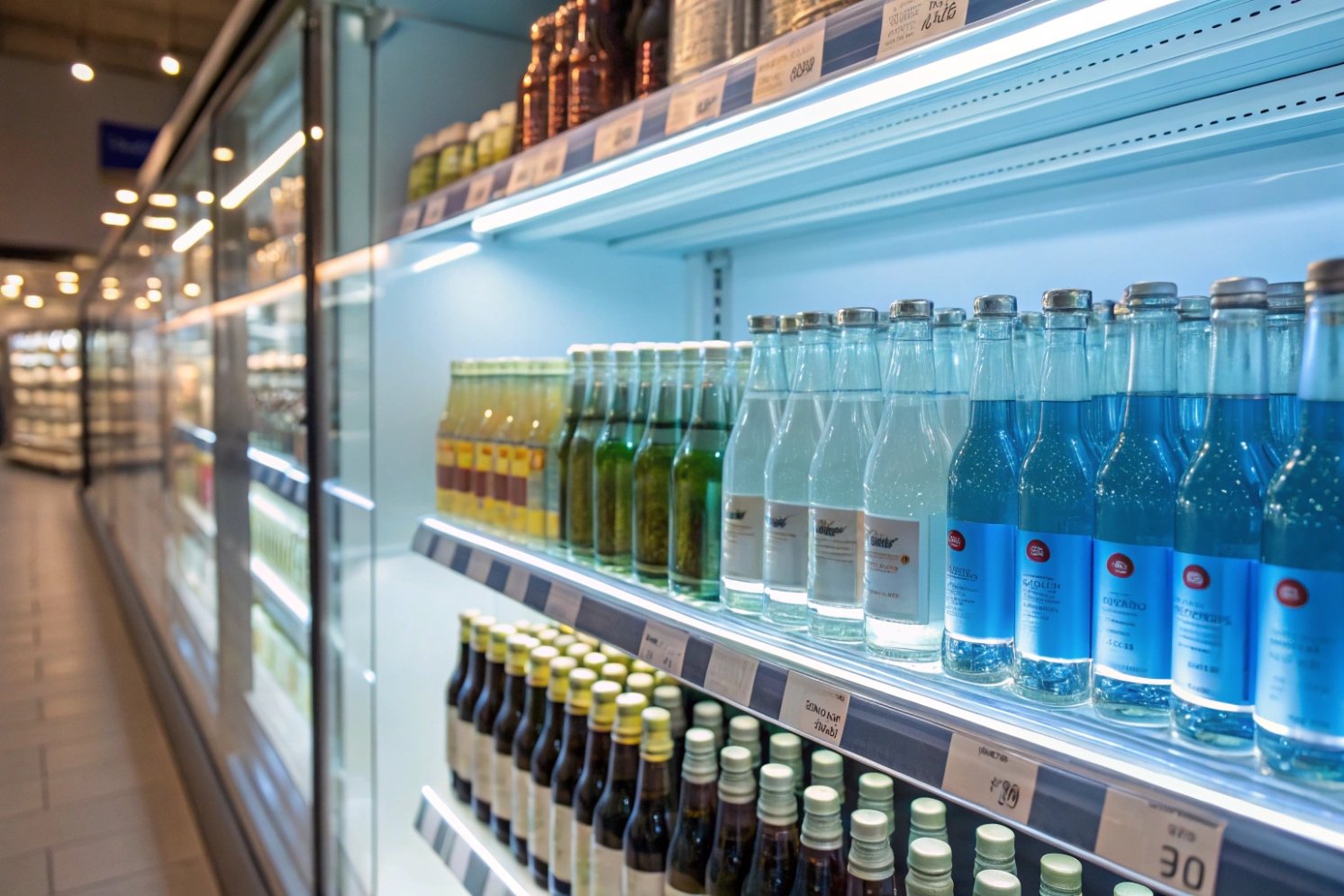
Clear glass sells “purity” and “premium”—but it also gives light a free pass. If a formula is light-sensitive, the clean look can turn into stale flavor, faded color, or potency loss before the sell-by day.
Clear glass bottles suit products that tolerate light, move fast through the supply chain, or sit inside strong secondary packaging. When those conditions are true, transparency becomes a sales tool—not a stability risk.
Choosing flint glass 1 is not a design vote. It’s a risk decision: Can this formula + this display + this rotation safely live in a high-transmission pack? If yes, clear glass can be the best option you have.
What product categories tolerate high light transmission safely?
Clear glass performs best when the product is robust or exposure time is short.
The safest clear-glass categories are low-sensitivity liquids, fast-turn chilled products, and items protected by cartons/sleeves—where light doesn’t have time (or access) to do much damage.
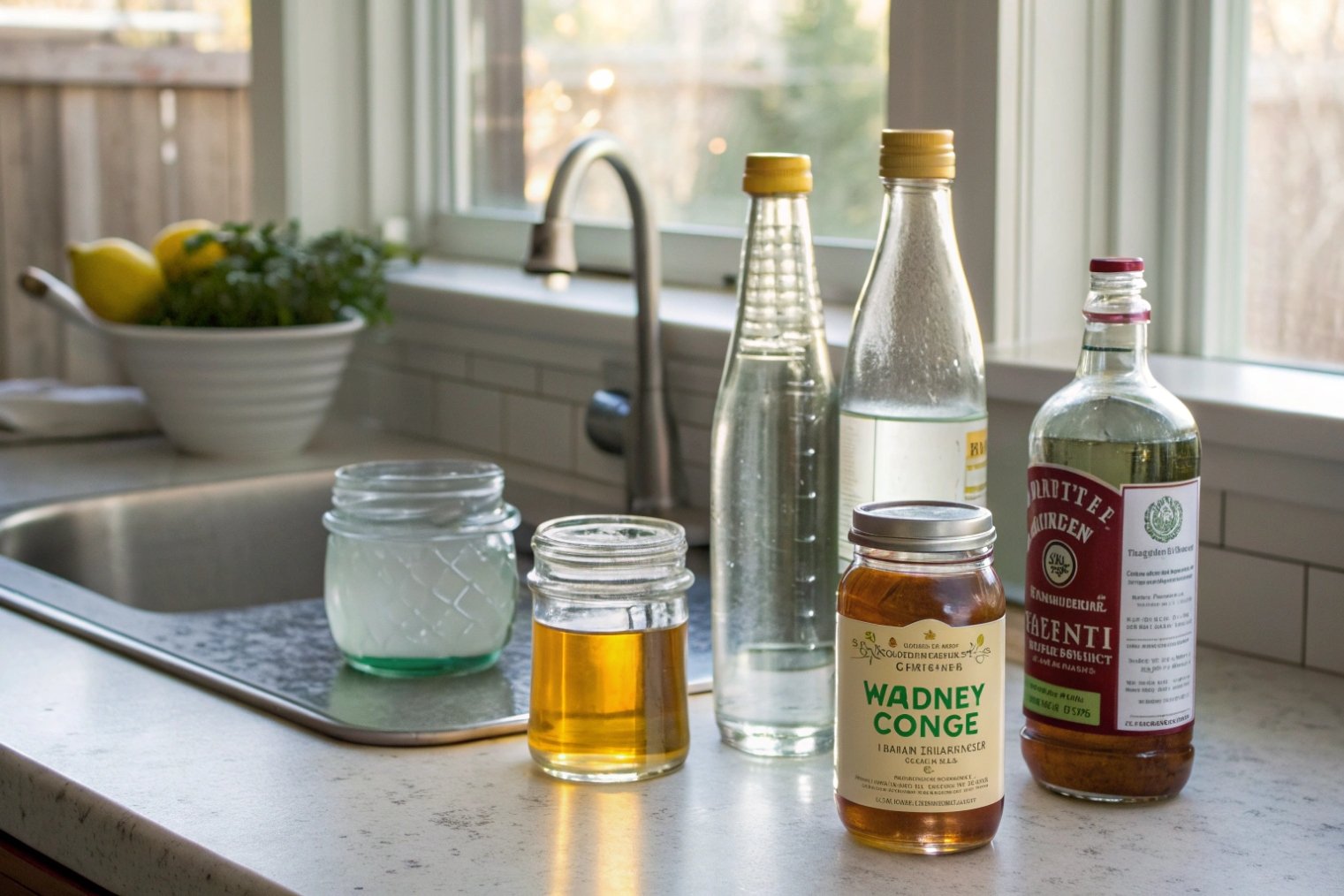
Best-fit categories for flint bottles
1) Water and low-sensitivity beverages
- Still water, sparkling water
- Many clear mixers/tonics
- Some high-acid, low-aroma RTDs with proven stability
Why it works: low photoreactive ingredients 2 + high turnover + strong “purity” cue.
2) Clear spirits (and many stable liqueurs)
- Vodka, gin, some filtered/clear liqueurs
Why it works: alcohol can be stable; the sales benefit of clarity is strong. (Still validate if botanicals/colored notes are used.)
3) Sauces, syrups, and condiments where “seeing it” sells it
- Honey/syrups, many shelf-stable sauces and dressings
- Products with visible inclusions (herbs, seeds, pulp)
Why it works: spoilage control is usually driven by sugar/acid/salt or preservatives more than light chemistry.
4) Cosmetics and personal care with proven light stability
- Fragrances and body mists (often carton-supported)
- Serums/oils where actives are UV-stable or stabilized by formulation
Why it works: visual clarity 3 increases trust; stability is managed via formula + packaging system.
5) Short-life / controlled-channel products
- Refrigerated fast-turn SKUs
- Sampling programs, trial sizes, limited runs
Why it works: short dwell time reduces total light dose.
“Clear is possible, but only with guardrails”
These can work in clear glass, but only if you test hard and control exposure:
- Cold-pressed juices, functional drinks with vitamins/pigments
- Infused oils and herb-heavy condiments
- Natural-color beverages and craft RTDs
Clear glass here is a managed decision, not a default.
When does transparency boost merchandising and shopper trust?
Clear glass earns its keep when visibility reduces shopper doubt.
Transparency increases conversion when seeing the product confirms freshness, texture, and authenticity—especially in categories where buyers distrust opaque packs or worry about “hidden additives.”
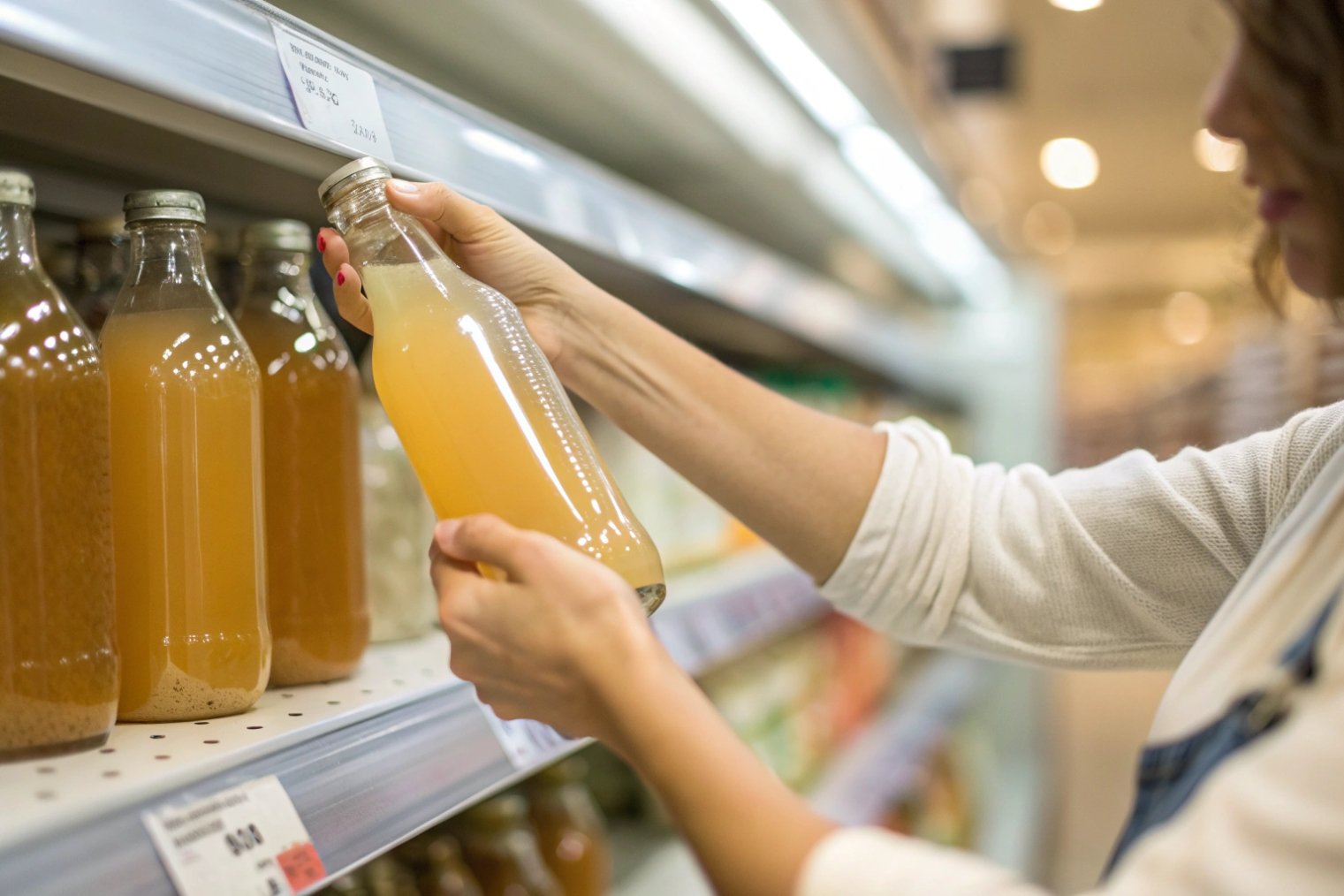
Shoppers use clear glass to judge:
- Purity: “nothing to hide” (water, tonics, simple drinks)
- Natural cues: real color, real inclusions (juices, botanicals, sauces)
- Texture: thickness/viscosity (syrups, dressings)
- Quality control: haze, separation, cloudiness, sediment
If “seeing it” is part of the value proposition, clear glass can pay for itself quickly—as long as the product doesn’t degrade while being seen.
When should you avoid clear glass?
If a product is strongly light-sensitive, clear glass is usually a repeat-complaint generator.
Avoid clear glass for products prone to off-flavors, nutrient loss, pigment fade, or active degradation under UV/blue light—unless you add strong secondary protection and prove it in testing.
Common “not for flint” examples:
- Beer (classic light-struck risk)
- Most essential oils 4 and highly aromatic botanical blends
- Many vitamin-forward functional drinks (light-sensitive vitamins/pigments)
- Many pharma and nutraceutical actives that require light-resistant packaging
- Many oils where oxidation and flavor shift are a top complaint risk
How can brands mitigate light risk while using clear glass?
If marketing requires flint, the right move is “clear + protection layers,” not “clear + hope.”
Brands can reduce light damage in clear glass with smarter labels/sleeves, cartons, UV coatings, exposure control in retail, and formulation stabilizers—then validate with photostability testing.
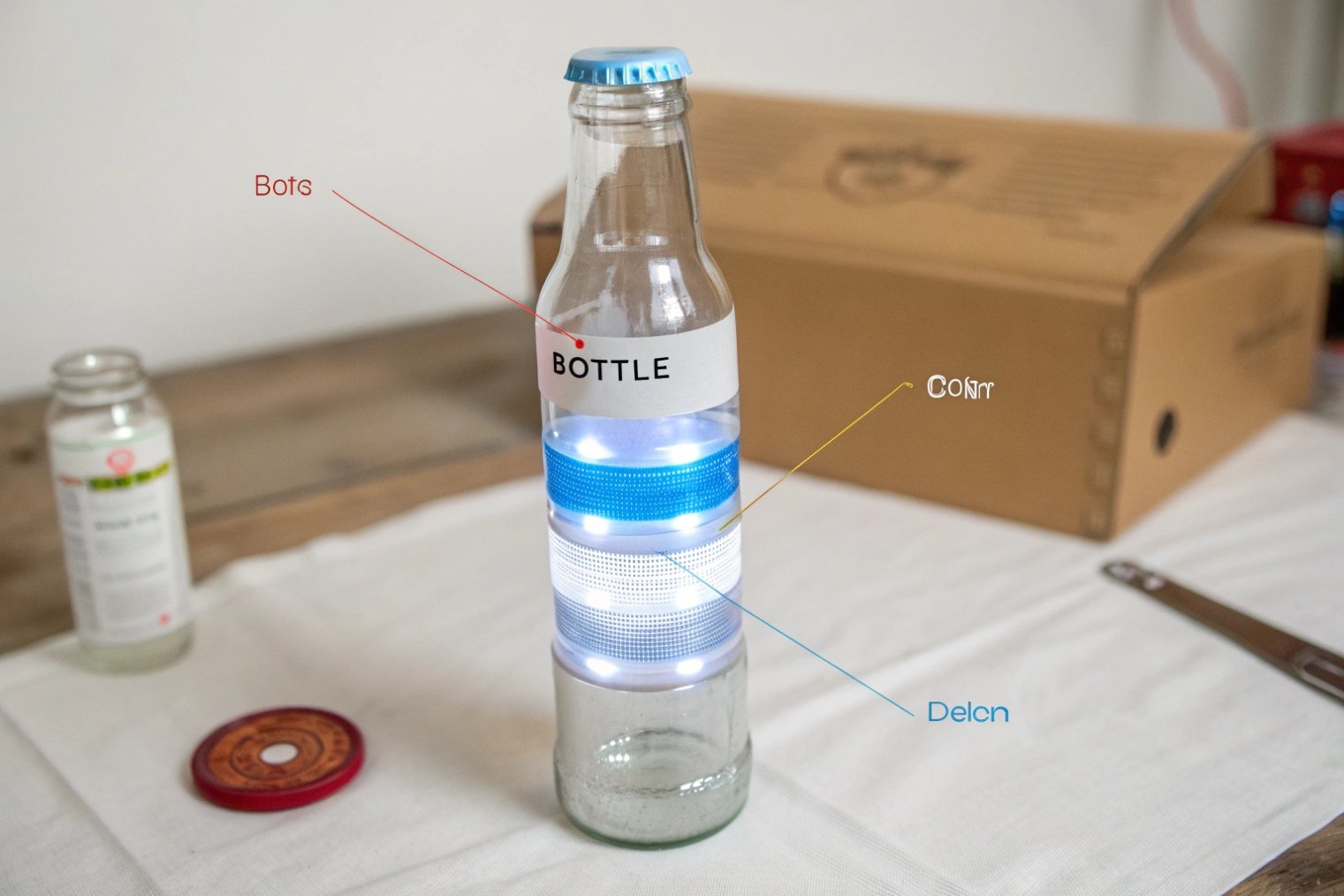
Packaging levers that keep some transparency
1) Label coverage (most underrated tool)
- Use wraparound labels that cover thin wall zones
- Leave a deliberate “window” where the shopper can still see product
This often cuts effective light dose dramatically with minimal cost impact.
2) Partial or full-body shrink sleeves 5
- Full sleeves can deliver “near-amber performance” while keeping design flexibility
- Use clear/printed windows to preserve visibility where needed
3) Cartons and display boxes
- Premium spirits, oils, and skincare often live in cartons for a reason
- Windowed cartons keep the premium reveal while blocking most shelf light
4) UV-blocking coatings 6 (when you must keep bare-glass clarity)
- Useful when the brand insists on a true flint look
- Validate durability (abrasion + chemical resistance) so protection survives distribution
Retail and logistics controls (cheap wins)
- Keep clear-glass SKUs away from windows and strong spotlighting
- Prefer closed-door chilled cabinets for slow movers
- Reduce dwell time: push rotation discipline on displays
Formulation shields (only if they fit your product + regulations)
- Antioxidants, oxygen management, and formula choices that slow photo-oxidation
- Validate that stabilizers don’t change flavor/aroma or labeling requirements
What tests should confirm “clear glass is safe” for your SKU?
Clear glass decisions are strongest when they’re backed by data, not opinions.
A practical validation set:
- UV–Vis spectral transmission of the actual bottle (and the thinnest zones)
- photostability study 7 under realistic retail lighting (not only dark storage)
- Side-by-side pack comparison: clear vs amber (or clear + sleeve) to quantify margin
- Shelf simulation: exposure + temperature + time matching your route-to-market
If your product fails in clear glass, the fix is usually not “better inspection.” It’s “reduce light dose” (packaging) or “reduce sensitivity” (formula), or both.
A quick decision tool for procurement
Use this simple filter before committing to flint:
| Question | If “Yes” | If “No” |
|---|---|---|
| Is the formula low light-sensitive (or proven stable)? | Clear glass is viable | Start with amber/green or add sleeves/cartons |
| Will it rotate fast (short shelf dwell time)? | Risk drops sharply | Clear glass becomes risky |
| Is it protected by carton/sleeve/strong label coverage? | Clear glass can be safe | Exposure is high—test harder or switch color |
| Is it sold under strong LEDs / near windows? | Add protection or relocate display | Clear glass more likely to work |
| Do you have photostability data in the final pack? | Decision is defensible | You’re guessing |
Conclusion
Clear glass is great when the product can handle the light—or when you control the light with smart packaging layers and fast rotation. The “right” clear-glass product isn’t the prettiest one. It’s the one that still tastes, looks, and tests right after real shelf exposure.
Footnotes
-
Learn about the composition and properties of flint glass used for high-transparency packaging applications. ↩ ↩
-
Understanding how photoreactive compounds respond to light energy and affect product stability. ↩ ↩
-
Insights into maintaining optical quality and visual clarity in premium glass container manufacturing. ↩ ↩
-
A comprehensive guide to the chemical properties and light sensitivity of various natural essential oils. ↩ ↩
-
How full-body shrink sleeves provide light protection and branding flexibility for clear containers. ↩ ↩
-
Technical overview of coatings designed to block ultraviolet radiation on glass surfaces while maintaining transparency. ↩ ↩
-
Standardized protocols for conducting photostability studies to ensure product quality under light exposure. ↩ ↩






