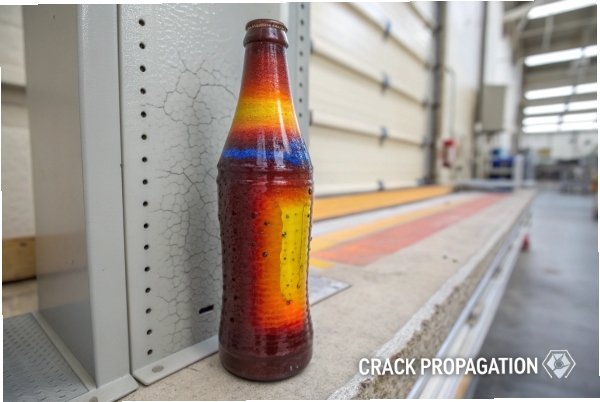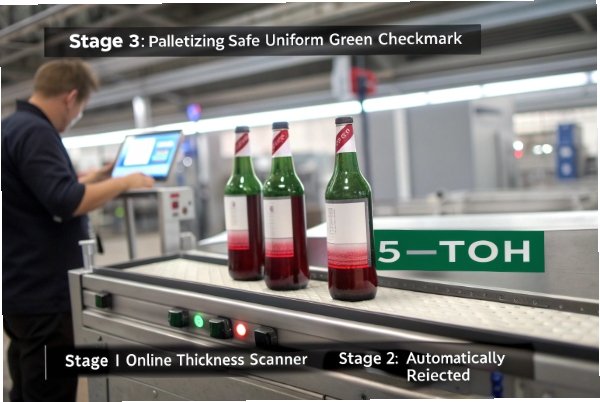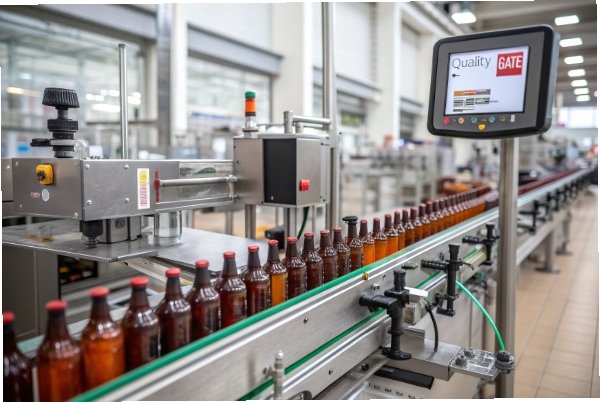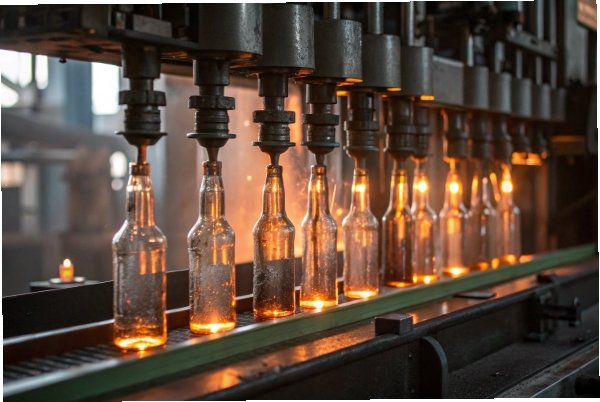
A bottle can look solid and still fail at the worst moment. One small crack at the base can destroy a whole case, break a filling line, and ruin a brand’s trust.
A concave punt is not just decoration. It can add base strength, improve pressure behavior, help sediment stay put, support controlled pouring, and help some lines center bottles. Punt depth can also signal “premium,” even when the functional need is small.
What a punt really changes at the bottom
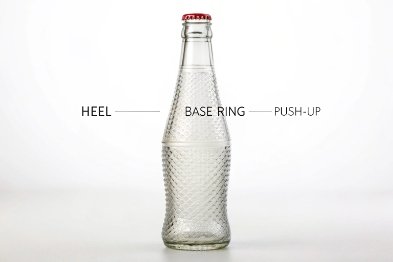
A punt is an inward dome in the base—often called a bottle punt (inward “push-up”) 1. That dome changes geometry, and geometry changes stress. In glass packaging, small shape changes matter more than people expect, because glass does not bend much before it breaks. That is why the base design gets so much attention in carbonated drinks, sparkling wine, and returnable bottles.
There is also a historical layer. In older hand-blown bottles, the pontil mark on bottle bases 2 could leave a sharp bump. Pushing that spot inward reduced the sharp point and made the bottle safer on a table. Modern molds removed that need, but the “punt language” stayed. Some brands keep it for tradition, for feel in the hand, and for a premium cue. That is real marketing value, even when engineering does not demand it.
Still, the best way to think about a punt is not “it is stronger.” The better frame is: the punt can shift where glass is thick, how forces flow, and how the bottle interacts with contact surfaces, equipment, and people.
Where bottles actually break
Most base failures do not happen because someone looked at the bottle wrong. They happen because stress concentrates in one area. These are the common drivers:
- Internal pressure in sparkling products (often around 5–6 atmospheres in Champagne bottles 3). Pressure pushes out on every surface, including the base.
- Impact and scuffing from conveyors, depalletizing, and case packing—especially scuffing and etching on returnable glass bottles 4.
- Stacking and top load in warehousing.
- Thermal shock when bottles move from cold storage to warm wash, or from hot fill to cooling zones—classic thermal shock in glass 5.
- Manufacturing variation like uneven glass distribution, stones, cords, or slight base tilt.
A concave base can help with some of these risks, but it is not a magic shield. Good base design works together with correct glass distribution, annealing quality in glass containers 6, and a realistic handling spec.
| What people think the punt does | What it often really does | When it matters most |
|---|---|---|
| “Makes the bottle stronger” | Moves stress and thickness to safer zones | Sparkling wine, returnables, rough handling |
| “Stops wobble” | Reduces base rocking by controlling the contact ring | Thin bottles, uneven floors, high-speed lines |
| “Traps sediment” | Creates a low-energy zone at the rim for deposits | Bottle-aged wine, traditional-method sparkling |
| “Means premium” | Signals tradition and weight, not always performance | Luxury cues, gifting, restaurant service |
| “Needed for machines” | Helps some push-up centering designs, not all | Certain older lines, specific base guides |
A punt is a tool. Like any tool, it works best when the bottle’s job is clear.
This is where the story gets interesting, because each claimed benefit has limits.
The next sections break down the four questions that keep coming up in real packaging conversations.
Does a punt improve structural strength and pressure spread?
A bottle base can be the weak link. If pressure or impact creates a small crack at the heel, failure can travel fast. That fear is why this question never goes away.
A punt can improve base performance by turning a flat “plate” into a dome-like form. Domes resist deformation better, and they spread loads into the sidewall and heel. That matters most for pressurized products and hard handling.
Dome logic: why inward curves often behave better than flat glass
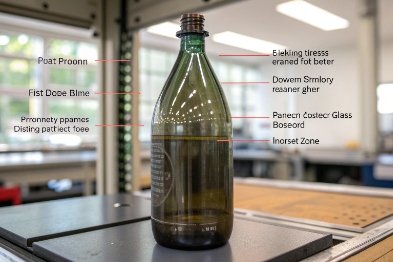
A flat bottom acts like a plate. Under pressure or load, a plate wants to flex. Glass does not like flex. A dome shape, even an inward dome, redirects forces into compression paths. Compression is glass-friendly. That is one reason many high-pressure containers avoid wide flat panels.
A punt also tends to thicken the glass around the base ring and heel. That thicker ring is the real workhorse. It is often where contact happens on conveyors and tables. If the design pushes more glass there, the bottle can become more tolerant of scuffing and small impacts.
The key point is this: the punt itself is not “strong.” The system is strong when the design creates a better stress map and better glass distribution.
Pressure is not the only enemy: impact and stacking matter
In many plants, internal pressure is controlled and predictable. Impacts are not. Drops, lateral knocks, and base scuffs can create micro-damage that later turns into a break. A punt can help by:
- Reducing the size of the flat zone that can act like a “drum skin.”
- Moving the highest stress away from the center and into a reinforced ring.
- Limiting rocking, so the base does not grind on one small spot.
But punt design can also create new risks if done poorly. A very sharp transition from the punt wall to the base ring can become a stress concentrator. The profile must stay smooth.
Temperature changes can create stress because the outside cools or heats faster than the inside. A thicker, domed base can sometimes handle these swings better because the geometry avoids large flat areas that cool unevenly. That said, annealing quality and glass chemistry still lead the result. The punt is only part of the story.
| Design choice | Strength upside | Risk if overdone | Practical note |
|---|---|---|---|
| Moderate punt + thick base ring | Better load flow and impact tolerance | Added weight and cost | Common in sparkling and premium spirits |
| Very deep punt | Can increase heel strength, can aid grip | Can reduce usable base contact area | Not always stable on every surface |
| Sharp punt wall angle | Visual drama | Stress concentration | Smooth radii win in real life |
| Flat base (no punt) | Lower cost, simple | Less tolerant of scuff/impact | Works well in PET or low-risk glass formats |
For pressurized bottles, a punt can help, but it works best as part of a controlled base design. The real goal is to manage stress, not to chase a deep indentation.
How does a punt aid sediment collection and pouring control?
Sediment is not a myth. It is normal in bottle-aged wine, and it can show up in traditional-method sparkling. Nobody wants gritty wine in a clean glass, especially at a table.
A punt helps sediment settle into a ring at the outer base, and it gives servers a stable thumb position for controlled pouring. Both benefits are real, but they depend on serving style and bottle type.

Sediment: why the ring matters
When a bottle rests upright, gravity pulls sediment down. In a flat-bottom bottle, sediment can spread across the center. With a punt, the center is raised inward, so sediment tends to settle around the outer “moat.” That ring can stay put when the bottle is tilted slowly, especially if the pour is calm and steady.
This does not remove sediment. It only makes it easier to keep sediment out of the stream for a careful pour—especially when the sediment is typical wine sediment like tartrate crystals and lees 7.
For traditional-method sparkling, the process is different. Riddling and disgorgement focus sediment into the neck, not the base. Still, the punt can support the same idea: guide particles away from the direct pour path when the bottle is handled.
Pouring control: the thumb grip is about repeatability
The punt gives a natural place for the thumb. The rest of the hand supports the body. This creates a repeatable grip, which helps keep the label facing the guest and keeps the pour angle smooth.
Is it required? No. Many professionals pour without using the punt. But the punt offers a built-in “index point,” which helps consistency in service and presentation. In luxury settings, consistency is part of the product.
A practical view: when this benefit matters and when it does not
If a product is filtered heavily and designed for casual use, sediment control is not a selling point. For bottle-aged products, it can be part of the ritual. That ritual is value. A punt supports that story with a small physical detail that people can feel.
| Use case | Sediment benefit | Pouring benefit | Punt importance |
|---|---|---|---|
| Bottle-aged red wine | Helps keep deposits at rim | Helps steady, slow pour | Medium |
| Unfiltered specialty beverages | Can reduce sediment in stream | Minor | Low to medium |
| Traditional-method sparkling | Less about base sediment | Good grip during service | Medium |
| Everyday filtered wine | Small | Small | Low |
The punt is not a sediment filter. It is a quiet helper for careful handling and a smoother pour, especially when the bottle is part of a “table moment.”
People often judge quality with their hands before they taste. Weight, texture, and shape become shortcuts. Punt depth is one of those shortcuts.
Punt depth can be functional in high-pressure or rough-handling designs, but deep punts also act as a premium cue. Many modern deep punts exist mainly for brand image, not engineering necessity.
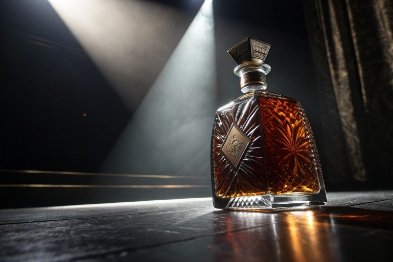
A deeper punt often comes with a heavier base. That extra mass changes the feel. The bottle can feel “serious,” and that can support higher pricing. A deep punt can also make the bottle look taller or more sculpted, even when the fill volume stays the same. This is a design trick, but it is not dishonest. It is part of packaging communication.
Many consumers have learned an association: deep punt equals quality. That association is not always correct, but it is common enough to influence buying.
Function sets the minimum, branding sets the final number
In engineering terms, there is often a “good enough” punt depth that achieves the needed stress behavior. Beyond that, extra depth may not add real protection. It may even reduce stability on some surfaces by reducing the contact ring width or changing how the base rocks.
Brands still choose deeper punts because:
- The bottle looks more premium on shelf.
- The base feels heavier in hand.
- The design matches tradition in wine categories.
- The punt becomes a signature shape.
The trade-offs: cost, weight, and sustainability pressure
Extra glass adds cost, increases shipping weight, and increases emissions per bottle. Many markets now pressure brands to lightweight. That trend can push punt depth down or push designs toward smarter glass distribution instead of raw mass.
There is also a line reality: deeper punts can change how bottles run on push-up centering parts. It can be helpful in some systems, but it can also force equipment changes if the base geometry no longer fits existing guides.
| Punt depth choice | Typical driver | Real functional gain | Hidden cost |
|---|---|---|---|
| Shallow to moderate | Line performance, stability | Often enough for still products | Minimal |
| Moderate (sparkling) | Pressure + handling | Can be meaningful | Some weight increase |
| Very deep | Premium cue + tradition | Sometimes small | Higher glass use and freight cost |
| No punt | Cost + lightweight goals | Fine for many still drinks | Needs good base flatness control |
A useful rule in packaging work is simple: function should set the floor, not the ceiling. After the floor is met, depth becomes a brand decision.
Do punts affect label area and line handling stability?
A bottle must sell on shelf and survive a factory. The punt touches both worlds, even though it sits at the bottom.
A punt does not change the main label panel directly, but it can change bottle proportions and stability. It can improve centering and reduce wobble on some lines, yet it can also create handling issues if base contact is too narrow.
Label area: the effect is indirect, but real in design decisions
The label panel sits on the body, not on the base. So the punt does not “steal” label space in a literal way. The indirect effect comes from proportions. If the design uses a heavy base and deep punt to signal premium, the overall bottle height and shoulder shape may change. That can shift where the label looks best and how large it should be.
There is also a shelf-feel factor. A heavy punt can make a bottle feel stable in the hand, which supports premium branding, which can support a more minimal label. The label decision and the base decision often move together in premium spirits and wine.
Line handling: centering, wobble, and the contact ring
High-speed lines hate wobble. A bottle that rocks can tip, jam, or scuff. A punt can help because it often creates a consistent outer contact ring. That ring can reduce rocking, especially if the glass distribution is controlled.
Some systems also use base push-up features to help center bottles from underneath. A punt can improve compatibility with those designs, especially in older setups that expect a certain base geometry.
But there is a limit. If the contact ring becomes too narrow, the bottle can become less stable on uneven surfaces. It may also concentrate wear on a smaller ring, increasing scuffing risk.
Stability is not just “deep punt equals stable”
Stability depends on:
- Contact ring width
- Base flatness tolerances
- Center of gravity
- Bottle height-to-diameter ratio
- Conveyor conditions and guide settings
A deep punt can lower the center of gravity if it comes with a thicker base. That can help. Yet stability can drop if the ring is thin and the floor is not flat.
| Line factor | How the punt can help | How it can hurt | What to watch |
|---|---|---|---|
| Centering under the base | Push-up geometry can guide position | Mismatch with base guides | Check base spec vs equipment |
| Wobble on conveyors | Consistent contact ring reduces rocking | Narrow ring increases rocking on uneven belts | Validate on real line speed |
| Scuff resistance | Thicker heel can resist damage | Smaller contact area increases local abrasion | Use coatings or design ring width |
| Case packing and stacking | Reinforced base ring can reduce cracks | Added weight raises freight cost | Balance breakage vs weight |
For most modern lines, the best outcome comes from a base that is consistent, smooth, and matched to the conveyor and pack pattern. The punt can support that, but it must be designed with the line in mind, not only the shelf.
Conclusion
A punt is part engineering, part tradition, and part marketing. When the base design fits the product and the line, the punt becomes a quiet advantage that customers can feel.
Footnotes
-
Definitions and common reasons bottles use punts (push-ups). ↩ ↩
-
Visual examples and explanation of pontil scars on historic bottle bases. ↩ ↩
-
Quick reference for Champagne’s typical internal pressure range. ↩ ↩
-
Practical causes of bottle scuffing and ways returnable glass can reduce damage. ↩ ↩
-
Background on how rapid temperature changes create cracking stress in glass. ↩ ↩
-
Why annealing matters for removing residual stress in formed glass containers. ↩ ↩
-
What wine sediment is (tartrates/lees) and why it appears in bottles. ↩ ↩