
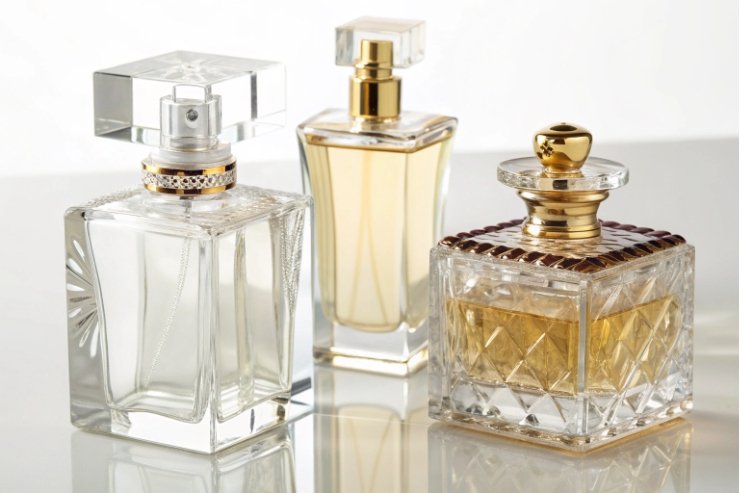
The base is where the bottle meets the table, yet many people only treat it as decoration and forget it is a structural part.
Perfume bottle bases are usually thick flint or crystal glass, sometimes supported by colored punts, sleeves, or metal/acrylic parts, with built-in embossing and specs that control stability, drop strength, and pressure performance.
When we design a base, we mix three things at once: material choices, brand cues, and physics. If these three line up, the bottle feels premium in the hand and behaves well on the line and in transport.
Do thick flint bases maximize clarity and perceived weight?
A heavy, clear base is often the first thing a shopper’s fingers notice when they pick up the bottle.
Yes, thick flint or crystal bases boost clarity, sparkle, and perceived weight, but they also change cost, stability, freight, and even drop performance, so they must be engineered, not just “made thicker.”
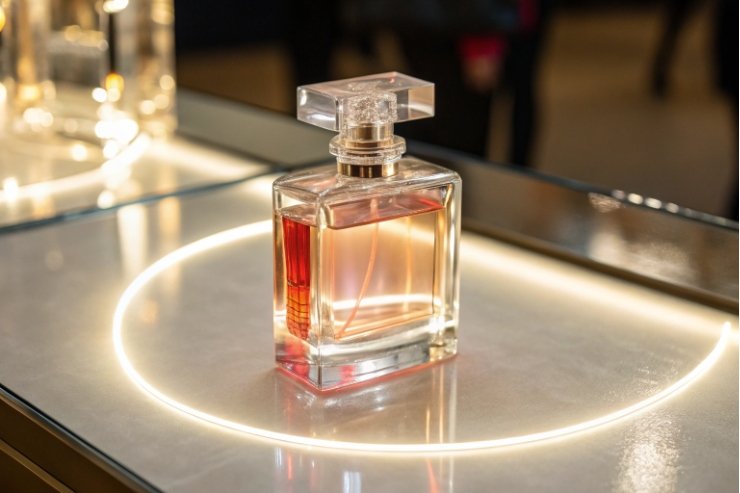
How thick flint bases change look, feel, and mechanics
Most standard perfume bottles use soda-lime flint glass at the base. This is the same soda–lime glass 1 used for many everyday container applications. Premium lines move to high-white flint (often marketed as extra flint (extra white glass) 2) or even lead-free crystal glass when they want more brilliance and “diamond” refraction. For maximum sparkle without lead, some brands also specify lead-free crystal formulations 3.
A thick base does several things at once:
- Raises perceived value: more weight feels more expensive in the hand.
- Improves clarity and sparkle: deep glass works like a lens and makes the juice look richer.
- Lowers the center of gravity: the bottle stands more firmly and is harder to tip.
But there are also trade-offs:
- More glass means higher unit cost and higher freight weight per piece.
- If thickness is not distributed well, the base can cool unevenly and hold more internal stress.
- Very thick bases can be more sensitive to thermal shock if the design ignores ΔT limits.
Sometimes, instead of pushing thickness to the extreme, we mix materials. Examples:
- A normal-thickness glass base with a clear acrylic insert to fake visual depth but keep weight lower.
- A glass base with a metal (Zamak alloy 4) ring around the heel for extra heft and protection at the outer edge.
A simple comparison:
| Base style | Look & feel | Cost / weight impact | Typical use |
|---|---|---|---|
| Standard flint | Clean, light, functional | Lower glass and freight cost | Volume lines, mid-tier brands |
| Thick flint | Solid, premium, stable | Higher glass + freight | Premium perfume, core SKUs |
| High-clarity crystal | Maximum brilliance, luxury | Highest cost, more fragile | Flagship or limited editions |
| Glass + acrylic | Deep look, reduced glass use | Extra assembly, mixed materials | Design-driven, cost-sensitive |
So yes, thick bases are powerful for branding. The trick is to define target weight, clarity, and performance up front, then let the glass engineer decide how much thickness you really need and where to place it.
When are colored punts, sleeves, or paints specified?
A clear base feels pure, but color at the bottom gives you another design layer to play with.
Colored punts, painted bases, or added sleeves are used when you want to support brand color, hide certain areas, or add light control and storytelling, without changing the full bottle color.
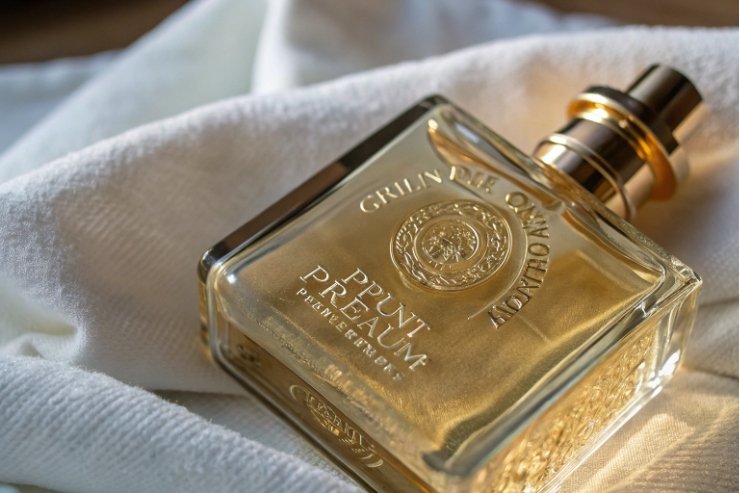
When and how to add color to the base
You can bring color into the base in three main ways:
-
Colored glass
- The whole bottle, including the base, uses tinted glass (amber, blue, black, etc.).
- A deeper or darker punt can help with light protection for sensitive formulas.
-
Localized coatings or paints
- Only the base or punt is sprayed or painted, often with a fade into clear glass.
- This adds a subtle halo when the bottle sits on a light surface, and keeps the main body clear.
-
Sleeves or over-bases
- A glass or acrylic ring, or even a metal band, wraps the outside of the base.
- This can carry color, texture, or pattern without changing the main bottle glass.
Even with these options, the base still has to preserve the standing ring and push-up geometry 5 that drives stability on shelves and conveyors.
We specify colored bases or punts when:
- We want a brand color flash visible from above or below on a crowded shelf.
- We need to mask glue or fixture marks on the underside, especially with heavy decoration on the body.
- We want to separate tiers: for example, same bottle shape, but different base colors for different concentrations (EDT vs EDP vs extrait).
- We need extra UV control at the base while keeping the sides more transparent.
Color techniques also differ in how easy they are to recycle and how flexible they are for short runs:
| Technique | When it makes sense | Pros | Things to watch |
|---|---|---|---|
| Full colored glass | Long-term core SKUs | Strong, built-in color | Higher glass MOQ, less flexible |
| Base-only spray / paint | Seasonal, special editions, small runs | Flexible, lower MOQ | Coating must resist scuff |
| Outside sleeve / ring | High luxury, gift sets | Very strong visual impact | Complex assembly, recyclability |
If sustainability is important, we usually start with tinted glass or thin organic paints that burn off in the furnace, and we use metal or plastic sleeves only where the visual or tactile benefit is worth the extra complexity.
Can bases integrate anti-counterfeit marks or embossing?
Labels are easy to copy. The base is not.
Yes, bases are a perfect place for anti-counterfeit features: molded logos, hidden codes, unique punt geometry, and micro-text that raise the cost of imitation while staying discreet in daily use.
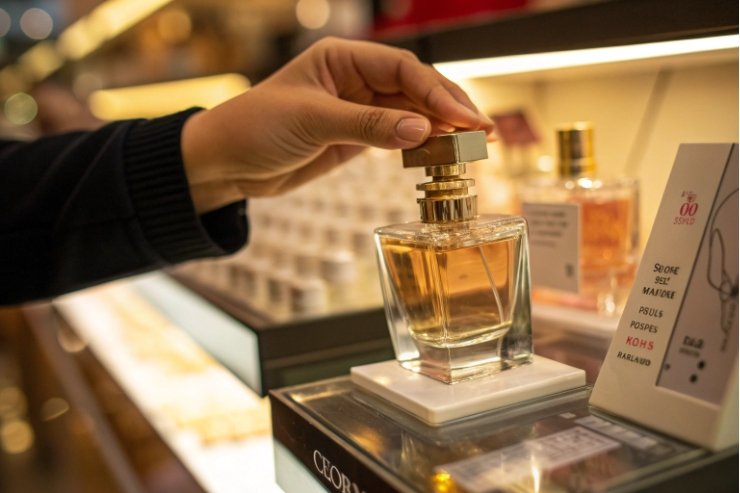
How to build brand protection into the base
Because the base is rarely photographed in product shots, it can carry details that only you and your quality team really notice. Common features:
- Embossed logos or icons in the punt or standing ring.
- Micro-text running around the heel: brand codes, year marks, or country codes.
- Small symbols or patterns only visible when you flip the bottle.
You can also use more technical marks:
- Mold-cavity and date codes that help trace defects and verify plant origin.
- Special notch patterns or asymmetric base cuts that do not appear on generic bottles.
- Reserved flat zones where you later add laser marks or data-matrix codes on the finished, filled product.
The base is ideal because:
- It is part of the primary glass and hard to edit without new molds.
- It does not interfere with the label design or front visual story.
- It is easy to check in a back office, yet easy to miss for casual counterfeiters.
At the same time, we must keep mechanics in mind:
- Embossing cannot cut into the standing ring so much that the bottle becomes unstable.
- Very deep or sharp details can become stress concentrators if they are placed in high-load areas.
- The punt must still allow good automated inspection and line handling.
A quick map of options:
| Feature type | Visibility | Security strength | Notes |
|---|---|---|---|
| Large logo emboss | Medium | Low–medium | Good for branding, easy to copy |
| Micro-text ring | Low | Medium | Needs good mold precision |
| Unique punt shape | Medium | Medium–high | Changes molding, harder to copy |
| Hidden codes | Very low | High | For internal QA, traceability |
Well-designed base details will not “solve” counterfeiting alone, but they turn your bottle from a generic shape into a unique object that is much more painful and expensive to duplicate.
How do base specs affect drop and pressure performance?
The base is not only a pedestal. It is also a shock absorber and a pressure shell.
Base specifications—thickness, standing ring width, punt depth, and even extra components like metal rings or pads—strongly influence drop resistance, impact behavior, and how the bottle handles internal stress and thermal shock.
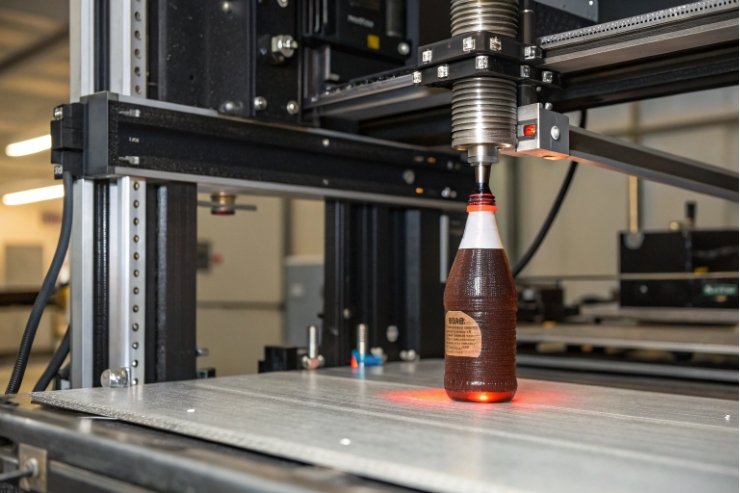
Why base geometry matters for strength
When a bottle hits a hard surface, the base usually takes the first impact. The design decides whether that force travels smoothly through the glass or concentrates in one weak line.
Key parameters:
-
Standing ring
- This is the narrow ring that actually touches the table.
- A wider ring spreads load, improves stability, and reduces point stress.
- But too wide a ring can show scuff more easily.
-
Base thickness
- A thicker base usually improves impact resistance and top-load up to a point.
- Past a certain thickness, you get diminishing returns and higher internal stress if annealing is not tuned.
-
Punt or concavity
- A shallow punt helps the base behave like a dome, which is a strong shape.
- It can also hide internal surfaces from scratches and allow embossed codes in the center.
-
Internal angles and transitions
- Smooth radius transitions between base and sidewall reduce stress concentration.
- Sharp internal corners are a common cause of heel checks and spontaneous cracks.
We validate these choices with:
- Drop tests from defined heights onto different surfaces.
- Top-load tests (often referenced against the ISO 8113 vertical load test method 6) to check how the base holds under stacking loads in cartons.
- Thermal shock (ΔT) checks (commonly aligned to the ASTM C149 thermal shock resistance test method 7), especially when bottles go through hot lacquer ovens or face big ambient changes.
Base performance for perfume vs pressure containers
Perfume is not carbonated, so internal pressure is usually low. Still, base design must consider:
- Airfreight and temperature swings, which can increase internal pressure slightly.
- Thick juices and oils, which can put more local stress on the glass when the bottle is dropped.
- Heavy metal collars or caps, which add momentum in a fall and sometimes shift the impact focus.
We sometimes reinforce the base externally:
- Zamac or metal rings around the heel to take scuff and some impact, especially on very heavy or front-facing bottles.
- Soft pads (silicone or EVA) to improve grip on glossy shelves and protect tabletop surfaces.
This is how base specs tie everything together:
| Spec / feature | Main effect | Trade-offs |
|---|---|---|
| Thick base glass | Better drop, more weight | Higher cost, more stress if overdone |
| Wide standing ring | Stability, lower point stress | Bigger scuff ring, more contact |
| Deep, smooth punt | Strength, protected codes | Slightly more glass, mold complexity |
| Metal heel ring | Edge protection, extra luxury | Assembly step, mixed materials |
| Soft bottom pad | Slip resistance, surface protection | Extra part, may affect recyclability |
For a perfume brand, the best base is the one that matches your weight target, passes your drop and ΔT tests, and still looks clean in the display case after many months of handling.
Conclusion
A good perfume base is not just “more glass”—it is the right mix of material, geometry, decoration, and hidden codes that carry both your brand story and your performance needs.
Footnotes
-
Background on soda–lime glass composition and why it dominates everyday container glass. ↩︎ ↩
-
Explains “extra flint/extra white” glass and why brands use it for higher brilliance. ↩︎ ↩
-
Overview of lead-free crystal characteristics and why it can look more brilliant than standard glass. ↩︎ ↩
-
Quick reference for Zamak alloy composition and why it’s popular for detailed die-cast parts. ↩︎ ↩
-
Defines push-up/standing-ring base anatomy and how concavity supports stability and handling. ↩︎ ↩
-
Official ISO description of the vertical-load (top-load) resistance test method for glass containers. ↩︎ ↩
-
Scope of ASTM C149 for comparing glass containers’ resistance to sudden temperature changes. ↩︎ ↩






