
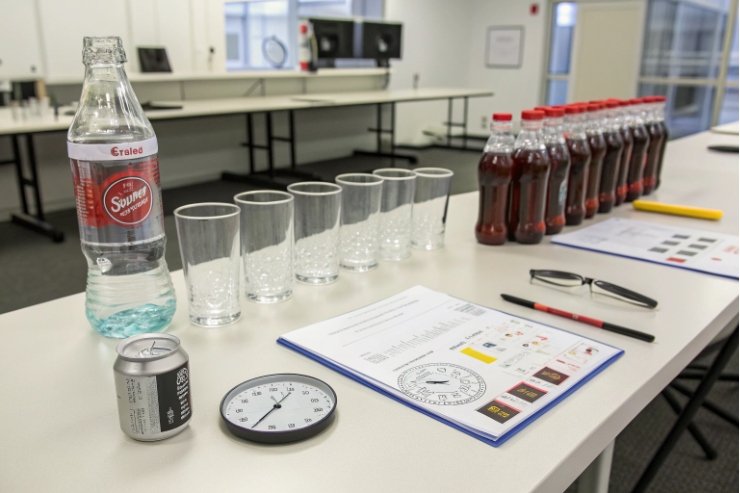
Some people swear the same soda tastes different in glass, plastic, or a can. This is not only nostalgia. Packaging really changes what reaches your tongue and nose.
Soda often tastes better from a glass bottle because glass holds CO₂ and aromas better, avoids plastic or liner flavors, supports colder serving and sharper mouthfeel, and shields the drink from light and oxygen.
Once you look at CO₂ loss, oxygen ingress, flavor scalping, and even the way glass feels in the hand, “glass tastes better” starts to look like a very rational conclusion, not a myth. Let’s unpack the science behind that everyday experience.
Does glass really keep CO₂ and flavor better than PET or cans?
Every soda brand invests huge energy in getting carbonation and flavor balance just right. If the package leaks gas or aroma, all that careful work fades on the shelf.
Yes. Glass has much lower gas permeability than PET and does not rely on liners like cans, so it keeps CO₂ “bite” and volatile flavors closer to the day-of-filling profile.
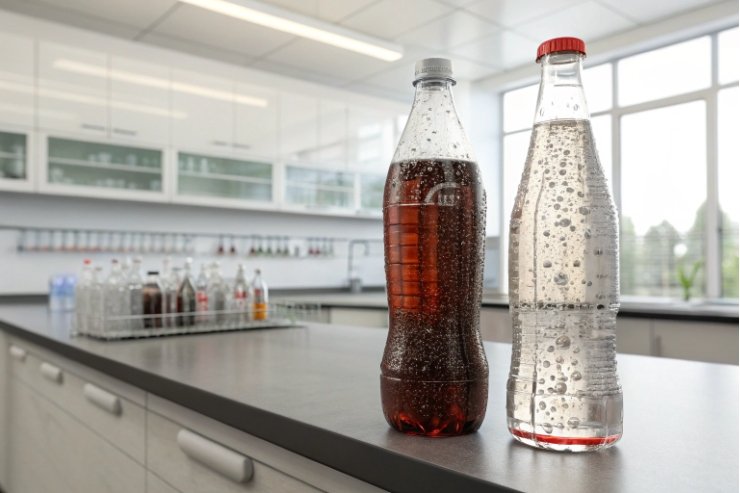
CO₂ retention: where the “bite” actually goes
Carbonation is more than bubbles. It is part of the taste. CO₂ dissolves into the liquid and then releases in your mouth. When CO₂ slowly leaks through packaging, soda tastes flat even if there is still some fizz left to see.
Here is how common packages compare in CO₂ barrier:
| Package type | Wall material | CO₂ barrier in wall | Typical effect over shelf life |
|---|---|---|---|
| Glass bottle | Glass | Excellent | Very slow CO₂ loss |
| PET bottle | PET | Moderate | Gradual CO₂ loss, faster in warm storage |
| Aluminum can | Al + liner | Excellent in wall | Very good, depends on seam and liner |
PET is more permeable to gases than glass, which is why studies track oxygen ingress and carbon dioxide loss in PET bottles 1. Over weeks and months, CO₂ diffuses out and oxygen diffuses in—often summarized with oxygen transmission rate (OTR) 2. Warmer storage speeds this up. That is why old soda in plastic feels softer and less sharp, even before it goes fully flat.
Glass walls are effectively impermeable under normal conditions. Once the cap is on, CO₂ loss is mainly about closure performance, not the bottle body. With a good crown or twist-off, the soda in glass keeps its original carbonation much longer.
Cans also protect CO₂ very well, but the system relies on double seams and an internal polymer liner. If seam quality is poor or the liner ages badly, performance drops.
Aroma retention and flavor clarity
Soda flavor is built from volatile aroma compounds. These light molecules are easy to lose. They can diffuse into plastic, react with oxygen, or interact with liner materials.
Glass does not absorb these molecules. PET can slowly trap them in the polymer structure. That is flavor scalping in packaged foods 3. The drink then smells and tastes less intense, even though the recipe never changed.
So when you drink the same soda from PET and from glass, filled on the same line, the glass version usually comes closer to the original formulation. More CO₂, more aroma, fewer packaging notes. That is one big reason many people describe glass-bottled soda as “sharper” or “cleaner” in taste.
Could plastic, liners, or closures be changing how soda tastes?
Sometimes people say they “taste the plastic” or “taste the can.” Strictly speaking, they are tasting tiny differences in what leaves the package and what enters the drink.
Yes. PET and can liners can contribute tiny flavor notes, and closures can add their own character. Glass itself stays neutral, so any extra taste usually comes from plastics or coatings around it.
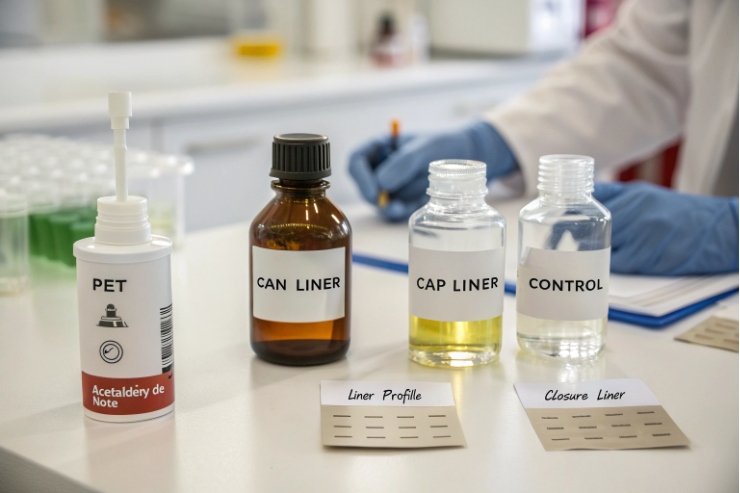
Flavor scalping and packaging-derived notes
Plastic packaging has to balance many things: clarity, toughness, processability, cost. This often means resin choices and additives that are technically safe but not completely invisible in taste tests.
Two main mechanisms matter:
- Scalping: the drink’s aroma molecules move into the plastic. The soda becomes dull or “muted.”
- Migration: tiny amounts of packaging-related compounds move into the drink. This can include cases where acetaldehyde can migrate into PET-bottled drinks 4 or very faint “plastic” or “liner” tones in some cans.
In blind sensory panels, people sometimes describe PET soda as slightly softer or less “crisp” than the same soda from glass. With cans, the aluminum is protected by an internal coating, but volatile aroma compounds binding to can linings 5 can subtly shift what you smell and taste, especially when drinks sit warm for a long time.
Glass walls avoid both issues. The only parts of a glass-bottled soda that can contribute flavor are the closure (metal cap, liner, or gasket) and any decorative coatings or inks. On a well-designed package, this impact is tiny compared with what you might see in some plastics.
Closures, caps, and the “system” taste
It is more accurate to talk about the whole package system than about one material. For example:
| Component | Possible flavor impact |
|---|---|
| Glass body | Essentially none |
| PET body | Scalping of aromas, possible plastic side notes |
| Can body | None if liner perfect, but liner itself has a profile |
| Cap / crown | Liner or gasket notes if poorly chosen |
| Printed coatings | Usually minimal, but bad inks or varnish can contribute if misused |
Many consumers never notice these differences consciously. But when they compare side by side, small changes in sweetness perception, acid “bite,” or aftertaste can show up. Because glass adds so little of its own, the recipe has a clearer stage.
In my own work with beverage clients, when they move a flagship soda or mixer from plastic to glass, the first internal comment is often, “It tastes more like the lab sample now.” That is what happens when the container becomes a quiet partner instead of an active flavor participant.
Does serving temperature and mouthfeel change in glass?
Even if formulas and packages were perfectly neutral, the way you chill, open, and drink soda changes how it feels. Glass plays a big role in that ritual.
Yes. Glass bottles are often served colder, warm up more slowly, and deliver a different mouthfeel and aroma path, all of which make many people perceive the soda as crisper and more refreshing.
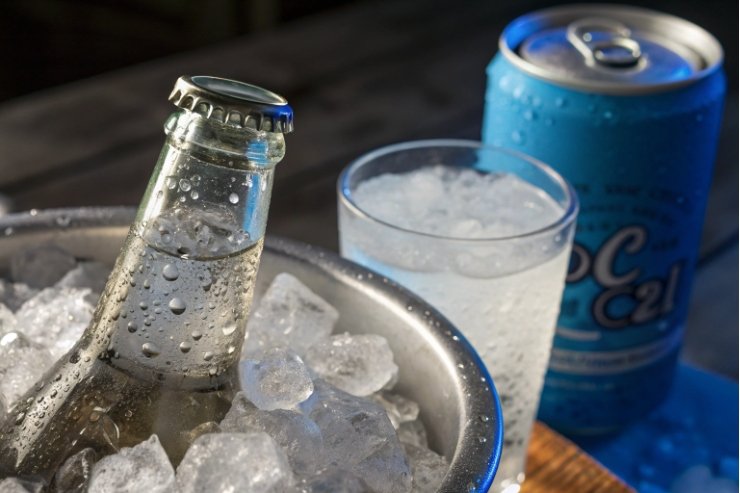
Cold glass, cold liquid, sharper bite
Carbonated drinks feel more refreshing when they are cold. Lower temperature:
- Holds more CO₂ in solution, so you get stronger “bite” when it releases in your mouth.
- Dampens sweetness perception slightly, which balances the formula.
- Numbs the tongue a little, which many people interpret as extra “sparkle.”
Glass bottles are often chilled in fridges, ice buckets, or coolers. The glass itself gets cold and stays cold a bit longer because of its thermal mass. When you grab a glass bottle, your hand feels that cold right away. That touch sensation already primes the brain to expect a sharper, more refreshing drink.
PET bottles warm faster in the hand. Cans chill quickly but also warm quickly, and body heat flows more directly into the liquid because metal conducts heat very well—see typical thermal conductivity of common materials 6.
Mouthfeel, aroma path, and how we actually drink
Bottle shape and opening size change how soda hits your mouth. Most glass soda bottles have a relatively narrow neck. When you drink directly:
- The stream of liquid is focused, which can make carbonation feel more intense.
- A small amount of aroma-rich headspace rises straight toward your nose with each sip.
- The glass rim feels smooth and firm on the lips, which many people associate with “clean” and “solid.”
PET bottles often have wider mouths and more flexible walls. When you squeeze or grip them, the flow can vary, and the feeling at the lip is different. Some people unconsciously link that flex to “cheap” or “less pure,” even if the recipe is identical.
Cans force you to drink through a small metal opening. Aroma release is limited by that geometry. Many people actually pour canned soda into glasses to get the full taste, which says a lot about how packaging shapes perception.
If you put the same soda in three identical glass tumblers and serve them blind, many tasters still notice small differences between original containers. But those differences usually shrink. That shows how much context, temperature, and mouthfeel matter. The glass bottle often wins because it lines up all of those factors in its favor.
Are light and oxygen exposure lower in tinted glass bottles?
We usually think more about light-struck beer than light-struck soda. But colorants, sweeteners, and flavors in sodas also react with light and oxygen over time.
Tinted glass can reduce UV and blue light reaching the soda, and glass walls block oxygen much better than PET, so flavor and color change more slowly in well-stored glass bottles.
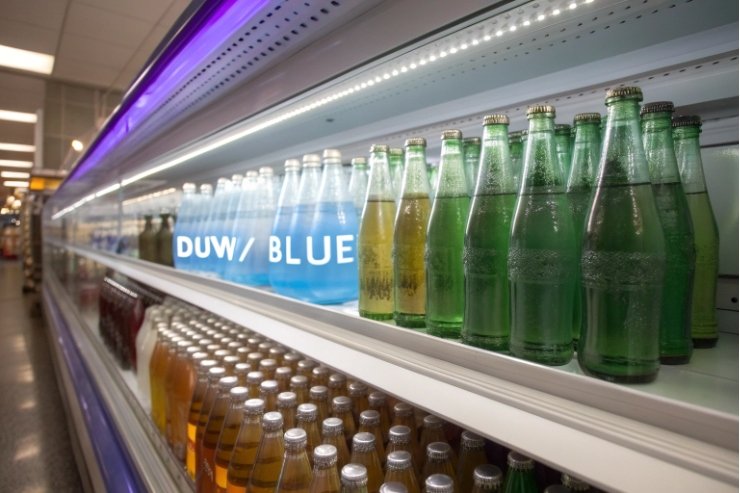
Light protection and color stability
Many soft drinks use sensitive colorants. Natural colors, some caramel tones, and added flavors can all shift with light. Strong UV and blue light from shop lighting or sunlight can:
- Fade bright colors
- Change citrus or fruit notes
- Create off-notes through photo-oxidation under the influence of light 7
Clear glass gives the least protection. It looks beautiful, but it lets almost all visible and UV light through. Tinted or amber glass filters more of the damaging spectrum. The soda may still be fine under normal shelf life, but tinted glass gives extra insurance in bright environments.
In plastic, walls may include some UV stabilizers, but these additives can age, and long exposures still affect the product. Full shrink sleeves or cartons help, but they add complexity and cost.
Oxygen barrier and long-term freshness
Oxygen is the other quiet enemy. Even small amounts over time can dull flavors, change sweetener balance, or affect any juice or botanical components in premium sodas.
Glass has essentially no oxygen transmission through the wall. PET has measurable transmission, which increases with temperature and storage time. Cans also block oxygen very well, but again, they rely on seam integrity and liner performance.
Here is a simple comparison for the wall itself:
| Package wall | Oxygen barrier | Impact on shelf life |
|---|---|---|
| Glass | Excellent | Very little oxygen ingress from the wall |
| PET | Moderate | Gradual flavor dulling over long storage |
| Can (metal) | Excellent | Ingress mainly at seams if poorly made |
So when someone says, “The glass bottle soda tastes fresher,” part of that is about current temperature and CO₂. Another part is that, if the product sat in a warehouse for months, the glass version likely kept its flavor closer to what the brand intended.
Add on top the psychological layer: tinted glass and solid weight suggest “protected” and “premium.” Many people taste with their eyes and hands before they taste with their mouth. Glass uses that to your advantage while also doing the technical job in the background.
Conclusion
Soda often tastes better in glass because the bottle does less to the drink: it keeps gas and flavor in, keeps light and oxygen out, and lets temperature and ritual do the rest.
Footnotes
-
Explains how PET bottles allow CO₂ loss and oxygen ingress over storage time. (↩︎) ↩
-
Definition and context for OTR as a standard way to describe oxygen barrier performance. (↩︎) ↩
-
Review of flavor scalping mechanisms and why polymers can reduce aroma intensity in packaged drinks. (↩︎) ↩
-
Shows acetaldehyde-related migration pathways in PET and how they can influence taste perception. (↩︎) ↩
-
Study on can-lining polymers binding volatile compounds and shifting aroma availability. (↩︎) ↩
-
Reference table comparing thermal conductivity across materials, explaining why metal warms drinks faster. (↩︎) ↩
-
Overview of light-driven oxidation and why it creates off-odors, off-flavors, and color shifts. (↩︎) ↩






