
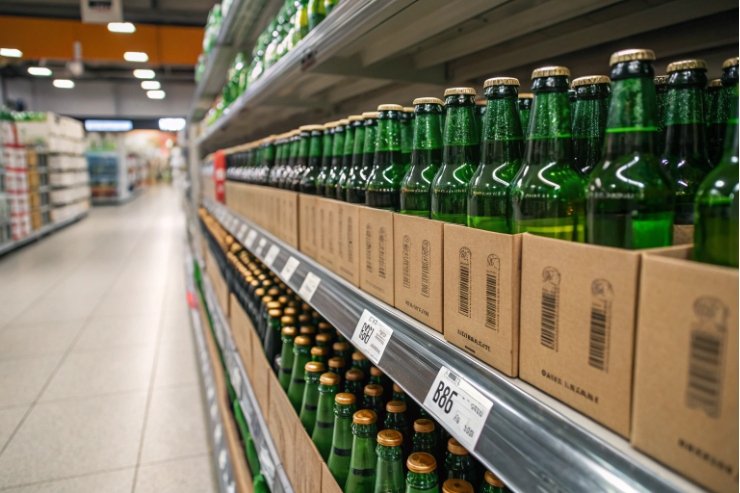
When people look at a beer shelf full of green bottles, many think it is only marketing. But the color comes from a mix of history, cost, light, and recycling.
Many beer bottles are green because early glass was naturally green, it became tied to “imported” brands, offers medium UV protection, works well with green cullet streams, and still stands out on the shelf.
So green glass is not just a design choice. It is the result of old glassmaking limits, wartime shortages, changing branding, and modern supply chain math. To understand when green is smart and when amber or sleeves are safer, we need to unpack each piece.
What historical supply and branding factors drove green adoption?
Early brewers did not sit in meetings choosing Pantone shades. They used whatever glass their local factories could make at a good price and in big numbers.
Green started as the natural result of iron impurities in sand, then wartime shortages and import branding turned it into a “premium” signal that many lagers still follow today.
From early glassmaking to mass beer
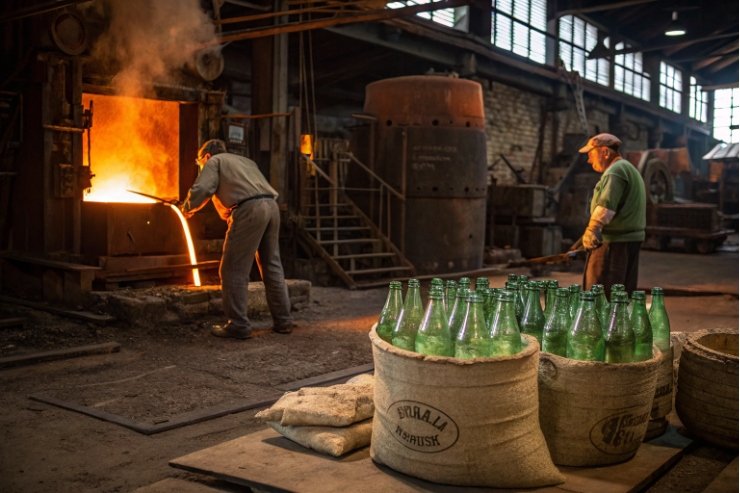
In early industrial glassmaking, raw sand was far from pure. Iron impurities in sand 1 and other trace metals in the batch shifted the melt toward green tones without any extra work. To reach flint-clear glass, factories needed better raw materials and decolorizers. To reach amber, they needed controlled colorants and tighter recipes.
So green glass often came out as the most “natural” and lowest-effort color. It worked well with a wide range of recycled glass. It did not need careful correction for every batch of cullet. This made green an easy choice for everyday bottles long before modern brand marketing.
As beer moved from local barrels to national bottles, consistency and cost became even more important. A brewery that wanted to grow across regions needed a bottle that factories could replicate quickly and cheaply. Green fit that goal. It tolerated more raw material variation and more mixed-color cullet. That helped keep costs down while output went up.
Then there was war. In Europe, especially around wartime brown-glass shortages during World War II 2, amber glass capacity was tight. Brown became the first choice for light protection, but many plants could not supply enough of it. Some famous brands that had used amber shifted to green because that was what they could get in volume. The bottle color changed, but the brand name stayed, and the market adapted.
Over time, this mix of technical convenience and crisis substitution left a strong legacy. Certain famous European lagers were now “the green bottle beers”. New factories and logistics systems were built around that identity.
| Driver | Effect on color choice | Result for green bottles |
|---|---|---|
| Iron impurities in sand | Natural green tint | Green is easier and cheaper to produce |
| Need for high output | Preference for tolerant recipes | Green works well with mixed cullet |
| Wartime amber shortages | Shift away from brown | Key brands move into green |
| Returnable pool standards | Shared molds and colors | Green becomes standard in some markets |
How “imported” became green
Later, when global beer trade expanded, something interesting happened in the minds of consumers. In many markets, especially North America and parts of Asia, the first widely seen imported lagers came in green bottles. Think of the classic European names that built early export presence.
So green glass slowly turned into a visual code for “imported”, “European”, or “higher-end”. Even if the actual reasons were historical or technical, shoppers linked green with special origin. This is pure path dependence: once a color gets attached to a story, it is hard to break that link—something often discussed in coverage of the green bottle “import” image 3.
Brewers noticed. Local brands that wanted an “import-style” image sometimes chose green bottles to move closer to that look. New European brands that wanted to sit on the same shelves as the famous pioneers stayed with green to signal category membership.
At that point the decision was no longer about sand impurities or wartime shortages. It was about branding and recognition. Change the bottle color, and many loyal drinkers would ask, “Did they change the beer?” So even as glass technology improved and amber was easy to make, a lot of brands stayed with green because the market expected it.
How does green’s UV protection compare with amber for skunking?
For beer, light can be as dangerous as heat. A beautiful green bottle in a bright store window can slowly turn a crisp lager into a skunky disappointment.
Green blocks more UV than clear glass but much less than amber, so green bottles reduce skunking a bit but do not match brown’s strong defense against light-struck flavors.
What light-struck beer actually is
“Skunking” is not just a casual word. It describes a real chemical reaction: the light-struck off-flavor 4. Iso-alpha acids from hops, which give bitterness, break down under UV and high-energy visible light. They form a sulfur compound that smells very close to a skunk’s spray.
This reaction does not need days in the sun. Under strong direct light, it can start in minutes. Under softer store lighting, it takes longer, but the effect is the same. The more clear the bottle and the more intense the light, the bigger the risk.
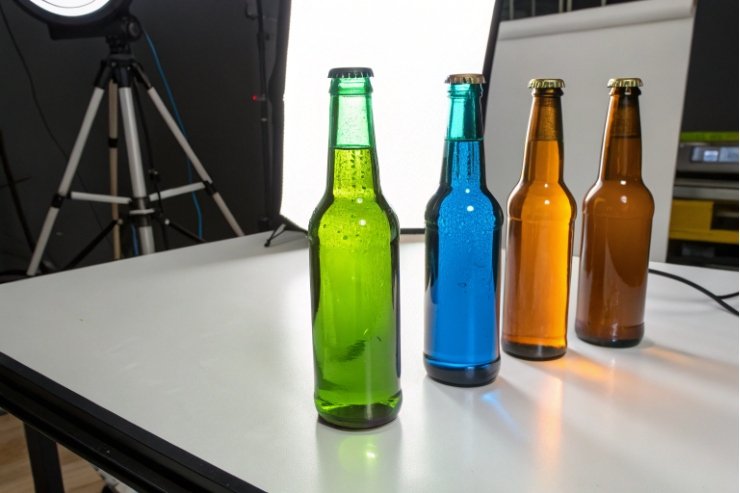
Amber glass acts like sunglasses for the beer. Its composition and color block most UV and a good part of blue light. So iso-alpha acids stay stable longer, and the risk of sulfur off-notes drops a lot.
Green glass gives some help, but not enough for very hop-forward or long-stored beers. It cuts a part of the UV band but lets more through than amber. Clear flint glass is almost no help at all.
This is why we see a strong pattern: highly hopped craft beers in cans or amber bottles; many classic pilsners and lagers in green; marketing-focused light beers in clear glass, but backed by other tricks.
UV blocking: amber vs green vs clear
Modern breweries understand this problem very well. Those that still want green bottles often adapt their recipes. Light-stable hop extracts, such as chemically modified iso-alpha acids 5, are one key tool. They give bitterness without forming the same skunky compounds under light. So the beer can face more light, even in green or clear packaging.
Still, physics does not change. When a recipe uses normal hop products and a brewery expects long, bright shelf life, amber remains the safer option.
| Bottle color | Relative UV protection | Skunking risk (with normal hops) | Typical usage |
|---|---|---|---|
| Clear flint | Very low | Very high | Some light beers, heavy marketing support |
| Green | Medium | Medium to high | Many European-style lagers and pilsners |
| Amber/brown | High | Low | Ales, stouts, craft, and sensitive beers |
From the glass side, amber is a clear winner for light defense. From the brand side, green still has strong visual power. So the real-world choice often becomes a trade-off. Many brewers accept higher light risk for the sake of heritage and shelf presence, then reduce that risk with recipe tweaks, cartons, or controlled lighting.
When should brewers choose amber or sleeves for better light defense?
Not every beer sits in the same conditions. Some live in cold, dark fridges. Others stand for months under bright shop lights. Packaging must match that reality, not only the brand guide.
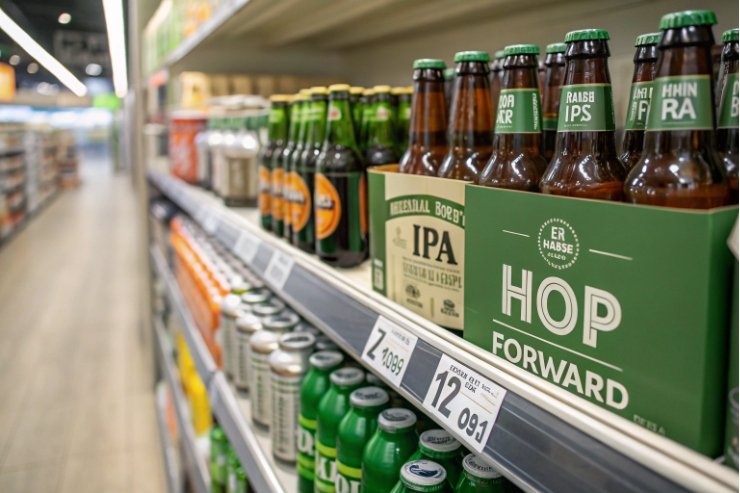
Brewers should choose amber or use full-body sleeves and cartons when beers are hop-forward, stored for long periods, or sold in bright retail, because these formats sharply cut light exposure.
When amber is the safe default
For many new brands, the simplest path is also the safest: use amber glass for almost everything. Amber gives strong UV blocking without needing special hops or complex packaging. It is proven across countless styles and climates.
This is especially important when:
- The beer has high hop aroma or bitterness
- The brewery plans wide distribution and long shelf life
- Retail partners use bright open shelving, not only fridges
- The brand cannot control how fast stock turns
In these cases, a green or clear bottle puts flavor at the mercy of every light source in the chain. Even with good production standards, one hot, bright display can undo months of careful brewing.
Some breweries also choose cans for their most light-sensitive beers. Cans block light completely. For brands that still want some glass presence, a mixed strategy works: flagship or classic lager in green bottles, more delicate seasonal or IPA in amber or cans. This keeps visual identity while matching protection to risk.
Using sleeves, labels, and cartons to shield beer
There are also “design layer” tools that protect beer without changing bottle color. Full-body shrink sleeves 6, large wrap labels, and tight cartons can act as extra shields. When they cover most of the bottle surface with opaque or near-opaque print, they block much of the light that would enter.
This approach is useful when a brand wants the premium feel of flint or the heritage of green, yet knows the beer will face strong light. It can be a good compromise, but only when the artwork uses enough solid coverage and dark inks. A mostly clear or pale sleeve will not add much protection.
From the packaging supplier side, here is how the choice often looks:
| Situation | Recommended primary pack | Extra defense |
|---|---|---|
| Hoppy IPA, wide distribution | Amber glass or can | Optional carton for premium image |
| Classic lager, strong green heritage | Green glass | Replace part of hops with light-stable extracts; use cartons for export |
| Seasonal, short-shelf pilsner in local bars | Green or flint glass | Rely on fast rotation and controlled storage |
| Export to hot, sunny markets | Amber glass | Consider full cartons or sleeves for retailers |
In projects with breweries, a common pattern appears. Many start with color as a brand choice only. After testing, they see real differences in flavor after light exposure. That usually pushes long-term or hop-rich beers into amber or can formats, while letting green stay where risk is lower and story value is higher.
Do regional recycling streams influence color selection?
Bottle color is not only about brand and flavor. It also affects how well a package fits local recycling systems and cullet markets.
Yes, regional recycling streams matter. Where green cullet is abundant or hard to place, using green bottles can be cheaper and more sustainable; where amber pools dominate, brown may make more sense.
Cullet markets and color pools
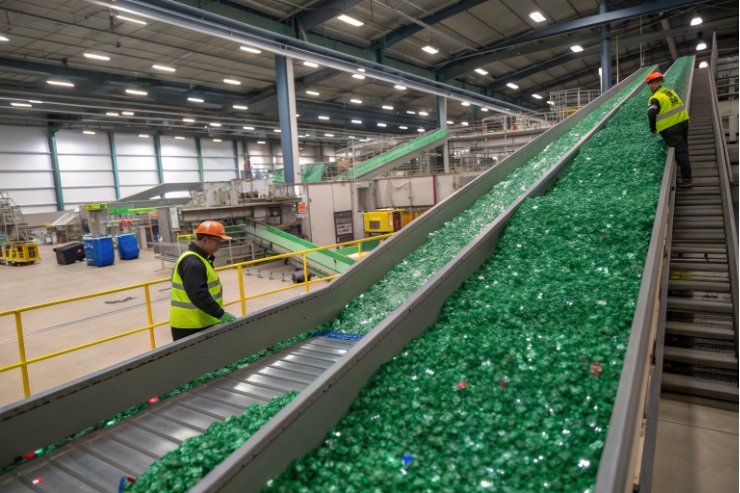
Glass factories do not melt only virgin raw materials. They rely heavily on cullet, the broken glass from production and post-consumer collection. Cullet saves energy and cost. But it also brings color.
In some regions, wine and beer both use a lot of green glass. That means large green cullet streams. If there is more green cullet than demand for green bottles, recyclers struggle to sell it. It often trades at a discount, or in some cases gets downcycled or exported.
For a brewery that is color-flexible, this creates an opportunity. Choosing green bottles in a “green-heavy” market can lower glass cost and increase the share of recycled content in each bottle. Green formulations also tolerate higher percentages of mixed-color cullet without losing their look, which adds more flexibility.
In other regions, brown beer bottles and clear food jars dominate, so amber and flint cullet are easier to place. There, choosing amber may be just as good or better from a recycling and cost point of view. The ideal color is not universal; it depends on local glass flows and factory setup—especially the local demand for color-separated cullet 7.
| Region situation | Cullet reality | Color that may fit best |
|---|---|---|
| High share of green wine bottles | Surplus green cullet | Green beer bottles |
| Strong brown beer culture | Stable amber cullet stream | Amber beer bottles |
| Clear jars and bottles dominate | High flint cullet, green harder to use | Flint or amber, less green |
Designing for local recycling systems
When brands talk about sustainability, they often focus on “recyclable” as a simple label. But real impact comes from how well a bottle matches actual collection and sorting systems.
In many returnable bottle pools, especially in parts of Europe, standard green bottles are widely used and reused. The color fits both tradition and infrastructure. For these pools, green is a very efficient choice. Bottles circulate many times, and when they finally break, green cullet goes back into the same color.
In one-way systems, collection happens through curbside or bring-back centers. Here, color separation can be more basic. Some plants handle only mixed-color cullet and send it to a glassmaker that specializes in darker shades. Green and amber both give that maker more room to absorb color variation.
From a glass supplier view, these questions often show up early in a project:
- Where will the beer be sold and returned?
- Which color streams are strong or weak locally?
- Does the brewery plan returnable pools or one-way bottles only?
- How high should the recycled content be, now and in future?
The answer can push the color choice toward the local “cullet sweet spot”. In some markets, that is green; in others, amber or flint. When cost, recycling, and taste protection all align, the project runs smoother for everyone in the chain.
Conclusion
Green beer bottles exist because of history and branding, but amber, sleeves, and local recycling realities decide when that green is smart and when brown is safer.
Footnotes
-
Background on historic glass colors and why “natural” glass often skews green. ↩︎ ↩
-
Explains WWII-era material constraints that pushed some breweries toward green bottles. ↩︎ ↩
-
Context on how green bottles became a recognizable “imported beer” signal despite flavor risks. ↩︎ ↩
-
Clear definition of lightstruck beer and why green/clear glass increases skunking risk. ↩︎ ↩
-
Technical overview of light-stable hop extracts that help beers survive brighter retail lighting. ↩︎ ↩
-
Shows sleeve formats and how near-opaque coverage can add a practical light-shield layer. ↩︎ ↩
-
Describes how cullet markets and color separation affect economics for green vs amber bottles. ↩︎ ↩






