
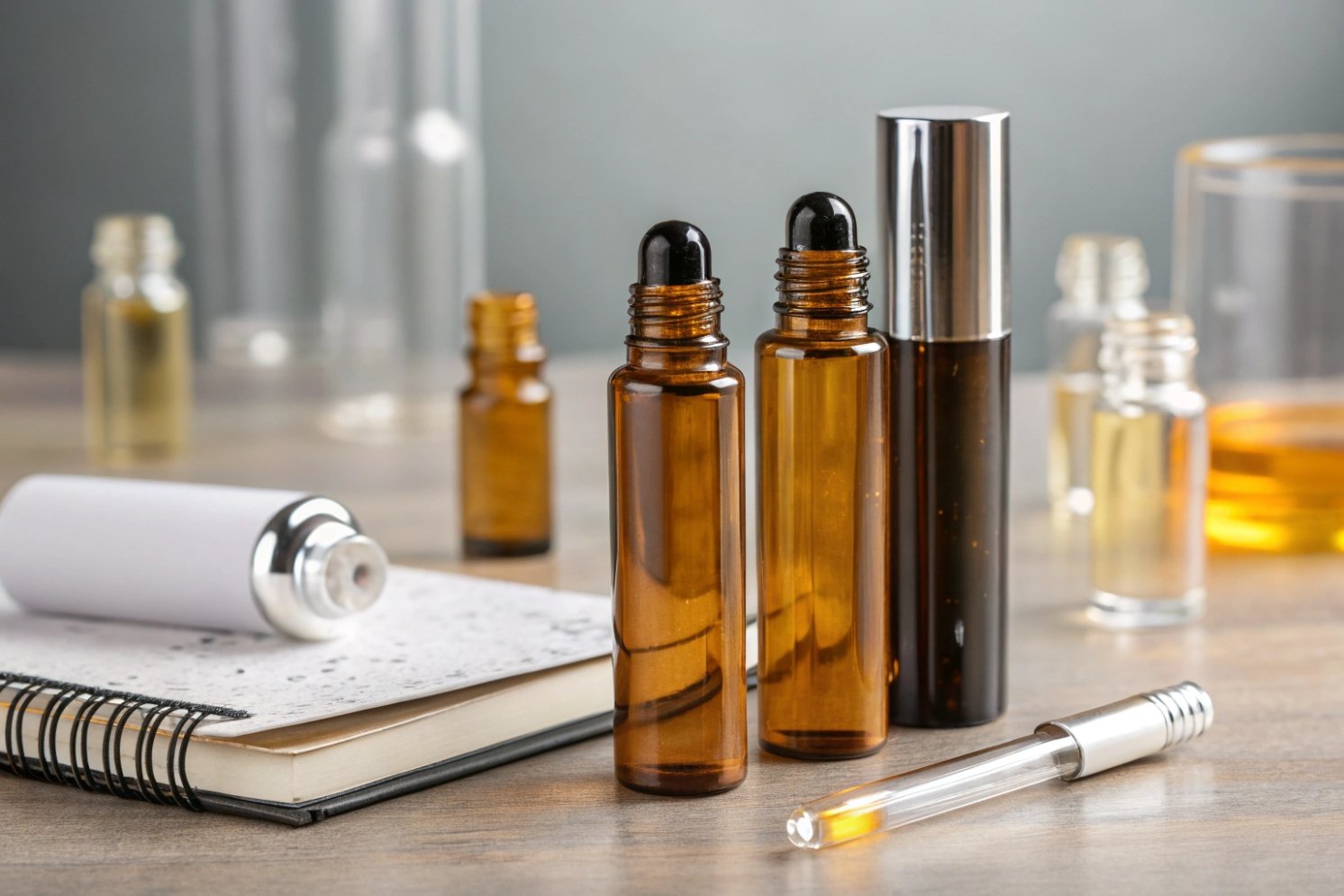
A premium roll-on can still feel cheap if it leaks, smells “off,” or dispenses unevenly. The container decides whether the formula stays stable and whether customers trust the brand.
Roll-on glass bottles feel superior because glass is inert and impermeable, so it protects aroma and actives better than many plastics, while the roller design delivers controlled, clean application that supports premium positioning.
Why “superior” is really about stability + experience
Most brands do not choose roll-on glass only for aesthetics. They choose it because it lowers risk. Glass reduces odor transfer and ingredient interaction because its surface is impermeable to gases and vapors 1. The roll-on system reduces mess and controls dosing. Together, they improve shelf life perception and daily user experience.
Plastic roll-ons can work, especially for low-cost lines and mild formulas. Still, many essential oils, perfumes, and fragrance-heavy blends challenge plastics over time. Even when the bottle resin survives, the closure system can absorb aroma, soften, or allow slow permeation. Glass is more forgiving.
Roll-on packaging also creates a ritual. That ritual is valuable for aromatherapy and premium skincare. A controlled glide on skin feels intentional. It reduces spillage and makes the product easy to use in public. This convenience supports repeat use, and repeat use supports repurchase.
A practical way to describe the superiority is to split it into three pillars:
- Formula protection (chemistry + barrier)
- Application control (dose + mess-free use)
- Brand positioning (premium feel + decoration)
| Pillar | What glass roll-ons improve | Why it matters in the market |
|---|---|---|
| Formula protection | lower interaction and odor drift | fewer complaints about “changed smell” |
| Controlled application | targeted, repeatable dispensing | less waste, better user habit |
| Premium perception | weight, clarity, finish options | higher shelf impact and price acceptance |
Now the details matter. The next sections answer the four questions that decide whether roll-on glass truly performs better in real bulk shipments.
How do roll-on glass bottles improve formula stability compared with plastic (odor transfer, permeability, and chemical resistance)?
Stability problems often show up as small changes: the top note fades, the blend smells flatter, or a serum oxidizes faster than expected. Customers rarely explain it clearly. They just stop buying.
Glass improves stability because it is nonporous and highly resistant to chemical interaction, so it reduces odor transfer and permeation compared with many plastics. With a tight closure, it also supports longer shelf life by limiting oxygen and vapor exchange through the pack system.
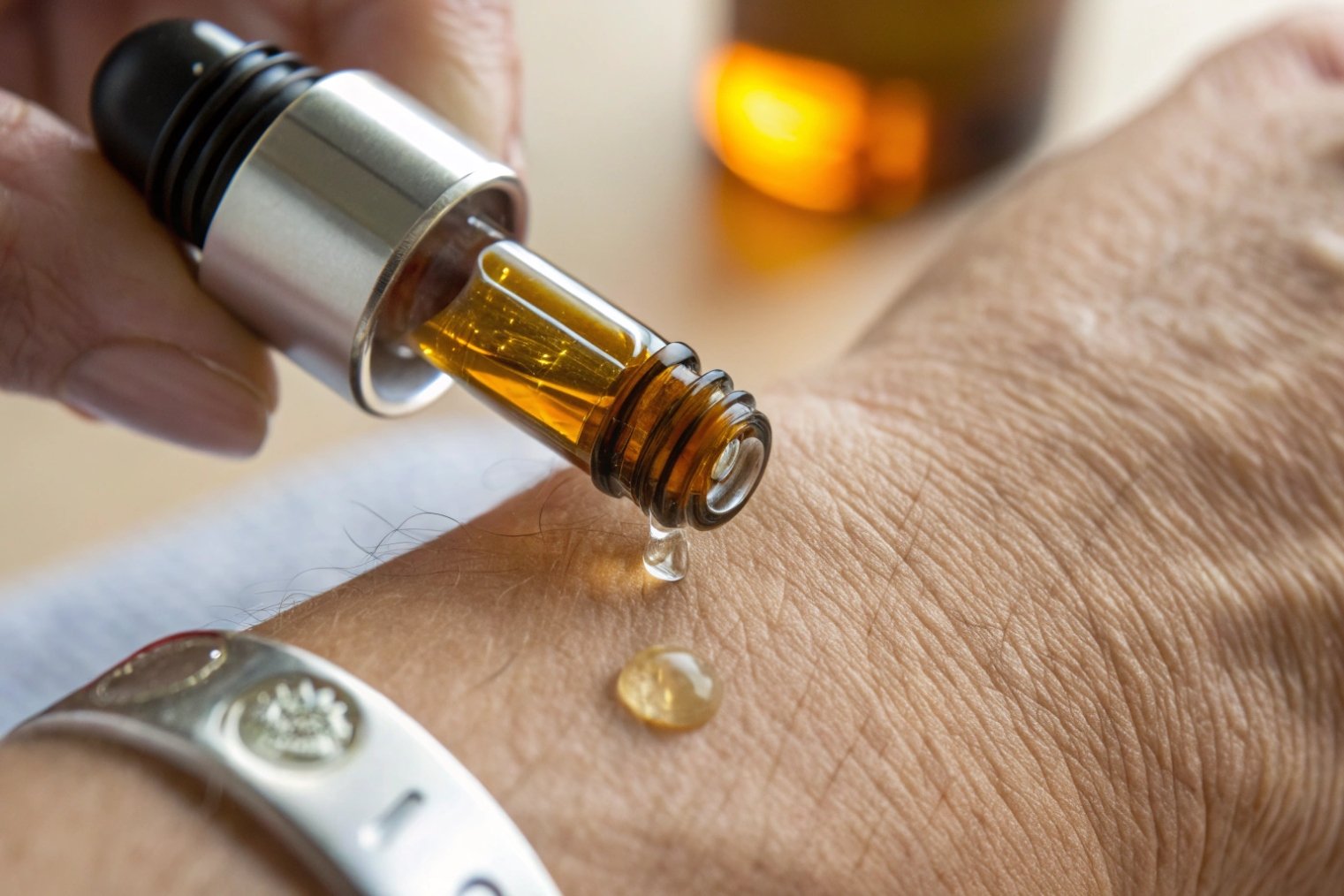
Odor transfer and aroma preservation
Fragrance systems and essential oils contain volatile components that can migrate into some plastics or be influenced by external odors. Glass does not absorb aromas the same way many plastics can. This helps the product stay closer to its original profile, especially in warm climates and long storage cycles.
Permeability and evaporation risk
Many plastics allow some gas or vapor movement over time via permeation through polymer materials 2. This can contribute to slow evaporation and oxidation, especially when the closure system is not perfect. Glass is far less permeable. The practical result is better control over aroma loss and less risk of “weak scent” complaints after months on shelf.
Chemical resistance and interaction risk
Essential oils, alcohol-based perfumes, and active-rich serums can be harsh on certain plastics and elastomers. Glass is generally inert, so it reduces the chance of the container body becoming the weak point. Still, the closure materials still matter. A glass bottle with the wrong gasket can still leak or swell.
Light protection as a stability upgrade
Many roll-ons use amber or other dark glass to reduce light-driven degradation. If you need a formal way to define “light sensitive,” protocols like ICH Q1B photostability testing 3 are often used as a reference point for wavelength exposure and acceptance logic. The bottle color should be selected based on real sensitivity, not only design taste.
| Stability risk | Glass roll-on advantage | Plastic roll-on risk | Best mitigation step |
|---|---|---|---|
| Odor drift | low absorption | possible absorption/odor pickup | choose inert components and test |
| Evaporation | strong barrier | higher vapor exchange | tight liner + seal testing |
| Chemical stress | high inertness | stress cracking/softening possible | resin and gasket compatibility testing |
| Light damage | tinted glass helps | often needs coatings or sleeves | choose amber/opaque + carton |
Glass is not a guarantee by itself, but it provides a stronger baseline. With the right closure, it creates a more stable system for demanding formulas.
Next is why roll-on format itself helps premium positioning and clean application.
A dropper can drip. A spray can mist into the air. A roll-on stays where the customer wants it.
Brands choose roll-ons because they create a controlled, targeted application that feels premium and reduces mess. The roller ritual supports “treatment” positioning and makes the product easy to use on the go.
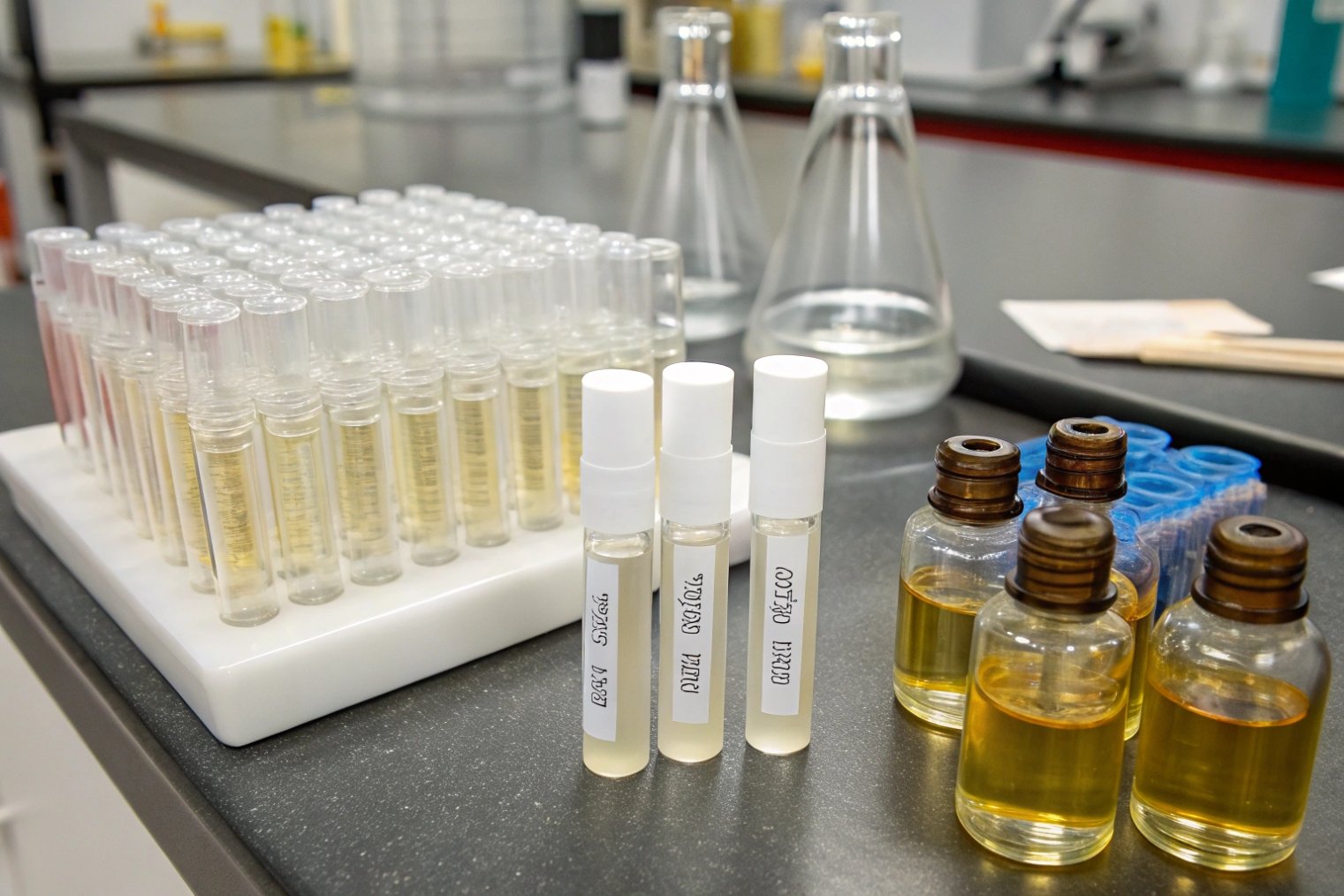
Controlled dosing builds trust
Roll-ons dispense in small, consistent amounts. This fits products that should be applied to pulse points, underarms, temples, or spot areas. Customers feel in control. That sense of control reduces overuse and reduces product waste, which also lowers complaint risk about “it finished too fast.”
Cleaner use supports better reviews
Customers complain about packaging more than brands expect. Leakage, dripping, and sticky necks drive negative reviews. Roll-on design reduces these issues when the ball fit is correct. It also reduces fingertip contact, which supports hygiene messaging for skincare and deodorant roll-ons.
Premium feel comes from touch, not only visuals
Roll-ons deliver a tactile experience: smooth glide, gentle pressure, and sometimes a cooling sensation with stainless balls. This “touch experience” is hard to copy with droppers. When the glass body has weight and a clean finish, the product feels expensive even before the customer smells it.
On-the-go usability increases repeat use
Roll-ons are pocket-friendly. They can be used in a car, office, gym bag, or travel kit. That increases usage frequency, which helps subscription and repeat purchase performance.
| Benefit | What customers feel | What the brand gains |
|---|---|---|
| Targeted application | “It goes exactly where I want” | fewer spills and returns |
| Dose control | “I don’t waste product” | higher perceived value |
| Hygiene | “It stays cleaner” | fewer contamination complaints |
| Ritual | “It feels like a treatment” | premium positioning support |
Roll-on format is a strong tool, but it only works when the roller ball and closure system match the formula. That is the next decision.
What roller ball and closure combinations work best for different formulas (essential oils, perfumes, deodorants, and serums)?
A perfect bottle body can be ruined by the wrong ball or cap. Flow can be too fast, too slow, or inconsistent. Leaks often come from mismatched tolerances and wrong liners.
Use stainless steel or glass balls for most essential oils and perfumes, choose housing and gasket materials that resist oils and alcohol, and select cap styles with proven sealing and torque control. For deodorants and thicker serums, use roll-on systems designed for higher viscosity and controlled flow.

Essential oils and aromatherapy blends
These formulas often contain aggressive components. A glass bottle body is a safe baseline. Many brands choose stainless steel balls for smooth glide and durability. Glass balls are also strong for inertness. The housing plastic and fluoroelastomer (FKM) gaskets 4 are the real compatibility risk, so they should be matched to oil exposure.
Best pairing trend:
- amber or cobalt glass bottle
- stainless or glass ball
- cap with a strong liner/gasket
- optional tamper-evident shrink band for retail trust
Perfumes (especially alcohol-based)
Perfume roll-ons can be thin and volatile. Sealing and evaporation control matter more than “strong flow.” A tight cap liner and correct torque window help prevent slow loss and seepage. Stainless balls often feel premium. Glass balls can also work well.
Deodorants
Deodorant roll-ons are often thicker and can include salts, acids, or other challenging ingredients. These products need a roll-on system designed for viscosity and controlled release. A standard essential-oil roller insert may not perform well. Flow or clog risk increases. The closure design should focus on seal integrity and consistent roll feel.
Serums
Serums vary widely. Thin serums can work like perfumes. Thicker serums can struggle in standard roller systems. If the serum contains particles or can crystallize, the ball can jam. In these cases, it is safer to use a treatment pump or an airless pack, unless the roll-on is specifically designed for higher viscosity.
| Formula | Recommended ball | Recommended closure focus | Key risk to test |
|---|---|---|---|
| Essential oil blend | stainless or glass | oil-resistant gasket + tight liner | swelling and slow seepage |
| Alcohol perfume | stainless or glass | evaporation control + torque retention | odor loss and thread creep |
| Deodorant | depends on system | viscosity-ready housing | clogging and uneven release |
| Thin serum | glass or stainless | clean seal + hygiene | oxidation at neck area |
| Thick serum | specialty roller only | controlled flow design | ball jamming and leakage |
The best combo is always proven by testing with the real formula. “Standard insert” is not a guarantee.
Now the final part: what quality checks to request from a manufacturer so bulk orders stay stable.
What quality checks should you request from a roll-on glass bottle manufacturer for bulk orders (leak test, torque test, and fit tolerance)?
A sample can look perfect and still fail in mass production because tolerances drift. Bulk control needs measurable checks, not general promises.
Request leak testing, torque testing, and fit tolerance controls for the full system (bottle + housing + ball + cap). Add visual defect checks, dimensional sampling, and packaging transit tests to reduce breakage and leakage in shipping.
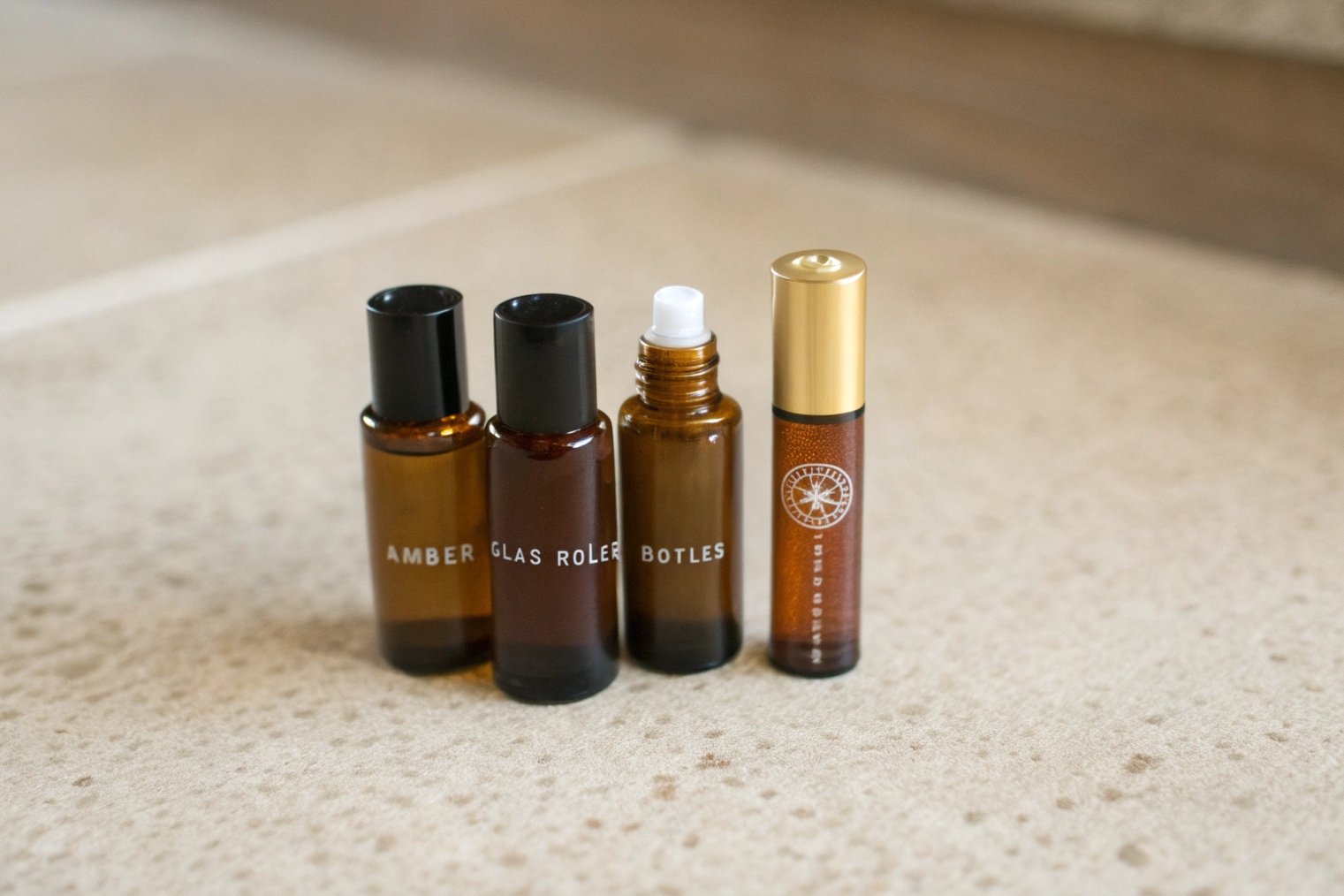
Core quality checks that prevent the biggest failures
Leak test should cover both the ball area and the cap seal. A common approach is inverted storage and pressure-based checks. Transport conditions matter too, so altitude or vacuum simulation helps reveal leaks that do not show in normal room tests.
Torque test should define a target range, not a single number. Under-torque leaks. Over-torque can strip threads or distort liners. If you want a standardized reference for closure tightening performance, use ASTM D2063 torque retention testing 5 as a common benchmark.
Fit tolerance control is critical for roller systems. Ball diameter, housing seat geometry, and neck finish tolerance must be stable across lots. Without this control, rolling feel changes and seepage appears.
Additional checks that reduce complaints
- Visual inspection for chips, cracks, and thread defects
- Dimensional sampling for neck finish and bottle height
- Rolling smoothness check (no sticking, no wobble)
- Decoration rub and adhesion tests if printing or coating is included
- Packaging drop and vibration checks to reduce breakage and scuffing (many teams validate packed units with ISTA 3A parcel-shipment testing 6)
A practical bulk QC checklist to request
| QC item | Why it matters | Typical method | What to ask the supplier to report |
|---|---|---|---|
| Leak test (inverted) | catches slow seep | warm storage + inversion | pass rate by lot |
| Pressure/vacuum test | catches micro-leaks | pressure decay or bubble method | test conditions + acceptance |
| Torque range | controls sealing | torque meter sampling | min/max/target values |
| Fit tolerance | keeps roller stable | dimensional gauges | ball and housing tolerances |
| Visual defects | prevents safety issues | 100% or ISO 2859-1 AQL sampling 7 | defect standards and photos |
| Transit test (packed) | prevents breakage | drop + vibration simulation | packed sample results |
A small pre-production sample run (PPS) should also be requested before mass production. It should include filled leak checks with your real formula. This step catches most failures early enough to fix.
Conclusion
Roll-on glass bottles feel superior because glass protects aroma and actives better, while the roller system delivers clean, controlled application. The real advantage appears when fit tolerances and leak testing are locked before bulk orders.
Footnotes
-
Evidence glass is impermeable to gases/vapors, supporting barrier and aroma-stability claims. ↩︎ ↩
-
Explains permeation and why plastics can allow slow gas/vapor migration over time. ↩︎ ↩
-
Official photostability guideline used to define light exposure and packaging protection requirements. ↩︎ ↩
-
Background on FKM fluoroelastomers, common oil- and solvent-resistant gasket materials in closures. ↩︎ ↩
-
Standard reference for measuring torque retention of continuous-thread closures to reduce leakage risk. ↩︎ ↩
-
Overview of ISTA 3A testing that simulates parcel shipping drops/vibration for packaged products. ↩︎ ↩
-
ISO standard for attribute sampling plans (AQL) to set clear accept/reject rules in inspections. ↩︎ ↩






