

Empty diffuser bottles often pile up on shelves and in cupboards, still beautiful but full of old fragrance residue and wasted potential.
Reusing glass diffuser bottles works well when they are cleaned with the right solvents, paired with safe second-life components, and supported by clear brand guidance.
From a glass supplier view, diffuser bottles are too valuable to treat as single-use. Thick bases, nice shoulders, and premium finishes all invite a second life. The challenge is to manage cleaning, component choice, and communication so reuse feels safe, premium, and aligned with the brand’s positioning instead of looking like a DIY downgrade.
What cleaning and rinsing steps make glass diffuser bottles safe for refills?
If old fragrance oil stays inside the bottle, any refill or repurpose will carry unwanted odor, color, and possible skin or surface irritation.
Safe reuse starts with stripping fragrance residues using soap, hot water, and high-proof alcohol, then fully air-drying the glass before any new diffuser oil or repurposed content.
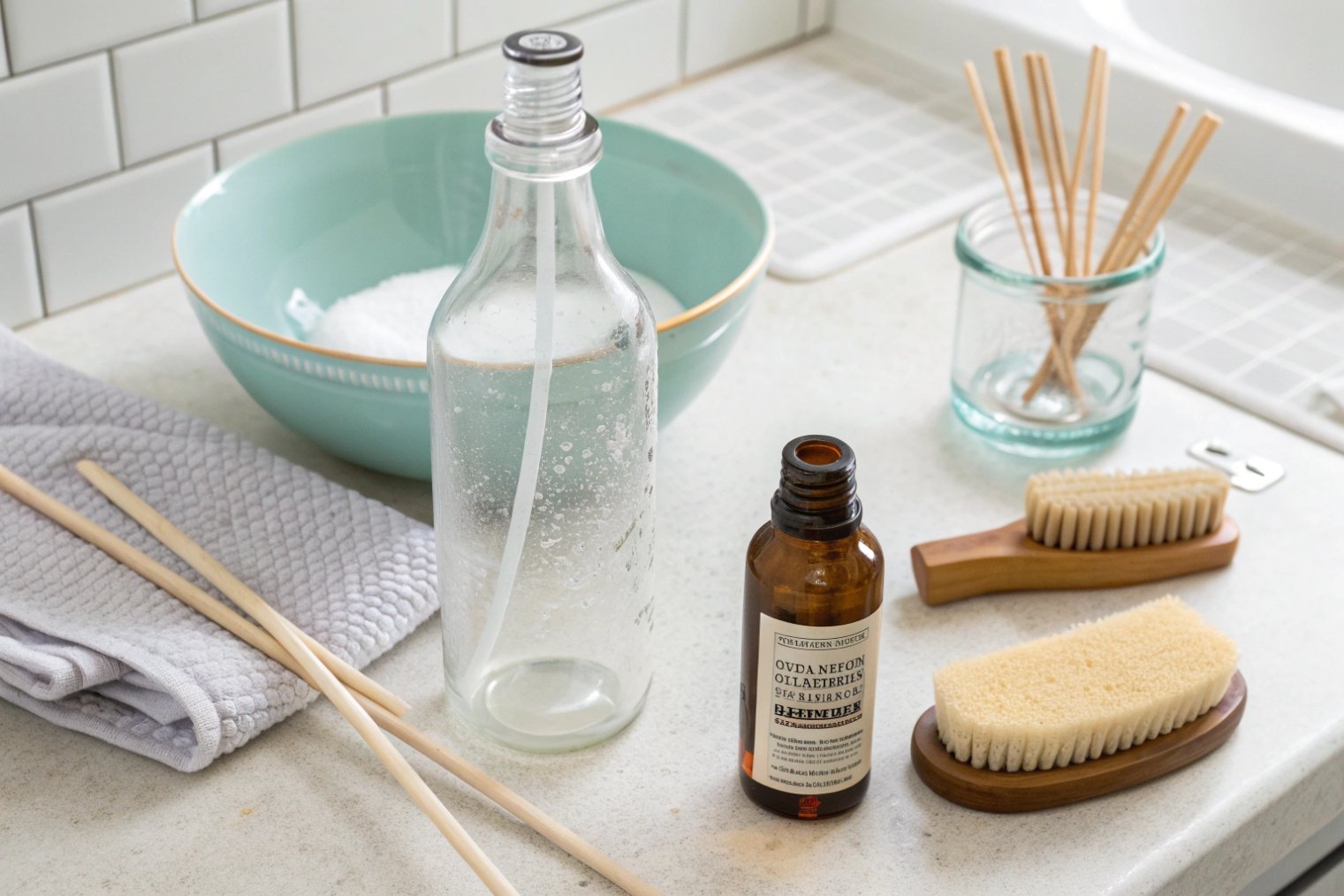
Step-by-step cleaning workflow
A clear, repeatable cleaning process gives confidence to both brands and consumers. In practice, the best routine is simple but thorough. First, remove all accessories: reeds, caps, collars, labels that can be peeled, and any restrictors. Thick fragrance residues at the shoulder and base often need a soak. Warm water with a little mild dish soap helps loosen oily films. A bottle brush is useful for stubborn corners, but it should stay soft enough not to scratch coatings or internal lacquers.
After this first wash, a high-proof alcohol rinse (such as cosmetic-grade ethanol 1 or isopropyl alcohol (IPA) 2) breaks down the last traces of fragrance oil and neutralizes lingering odor. This step matters most if the bottle will hold a very different scent family or a more delicate essential-oil blend later. The alcohol should reach the neck area, where dried oil rings usually sit. Swirl, let it contact the glass for a minute, then pour it out and rinse again with clean water if desired. {#alcohol-rinse}
A simple overview:
| Step | Purpose | Notes |
|---|---|---|
| Warm soapy soak | Loosen heavy oil residue | Use mild, unscented dish soap |
| Bottle brushing | Reach corners and shoulder | Soft brush only, avoid scratching decorations |
| Alcohol rinse | Strip remaining film and odor | Use high-proof, food/cosmetic-grade alcohol |
| Final water rinse | Remove soap and solvent traces | Optional if alcohol used lightly |
| Air drying | Prevent mold and cloudiness | Invert bottle, dry 24 hours if possible |
Drying, inspection, and “fit-for-use” decisions
Drying is as important as washing. Any trapped moisture can dilute the next diffuser mix, encourage mold, or cause cloudiness in oil. The safest practice is to invert bottles on a clean rack and let them air-dry completely, ideally overnight or longer. A quick check against the light will reveal smears, droplets, or leftover film.
Not every bottle should move into every kind of second life. If the previous content was a strong, synthetic home-fragrance base, that vessel should not be used later for food, ingestible oils, or anything applied directly to skin. It is safer to keep reuse in the same category: home fragrance, décor, plant propagation, dry terrariums, message bottles, and so on. When the glass passes a visual and smell test—no visible residue, no strong leftover odor—it is usually ready for refill with new diffuser oil or for a non-food repurpose that matches the original use.
Which reeds, caps, and restrictors fit for second-life use?
Old reeds clog, warped caps leak, and poor restrictors can make the new diffuser feel weak or messy, even if the glass is perfect.
For second-life diffusers, fresh rattan or fiber reeds, leak-resistant caps with good liners, and correctly sized restrictors keep fragrance performance high and protect both furniture and brand reputation.
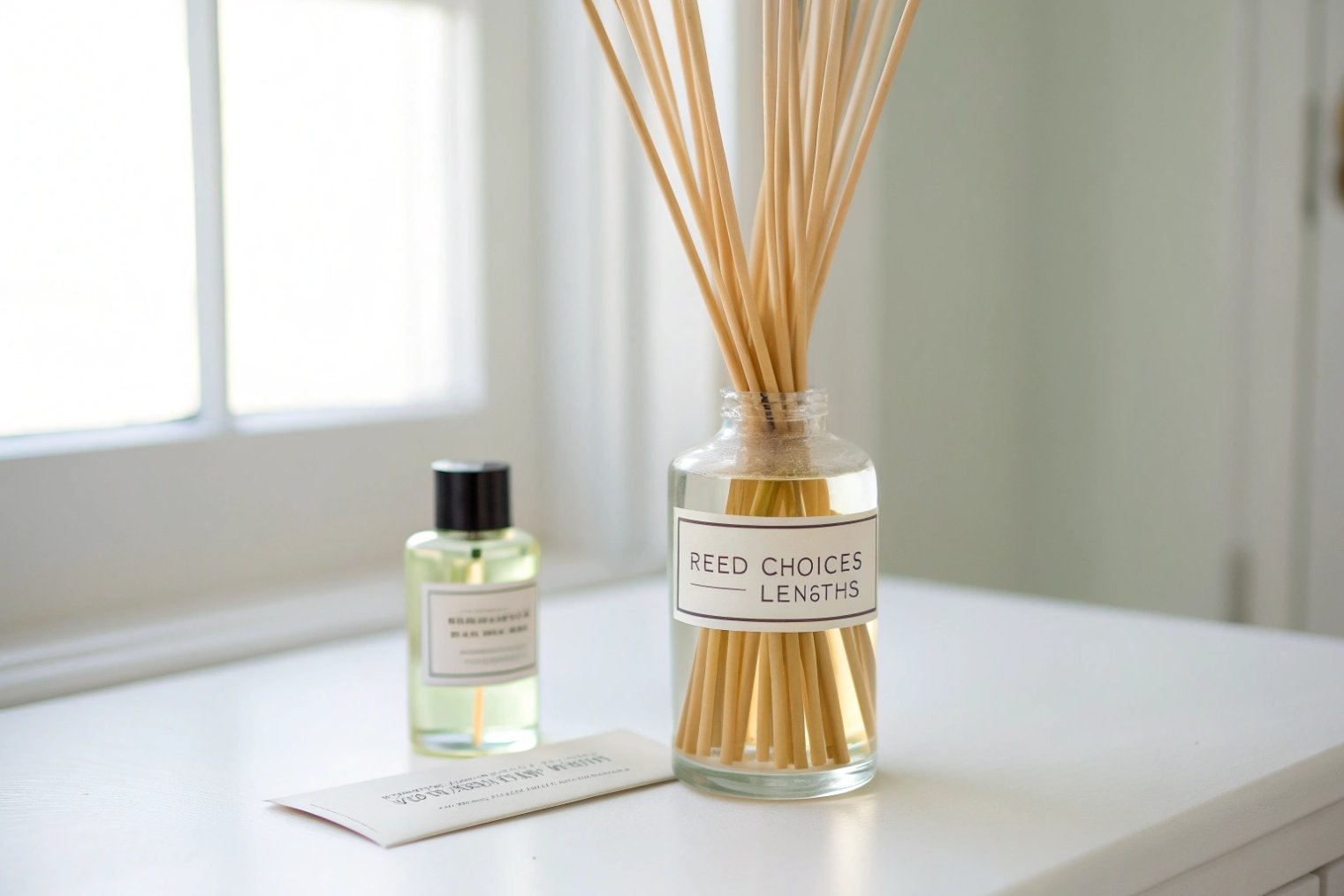
Choosing the right reeds for refills
Reeds are not designed for endless reuse. Over time, channels fill with dried oil and dust, which strangles capillary action. So even if the bottle is reused, the reeds should be new. In most reed diffuser setups 3, natural rattan reeds remain the classic choice. They give a soft, even throw and suit more traditional or natural-positioned brands. Fiber reeds, made from engineered materials, deliver more consistent wicking and can offer a stronger, more predictable scent release. {#reed-diffuser}
Diameter and length matter. Too thick, and the bundle may not fit the neck comfortably. Too thin, and the reeds may lean and look messy. As a simple guide:
| Bottle Neck ID | Reed Diameter | Typical Reed Length | Notes |
|---|---|---|---|
| 6–8 mm | 2.5–3 mm | 18–20 cm | Small bottles, subtle diffusion |
| 10–12 mm | 3–4 mm | 20–25 cm | Standard living-room diffusers |
| 14–16 mm | 4–5 mm | 25–30 cm | Larger spaces, stronger scent |
Fresh reeds should go into a fresh formula: a neutral carrier oil (like cosmetic-grade diffuser base or fractionated coconut) plus around 10–20% fragrance or essential oil. Reeds can be flipped weekly to refresh the throw. For second-life use, this simple refill recipe keeps things easy and repeatable at home. If you sell refills as a brand, aligning blends to IFRA Standards 4 helps keep safety expectations consistent across markets. {#ifra-standards}
Second-life caps and restrictors
Caps and restrictors control evaporation, spill risk, and diffusion speed. Many original diffuser caps are decorative, not functional. In reuse, there is a chance to upgrade. Screw caps with inner gaskets or liners seal better than loose push-on caps. Wood caps add a natural look but need an inner barrier (like a PP insert) to avoid absorbing oil and warping.
Restrictors (orifice reducers) are very useful for second-life uses. In classic reed diffusers, some brands prefer an open neck; in travel or more fluid applications, a small reducer hole helps control flow. A 2–3 mm opening suits slow, steady drops, such as plant-care dosing or decanting perfume samples. For room sprays or spritz bottles, a matched pump or fine-mist sprayer can replace the original collar altogether, turning the bottle into a small spray format.
In practice, a reusable bottle system works best when neck finishes are standard. That way, the same stock of caps, pumps, and restrictors can support many designs. From a supplier side, this means encouraging brands to choose common finishes so that second-life accessories (sold as kits or replacement parts) fit reliably and make reuse simple rather than frustrating.
Can diffuser bottles be repurposed for oils or décor safely?
Many people see an empty diffuser bottle and think “mini vase” or “perfect for a little oil blend”, but not every idea is safe or practical.
Diffuser bottles can be repurposed safely for non-food oils and décor—like carrier-oil blends, bud vases, propagation stations, dry terrariums, and message bottles—if they are cleaned well and never moved into food or ingestible use.
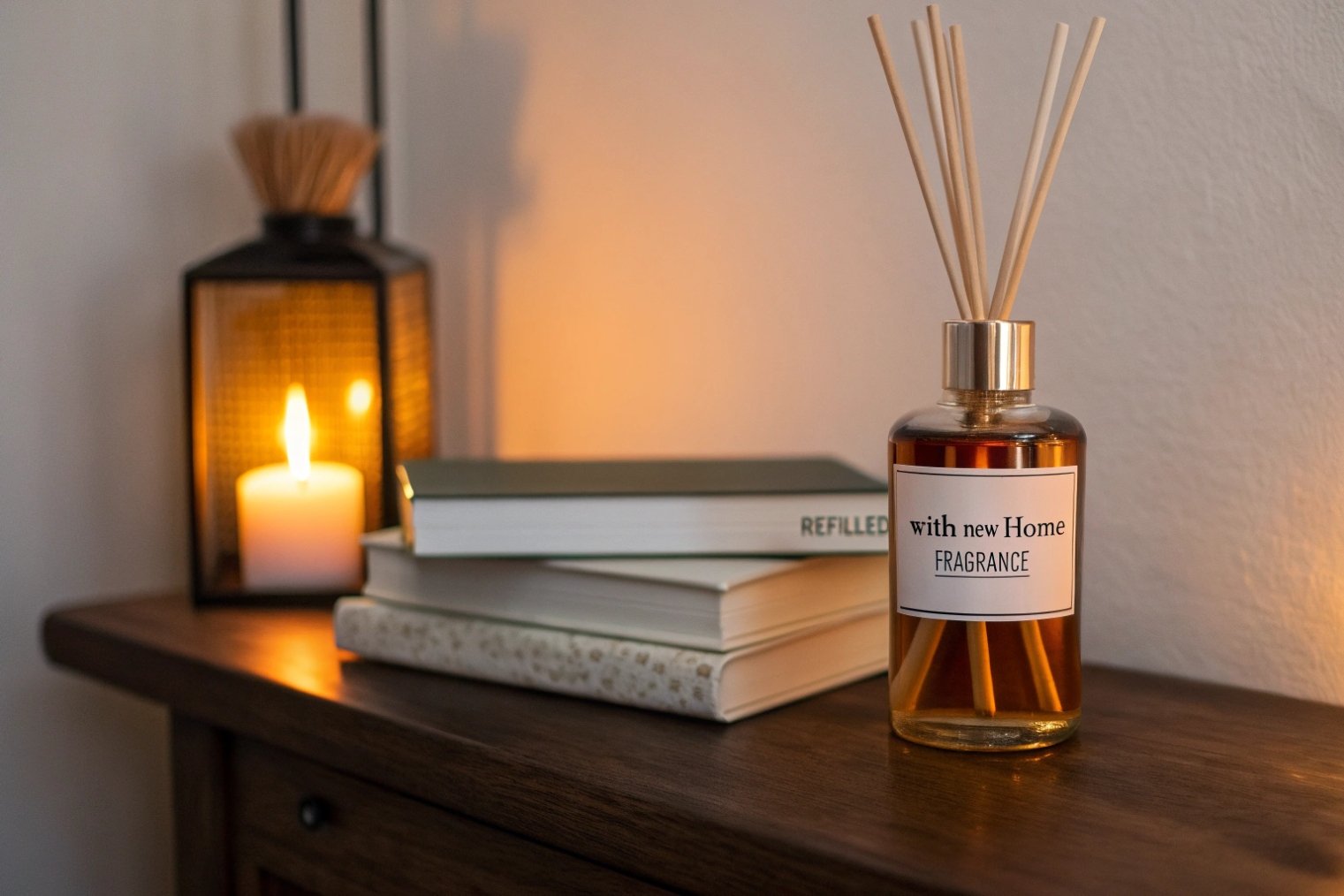
Safe second lives for home fragrance and plant lovers
Once the glass is clean and dry, there are many safe home uses that stay in the same “home and décor” space as the original product. One easy option is to refill as a diffuser again, using a new blend of carrier oil and fragrance. This keeps the bottle’s original purpose and takes full advantage of its neck design and stability. For fragrance lovers, bottles can also hold custom essential-oil blends that will be used only in burners, diffusers, or other home-fragrance tools, not on skin.
Diffuser bottles make excellent mini bud vases. Their heavy bases keep single stems or small arrangements stable on narrow shelves and window ledges. Transparent glass showcases roots for plant propagation. Cuttings from pothos, philodendron, and many other houseplants grow well in these vessels. Since there is no food contact, a simple soap-and-alcohol clean is usually enough before adding clean water.
Another creative avenue is dry décor. Bottles can hold sand layers, dried moss, preserved flowers, or tiny stones. This avoids moisture that might trap leftover fragrance or encourage mold. Clusters of these mini “dry terrariums” create low-profile table centerpieces. Paired with tags or cards slipped into the neck, they also work as place-card holders or “message bottles” for events and weddings.
Where to draw the safety line
Not all repurposing ideas are equal. Any concept that involves food, drink, or ingestion should be avoided if the bottle ever held fragrance oil or solvents. Even with strong cleaning, trace residues can remain in scratches or under internal coatings. For conservative consumer guidance, reference essential oils safety guidance 5 when explaining why “not for ingestion” matters. {#essential-oils-safety}
For skin-contact cosmetics, the bar is higher as well. If the brand wants consumers to reuse diffuser bottles for body oils or serums, testing and clear instructions are essential. In many cases, it is safer to keep diffuser glass dedicated to home-fragrance and décor tasks, and use new, verified-clean containers for personal-care formulas.
Here is a simple decision view:
| Repurpose Idea | Generally Safe? | Notes |
|---|---|---|
| New reed diffuser | Yes | After full cleaning, with fresh reeds |
| Room / linen spray (with pump) | Yes | Use suitable spray components |
| Plant propagation station | Yes | For non-edible plants |
| Bud vase / dry décor | Yes | Keep filler materials dry if possible |
| Essential oil blends for burners | Yes | Home fragrance only, no ingestion |
| Food oils or drink infusions | No | Avoid, due to residue risk |
| Leave-on skincare / massage oils | Caution | Only if designed and tested for that use |
When brand guidance is clear and conservative, customers can enjoy creativity without stepping into risky territory.
How should brands communicate reuse without quality risks?
If a brand simply says “reuse this bottle”, many customers will improvise, sometimes in ways that conflict with safety or with the premium image of the product.
Brands should give simple, specific reuse paths—backed by cleaning instructions and clear “do not” lines—so customers feel guided, safe, and proud to keep the bottle in use without hurting quality or trust.
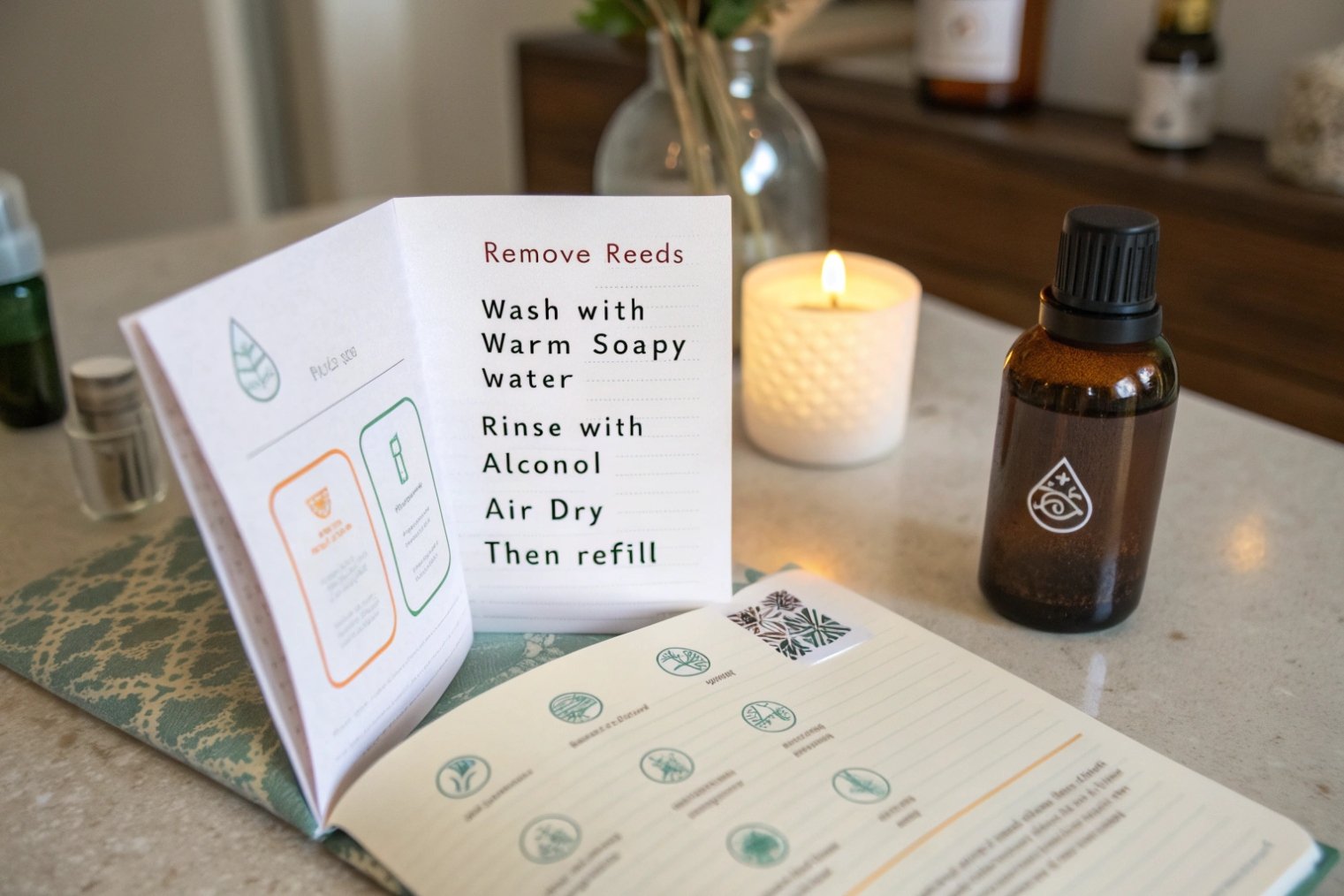
Clear cleaning and reuse instructions
The first step is to make cleaning and reuse easy to understand. A short guide printed on the box, on a hangtag, or via QR code can outline the basic steps: dispose of used reeds, wash with warm soapy water, rinse with high-proof alcohol, let dry fully, then refill or repurpose. Simple icons help: a little bottle brush, a droplet with an “X” over food items, and a recycling or reuse symbol.
Consumers appreciate specific recipes. For example, a brand can offer a standard refill formula: “Mix 80–90% diffuser base with 10–20% fragrance oil. Insert fresh reeds and flip weekly.” This keeps results predictable and reduces online guesswork, which can lead to underperforming or overly strong blends.
Suggested reuse ladders and accessory systems
Brands can also design reuse “ladders” that move bottles through several lives. For instance:
- First life: original reed diffuser.
- Second life: refill with branded oil and new reeds.
- Third life: convert to propagation vase or dry décor piece.
This ladder can appear in simple diagrams on the packaging. To support this journey, brands may offer accessory kits: packs of new reeds, universal caps, restrictors, or even small pump heads sized to the bottle neck. When the bottle and accessories come from the same supplier ecosystem, fit and performance are more reliable.
A simple communication table:
| Message Type | Content Example | Purpose |
|---|---|---|
| “How to clean” | 3–5 steps with icons | Safety and ease |
| “How to refill” | Simple base + fragrance percentages | Performance and consistency |
| “How to repurpose” | 2–3 safe décor ideas | Inspiration and emotional connection |
| “What not to do” | “Not for food or drink” | Risk control and compliance |
Luxury and reuse can sit together when the tone is right. Instead of framing reuse as a cost-saving move, the message can highlight craft and responsibility: “This glass was made to last. Please keep it in use.” Visuals of beautifully restyled bottles—on shelves, as bud vases, in small clusters—show that upcycling can look curated, not improvised.
Quality risks drop when brands stay honest about limits. A short, firm statement like “For home fragrance and décor use only; not suitable for food or drink” sets boundaries without fear. If you make environmental claims (like “reusable” or “reduced waste”), align wording with ISO 14021 guidance on environmental claims 6 so marketing stays clear and defensible across channels. {#iso-14021}
At the same time, encouraging refills and safe second lives reduces waste and supports sustainability goals. For a glass manufacturer and a fragrance brand, this alignment between beauty, safety, and responsibility is where reuse really becomes a strong part of the story.
Conclusion
When cleaned properly, paired with the right accessories, and framed with clear brand guidance, glass diffuser bottles can enjoy many safe, beautiful lives far beyond their first fill of fragrance oil.
Footnotes
-
Properties and safety notes for ethanol rinsing when removing oily fragrance residues. ↩ ↩
-
Safety, handling, and chemical profile for IPA as a residue-stripping rinse solvent. ↩ ↩
-
Quick background on how reed diffusers work, including basic wicking and evaporation concepts. ↩ ↩
-
Reference safety framework for fragrance materials, useful when setting refill formulas and usage guidance. ↩ ↩
-
Practical safety cautions on essential oils to support “no ingestion/food use” guidance for second-life bottles. ↩ ↩
-
Guidance on “self-declared” environmental claims to help brands communicate reuse without misleading wording. ↩ ↩






