
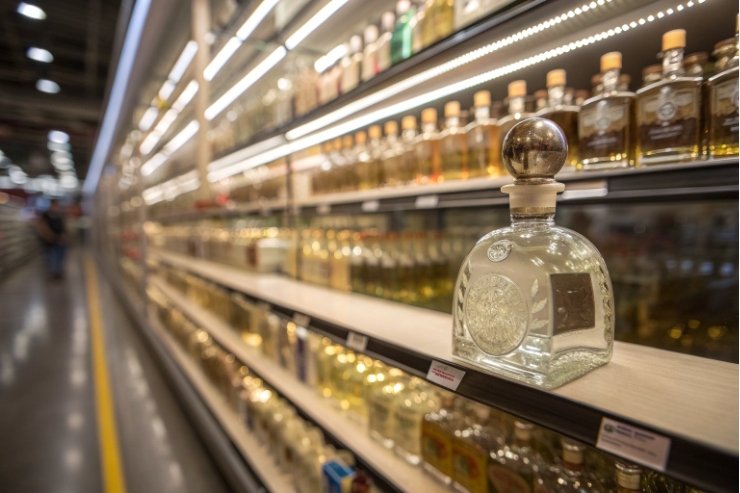
Tequila shelves are crowded. If your bottle looks like everyone else’s, people will judge you on price before they ever taste your liquid.
To choose the perfect tequila bottle, match shape, capacity, color, weight, closure, and decoration to your brand story, channel strategy, and production reality so the glass works as a true brand asset.
In practice, this means designing from your drinker and your positioning first, then checking NOM-006-SCFI-2012 tequila specifications 1, line limits, logistics, and long-term supply. When these pieces align, the bottle feels “made for” your tequila, not borrowed from another brand.
What tequila bottle shapes and capacities best match your brand positioning?
Many founders start from a catalog of tequila bottles and get stuck between “safe but boring” and “beautiful but expensive or unstable”. This is normal.
Pick shapes and capacities by starting from your brand world and main sales channel, then choose a silhouette and volume that tell the right story and still fit bars, shelves, and cases.
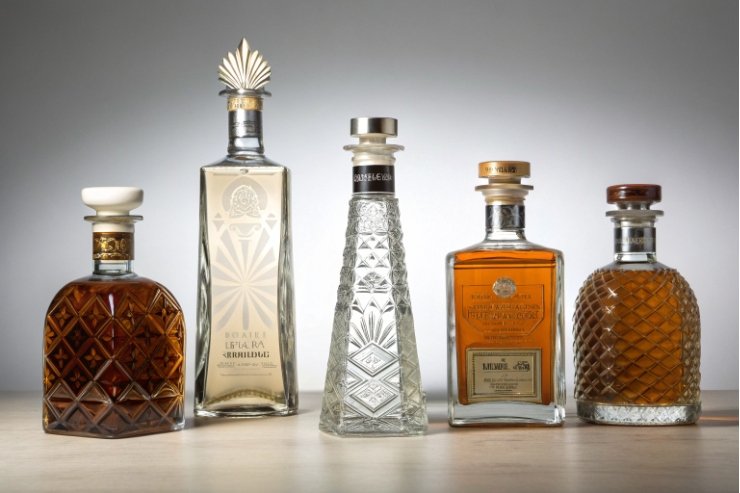
Shape from story: who are you on the shelf?
Before discussing neck heights and base diameters, it helps to frame your brand in simple words. Are you classic, edgy, luxury, playful, or heritage?
You can link each direction to different structural cues:
| Brand direction | Shape cues | Typical use cases |
|---|---|---|
| Modern / nightlife | Tall, slim, sharp shoulders, geometric base | Blanco, cristalino, cocktail-focused |
| Heritage / traditional | Softer curves, shorter neck, rounded shoulders | Reposado, añejo, family brands |
| Ultra-premium / luxury | Decanter-like, thick base, sculptural details | Añejo, extra añejo, numbered editions |
| Craft / artisanal | Chunky, hand-feel texture, folk-inspired forms | Small-batch, single-rancho releases |
| Value line | Simple round or square, efficient footprint | House pours, price-sensitive channels |
Tall, architectural bottles help you stand out in modern bars and on social media. More compact, stout bottles feel grounded, solid, and often more “traditional”. Very wide or very tall shapes can look amazing, but they must still fit speed rails, refrigerators, and standard shelves, so we always check those sizes early.
Capacity and product tier
Most tequila lines center on EU spirits standards of fill (700 ml is common) 2 or U.S. distilled spirits standards of fill (including 750 mL) 3. Around that, you can build a family:
- 50 ml or 100 ml: minis, flights, and hotel formats.
- 375 ml: gifting, trial size, and high-price extra añejo.
- 700/750 ml: main retail and on-trade bottle.
- 1 L or 1.75 L: club, bar, and warehouse formats.
A simple way to think about it:
| Tier | Typical capacity choice | Reason |
|---|---|---|
| Core line | 700–750 ml | Standard, easiest for channel acceptance |
| Premium | 700–750 ml + 375 ml | Gifting and trial without discounting |
| Ultra-premium | 700–750 ml only, sometimes 375 ml | Focus on perceived rarity and ceremony |
| On-trade value | 1 L or 1.75 L | Better yield and less frequent changeovers |
Try to keep the silhouette and key design cues consistent as you scale up and down in size. That way, customers still “see” your brand even when they meet a different volume for the first time.
Design for where the bottle lives
A bottle built for home display may not make sense in a high-volume bar. So I always ask three simple questions:
- Will this bottle sit mainly on a back bar, on a retail shelf, or online?
- Who lifts it more often, bartenders or consumers?
- Do you want it to travel in luggage and gift bags, or mostly in cases?
If the answer is “back bar and speed rail”, prioritize grip, stability, and clean height for easy grabbing. If the answer is “collector’s cabinet and unboxing videos”, you can push more into sculptural glass and secondary packaging, as long as the main 700–750 ml footprint still works in cartons and pallets.
How do glass color, thickness, and weight affect the image of your tequila?
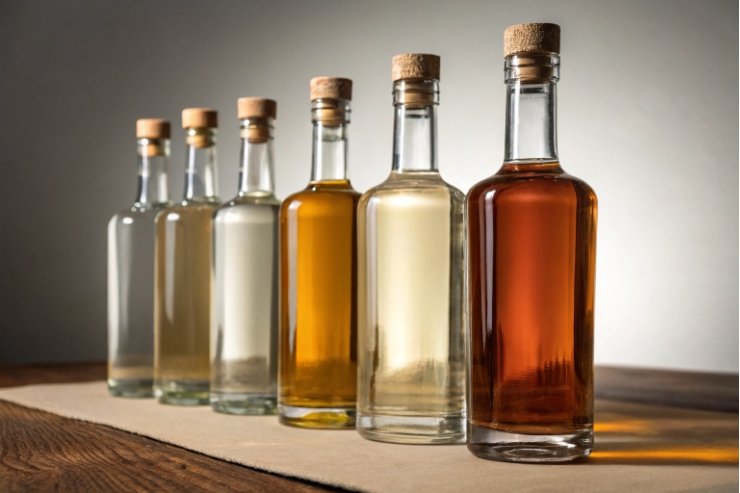
Tequila liquid already carries a lot of meaning: clear for blanco, straw for reposado, amber for añejo. The wrong glass can either hide that beauty or make the bottle feel cheaper than the juice.
Glass color, wall thickness, and weight change how people read your tequila at first glance and first touch. You can dial these elements up or down to match “fresh”, “heritage”, or “luxury” cues.
Color as a shortcut to category and mood
You can use glass color to both protect the spirit and communicate style.
Common directions:
| Tequila style | Typical glass choice | Signal |
|---|---|---|
| Blanco / plata | Extra-clear flint | Clean, fresh, modern |
| Reposado | Light flint or warm tint | Gentle aging, approachable warmth |
| Añejo / extra añejo | Slightly darker or smoked tint | Depth, complexity, time in barrel |
| Cristalino | Very clear, “crystal” look | Precision, filtration, modern craft |
| Artisanal lines | Colored, recycled, or slightly tinted | Handmade, local, sustainable storytelling |
Colored or smoked glass can also help with light protection on shelves with strong lighting. Just be sure that the tint still allows enough visibility of the liquid, especially if you rely on natural color as part of your quality story.
Thickness and weight: luxury vs practicality
A thicker, heavier bottle feels expensive and serious. A lighter bottle feels modern and conscious. Both can be premium if they are intentional.
Think about three layers:
- Wall thickness: contributes to sturdiness and weight, but also cost and emissions.
- Base thickness: main driver for premium “heft” and stability.
- Overall weight: how the bottle feels in hand and in the box.
You can often keep a strong, heavy base while trimming wall thickness a little. This protects the premium feel in the hand and on the bar, but reduces glass per bottle, freight cost, and breakage risk.
Simple comparison:
| Weight strategy | Perception | When it works best |
|---|---|---|
| Very heavy, thick everywhere | Ultra-luxury, decanter-like | Extra añejo, numbered limited editions |
| Heavy base, balanced walls | Premium but thoughtful | Core premium blanco / reposado lines |
| Lighter but clean | Modern, eco-aware, accessible | Cocktail-focused, younger brand image |
Balancing image with sustainability
Many tequila drinkers now care about environmental impact. Heavy glass without a story can backfire. If you choose a substantial bottle, be ready to talk about:
- Use of recycled cullet in glass manufacturing 4.
- Efficient case-packing and freight planning.
- Long-term reuse of the bottle as a carafe or decorative object.
If you prefer a lighter bottle, push the design toward clean lines, precise finish, and maybe a slightly taller silhouette. That way, the bottle still feels premium, even though the scale tells a lighter story.
Which closures and decoration options make your tequila bottle stand out on the shelf?
Even the most beautiful bottle can feel unfinished with the wrong closure or decoration. At the same time, too many effects can make a premium tequila look noisy or cheap.
Choose closures and decoration that support your story at three distances: across the aisle, in the hand, and in photos. Aim for a strong “hero” detail, then keep everything else clean.
Closures: function first, then theater
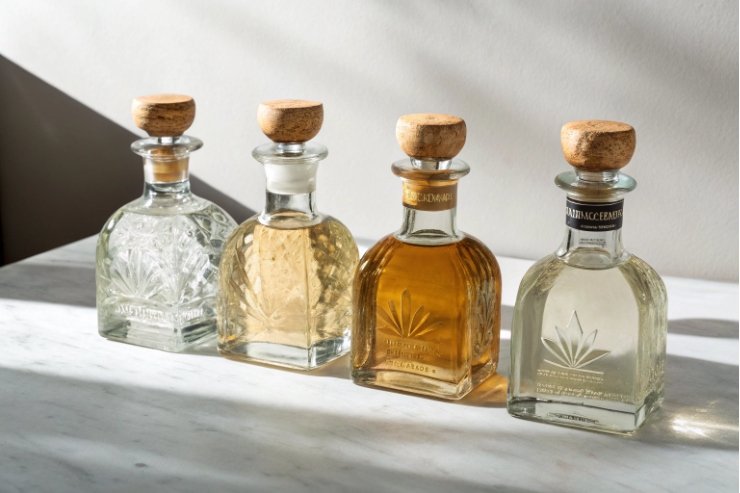
For tequila, closures are part of the ritual. A good closure must seal well, open cleanly, and look worthy of the price.
Common options:
| Closure type | Pros | Watch-outs |
|---|---|---|
| T-stopper, natural cork | Classic “pop”, premium cue, heritage link | Needs controlled neck fit, cork quality |
| T-stopper, technical / synthetic | Stable performance, less cork taint risk | Must avoid “plastic” look |
| Screw cap (ROPP) | Very secure, easy for bars | Can look value if not designed well |
| Glass stopper | Very premium, distinctive ritual | Needs precise neck and extra cost |
For core and premium tequilas, a well-designed T-stopper with wood, ceramic, or metal top works very well. For club and cocktail formats, some brands choose a high-quality roll-on pilfer-proof (ROPP) screw cap system 5 for speed and control, then design the capsule and label to keep a premium feel.
Always make sure the neck finish and closure are engineered together. Poor fit shows up as leaks, crooked stoppers, and broken glass on the line or in transit.
Decoration as a storytelling stack
Decoration is not only about “nice graphics”. It is about which layers carry which parts of the story.
You can think of it as a stack:
- Glass structure: embossing, debossing, texture, punt details.
- Permanent decoration: screen printing, ceramic inks, hot stamping.
- Applied labels: paper or film labels, neck labels, back labels.
- Seals and capsules: shrink bands, wax, foil capsules.
For a value line, you may rely mainly on a standard shape plus a well-designed front label. For premium and ultra-premium, you can add:
- Embossed agave, volcano, or pattern bands in the glass.
- Foiled logos, metallic neck bands, or holographic elements.
- Partial frosting or coatings to frame the liquid.
A useful rule: let one or two things shout, and let everything else whisper. For example, a bold embossing and a generous wooden stopper can be your heroes, while labels stay simple and typography does the quiet work.
Instagram, bar backs, and unboxing
Modern tequila buyers often meet your bottle in a phone screen before they see it in a store. So I like to test designs at three “distances”:
- Small screen: does the silhouette and main label read clearly in a tiny photo?
- Bar back: does the closure and top profile stand out above other bottles?
- In hand: do details reward close inspection and touch?
Decoration choices should support all three. High-contrast elements and clear shapes help online and on back bars. Fine foil lines, debossed logos, and textured paper reward the person who buys and opens the bottle at home.
What should you look for when selecting a tequila glass bottle manufacturer for long-term supply?
A beautiful design is useless if you cannot get bottles on time, at quality, and at scale. Tequila brands that grow fast often discover that their first bottle supplier cannot keep up.
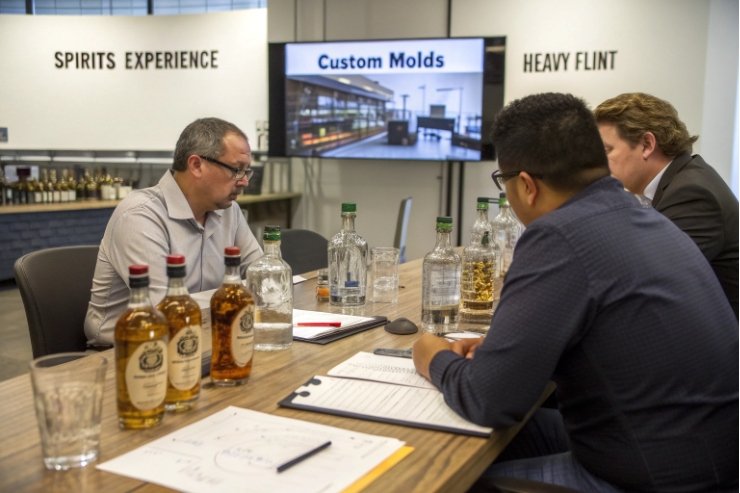
For long-term tequila supply, choose a glass partner with spirits experience, custom-mold capability, strong quality and certification systems, realistic MOQs and lead times, and a clear plan for protecting your molds and your brand.
Technical capability and tequila know-how
Tequila bottles have their own demands: heavy bases, special necks for T-stoppers, CRT certification for tequila under NOM-006 6, and global capacities.
So I always look for manufacturers who can show:
- Real samples of tequila or similar agave spirits bottles.
- Experience with heavy flint, colored glass, and embossing.
- Good neck-finish control for bartop closures.
A maker that understands how your bottle must behave on a Mexican filling line and in US or EU distribution will save you many hidden costs later.
Quality, molds, and logistics fit
It is important to know how your supplier will support you as you grow. You can use a simple checklist:
| Area | Questions to ask | Signs of a strong partner |
|---|---|---|
| Certifications | Do they have ISO-style QMS and food-contact docs? | Current certificates and clear test reports |
| Mold capability | Can they handle custom molds and maintenance? | In-house or close mold shop, sample process |
| MOQ and lead times | Do their volumes match your forecast and cash flow? | Flexible first orders, clear schedule |
| Logistics and packing | How do they pack and protect heavy tequila bottles? | Good pallet patterns, low breakage records |
| Mold ownership | Who owns the molds and design IP? | Written agreement that protects your brand |
Ask them to walk through their normal lead times for:
- Design and drawing approval.
- Mold making and first samples.
- Standard repeat orders at your target volumes.
This helps you plan launches and expansions with real dates, not guesses. If you plan to sell in the U.S., align decoration layouts early with TTB distilled spirits labeling requirements 7 so you don’t redesign late.
Long-term partnership and sustainability
Tequila brands often build very long-lived bottles. You want a manufacturer who will still support your shape years from now.
Look for:
- Stable financial footing and modern production lines.
- Willingness to share data on recycled content and energy use.
- Interest in optimizing glass weight over time as your volumes rise.
If you plan line extensions (mezcal, RTD cocktails, special cask finishes), ask how easily your supplier can adapt the core silhouette into new volumes or variations. A strong partner will suggest shared neck finishes, family tooling, and common decoration platforms to keep your costs under control while your range grows.
In the end, the best tequila bottle manufacturer feels less like a vendor and more like a quiet part of your production team. They help you protect your liquid, your brand image, and your timeline at the same time.
Conclusion
The perfect tequila bottle is not just beautiful. It is the point where brand story, bartender needs, logistics, and long-term glass supply all line up in one clear, confident shape.
Footnotes
-
Official English PDF of NOM-006 tequila standard, useful for packaging and labeling compliance. ↩︎ ↩
-
Confirms EU spirits bottle sizes (including 700 ml) to help plan exports and avoid customs issues. ↩︎ ↩
-
U.S. eCFR list of authorized distilled spirits container sizes, including 750 mL and other permitted fills. ↩︎ ↩
-
Practical data on cullet and glass recycling benefits to support sustainability claims without guesswork. ↩︎ ↩
-
Explains how ROPP caps work and when they’re a strong choice for bar-friendly spirits packaging. ↩︎ ↩
-
CRT explains tequila certification and compliance responsibilities under NOM-006 for producers and bottlers. ↩︎ ↩
-
TTB checklist of mandatory distilled spirits label elements to prevent late-stage compliance redesigns. ↩︎ ↩






