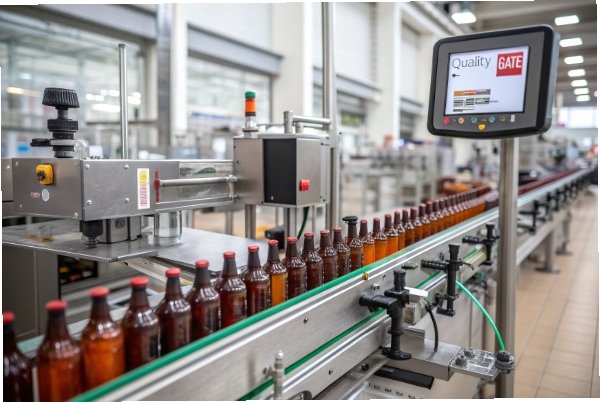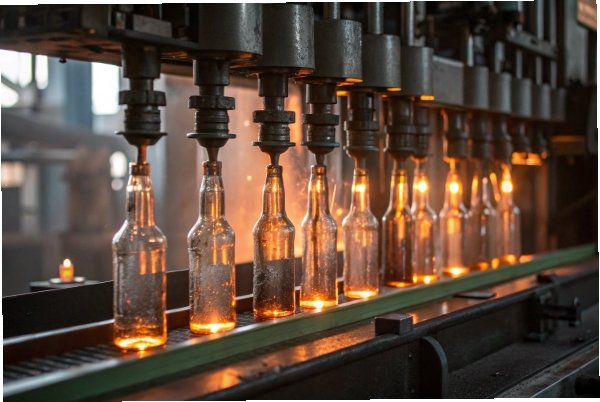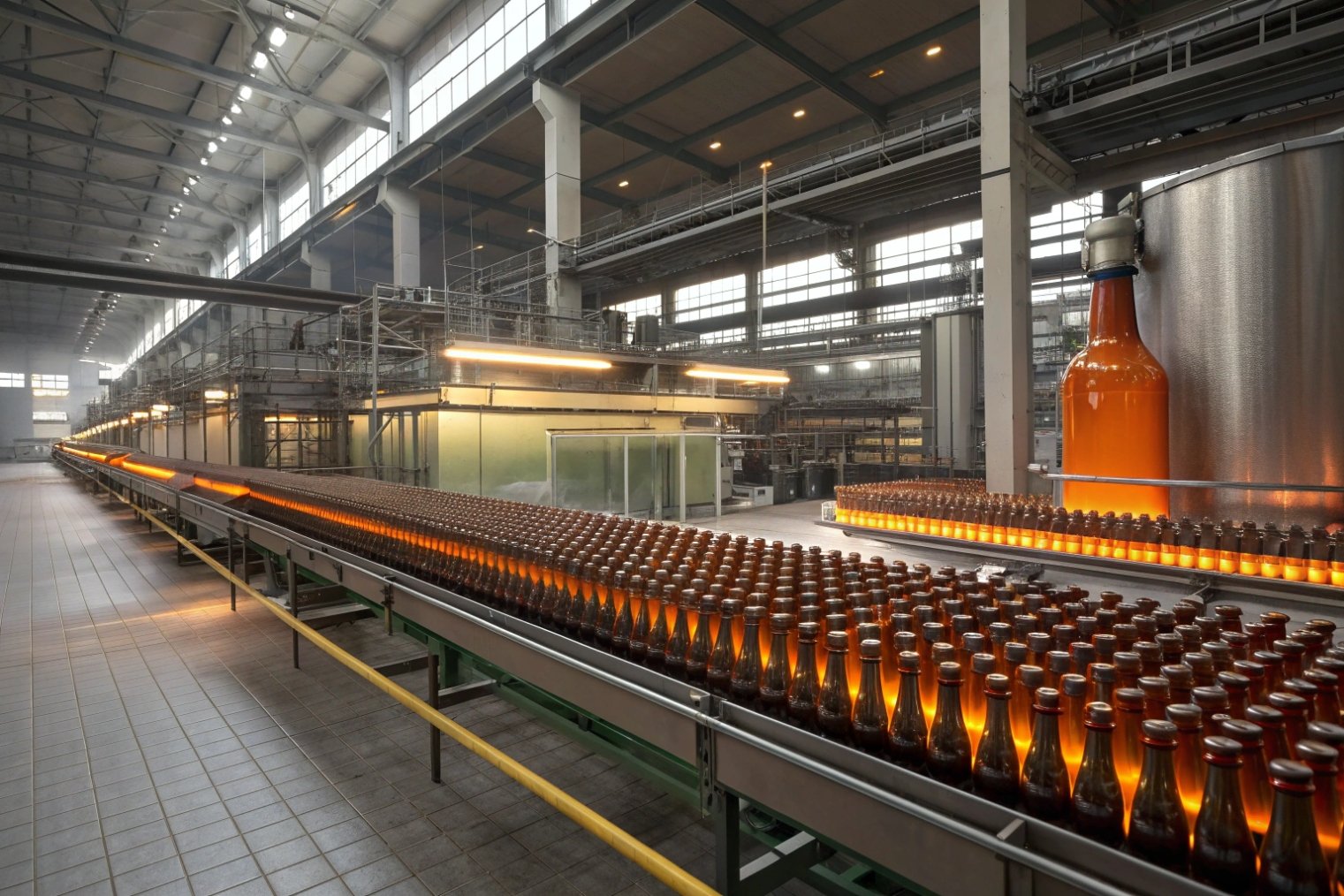
Beer bottles look simple on the shelf, but behind them sit hot furnaces, high pressure, strict tests, and a lot of cost decisions that most brewers never see.
Beer bottles are made from colored soda-lime glass on IS machines, then finished with crown or swing-top closures, tested for pressure and impact, and designed as either one-way or returnable packaging to balance safety and cost.

From batch mixing to pasteurization, every step has one job: keep carbonated beer safe from light, oxygen, and mechanical damage. When you understand these steps, it becomes easier to pick the right bottle color, closure, and returnable strategy for your brewery and your market.
Why are amber and green compositions chosen for light protection?
Many drinkers think color is just branding. In reality, the wrong glass color can turn a clean lager into a “skunky” beer under supermarket lights.
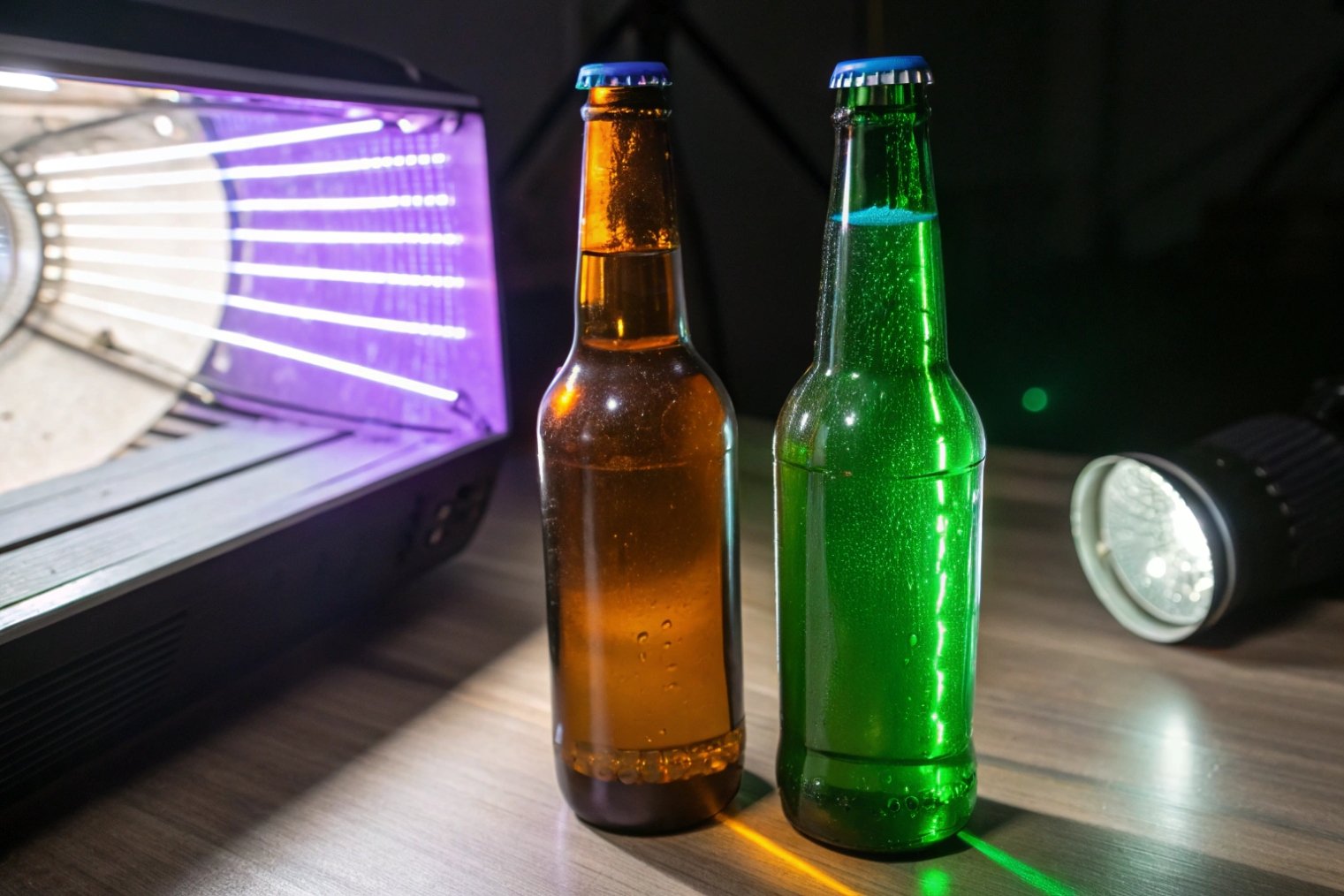
Amber glass blocks most UV and blue light that breaks down hop compounds; green and flint are weaker shields, so recipe, storage, and shelf strategy must match the chosen color.
What beer glass is really made from
Standard beer bottles use soda-lime glass, not borosilicate. The batch comes from:
- Silica sand as the main network former
- Soda ash to lower melting temperature
- Limestone and other stabilizers
- Recycled cullet 1 to save energy and cost
- Colorants to create amber, green, or flint
The furnace melts this batch around 1,500–1,600 °C, then the glass passes through the forehearth for conditioning before gob cutting and forming. For beer, the big difference is the color recipe, not the base glass type.
Amber glass uses iron, sulfur, and carbon in specific ratios. These form iron sulfide complexes that absorb UV and part of the blue spectrum. This is important because light in the 350–500 nm range breaks down iso-alpha acids from hops. The breakdown products react with sulfur compounds and create the classic “light-struck” (skunked) off-flavor 2. A key odorant often associated with this character is 3-methyl-2-butene-1-thiol (3-MBT) 3.
Green glass also uses iron and sometimes chromium. It blocks less of that critical blue region. So green bottles give weaker light protection than amber. Flint (clear) offers almost no protection on its own.
How color choice connects to beer style and shelf life
To match color with product and logistics, we think about three things:
- How long the beer will sit in light
- Where it will be stored and displayed
- How sensitive the recipe is to light-strike
A simple comparison looks like this:
| Color | Light protection vs UV/blue | Typical use |
|---|---|---|
| Amber | Strong | Mainstream lagers, ales, export beers |
| Green | Medium | Traditional European brands, “heritage” look |
| Flint | Low | Niche, flavored, or heavily protected products |
If a brewer insists on green or clear glass for branding, then we usually suggest extra protection:
- Secondary packaging (cartons, full sleeves)
- UV-blocking labels or sleeves
- Light-stable hop extracts in the recipe
For long export routes and bright retail shelves, amber is still the safest and most cost-effective choice. It protects the beer, reduces complaints, and allows longer shelf life. That stability often saves more money than the small premium for colored glass.
Which finishes and closures (crown, swing-top) suit brewery lines?
Closures look like a small detail, but they decide whether a bottle seals under pressure, runs smoothly on the filler, and opens the way your customers expect.
Most high-speed brewery lines use 26 mm crown finishes with pry-off or twist-off profiles, while swing-tops and specialty closures fit slower or niche lines that accept higher packaging cost per bottle.
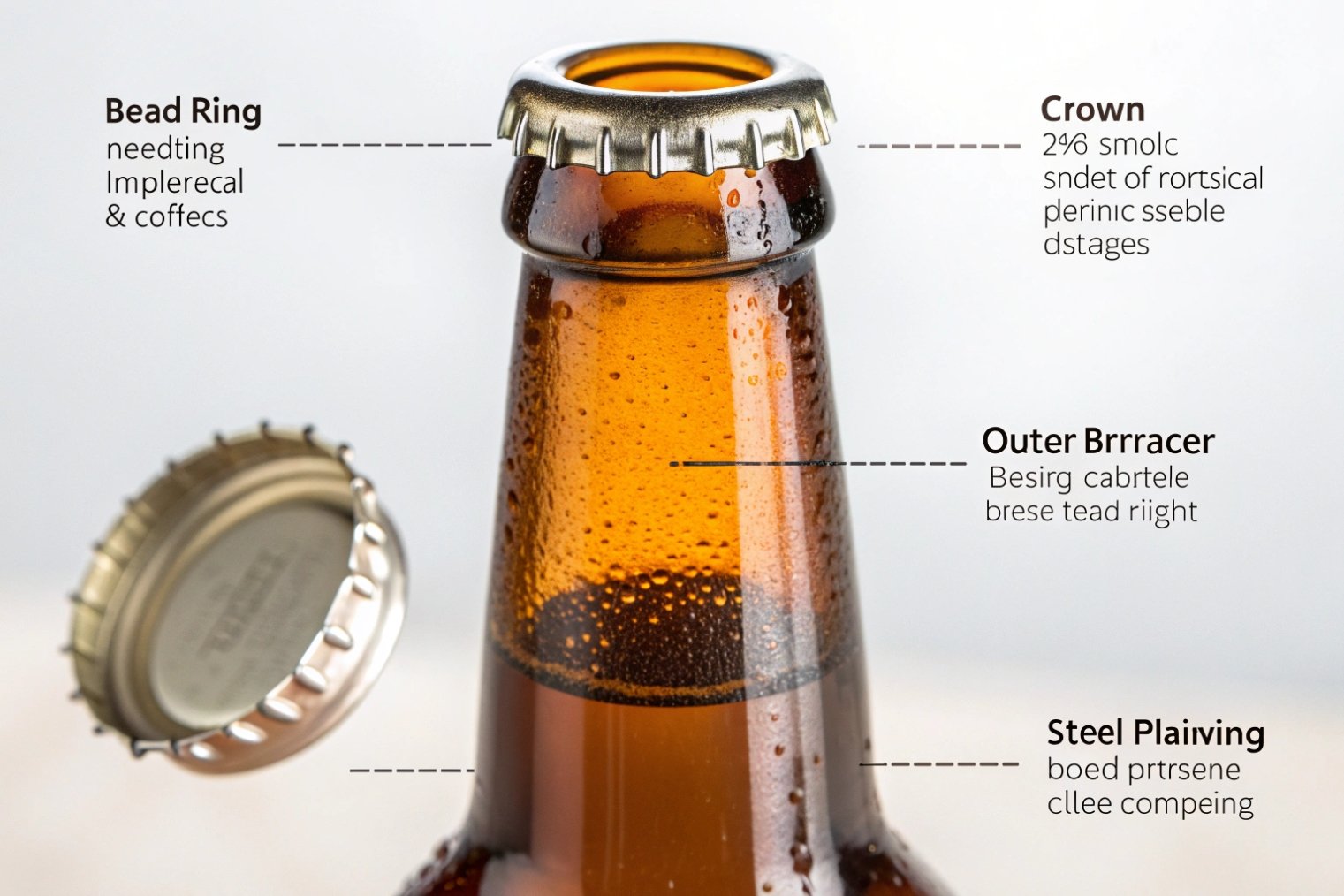
Standard beer finishes and how they are formed
On the IS machine, the neck finish is formed in the blank mold and neck ring. For beer, we usually work with:
- 26 mm crown finish 4 (pry-off or twist-off)
- 29 mm crown finish for some large bottles
- Swing-top finishes with ceramic or plastic stoppers and metal wire
Key features of the finish are:
- Top surface flatness for the crown liner to seal
- Correct outer diameter and bead profile
- Verticality and roundness for good capping
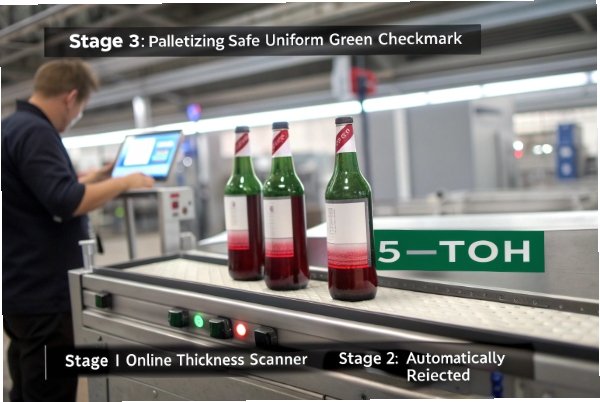
These dimensions are very tight, because even small defects can cause leaks or cap application problems. Automated gauges and cameras check the neck area bottle by bottle.
Crown vs twist-off vs swing-top
Each closure system has its own pros and cons for brewery operations:
| Closure type | Main advantages | Main limits |
|---|---|---|
| Pry-off crown | Simple, cheap, very strong seal | Needs opener; not “reclosable” |
| Twist-off crown | Easy for consumer, no opener needed | Needs precise finish; not ideal for returnables in some markets |
| Swing-top | Reclosable, strong brand signal | More expensive; slower filling and packing |
High-speed lines with tens of thousands of bottles per hour almost always use crowns. The cappers are simple and robust, and the caps are inexpensive. Twist-off crowns need more precise finish control and harder glass at the threads. That is why many refillable systems still prefer classic pry-off finishes.
Swing-tops fit craft and premium positioning. They are perfect when the bottle itself is part of the brand story and when filling speeds are lower. The cost per closure is higher, and the bottle is more complex, but the consumer can easily reseal and reuse it.
Matching closures to your line and market
When we advise breweries, we look at:
- Line speed and existing capping equipment
- Market expectations (opener vs twist-off)
- Returnable or one-way system
- Target price per filled bottle
Often the cheapest solution is to stay with standard 26 mm crown finishes that match existing crowns and cartons. Custom finishes and special closures may look attractive, but they bring new cap supply, new machinery, and higher glass tooling costs.
How do pressure and impact tests ensure carbonation safety?
Carbonated beer puts the bottle under constant internal pressure. On top of that, bottles hit each other on conveyors, in crates, and in transport. Safety is not an option; it is mandatory.
Pressure, impact, top-load, and thermal tests prove that each beer bottle design has enough safety margin above working carbonation pressure and real-world handling on the filler, pasteurizer, and logistics chain.
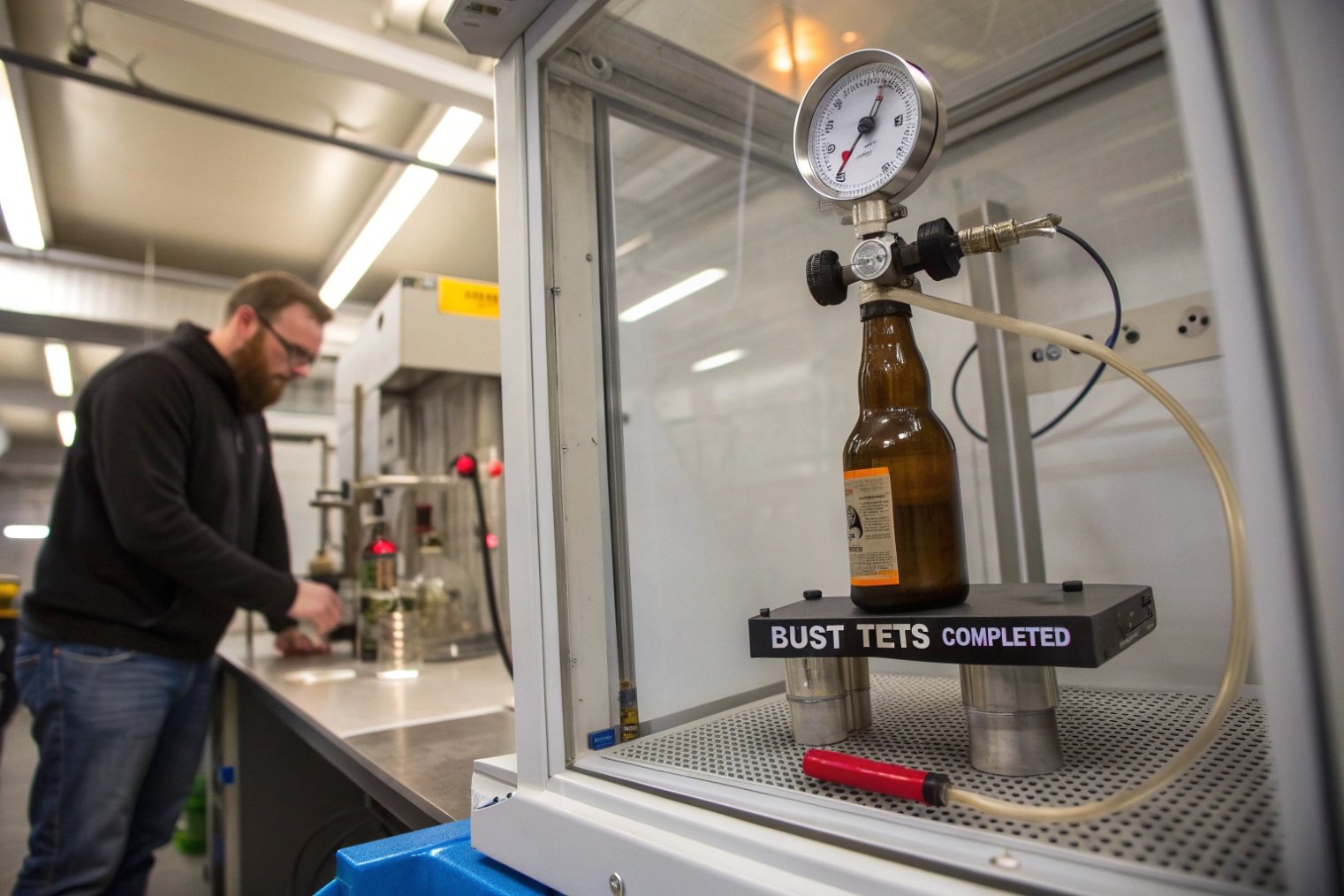
Internal pressure and burst strength
Beer usually runs at several bars of CO₂ pressure inside the bottle. The design pressure of the bottle must sit well above this, and every new design must pass burst tests.
In an ASTM C147 internal pressure strength test 5, we fill sample bottles with water, seal them, and raise the internal pressure until they break. The burst pressure should be significantly higher than the highest pressure expected during:
- Filling
- Warming after filling
- Tunnel pasteurization
- Storage at elevated temperature
We also run pressure resistance tests at a set pressure for a set time. If a bottle fails early, that shows issues with wall thickness, glass quality, or annealing.
Impact and vertical load (top-load) tests
Beyond pressure, bottles face mechanical shocks. Common tests include:
- Pendulum impact: a striker hits the side of a filled or empty bottle at a defined energy level.
- Sidewall impact checks on different points: shoulder, body, and heel.
- Top-load tests: a vertical force is applied to the finish or neck until deformation or breakage.
These tests simulate:
- Bottles hitting each other in a crate
- Conveyor transfers and accumulation
- Stacking on pallets in warehouses and trucks
If we see weak zones, we can adjust the parison design, gob weight, or mold temperature to improve wall distribution. For beer, the heel and shoulder are especially important because they see high stress from pressure and impact together.
Thermal shock and pasteurization safety
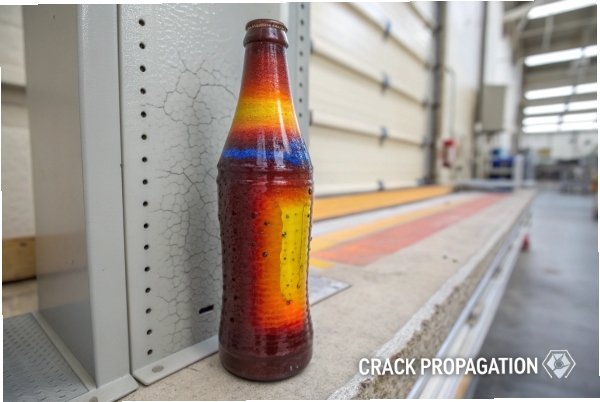
Many beers, especially lagers, pass through tunnel pasteurization 6. Bottles move from cold fill temperature to high pasteurization temperature and then back down. Thermal shock tests simulate this.
We move bottles between hot and cold water baths with a defined temperature difference and time. The bottles must survive this without cracking. Annealing quality and glass thickness both matter here.
Once a design passes these lab tests, we still watch real line performance. In one project, a new lightweight beer bottle passed burst tests, but we saw failures after pasteurization. The root cause was uneven wall thickness at the shoulder. After parison adjustments, both lab and line performance improved, and we could keep the lighter weight without safety risks.
What returnable/recyclable options reduce brewery packaging costs?
Many breweries now feel pressure from glass prices, CO₂ targets, and new “green” rules. Returnable bottles and smarter recycling can reduce cost per liter, but they also change logistics.
Heavier returnable beer bottles, pooled bottle programs, and strong cullet and deposit systems spread the cost of glass over many trips and feed cheaper recycled glass back into the furnace.
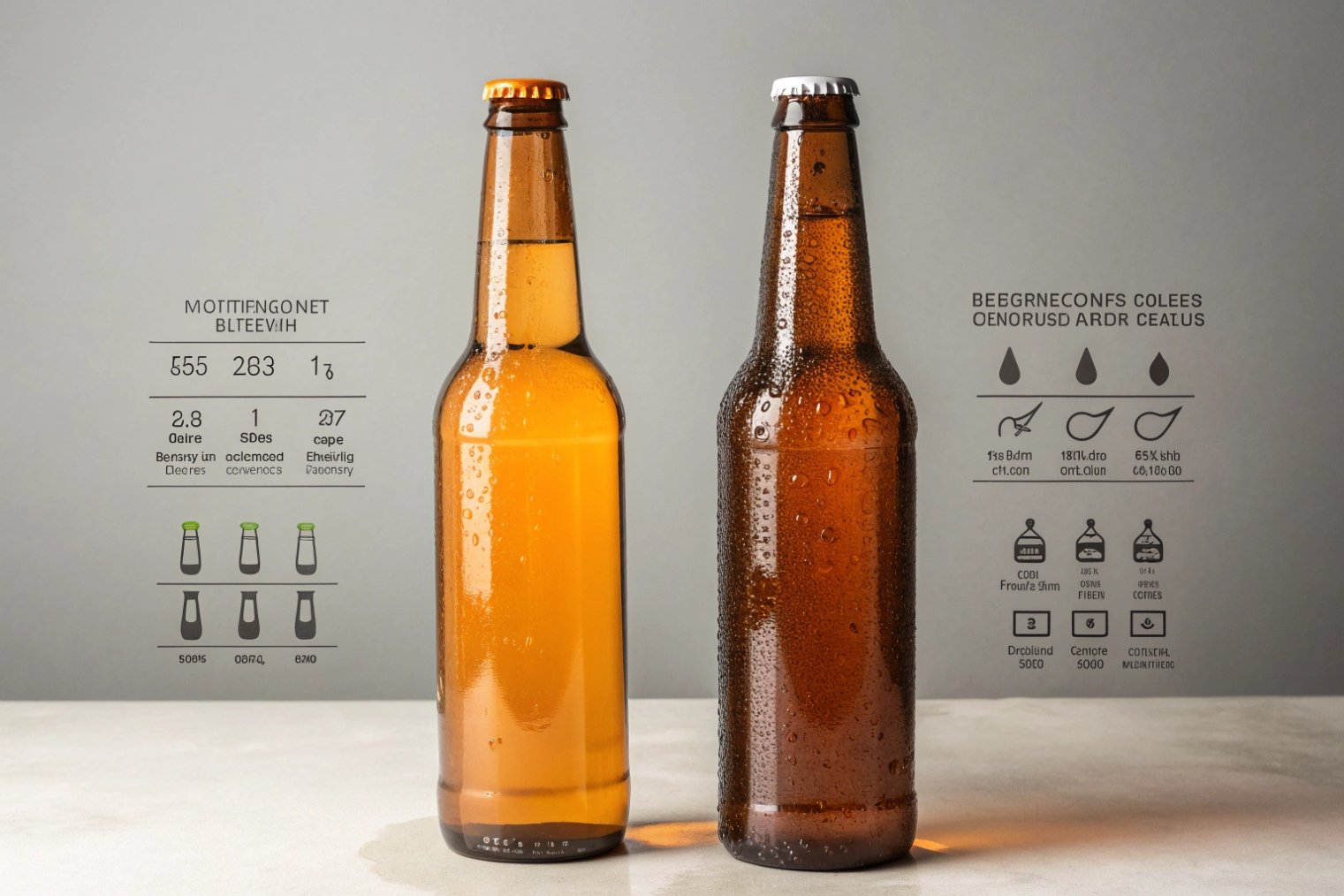
One-way vs returnable beer bottles
One-way bottles are lighter and simpler. They are filled, sold, used once, and then enter the recycling stream as cullet. Glass weight per bottle is low, shipping is cheaper, and there is no reverse logistics.
Returnable bottles are different:
- They are heavier and more robust.
- They use shapes and shoulder/heel features to resist scuffing.
- They must survive repeated washing in hot caustic solution.
- They often share standard shapes in a national or regional pool supported by Mehrweg (returnable) deposit bottles 7.
The cost per bottle is higher at the start, but each bottle can make many trips. When utilization is good, the cost per fill drops strongly. The trade-off is investment in washing lines, sorting, and crate or tray systems.
Pool systems, deposits, and cullet flows
In some markets, breweries share standard returnable bottle types. This creates “pool bottles.” Any brewery can fill them, and any crate stream can return them. A deposit on each bottle and crate motivates consumers and retailers to bring them back.
These systems:
- Reduce the number of unique bottle types
- Improve washing and sorting efficiency
- Keep breakage and scuffing within known limits
- Create stable streams of cullet when bottles finally retire
For breweries that do not join a returnable system, there is still a cost lever: clean cullet. Returning sorted, color-pure cullet to the bottle plant or to a glass recycler can support better cullet ratios in the furnace. This can help keep melt costs lower, which flows into bottle pricing over time.
How to pick the right “green” strategy
For each brewery, the best option depends on:
- Market size and geography
- Existing deposit or pool schemes
- Investment ability in washing and sorting
- Brand positioning (premium, mainstream, craft)
A small craft brewery exporting to many distant markets may stay with one-way bottles but still work on high cullet content and efficient pallets. A regional brewery selling mostly in its home region may get big savings from a returnable pool system and standardized crates.
In both cases, clear specs for bottle strength, washing cycles, and recycling routes help keep real total packaging cost down, not only the price printed on the bottle invoice.
Conclusion
Behind every beer bottle stand choices about color, closure, strength, and reuse. When these choices match your beer, your line, and your market, packaging cost drops and quality stays stable.
Footnotes
-
Learn how cullet improves furnace efficiency and reduces emissions, supporting cost and sustainability claims for bottle production. ↩ ↩
-
Understand why beer becomes skunked under light and how bottle color affects flavor stability. ↩ ↩
-
Chemical record for 3-MBT, the key compound behind lightstruck aroma, including identifiers and properties. ↩ ↩
-
Reference the 26 mm crown cork standard used across beer packaging for reliable sealing and compatibility. ↩ ↩
-
Official standard outlining internal pressure burst testing methods for glass containers expected to hold sustained pressure. ↩ ↩
-
Overview of tunnel pasteurization and why gradual heating/cooling protects packaged beer during microbial stabilization. ↩ ↩
-
Background on Mehrweg returnable packaging and deposit practices that shape reusable beer bottle pools and reverse logistics. ↩ ↩