
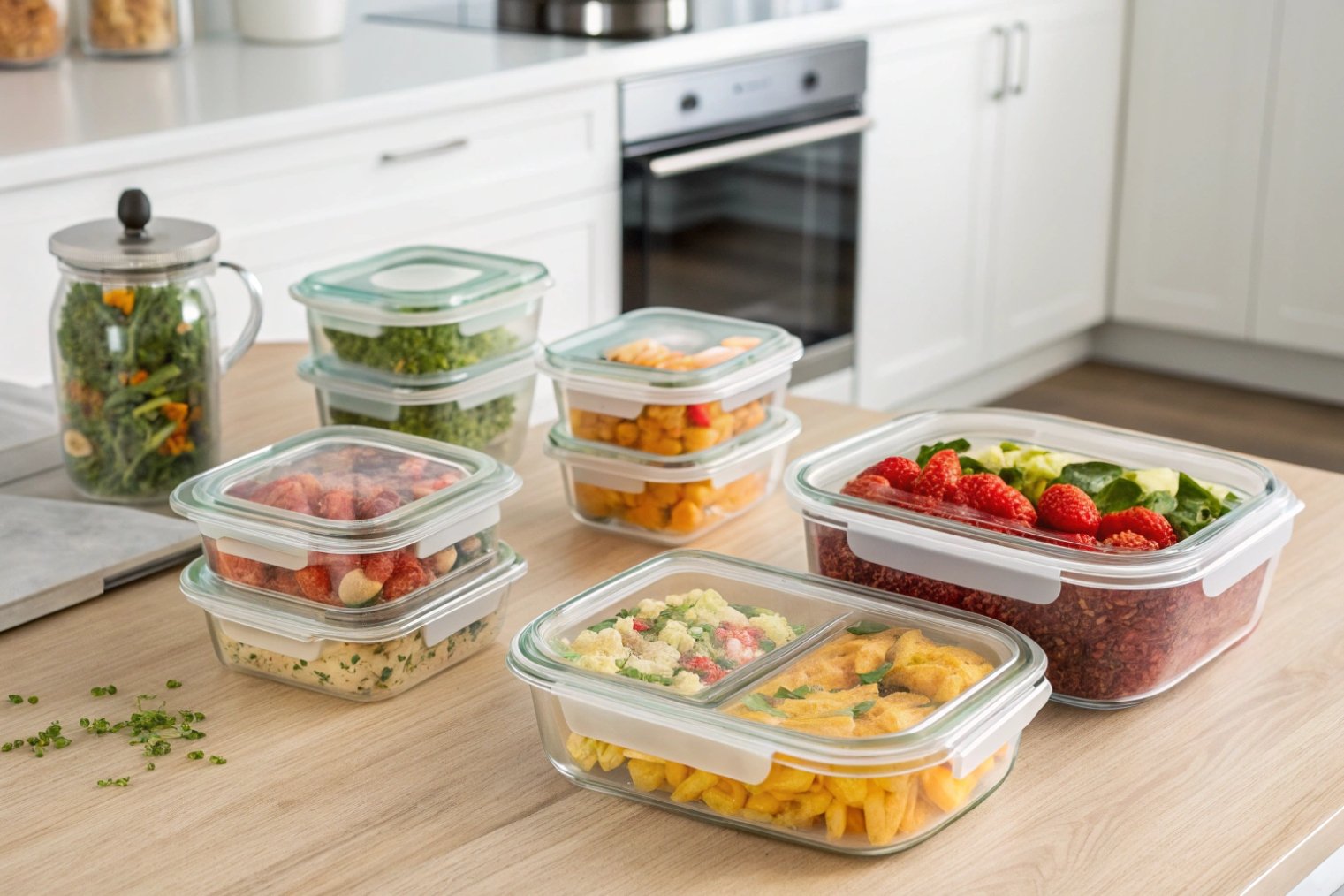
Every year more buyers move their food storage from plastic to glass, but not all glass is equal once acids, oils, and heat appear.
Borosilicate glass food containers combine strong chemical resistance, better thermal shock performance, lighter weight, high clarity, good everyday durability, and credible recyclability claims that speak directly to modern, eco-conscious and e-commerce customers.

When we design or source a new glass food line, these containers sit right at the crossroads of performance and branding. They protect tomato sauces and curries, survive reheating, photograph beautifully for online listings, and fit clean, plastic-free sustainability stories at the same time.
How does chemical resistance protect acidic or oily foods?
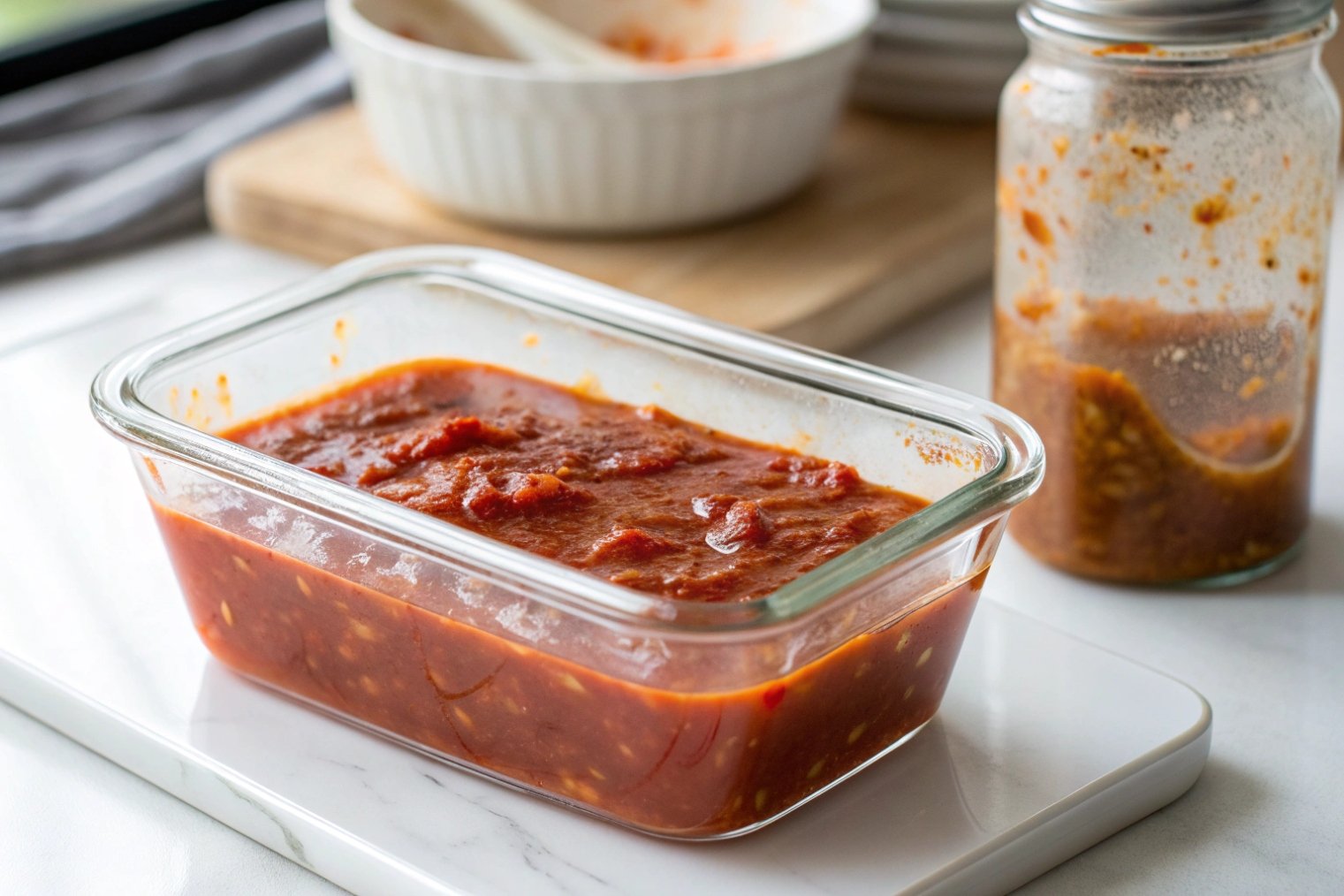
Tomato pasta, citrus dressings, kimchi, and hot chili oil are the stress test for every container wall and seal.
Because borosilicate glass is chemically inert and nonporous, it does not react with acids, salt, or oils, so food keeps its flavor, color, and safety even during long storage.
Why chemical resistance matters in real kitchens
Acidic foods slowly attack many materials. In cheaper soda-lime glass or metal-coated containers, this can show up as etching, clouding, or surface wear over time. Borosilicate glass used for demanding applications is commonly specified to the ISO 3585 borosilicate glass 3.3 standard 1, which is why its structure is tuned for chemical durability.
For food brands and home users, this creates three direct benefits:
- No taste shift. Tomato sauce stored for a week does not pick up a “metallic” or “soapy” off-note from the container.
- Stable color and texture. Strong spices, turmeric, and chili oils stay bright without staining or roughening the glass surface.
- Safer long-term storage. The glass does not break down and release components into high-acid or high-salt recipes over many cycles.
Comparing borosilicate and soda-lime behavior
| Property or result | Borosilicate glass | Soda-lime glass |
|---|---|---|
| Chemical degradation rate | Typically lower under harsh conditions | Typically higher surface attack over time |
| Resistance to kitchen acids / salt | Very high | Adequate for many uses, but more surface wear |
| Odor and stain resistance | Nonporous, resists odor and staining | Can slowly haze or stain with heavy use |
| Suitability for oily, spicy foods | Excellent, no reaction | Acceptable, but more long-term wear |
In daily use, this means a borosilicate container can hold kimchi or hot curry without permanent smell or orange haze. And because glass packaging is considered virtually inert 2, it’s easier to support “clean taste” positioning without complicated explanations.
For a supplier, stronger chemical resistance also helps with industrial washing and sanitizing. Containers can tolerate more aggressive detergents and higher temperatures without surface damage. That extends product life in restaurant, meal-kit, or refill-pack systems, which is another hidden selling point for B2B buyers who think in total cost of ownership, not only opening price.
What weight and clarity advantages matter for e-commerce logistics?
Online shoppers never touch the product before they buy, but they do care about shipping cost, shelf feel, and how it looks on the screen.
Borosilicate’s slightly lower density helps cut freight weight, while its high clarity makes food look brighter in photos and on the table, improving both logistics and conversion for e-commerce brands.
Lighter glass, smarter pallets
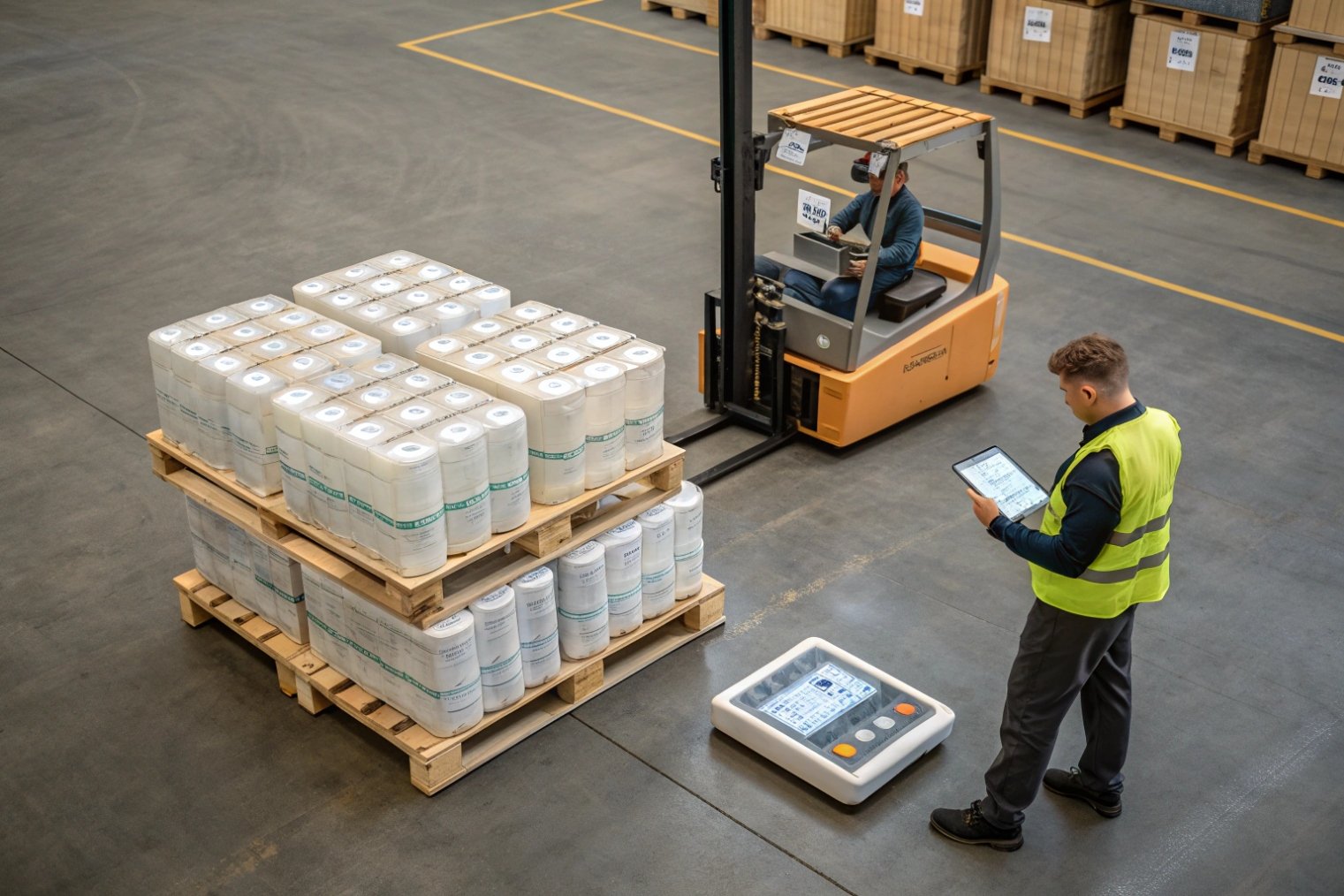
Borosilicate glass can run at a lower density than standard soda-lime glass. For example, technical sheets such as the BOROFLOAT® 33 technical data sheet (density 2.23 g/cm³) 3 show what “2.23” looks like in a widely used borosilicate grade, while soda-lime references like the GLASS 0100 soda-lime technical data sheet (density 2.50 g/cm³) 4 reflect the higher baseline in common glass families.
This difference may look small on paper, but it adds up over a container set and over a whole pallet:
- More units per pallet before hitting weight limits.
- Lower air-freight or express-parcel costs per set.
- Easier handling in 3PL warehouses and last-mile delivery.
For global B2B buyers, this also opens a pricing story: “premium performance glass without a big shipping penalty.” It becomes easier to justify moving from plastic or thin soda-lime to something more robust.
Why clarity sells online
On e-commerce platforms, the product photo is the first salesperson. Borosilicate glass has very good optical clarity. It stays clear even after many thermal cycles and industrial washes, so the real-life product continues to match the listing image.
Clarity brings several practical advantages:
| Advantage | Impact on e-commerce and brand image |
|---|---|
| Bright, true colors | Recipes and meal-prep layouts look more appetizing online |
| Clean edges | Containers match “minimalist kitchen” trends in photography |
| Less haze over time | Fewer complaints like “it looked clear in the photo” |
| Visible fill level | Helps customers imagine meal size and portioning |
Teams can shoot lifestyle photos where ingredients are the hero: fresh fruit, layered salads, or overnight oats. The glass becomes almost invisible, which supports a premium, healthy, plastic-free identity.
Unboxing and customer experience
Weight and clarity also shape the first unboxing moment. A borosilicate container still feels solid and “serious”, but not like a heavy baking dish. The user can stack three or four units in one hand. That balance between “light enough” and “not flimsy” is ideal for repeat daily use and also reduces the risk of drops during unpacking.
For export brands, combining lighter borosilicate bases with good corner protection and tight-fitting lids helps reach a sweet spot: safe enough for international shipping, premium enough for higher price points, and efficient enough for modern parcel networks.
How does durability compare with soda-lime in drop and stress tests?
Many people hear “borosilicate” and think it is almost unbreakable, but in practice we balance thermal, mechanical, and impact performance.
Borosilicate glass gives clear advantages in thermal shock and surface stability, while impact strength depends heavily on design; drop tests must compare real containers, not only raw glass types.
Thermal shock vs mechanical shock
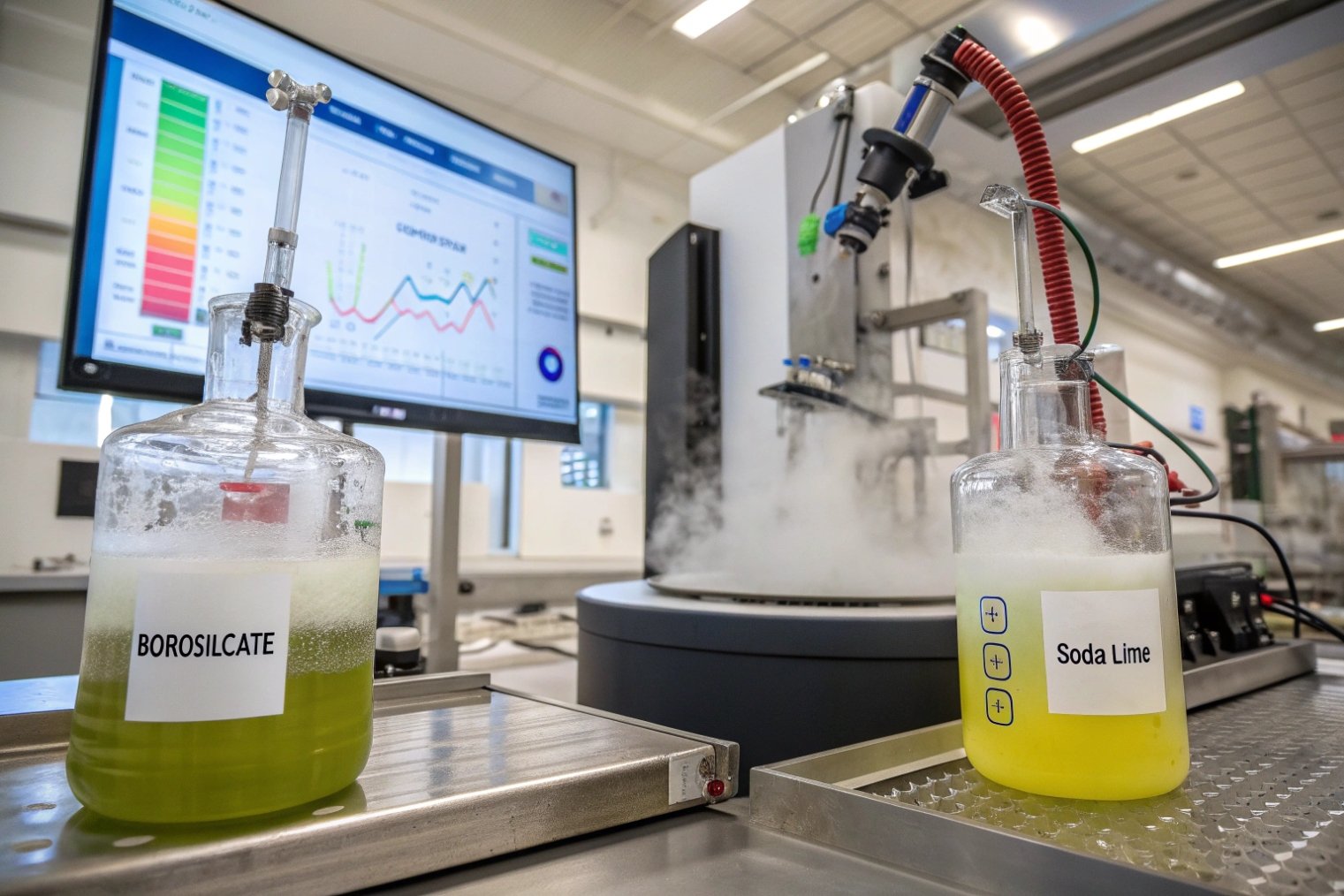
Borosilicate wins clearly on thermal shock because it expands and contracts less with heating and cooling, which reduces internal stresses. If you need a simple, non-lab explanation to share internally, this thermal shock cracking from rapid temperature change 5 lesson summarizes why borosilicate generally outperforms soda-lime when temperatures swing quickly.
For food containers, this translates into:
- Better survival when moving between freezer, fridge, and oven.
- Less risk of hairline cracks from frequent reheating.
- More stable rim geometry, which helps long-term lid fit.
In pure mechanical terms, both borosilicate and soda-lime are still glass. A direct floor drop from countertop height is risky for any container, especially when full and with hard inclusions like bones or ice.
Practical durability in lab-style tests
When we compare containers, we do not look at the raw glass only. We run full-product tests:
| Test type | Typical borosilicate result | Typical soda-lime result |
|---|---|---|
| Thermal shock (hot/cold cycles) | Higher pass rate at larger ΔT values | More failures at lower ΔT thresholds |
| Repeated oven / microwave use | Good integrity and shape retention | More risk of surface fatigue over time |
| Edge and rim stress | Strong, especially with rounded edge design | Adequate, but more micro-chipping over time |
| Drop test from bench height | Pass/fail depends on design and load | Pass/fail depends on design and load |
This is why design is so important. To get the best from borosilicate, we:
- Round inner and outer corners to avoid stress points.
- Keep wall thickness consistent, especially in the base.
- Use generous radii where handles or flanges connect.
- Match lids so clamping force is strong but not excessive.
Everyday durability for end users
From the customer’s point of view, durability is simple: “Does it chip, crack, or explode?” Borosilicate helps us say “no” more often, as long as users respect basic rules:
- Avoid direct flame, broilers, or stove tops.
- Do not place hot glass on cold, wet, or metal surfaces.
- Retire any piece with visible chips or cracks.
In the field, this combination of strong thermal performance, good chemical stability, and careful design often means fewer complaints about sudden breakage compared with cheaper glass lines, especially among heavy oven or microwave users.
Which recyclability claims resonate with eco-conscious buyers?
Eco-conscious buyers do not read full life-cycle assessments, but they respond strongly to a few clear ideas about glass and waste.
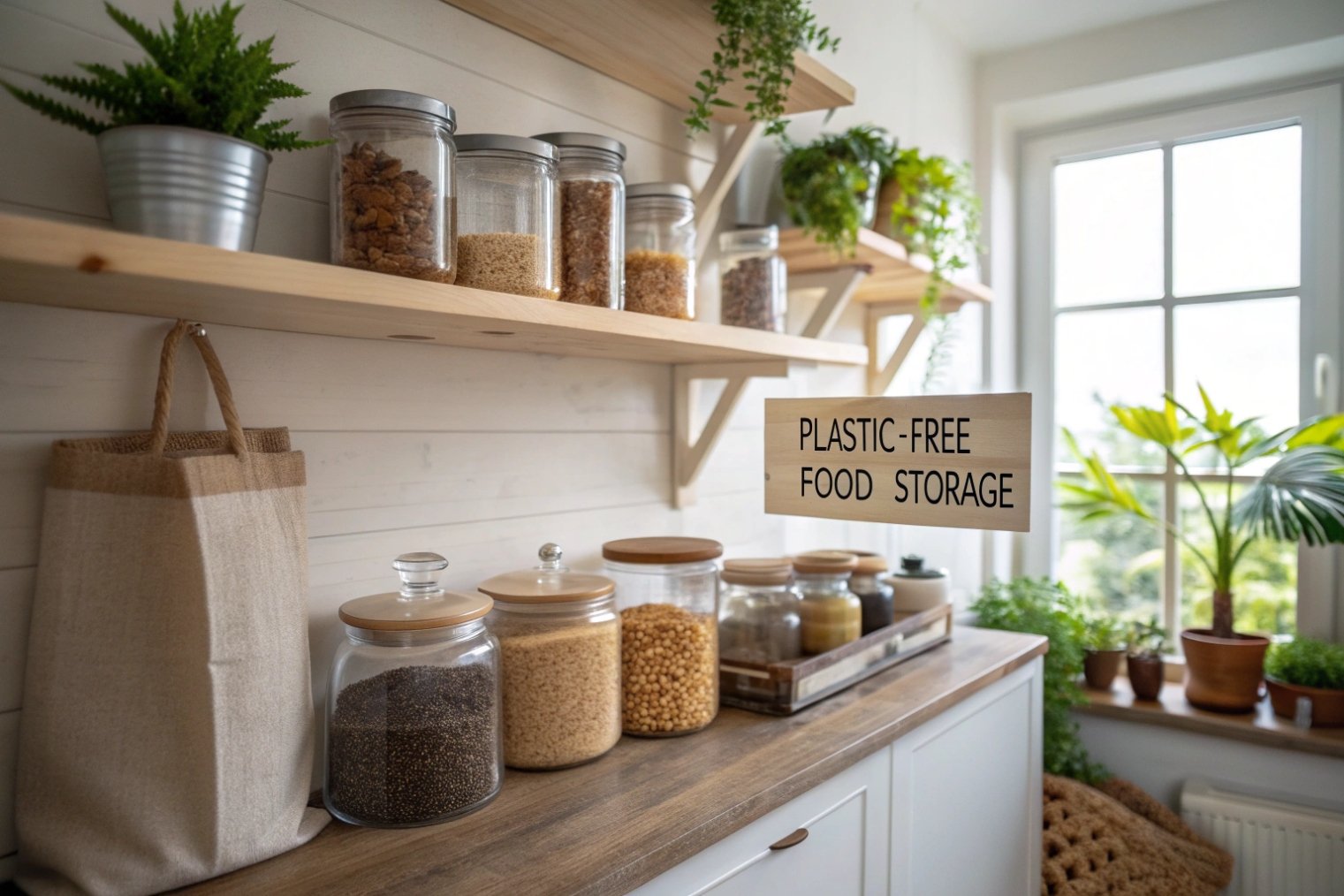
Claims that glass is endlessly recyclable, contains real recycled content, and helps avoid microplastics and disposable packaging connect best with sustainability-focused consumers.
What consumers already believe about glass
Many consumers rank glass as one of the most sustainable packaging materials. They see it as highly recyclable and ocean-friendly compared to plastic.
At the same time, concern about plastic particles is rising. Research on microplastics and nanoplastics released by microwaving plastic containers 6 pushes more buyers toward glass for hot food and leftovers.
We can build on these beliefs with honest, specific claims.
Recyclability and recycled-content messages that work
| Claim type | Example wording | Why it resonates |
|---|---|---|
| Infinite recyclability | “Glass can be recycled endlessly with no loss in quality 7” | Feels future-proof and long-term |
| High recycled content | “Made with 30% recycled glass (cullet)” | Shows real action, not only good intentions |
| Plastic-free food contact | “No plastic touches your food” | Links health and environment |
| Reduced microplastic exposure | “Prefer glass for heating and hot foods” | Direct answer to current consumer fears |
| Local recycling compatibility | “Recycle with household glass in most regions” | Makes correct disposal easy |
For borosilicate food containers, we also stress long service life. A container that lasts years of daily use beats a flimsy plastic box that cracks in one. Long life plus recyclability is a strong story for both waste reduction and value for money.
Connecting claims to design and operations
Recyclability claims must match real design choices:
- Use single-material glass bases with no non-removable coatings or mixed layers.
- Choose lid and gasket materials that are easy to separate at end of life.
- Offer refill or replacement lid programs so bases stay in service longer.
- Work with local recyclers to confirm that borosilicate pieces can enter the standard glass stream in each market, or give clear instructions if not.
For brands, explaining this on the product page and packaging builds trust with eco-conscious customers, who often check for greenwashing. Simple icons (recycling symbol, “plastic-free”, “BPA-free”) supported by a short sentence about recycled content or local recycling rules can make a real difference in online conversion and loyalty.
Conclusion
Borosilicate glass food containers protect strong-flavored foods, ship efficiently, survive heat and daily stress, and support clear, credible sustainability stories that both retailers and eco-conscious customers can stand behind.
Footnotes
-
Defines borosilicate glass 3.3 properties and chemical/thermal requirements used across suppliers. ↩ ↩
-
Explains why glass is impermeable, nonporous, and inert—useful for taste and safety claims. ↩ ↩
-
Datasheet values for borosilicate density and thermal properties used to justify logistics/heat performance claims. ↩ ↩
-
Soda-lime technical sheet for density and expansion—helpful when comparing weight and thermal limits. ↩ ↩
-
Simple overview of thermal shock and why borosilicate handles rapid temperature changes better than soda-lime. ↩ ↩
-
Study measuring micro/nanoplastic release from plastic food containers under microwave heating scenarios. ↩ ↩
-
Quick facts on glass recycling and “endlessly recyclable” messaging for sustainability-focused buyers. ↩ ↩






