
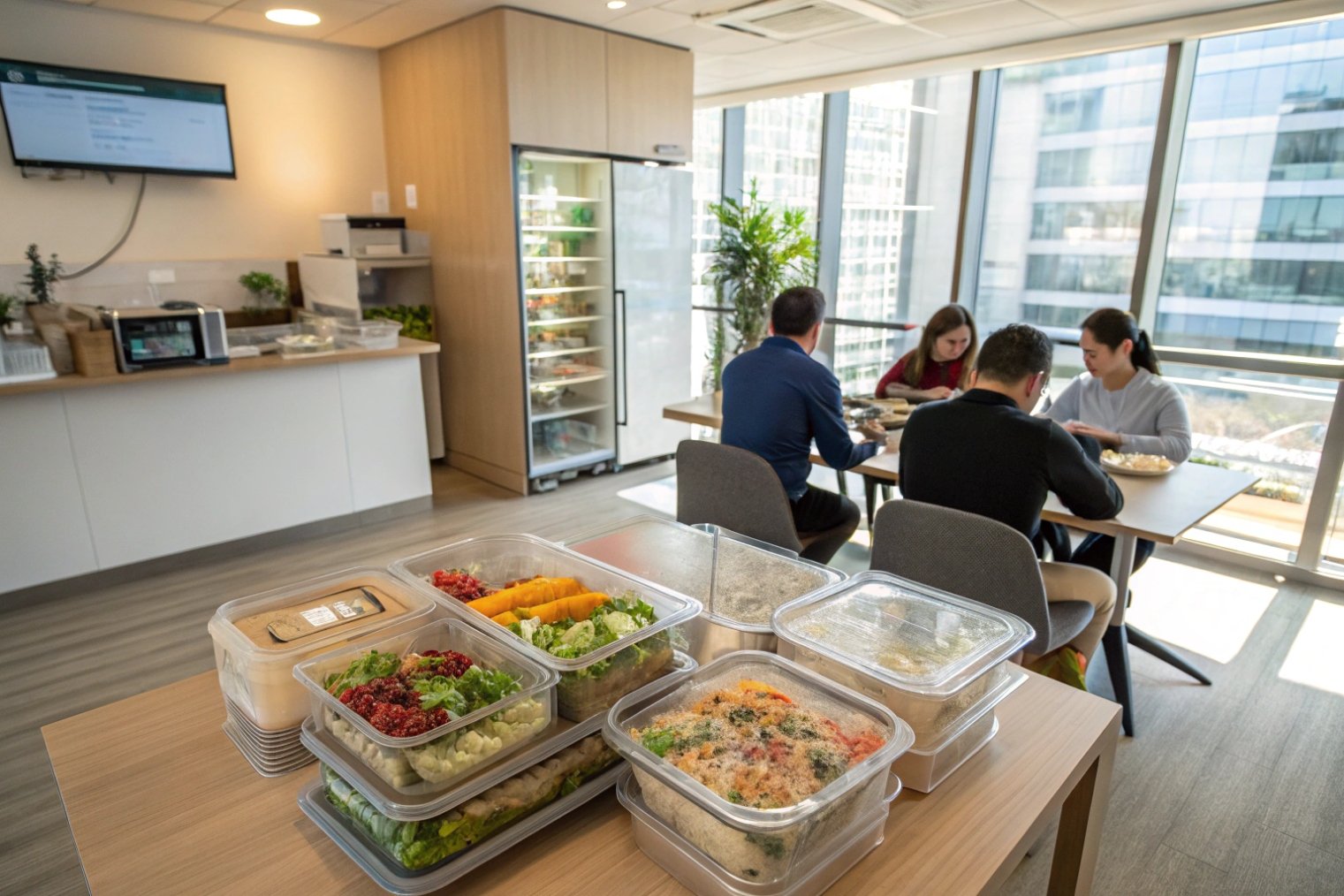
Plastic lunch boxes crack, stain, and start to smell, while food prices and health worries go up. No wonder more office workers are switching their daily lunch to glass.
Glass bento boxes win because they feel safer than plastic, keep flavors clean, look premium on the desk, and fit zero-waste, meal-prep and back-to-office habits better than almost any other lunchware.

Behind every “sold out” shelf of glass lunch boxes there is the same story. People want to cook once, store smart, reheat safely, and waste less food and packaging. Glass bento boxes sit right in the middle of these needs, so both consumers and retailers push them forward fast.
Do consumers prefer glass bento boxes for safety, taste neutrality, or sustainability?
Many shoppers say they buy glass “for health”, but what they really respond to is a mix of safety promises, neutral taste, and a story about waste reduction.
Safety and taste usually drive the first purchase, while sustainability helps justify a higher price and keeps people loyal to glass bento formats.
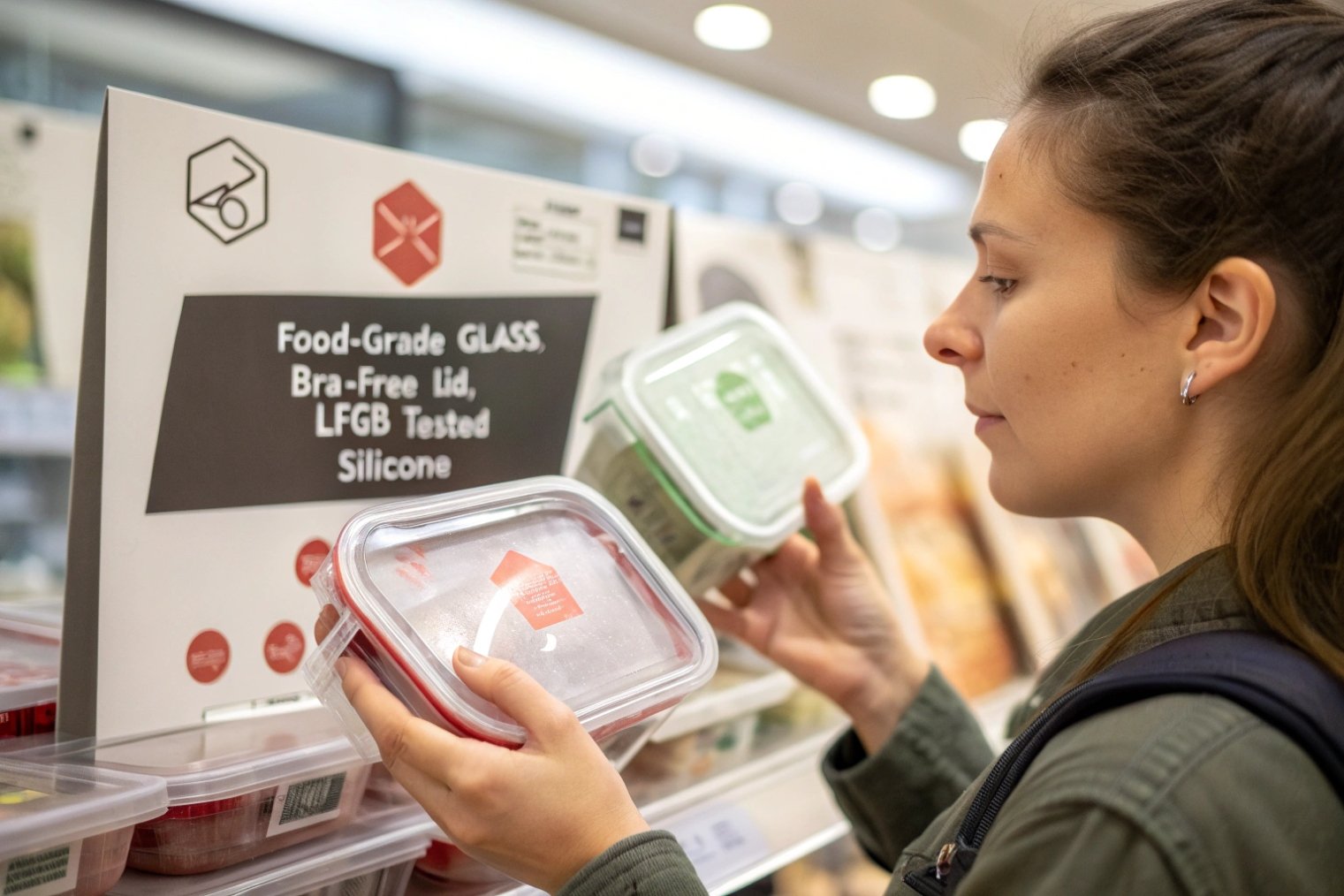
How shoppers rank the main reasons
| Main driver | What the consumer feels | Design and marketing focus |
|---|---|---|
| Health and safety | “No chemicals in my food when I reheat.” | Clear claims: BPA-free, lead-free, LFGB / FDA test |
| Taste neutrality | “My curry does not live in the box for a week.” | Emphasize nonporous glass, no odors, no stains |
| Sustainability | “I throw away less plastic and packaging.” | Recyclable glass, long life, recycled content |
For most buyers, “glass” is a shortcut word for “safe”. News about microplastics in drinking-water 1 and chemical migration pushes people to move away from plastic lunch boxes. They may not know each technical detail, but they remember that glass is inert, does not leach, and has no hidden additives in the base material. When a product page or a sleeve copy repeats this in very simple language, conversion is higher.
Taste comes next. Glass does not hold strong smells from garlic, kimchi, or spicy sauces. It does not get cloudy or orange after tomato pasta. This feels “clean”, both in the fridge and on the desk. When the bento has compartments, each flavor has its own space, but the neutral glass still lets the colors sell the meal.
Sustainability is now a strong third driver. Many surveys show that glass packaging stands out as a preferred option for people who want something fully recyclable and long-life. Consumers like the idea that one container can work for years, and then go back into the recycling stream, not into landfill or the ocean. For zero-waste or low-waste communities, photos of neat glass bento stacks almost work like a badge.
In real projects, safety, taste, and sustainability join together. A shopper may click “buy” because she wants to microwave leftovers without worry. Then she posts her tidy meal-prep fridge photo on Instagram and adds a caption about cutting single-use plastic. Good product copy and icon design help her tell that story in one glance. This is why the same glass base can serve many different brand positions, from clean-eating to eco-chic.
How do reusable trends and retail merchandising drive glass bento box sell-through?
Lunch habits changed after long periods of working from home, but food prices stayed high. People need to save money and eat better, while offices fill again.
Reusable culture, meal-prep routines, and smart in-store merchandising all push shoppers toward glass bento sets and help retailers sell higher-value lunchware faster.
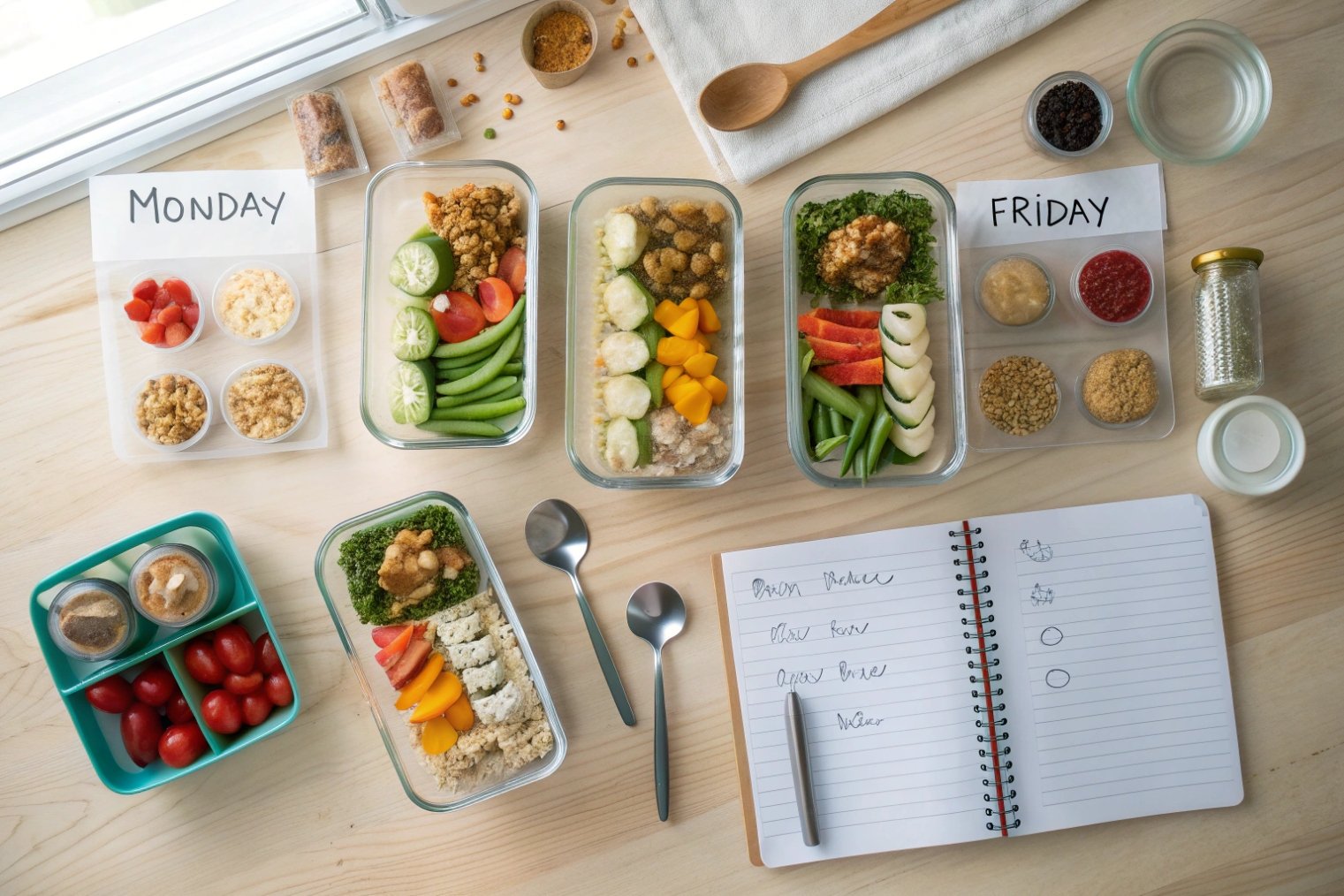
Why reusable culture favors glass bento boxes
| Trend or behavior | Consumer goal | Glass bento advantage |
|---|---|---|
| Meal prepping at home | Save money, control portions | Stackable sets, clear walls, compartments |
| Back-to-office lunches | Bring full meals, reheat at work | Oven / microwave safe bases, leakproof lids |
| Low-waste lifestyles | Cut disposables and single-use plastic | Long life, fully recyclable material, simple repairs |
| Food inflation and waste | Use leftovers, avoid throwing food away | Airtight, see-through storage extends shelf life |
Reusable trends do two important things. They normalize the idea of owning a “kit” of containers for the week. They also shift attention from unit price to cost per use. A plastic bento may be cheaper on day one, but people now expect warping, staining, and lid failure. A glass bento set feels like a one-time upgrade that will last for years, which makes a higher ticket easier to accept.
This also connects to food-waste behavior: planning meals, storing leftovers properly, and using what you already bought. Guides like preventing wasted food at home 2 map closely to why people love “cook once, eat all week” glass sets.
Market data on lunch boxes and bento formats shows steady growth, driven by health goals, portion control and convenience for office workers and students. Retailers follow this behavior and dedicate more shelf space to reusable sets that fit these patterns. A four- or five-piece glass bento tower that shows “Lunch for the Whole Week” on the packaging is much easier to sell than one single container on a lonely hook.
Merchandising also matters. When glass bentos sit near salad dressings, noodles, or snack packs, shoppers can picture complete meals inside each compartment. Cross-merch displays and aisle endcaps with “Meal Prep Station” style signage work well. Strong price promotions on big glass sets, especially during back-to-school or New Year health campaigns, pull people into the category and help them switch away from older plastic boxes.
For brands and wholesalers, three moves usually increase sell-through: offer mixed-size sets that stack neatly, design shelf-ready packaging that shows the glass clearly, and print simple icons for “oven safe”, “microwave safe”, “leakproof”, and “recyclable”. Retailers need products that explain themselves in two seconds in front of a busy customer. Clear glass, clean labels, and a visible silicone seal on the lid already do half of that job.
If a container looks dull on camera, even great performance will not go viral. The winning glass bento boxes are designed for both daily use and the phone screen.
Compartments, crystal-clear glass, secure clips, and vented lids create colorful, spill-proof lunches that photograph well and feel trustworthy, which helps posts and products spread across social media.
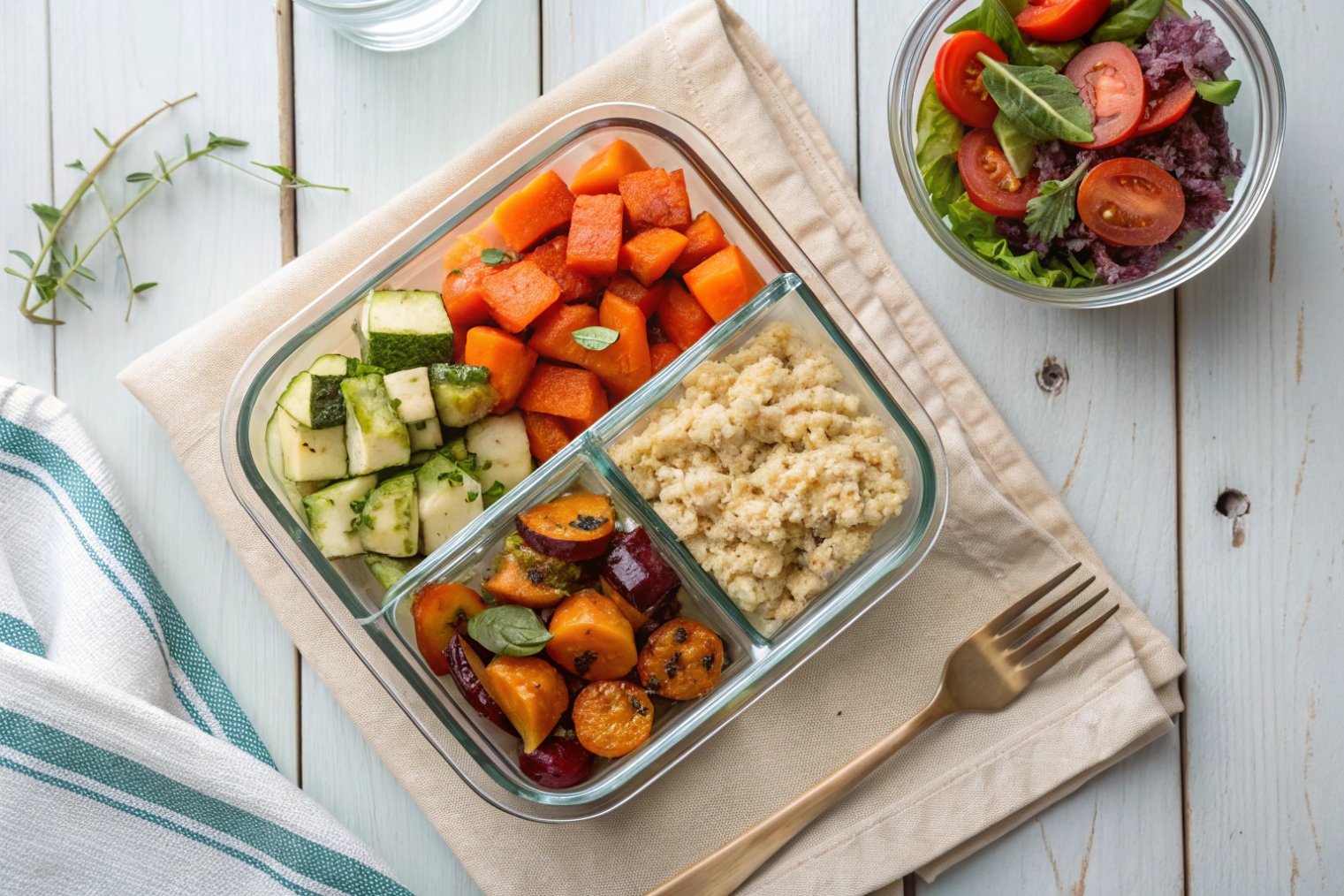
Features that create “thumb-stopping” bento content
| Feature | On-screen effect | Why users share it |
|---|---|---|
| Multi compartments | Neat color blocks and textures | Easy macro tracking, inspiring meal ideas |
| Vented, click-sound lids | Satisfying open / close moments | Feels leakproof and “engineered” |
| Thick, clear glass | Premium shine, sharp food details | Looks restaurant-quality, not like leftovers |
| Bamboo or colored lids | Warm, lifestyle look | Matches desk, bag, or kitchen aesthetic |
| Stackable, space-saving | “Fridge transformation” photos and videos | Signals organization and control |
Social platforms reward simple, visual stories. Meal-prep videos show five glass bentos in a row, each with clear compartments: protein, carbs, vegetables, sauces. The viewer sees a week of lunches sorted in thirty seconds. Compartments keep wet and dry foods apart, so crunchy toppings stay crisp by lunchtime. This improves the real eating experience and avoids let-downs after a pretty post.
Vented lids are another hero. A small silicone valve that lifts with a finger tap gives people a feeling of safety when microwaving. It also makes an audible click that creators love in ASMR-style content. When steam escapes through a visible vent, the video tells a simple story: “Hot food, no explosions, no warped plastic.”
Leak-proof performance shows up in “bag shake” tests, where creators flip or shake the box inside a backpack. For this, strong clip locks, wide silicone gaskets, and slightly raised rims on the glass base work together. Users also value lids that stay in shape after many dishwasher cycles. A warped plastic lid that no longer seals will get a negative review very fast.
From a design side, small details often make a big difference online. Volume markings on the glass help with portion control content. Rounded inner corners make cleaning easier and look softer on camera. Matching colors between lid, seal, and any cutlery inserts give a curated look that fits lifestyle feeds. When all this sits on top of neutral, high-clarity glass, the food becomes the star and the box becomes part of the user’s personal brand.
Which certifications and material claims influence glass bento box purchase decisions?
Most shoppers do not read full test reports, but they care deeply about simple safety and sustainability promises printed on the packaging.
Short, clear claims like “food-grade glass”, “BPA-free lid”, “LFGB-tested silicone”, “oven safe to 400°F” and “recycled glass content” build trust fast and help justify premium pricing.
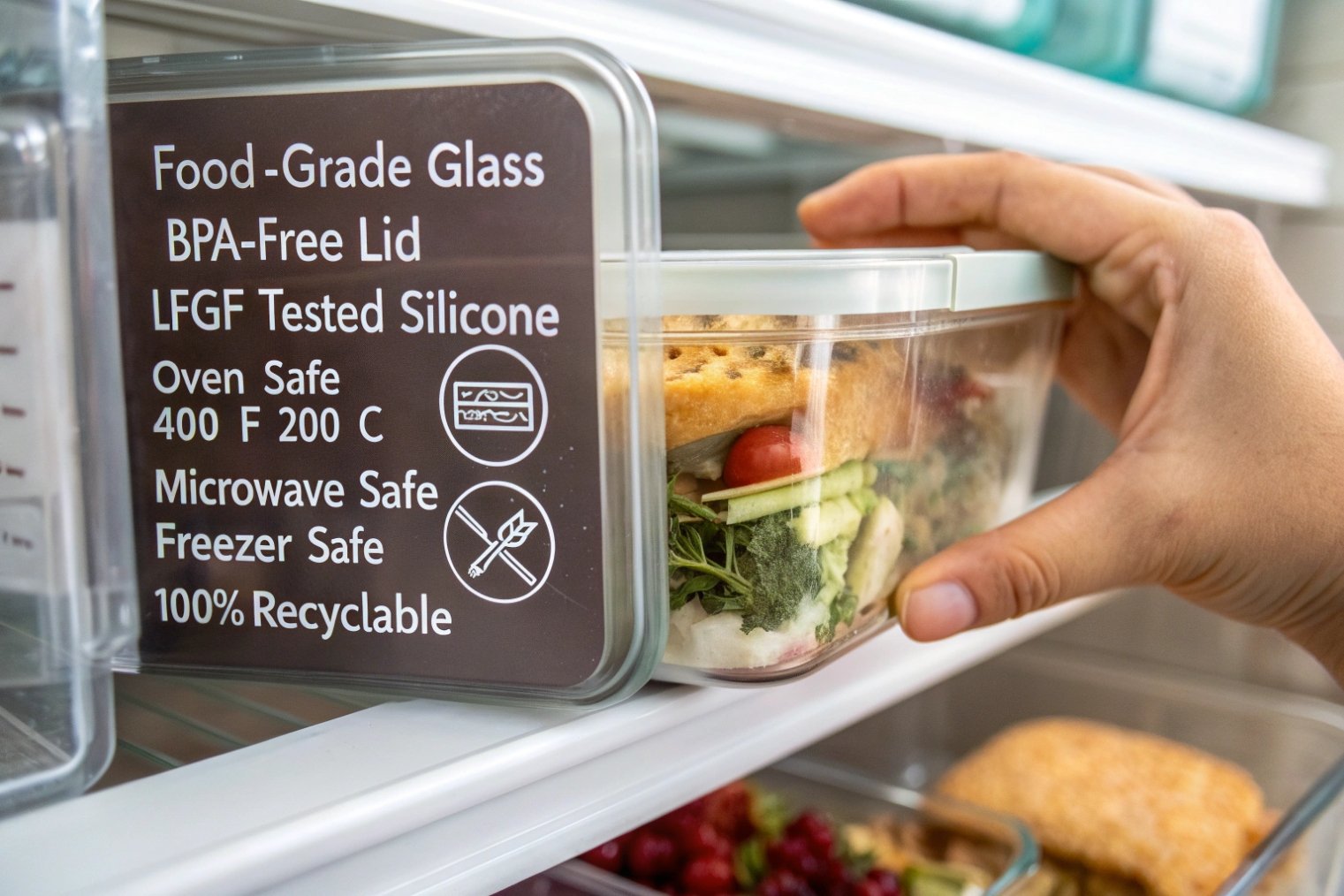
Claims that matter most on the box
| Claim or label | What the buyer understands | Typical technical basis |
|---|---|---|
| Food-grade / lead-free glass | No heavy metals in contact with food | Compliance with FDA / EU food-contact rules |
| BPA-free lid | No common plastic hormone disruptor | PP or Tritan lid material without BPA |
| LFGB / FDA tested silicone gasket | Safer, low-odor seal | Migration tests on silicone parts |
| Oven / microwave / freezer safe | One container for cook-store-reheat | Heat / cold shock and durability testing |
| Recyclable / recycled content | Lower waste footprint | Soda-lime glass with cullet percentage |
In food-contact products, trust is everything. Glass bases are usually made from soda-lime glass, which is inherently BPA-free and nonporous, but buyers still want to see words like “food-grade glass” and “lead and cadmium free”. Clear copy is stronger when it references widely recognized frameworks like EU food contact materials rules 3 and national laws such as LFGB (Food and Feed Code) 4.
Lids and gaskets demand extra care. Consumers know that “plastic can be risky when hot”, so they look for BPA-free and phthalate-free claims, and for silicone seals that are LFGB or FDA tested, not just “silicone-like”. If you mention BPA, linking to a plain-language reference like bisphenol A (BPA) 5 can reduce confusion and support the claim.
Sustainability claims also influence choice. Words like “infinitely recyclable glass” and “contains X% recycled glass” help shoppers pick glass over plastic when they want a lower-impact option—especially when backed by clear references such as recycled endlessly with no loss in quality 6.
From a buyer or brand side, there is a simple checklist that helps filter suppliers for glass bento projects:
- Check food-grade certifications for glass and all contact parts, such as FDA, LFGB, and related regional rules.
- Confirm real production capacity and lead times, so launch plans are safe.
- Ask about glass type and thermal shock resistance 7, especially for oven use or sudden temperature change.
- Look at customization options like embossing, frosting, spraying, labeling, and printed sleeves to keep brand identity strong.
- Review case studies or references from past clients in your category.
- Give extra weight to suppliers who use recycled glass or hold eco-certifications that match your brand story.
- Study the in-house quality system: leak tests, dimensional checks, visual inspection, and stress testing.
- Evaluate logistics support, from export-grade packaging to pallet plans and breakage-rate history.
- Test communication speed and clarity in early emails; this often predicts the whole project.
- Compare unit price not only on paper, but also with expected breakage rates, repeatability, and re-order stability.
When these points align, a glass bento program can scale from small online launches to full retail rollouts without losing trust. The right mix of material reality, honest claims, and simple icons meets what modern consumers already believe about glass: safe, clean, and made to last.
Conclusion
Glass bento boxes sit where health, taste, style, and sustainability meet, so they keep gaining space on shelves and screens as the natural upgrade from old plastic lunchware.
Footnotes
-
WHO assessment of microplastics in drinking-water, with current evidence and research gaps. ↩ ↩
-
Practical tips from EPA on reducing household food waste through planning, storage, and leftover use. ↩ ↩
-
EU guidance explaining general requirements for materials intended to come into contact with food. ↩ ↩
-
German government explanation of the LFGB framework law for national food safety. ↩ ↩
-
FDA overview of bisphenol A (BPA) use in food contact materials and safety updates. ↩ ↩
-
Facts on why glass is endlessly recyclable and how cullet reduces resource use and emissions. ↩ ↩
-
Primer on thermal shock—why rapid temperature changes crack materials and how glass composition affects resistance. ↩ ↩






