
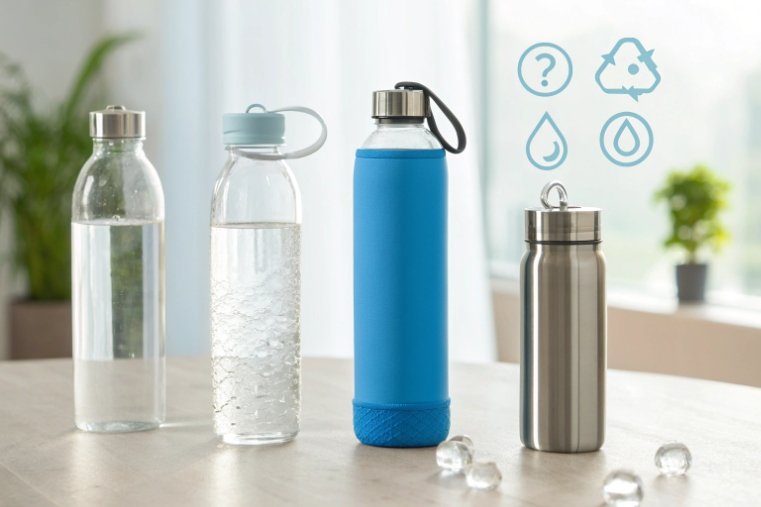
People often hear “glass is safer than plastic” and feel guilty about every PET bottle on their desk. The truth is more nuanced, especially when we talk about real daily use.
Glass bottles are chemically inert and great for taste, but “safer” depends on context: plastic can be low-risk when used correctly, while glass has its own risks from breakage and handling.
When we break the question into leaching, impact resistance, hygiene, and certifications, it becomes easier to choose the right material for home, office, gym, or travel scenarios.
Do glass bottles avoid chemical leaching risks found in some plastics?
Many people switch to glass because they worry about BPA, plasticizers, microplastics, or strange tastes in their water. This fear is not random; it comes from real questions about plastic chemistry and long-term exposure.
Glass does avoid the classic leaching concerns linked to some plastics 1. High-quality food-grade plastics can be very safe in normal use, but glass gives a simpler, more inert contact surface with a lower overall risk profile.
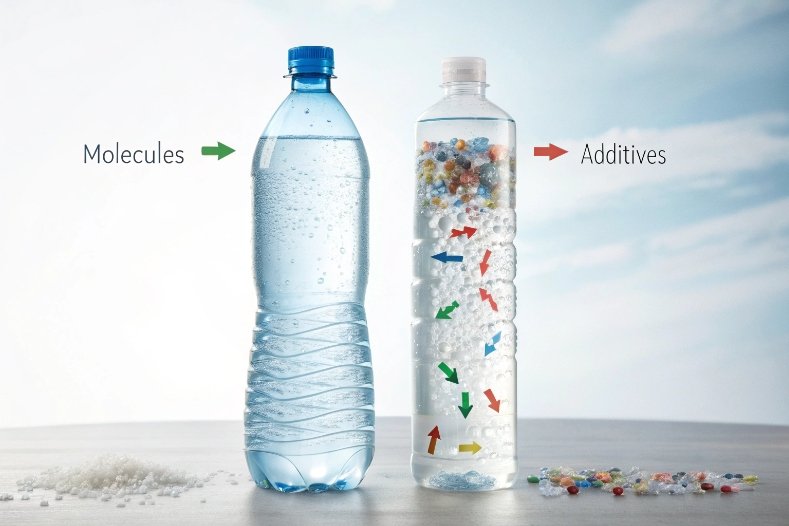
Why glass is basically inert with water
Glass is an amorphous network mainly based on silica with other oxides, and in packaging applications it behaves as a highly inert barrier compared with most plastics 2. In soda-lime and borosilicate glass, the network is tight and non-porous. Molecules from the product cannot diffuse in, and components of the glass cannot easily diffuse out. This gives two big advantages:
-
Chemical inertness:
- Resistant to water, acids, alcohols, many oils, and most organic solvents.
- Does not carry plasticizers or volatile monomers.
- Properly formulated glass has extremely low levels of heavy metals and controlled leaching.
-
True barrier:
- Glass is practically impermeable to oxygen, CO₂, and vapor.
- No flavor scalping, no aroma loss, no solvent loss, and no external odor uptake.
Borosilicate glass (for example Type I pharma glass) goes further. It has higher silica and boron content, lower alkali content, and shows even better resistance to leaching and pH changes. That is why it is used for injectables and sensitive biologics.
At the same time, glass tolerates high temperatures. It can go through hot-fill, pasteurization, retort processes, and, in pharma, steam sterilization and dry heat depyrogenation. These processes kill microbes and degrade pyrogens without damaging the container or releasing harmful substances, as long as the glass type is correctly chosen.
| Product Type | Typical Glass Choice | Key Safety Benefit |
|---|---|---|
| Carbonated drinks | Soda-lime beverage bottles | Strong, inert, gas-tight |
| Oils and essences | High-white or amber soda-lime | Aroma protection, light screening |
| Cosmetics serums | High-white, amber, or frosted | Low migration, premium appearance |
| Injectables | Type I borosilicate | Highest chemical durability, sterilizable |
| Syrups and elixirs | Type III / soda-lime | Good resistance, controlled leaching |
For most liquid products, glass offers the safest combination of low migration, strong barrier, and high processing temperature tolerance.
How do breakage and impact resistance compare for everyday and sports use?
Safety is not only about chemistry. A cracked or shattered glass bottle is its own hazard, especially around kids, pools, and gyms.
In pure impact terms, good plastic is usually safer than glass for sports and high-risk environments. Glass performs better in low-impact, controlled settings like home, office, or car cup holders (with the right design and sleeve).
What about plastic bottles?
Modern plastics for bottles are much better than older generations, but they are not identical to glass.
Single-use PET water bottles are designed for cold, short-term use 3. Migration levels are very low when used as intended. Problems grow if you:
- Reuse them for long periods.
- Expose them to high heat (hot cars, hot dishwashers).
- Combine them with oils or alcohols they were not designed for.
Reusable plastics (HDPE, PP, Tritan, etc.) can also be safe 4 when:
- They are food-grade and from reputable brands.
- You follow temperature limits and cleaning instructions.
- You replace them when scratched, cloudy, or damaged.
The big advantage of glass: the composition is simple and well understood. With plastics, there is always a long list of additives and processing aids behind the scenes. Most are likely safe at the levels present, but they are harder to fully track and explain to end users.
Microplastics vs glass
Plastic can slowly shed micro-fragments, especially with:
- Repeated squeezing and flexing.
- Abrasive cleaning or shaking with ice or sand-like particles.
- UV exposure from strong sunlight.
Those particles might end up in the water, and studies have documented microplastics in bottled drinking water 5. Glass does not create plastic particles, so it avoids this category of risk altogether.
| Factor | Glass Bottle | Plastic Bottle (good quality) |
|---|---|---|
| BPA / plasticizers | None | Generally none (BPA-free), but other additives |
| Microplastic shedding | None | Possible with wear and abrasion |
| Reaction with water | Essentially inert | Very low, but may increase with heat/time |
| Behavior with hot liquids | Good (especially borosilicate) | Only if rated for heat |
For customers who want maximum chemical peace of mind, a borosilicate or high-quality soda-lime glass bottle is a very strong answer.
How do breakage and impact resistance compare for everyday and sports use?
Everyday desk and home use
On a desk, kitchen counter, or bedside table:
- Glass provides stability, weight, and a premium feel.
- A silicone or TPU sleeve helps absorb small knocks and protects against chipping.
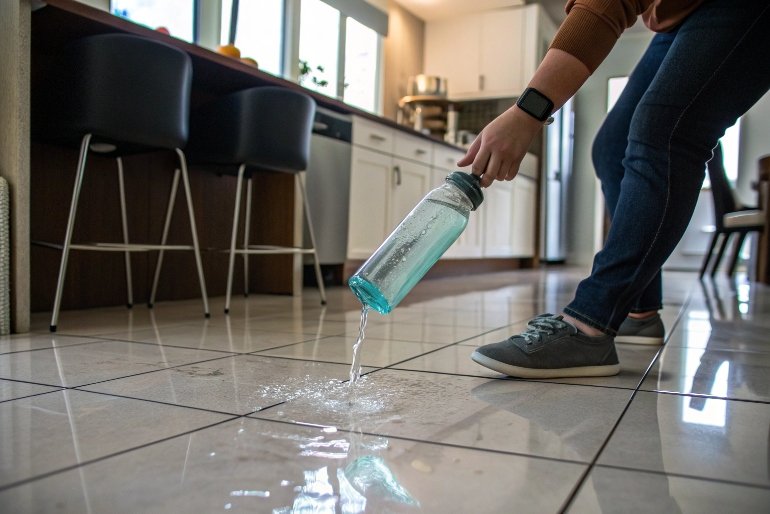
- The main risk is dropping from table height onto tile or concrete. Once it shatters, there is sharp glass plus spilled liquid.
For many adults in office or home settings, this risk is manageable. The comfort of glass, plus taste and chemical simplicity, outweighs the breakage risk.
Sports, travel, and high-impact environments
In gyms, hikes, or travel:
- Bottles get dropped from height, thrown into bags, hit on equipment, and squeezed inside backpacks.
- Here, traditional soda-lime glass is at a real disadvantage. Even thick glass can crack after a few hard knocks.
- Tempered or borosilicate bottles with strong sleeves survive better, but are still not on the same level as flexible plastics or stainless steel.
Plastic (or metal) is usually the safer choice around:
- Children and schools.
- Swimming pools and sports courts.
- Industrial or outdoor job sites.
Real-world comparison
| Scenario | Glass Bottle (sleeved) | Plastic Bottle (HDPE / Tritan) |
|---|---|---|
| Desk / office | Very good, low break risk | Very good |
| Kitchen / home | Good, but beware stone/tile floors | Very good |
| Gym / running | Higher break risk if dropped | Much safer for drops |
| Hiking / travel | Heavier, risk in rough terrain | Light, better impact resistance |
| Around kids / pool | Shatter risk | Generally safer |
So in impact safety, the answer flips: plastic and stainless steel bottles offer better mechanical safety in rough conditions, even if glass wins on chemistry.
What hygiene and odor-retention differences matter for repeat refills?
Refillable bottles only stay safe if they can be cleaned well and do not hold onto odors or flavors. Over weeks and months, hygiene often matters more than small differences in migration.
Glass tends to stay cleaner and more neutral in taste because its surface is hard, non-porous, and easy to scrub. Plastic can work well too, but scratches and long-term odor retention become the weak points.
Odor and flavor retention
Glass:
- Does not absorb aroma or color.
- Releases coffee, tea, juice, or flavored drink smells after a simple wash.
- Keeps water tasting “blank,” which many users prefer.
Plastic:
- Some plastics slowly pick up “memory” of strong flavors.
- Repeated use with coffee, tea, juice, or sports drinks can leave a residual smell.
- Even after washing, bottles may retain a slight sweetness, perfume, or detergent note.
For plain water, this matters less at first, but over months of daily use it becomes more obvious.
Biofilm and cleaning
Both materials can be hygienic if cleaned daily 6. The difference appears when bottles are neglected or exposed to abrasive cleaning:
- Plastic surfaces scratch more easily.
- Scratches give bacteria and biofilm more places to hide.
- Plastic can slowly become cloudy or pitted from repeated dishwashing or rough brushes.
Glass:
- Has a harder surface that resists scratching.
- Tolerates hotter wash cycles (especially borosilicate).
- Allows visual inspection: you can see inside clearly and notice any deposits.
The key for both is regular cleaning, complete drying, and replacing bottles that look damaged, scratched, or smell bad even after washing.
Practical hygiene tips
For glass bottles:
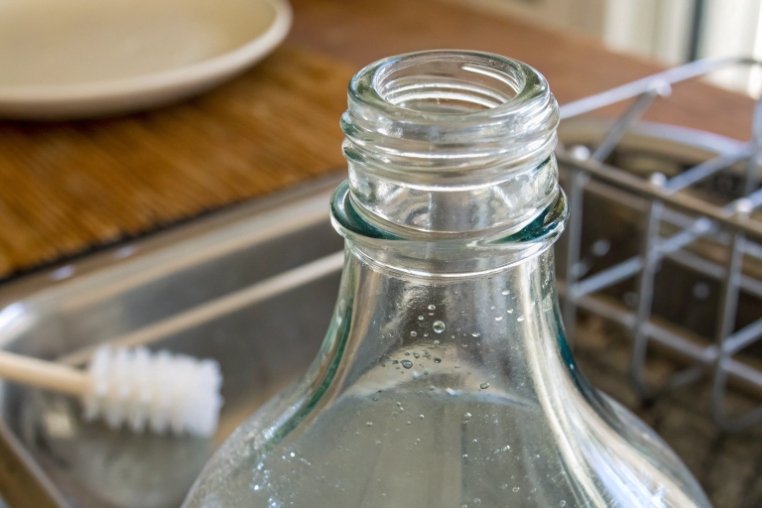
- Use a bottle brush to clean the bottom and neck.
- Check regularly for chips or cracks, especially at the rim.
- If dishwasher-safe, use it; high temperatures help kill microbes.
For plastic bottles:
- Follow temperature limits: avoid boiling or sanitizing cycles unless rated.
- Avoid very abrasive brushes or powders that create scratches.
- Replace the bottle when it becomes cloudy, scratched, or retains odors.
| Hygiene Factor | Glass Bottle | Plastic Bottle |
|---|---|---|
| Odor retention | Very low | Can build up over time |
| Scratch resistance | High | Lower, scratches harbor biofilm |
| Dishwasher tolerance | Good (check closure parts) | Only if rated, risk of warping |
| Visual inspection | Easy (clear glass) | Easy, but clouding hides interior |
For repeated refills at home or office, glass often gives a cleaner, fresher experience with less odor drama over time.
Which standards and certifications verify safety for food-contact packaging?
“BPA-free” labels are not enough. For both glass and plastic bottles, real safety comes from compliance with recognized food-contact rules and robust quality systems.
Food-contact safety for bottles is usually shown through FDA or EU compliance for food-contact materials 7, REACH/chemical declarations, and quality certifications like ISO 9001. For some products, there are also migration test reports and, for kids, specific child safety standards.
For glass bottles
A serious glass supplier can provide:
- Food-contact compliance declarations
Confirming that glass compositions and any coatings or decorations meet relevant food-contact regulations (for example US FDA, EU regulations). - Heavy metal and migration test reports
Showing that lead, cadmium, and other elements are below legal limits, especially for colored or decorated glass. - Quality system certificates
- ISO 9001 for general quality control and traceability.
- ISO 15378 for primary packaging for medicinal products, if bottles are for pharma.
- Process and inspection records
Camera inspection, dimensional checks, and routine pressure/thermal tests all support safe, consistent bottles.
For plastic bottles
Trusted plastic bottle suppliers will show:
- Material identification and food-grade status (PET, HDPE, PP, Tritan, etc.).
- Declarations that the resin and colorants comply with:
- FDA regulations on food-contact plastics.
- EU Framework Regulation for food-contact materials, plus specific regulations for plastics.
- Evidence of BPA-free or other “free-of” claims where relevant.
- Migration test reports using water and other food simulants under defined conditions.
For both materials, REACH and similar chemical declarations help prove there are no restricted substances above legal thresholds in the resin, pigments, coatings, or adhesives.
What a buyer should ask for
When comparing a glass and plastic bottle supplier, a simple checklist helps:
- Food-contact declarations (FDA / EU / local).
- REACH / RoHS or equivalent chemical safety statements.
- Migration and heavy-metal test results for the finished item.
- ISO 9001 (at least) and any extra industry certifications.
- Clear information on temperature limits, cleaning guidance, and intended use (cold only, hot allowed, etc.).
| Area | Glass Bottle Supplier Should Provide | Plastic Bottle Supplier Should Provide |
|---|---|---|
| Food-contact status | Glass + coatings compliant | Resin, colorant, and closure compliant |
| Migration tests | Metals and overall migration | Overall + specific migration (monomers, etc.) |
| Chemical declarations | REACH / RoHS / heavy metal limits | REACH / RoHS / BPA and other “-free” claims |
| Quality system | ISO 9001, often plus pharma-specific norms | ISO 9001 and, if relevant, extra standards |
Once these documents are in place, the “safety” question becomes more practical: in your specific use case, is chemical risk, impact risk, or hygiene the bigger threat?
Conclusion
Glass water bottles are excellent for taste and low chemical migration, while quality plastics win on impact safety—choosing “safer” depends on where and how the bottle will be used.
Footnotes
-
Review on chemical migration from different beverage packaging materials, including plastic and glass. ↩︎ ↩
-
Scientific article describing low migration and high inertness of glass bottles compared with PET packaging. ↩︎ ↩
-
Industry overview explaining PET bottled-water safety and long-standing regulatory approval for food contact. ↩︎ ↩
-
2024 study on chemical migration profiles from reusable plastic bottles made of several common polymers. ↩︎ ↩
-
NIH summary of research detecting large numbers of plastic particles in commercial bottled water. ↩︎ ↩
-
PET industry FAQ on safe reuse, cleaning, and hygiene practices for plastic beverage bottles. ↩︎ ↩
-
FDA consumer overview of how food-contact packaging materials are evaluated and regulated for safety. ↩︎ ↩






