
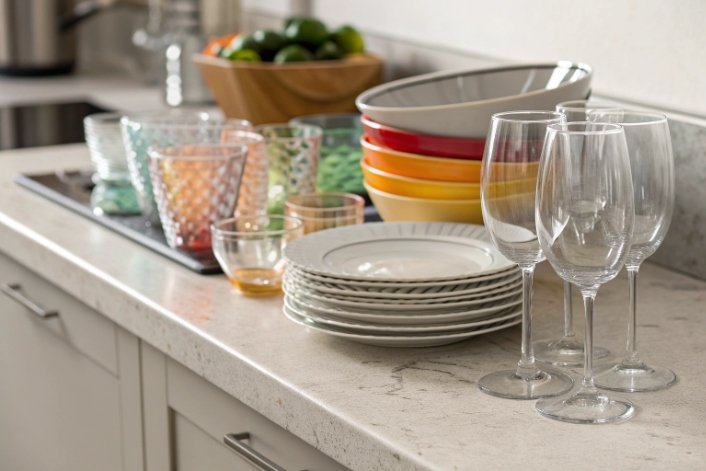
Glass tableware looks simple, but the choice you make here decides taste, safety, and how your brand or kitchen feels for the next ten years.
Glass tableware is non-porous, generally lead-free, and neutral with food, which makes it safe and hygienic, while its main trade-offs are weight, breakage risk, thermal-shock limits, and sometimes higher cost than plastic or metal.
If you only look at the word “glass”, all options seem similar. Once you compare it with plastic and metal, and then look at tempered vs non-tempered, you start to see very different stories around safety, brand image, and lifetime cost.
Why choose glass over plastic or metal for food contact?
Many kitchens start with plastic or metal because they feel safe and cheap. After a while, smells, stains, and taste changes begin to show the real cost.
Glass wins over plastic and metal because it is non-porous, does not leach or hold odors, stays neutral with acidic foods, and gives a clear, premium look on the table.
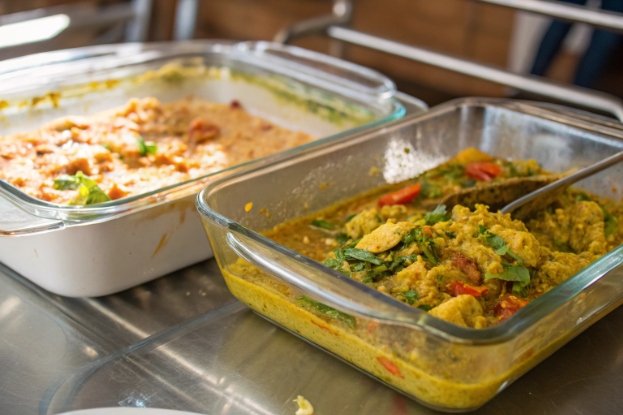
How glass behaves differently from plastic and metal
The big advantage of glass is that it is inert and non-porous. A smooth glass surface does not soak up oils, curry colors, tomato acid, or dish soap smells. When you clean it, residue really leaves. This matters for both home cooks and brands, because it reduces “off” tastes and old-odor complaints.
Compared with plastic, glass has several key strengths:
- It does not contain BPA 1, BPS, or plasticizers.
- It does not soften or warp at normal cooking and dishwashing temperatures when it is designed for that use.
- It does not pick up permanent stains from tomato sauce, turmeric, or coffee.
- It keeps a clear surface for years if cleaned correctly.
Plastic still has its place for ultra-light, low-cost, or “no breakage” contexts, but it always carries more questions about chemicals and long-term appearance.
Compared with metal, glass is neutral in taste and chemistry:
- It does not react with acidic foods like lemon, vinegar, or tomato.
- It does not add any metallic note to delicate dishes or drinks.
- It lets you see sauces, layers, and doneness through the side.
Metal has very strong roles in cookware and insulated containers, but for pure flavor and visual presentation, glass is more transparent in every sense.
For brands, glass also sends a clear message: clean, modern, and honest. People can see exactly what they are getting. This helps a lot with trust, especially for healthy, fresh, or “clean label” concepts.
What are the downsides—weight, breakage risk, and heat limits?
Glass is not magic. It can break, it is heavier than plastic, and it does not like sudden temperature shocks. If you ignore these limits, even the best glass will fail.
The main disadvantages of glass tableware are weight, breakage and chipping, risk of thermal shock, and the chance of dishwasher etching or cloudiness if you use harsh cycles or detergents.
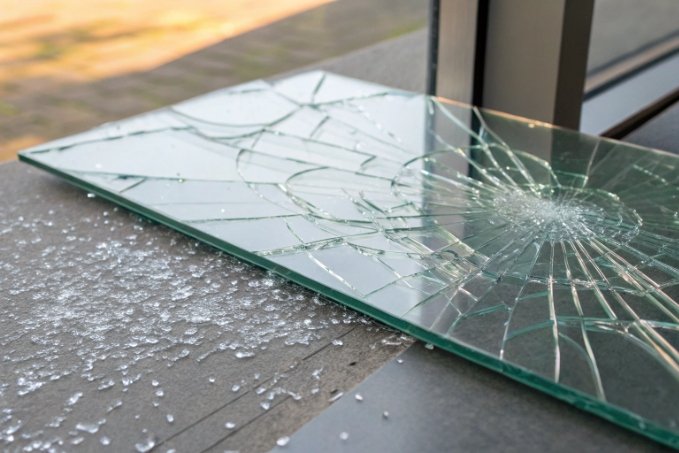
Understand the real trade-offs before you choose
Weight
Glass is heavier than plastic and usually heavier than thin metal. This has real effects:
- A full stack of glass plates is harder to carry.
- Shipping and logistics cost more per unit if you move large volumes.
- Kids, elderly users, or people with limited grip strength may find heavy pieces hard to handle.
You can reduce this problem by choosing lighter, thinner tempered 2 or laminated designs for everyday plates, while keeping thicker glass only for bakeware and serving pieces.
Breakage and chipping
Glass can chip or break when:
- It is dropped on a hard floor.
- Rims hit each other in the sink or dishwasher.
- Bowls are stacked with rough contact on the edges.
Tempered glass helps here (more on that later), but no glass is unbreakable. Good handling, soft shelf liners, and safe stacking habits reduce this risk a lot.
Thermal shock limits
Even heat-resistant glass has a limit to how fast it can change temperature. Common problem cases:
- Freezer-cold dish placed into a very hot oven.
- Hot glass set down on a wet or very cold surface.
- Very hot liquid poured into a chilled glass.
In these situations, stress concentrates at the surface, and a crack or sudden shatter can happen. Clear user instructions like “avoid sudden temperature changes” and simple illustrations on packaging go a long way.
Surface damage and etching
In dishwashers, glass can slowly turn cloudy from:
- Too much detergent.
- Very soft water plus high temperatures.
- Very long or harsh cycles, especially for thin glass.
This “etching” is not dirt; it is a permanent change to the surface. The solution is to:
- Use gentle cycles for fine glass.
- Adjust detergent dose.
- Use a rinse aid and follow the manufacturer’s care guide.
So the trade-off is honest: glass gives a clean, neutral, premium surface, but you pay attention with handling, temperature, and cleaning.
Is clear, lead-free glass better for brand presentation and hygiene?
When buyers and consumers hear “clear, lead-free glass”, they think “pure and safe”. This feeling is not only emotional; it is supported by how glass behaves.
Clear, lead-free glass is often the best choice for both brand image and hygiene, because it looks clean, does not hide dirt or cracks, and usually avoids heavy-metal concerns linked to some decorated or opal pieces.
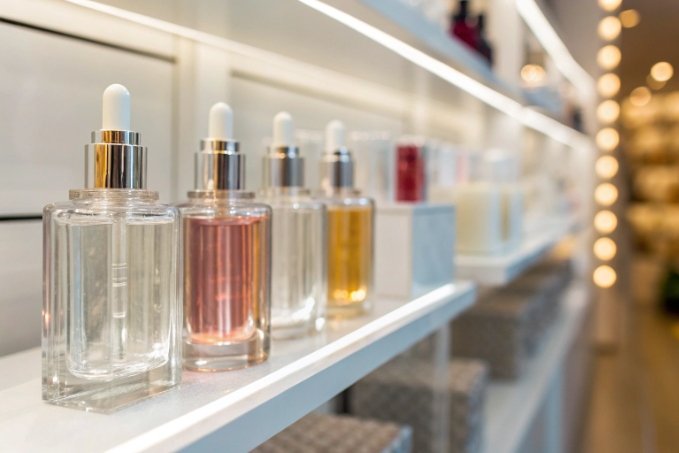
Why clear, undecorated glass sends the strongest signal
From a hygiene point of view, glass has two big advantages:
- It is non-porous, so bacteria and smells have fewer places to hide when you wash.
- Clear glass makes it easy to see whether something is truly clean or still has a film or food residue.
If a plate is still greasy or has marks, you can see it instantly against the light. For a brand, this transparency builds trust in the product and in the food served on it.
On the safety side, most modern soda-lime and borosilicate glass 3 tableware is formulated without intentional lead. Problems around lead and cadmium usually come from:
- Old or low-quality decorations.
- Heavy, colored glazes on the surface.
- Some opaque or opal finishes where pigments or frits are not well controlled.
By focusing on clear or very lightly tinted glass and by avoiding heavy metallic decorations on food-contact surfaces, you reduce these risks. If you do want decoration, it is safer to place it on the outside only, away from direct food contact, and to use inks and coatings that meet strict migration limits.
For brand presentation, clear glass has even more benefits:
- It lets the food become the star. Layers, sauces, and textures are visible.
- It works with every color palette on the table; you do not need to match patterns.
- It photographs well for menus, social media, and packaging.
In short, clear, lead-free glass is like a neutral stage. It shows that the brand is not hiding anything, and it keeps hygiene easy to check with one glance.
How do tempered and non-tempered options compare on durability and cost?
Two glass plates can look almost the same but behave very differently when dropped or put under stress. The difference often comes down to whether they are tempered or simply annealed (non-tempered).
Tempered glass tableware usually offers better impact resistance and safer break behavior at a slightly higher cost, while non-tempered glass can be cheaper and more flexible in shape and decoration but is easier to chip and break into sharp fragments.
What tempering really changes—and what it does not
Non-tempered glass (standard annealed)
This includes many classic soda-lime and borosilicate dishes that are cooled slowly after forming:
- Internal stress is low and uniform.
- When they break, they form larger shards with sharp edges.
- They can be shaped and decorated more freely.
- Cost per piece can be lower, especially for simple designs.
For bakeware, non-tempered borosilicate is often chosen because it handles thermal shock very well. For simple serving plates, annealed glass can be fine if the thickness and handling habits are reasonable.
Tempered glass
Tempering adds a controlled heat-and-cool treatment that builds compressive stress at the surface:
- It increases resistance to bending and impacts.
- It improves chip resistance at the rims.
- When failure occurs, the glass tends to crumble into many small, blunt fragments instead of big knives.
This behavior is very important in busy kitchens, restaurants, and homes with children. A sudden failure is never fun, but blunt crumbs are easier to clean up and less likely to cause serious cuts.
There are some trade-offs:
- Once tempered, the glass cannot be cut, drilled, or deeply ground; it must be shaped beforehand.
- Some types of decoration cannot go through the tempering process and must be added in careful ways.
- Tempering adds cost, but it also reduces breakage and replacement rates over time.
A quick comparison table:
| Aspect | Tempered glass | Non-tempered glass (annealed) |
|---|---|---|
| Impact resistance | Higher | Lower |
| Chip resistance | Better at rims and edges | More prone to small chips |
| Break pattern | Small, blunt fragments | Larger, sharp shards |
| Thermal shock | Good (but not as high as borosilicate bakeware) | Varies by glass type |
| Shape and decoration | Some limits after tempering | More flexibility |
| Cost per piece | Slightly higher | Often lower |
| Ideal uses | Everyday plates, bowls, drinkware | Bakeware (borosilicate), serving pieces |
For a home cooking range, a mixed strategy works very well:
- Tempered glass for everyday plates and bowls, where drops and knocks are common.
- Borosilicate (often non-tempered) for oven dishes and measuring jugs, where thermal shock is more important.
This way, you match the glass type to real risks in each part of the kitchen and keep total cost under control while still protecting end users.
Conclusion
Glass tableware gives safe, neutral, and beautiful contact with food, as long as you respect its weight, breakage risk, and thermal limits and choose between tempered and non-tempered options with your real use in mind.
Footnotes
-
Learn how BPA-free plastic ensures safety in everyday items and avoids potential health risks from chemicals. ↩
-
Understand the advantages of tempered glass in improving durability and resistance to impact. ↩
-
Learn about borosilicate glass and its thermal shock resistance, especially for cookware and laboratory equipment. ↩






