
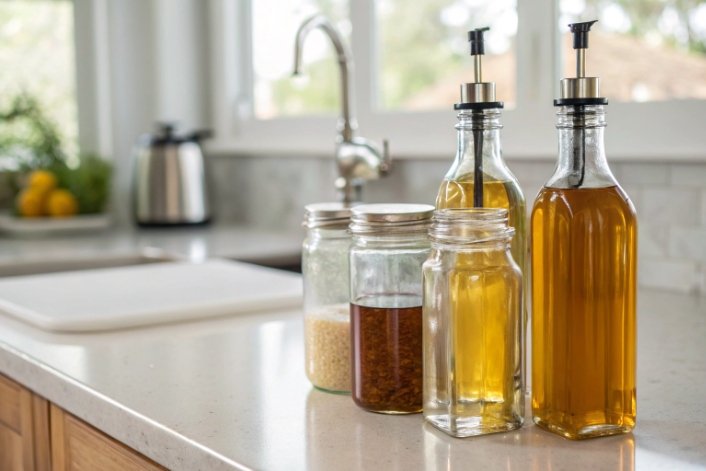
Choosing a kitchen glass bottle 1 looks simple, but a wrong size, neck, or closure can cause leaks, waste, and extra filling-line headaches.
To choose the right kitchen glass bottle, match capacity, neck finish, and closure to your product and process, then decide color, surface finish, and ordering terms (MOQ, lead time, decoration) according to your budget and brand.
In real projects, everything starts with use: what goes inside, how it is filled, and how it is used every day in a kitchen. From there, it becomes much easier to pick the right bottle type, glass material, closure, and commercial plan.
What capacity and neck finish fit my product and filling line?
It is very common to start by choosing a “nice shape” and then discover that it does not work on the filling line or on the shelf.
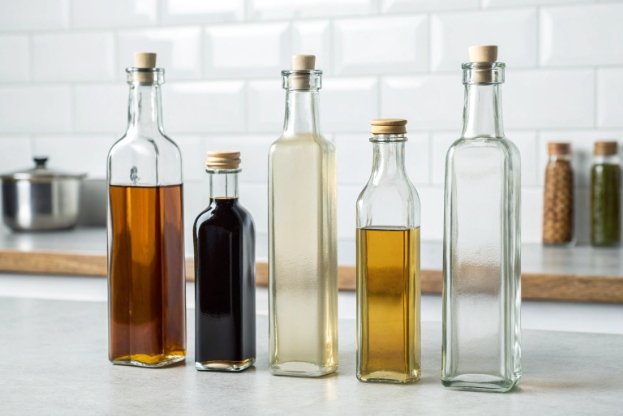
Pick bottle capacity based on product turnover and use pattern, then choose a neck finish that fits both your filling equipment and the product texture, from wide-mouth jars to narrow pour spouts.
Match capacity to product and turnover
Capacity is not only about how much the bottle can hold. It also affects freshness, weight, and shelf space.
- For light-sensitive or slow-moving products (premium oils, extracts, specialty vinegars), smaller volumes like 100–250 ml limit the time the product stays open. This protects flavor and reduces waste.
- For staples you refill often (everyday oil, soy sauce, basic condiments), 500–1000 ml makes sense. It reduces refill work and uses packaging more efficiently.
- For ferments or active cultures, leave enough headspace and consider sizes that match your batch recipes, so you do not overfill and cause overflow.
Material also plays a part. Soda-lime glass 2 is usually enough for room-temperature storage and normal washing. When a bottle will see frequent hot–cold cycles, borosilicate glass 3 is safer because it handles thermal shock better. For example, a lab-style cruet that goes from hot rinse to cold oil many times is a good candidate for borosilicate, while a pantry vinegar bottle is fine in soda-lime.
Choose neck finish by product, not only by look
Neck finish controls what closures you can use and how smooth the filling process feels.
-
Wide mouth (jars and containers)
Best for dry goods, chunky sauces, pickles, and ferments. Easy to fill by hand or with a scoop. Simple to clean with a brush. For industrial filling, check that your capping machines accept the chosen thread standard (for example, 63 mm or 82 mm twist). -
Narrow neck (bottles)
Best for pourable liquids like oils, soy sauce, syrups, and dressings. A narrower neck reduces spill risk and supports control inserts or drizzlers. The neck finish must match the closure: typical finishes use standard codes (like 28-400, 18/415, or ROPP for oil and wine). -
Special finishes for ferments and gases
For carbonated drinks or pressure from fermentation, choose a neck that works with crown caps, swing tops, or tested pressure closures. Normal twist-off caps for still products are not safe for high internal pressure.
A short overview can help when you compare options:
| Product type | Typical capacity | Recommended neck style | Notes |
|---|---|---|---|
| Everyday cooking oil | 250–750 ml | Narrow neck, oil pour finish | Option for drizzler insert |
| Premium flavored oil | 100–250 ml | Narrow neck, small finish | Smaller volume to protect quality |
| Vinegar and soy sauce | 250–500 ml | Narrow neck, screw or ROPP | Consider flow restrictor |
| Spices and dry goods | 80–500 ml | Wide mouth | Easy scoop and refill |
| Ferments (kimchi, kraut) | 500–1500 ml | Wide mouth, heavy glass | Needs gas escape system if sealed |
| Carbonated drinks | 200–750 ml | Crown / swing-top finish | Must be pressure-rated |
So capacity and neck are not cosmetic details. They decide if your product fills well, pours cleanly, stays stable on a shelf, and fits standard caps and machines.
Which closure—lug cap, pump, sprayer, or dropper—works best?
The best bottle will still fail if the closure leaks, clogs, or feels wrong in the hand. Closure choice also decides how the product comes out: a drizzle, a spray, a pump, or a drop.
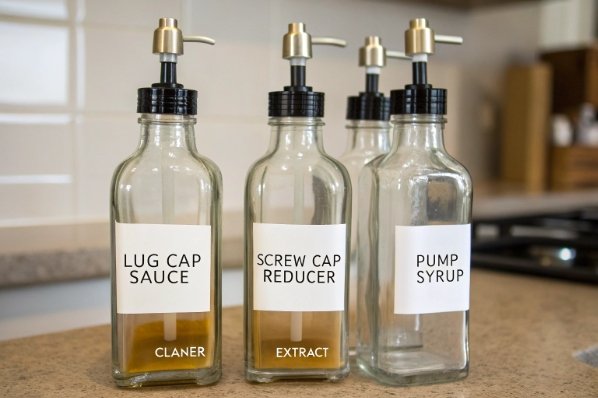
Choose the closure according to product viscosity, use pattern, and line equipment: lug or screw caps for general sealing, pourers for oils, pumps for soaps and syrups, sprayers for mists, and droppers for concentrates.
Match closure function to product behavior
Think first about what happens at the kitchen counter.
-
Lug or screw caps
Great for sauces, pickles, dry goods, and pantry staples. When paired with a good liner (often plastisol or a suitable foam / silicone), they give a reliable seal and work on fast capping machines. -
Oil pour spouts and drizzlers 4
Ideal for olive oil, salad dressings, and cooking wine. They give control and prevent big dumps of liquid into a pan. Some designs have flip-top dust covers for hygiene. -
Pumps
Used for dish soap, syrups, condiments, and some oils or dressings in foodservice. They give dose control and keep the product area clean. For food, make sure the pump is food-contact grade and easy to disassemble for cleaning. -
Sprayers / misters
Good for oil mists, vinegar sprays, cleaning products around the kitchen, and some room sprays. They need a fine dip tube and an actuator that resists clogging, especially with thicker liquids. -
Droppers and pipettes
Best for extracts, bitters, concentrated flavors, and nutraceutical products where dose accuracy in drops is important.
The liner matters as much as the cap body. Food-grade liners like plastisol, EPE foam, or silicone must be matched to the product’s acidity, oil content, and possible heat.
Check compatibility with neck finish and filling line
Closures and neck finishes form a system. If the threads or sealing surfaces do not match, even a good cap will fail. Also, your filling line has limits on height, torque, and closure style.
Some quick checks:
-
Neck finish code
For example, 28-400, 28-410, 24-410, ROPP 31.5, or twist-off 63 mm. Make sure the cap supplier uses the same standard. -
Closure height and shape
High pumps and sprayers may not pass under standard capping heads or case packers. Short lug caps run faster on simple mechanical cappers. -
Torque and seal tests
After filling, run leak tests and transport simulations. Check caps do not strip or loosen under vibration. -
Special needs
Fermentation requires airlocks, grommets, or water-seal lids to let gas out without letting oxygen and dust in. Carbonated products require closures rated for internal pressure, such as crown caps or specific swing tops with strong gaskets.
Here is a simple matrix to think through:
| Product | Best closure type | Key liner / feature |
|---|---|---|
| Oil and vinegar | Screw cap + reducer, or pourer | Oil-resistant liner, no drip |
| Thick sauces | Flip-top or pump | Large orifice, easy clean |
| Cleaning sprays | Trigger sprayer | Chemical-resistant plastic |
| Extracts / bitters | Glass dropper | Tight seal, controlled dosing |
| Fermented drinks | Crown or swing top | Pressure and gas management |
Once closure and bottle finish are defined together, filling and daily use become much smoother and safer.
Should I pick clear, amber, frosted, or electroplated glass?
Color and surface finish decide how your product looks and how well it is protected from light. The same oil tastes different after months under bright light in a clear bottle compared with a dark one.
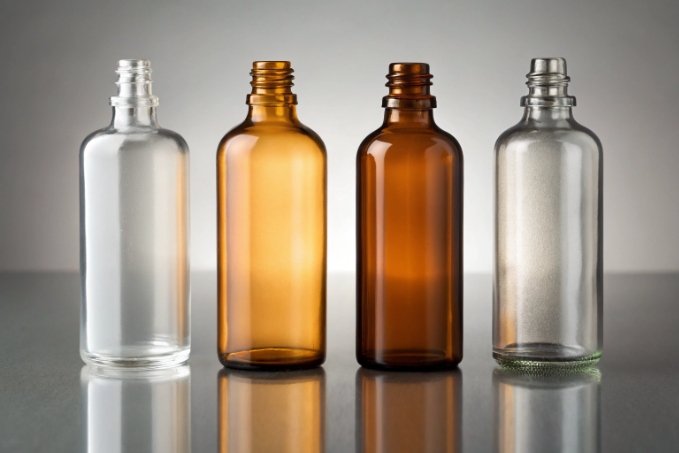
Choose bottle color and finish based on light sensitivity, branding, and cleaning: clear for visibility in dark storage, amber or green for light-sensitive products, frosted or electroplated for premium looks with careful handling.
Color as a protection tool
Light, especially UV, can damage oils, vitamins, and natural colors.
-
Clear flint glass
Good when you store products in the dark or when visibility is part of the user experience. It helps consumers see fill level, texture, and quality. Best for dry goods, syrups, and products with lower light sensitivity. -
Amber and dark green glass 5
These absorb much more UV and visible light. They are classic for beer, olive oil, and light-sensitive extracts. If the product has natural pigments or delicate flavors, amber is often the safest choice. -
Opal or milk glass
Fully or partly opaque. Works well for strongly light-sensitive sauces, dressings, and nutraceutical liquids. It also creates a very distinctive shelf look.
Your usage pattern also matters. If the bottle sits near a sunny window every day, prefer darker glass. If it stays inside a cabinet most of the time, clear can be fine and more convenient.
Surface finishes and their trade-offs
Surface treatments change both aesthetics and real-world behavior.
-
Frosted glass (acid-etched or sprayed)
Gives a soft, matte look and better grip. It hides fingerprints and minor scratches. However, inside etching must be avoided for food-contact surfaces, and the outside surface may hold more dirt if the texture is very rough. -
Electroplated or metallized glass
Creates mirror or metallic effects. These bottles look premium and stand out. At the same time, external coatings can scratch or chip if they are not well protected during shipping and washing. They usually need gentle cleaning, often by hand. -
Colored spray coatings
Let you use one base bottle in clear glass and then apply many colors. This can add light protection and branding without changing the mold.
Below is a quick guide:
| Option | Best for | Key advantages | Key cautions |
|---|---|---|---|
| Clear flint | Spices, syrups, pantry products | Product visibility, simple branding | Less light protection |
| Amber / green | Oils, extracts, light-sensitive | UV protection, classic look | Product less visible to consumer |
| Frosted | Premium pantry, gifts | Tactile feel, hides fingerprints | Check cleaning method and durability |
| Electroplated | High-end or gift products | Strong shelf impact | Sensitive to scratches and chipping |
Color and finish should support both the product’s technical needs and your brand story. A minimal brand can use clear or lightly tinted glass with simple print. A bold brand can mix deep color and strong coating, but must then plan for extra care in packaging and washing.
How do MOQ, lead time, and decoration options affect total cost?
A bottle design can look perfect on a screen and in a hand sample, but order conditions will decide if the project is realistic at your scale.
Total cost depends not just on the unit price, but also on minimum order quantity, mold and setup charges, decoration steps, and the time you must lock in cash before the goods arrive.

Understand MOQ and lead time by project type
Order conditions change a lot between stock bottles and full custom designs.
-
Stock bottles (standard molds) 6
Often have low or moderate MOQ, sometimes from a few thousand pieces per size. Lead time is mainly glass production plus transport. These are ideal when you test a new product or have many SKUs with moderate volume. -
Custom molds (your own shape)
Need mold investment and higher MOQ to spread the tooling and setup cost. Furnace and line time must be scheduled, so lead times are longer. Customization makes more sense when you have stable demand and want a unique shape. -
Decorated bottles (printing, coating, labeling)
Add steps after forming. Screen printing, hot stamping, frosting, or electroplating all have setup costs. These usually require a minimum quantity per design and color.
A simple rule: the more unique and complex the bottle and decoration, the higher the MOQ and the longer the total lead time from idea to delivered goods.
How decoration and options change the real unit cost
When comparing offers, do not stop at the “bottle price.” Include every part of the system:
-
Bare bottle price
Changes with glass color, weight, and shape complexity. Lightweight designs save material but need good geometry to keep strength. -
Closure and accessory cost
Lug cap, pourer, pump, sprayer, or dropper each has its own price levels and MOQs. Matching colors and finishes (for example, black pump with amber glass) may cost more than standard combinations. -
Decoration cost
Every pass of printing or coating adds cost. A one-color print is cheaper than four colors and metallic foil. Full-wrap frosting is more expensive than a simple logo print. -
Logistics and storage
Heavier bottles cost more to ship. High MOQs require more warehouse space. Breakage and handling loss also matter, especially for fragile coatings.
Here is a sample comparison:
| Option | MOQ (example) | Lead time impact | Unit cost impact | Best use case |
|---|---|---|---|---|
| Stock clear bottle + plain cap | Low–medium | Short | Lowest | New product test, many small SKUs |
| Stock amber bottle + printed label | Low–medium | Short–medium | Low–medium (label cost) | Light-sensitive products, flexible design |
| Custom mold, no decoration | High | Medium–long | Medium (mold + setup) | Signature shape, stable high volume |
| Custom mold + frosting + print | High | Long | Highest | Flagship line, premium gift packs |
For planning, it helps to calculate cost per filled unit, including product, packaging, labor, and logistics. Sometimes a slightly more expensive decorated bottle is worth it if it supports a higher retail price or a stronger brand story. In other cases, a clean stock bottle with a smart label gives the best balance between flexibility and total cost.
Conclusion
The right kitchen glass bottle is a system decision: product, process, closure, color, and business terms all need to line up so the bottle works in the factory, in the kitchen, and on your balance sheet.
Footnotes
-
Basic overview of glass bottles, types, and typical uses in food and beverage packaging. ↩︎ ↩
-
Explanation of soda-lime glass composition, properties, and common applications in container manufacturing. ↩︎ ↩
-
Overview of borosilicate glass and why it offers higher thermal-shock resistance than standard soda-lime glass. ↩︎ ↩
-
Background on oil cruets, pour spouts, and how their design controls kitchen pouring. ↩︎ ↩
-
Reference on colored glass, including amber and green compositions and their light-protection benefits. ↩︎ ↩
-
Supplier overview of stock glass bottles, closures, and small-MOQ packaging programs. ↩︎ ↩






