
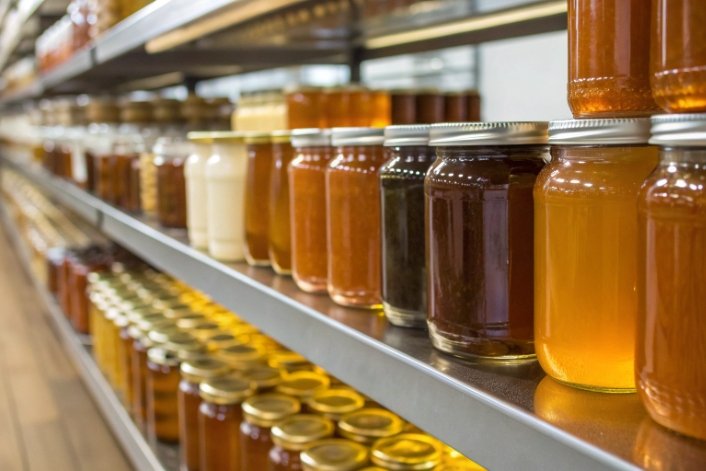
Honey is delicate. Heat, air, light, and moisture can spoil its taste and texture fast.
Glass is non-reactive and tight 1. It protects honey’s flavor, aroma, enzymes, and color better than most plastics or metals. With amber glass and airtight lids, honey lasts longer, tastes cleaner, and looks premium to buyers.
Let’s answer the key questions one by one. I will explain how glass works, which color helps most, what lids matter, and why glass supports a strong, eco-friendly brand story.
Does glass keep honey’s flavor and enzymes better than plastic?
Flavor fades when air and moisture get in. Enzymes break down with heat and light. Poor packaging speeds both problems.
Yes. Glass is chemically inert and nonporous 2. It resists oxygen and water ingress better than higher-OTR plastics, so aroma and enzymes last longer during storage.
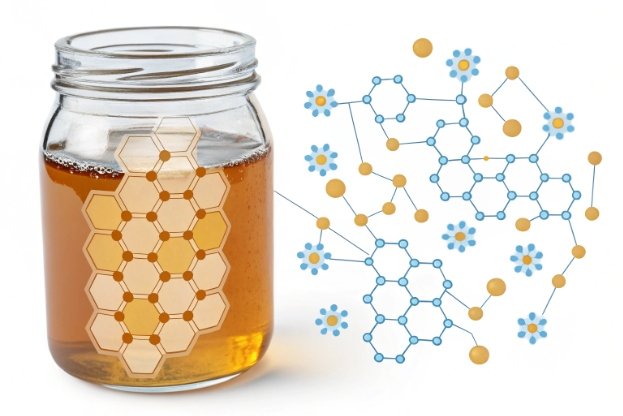
Why honey needs a stable, neutral container
Honey is naturally acidic. Its pH often sits between 3.5 and 4.5 3. Acids can attack reactive metals over time. Some plastics contain additives, slip agents, or unreacted monomers. These can leach under heat or long storage. Glass is different. Soda-lime or borosilicate glass is chemically inert in normal food-use conditions. It does not react with organic acids in honey. It does not hold odors. It does not pass on taste. So the original flavor profile stays clean.
Barrier matters for aroma and enzyme retention
Honey’s floral notes depend on volatile compounds. These compounds leave slowly if oxygen can pass through the wall. Plastics have an oxygen transmission rate (OTR). Some are low; some are high. Over months, even low-OTR plastics allow more oxygen exchange than solid glass. Glass has a near-zero OTR at typical thickness. This helps keep oxidation slow. Enzymes like diastase and glucose oxidase are also sensitive to oxidation and heat. Lower oxygen exposure and stable storage temperature help them stay active longer.
Thermal tolerance helps gentle re-liquefying
Crystallization is normal. Many brands warm jars gently to return honey to a liquid state. Glass handles warm-water baths well when heated slowly and evenly. It keeps shape. It resists warping. This makes small-batch rework safer and more repeatable than with softer plastics.
Transparency supports quality control
Glass lets users see purity, bubbles, or early fermentation signs without opening. This visual check reduces unnecessary handling. Less handling means less air exchange. Fewer open-close cycles support a longer shelf life.
Quick comparison table
| Property | Glass Jar | Typical Food-Grade Plastic Bottle |
|---|---|---|
| Chemical reactivity | Inert with honey acids | May leach additives under stress |
| Aroma retention | Excellent | Good to fair (varies by resin) |
| OTR (oxygen ingress) | ~0 through wall | Low to moderate, resin-dependent |
| Heat tolerance | High, stable | Lower, can warp with heat |
| Odor absorption | None | Possible, resin-dependent |
In real use, clean glass plus a tight lid reduces oxygen exposure and moisture gain. That protects flavor, texture, and enzyme activity during long storage. For raw or premium varietal honey, this difference is obvious to repeat buyers.
Which glass color—clear or amber—protects honey from light best?
Light can fade color and stress enzymes. UV is the worst offender. Visible light also plays a role over time.
Amber glass protects best because it blocks more UV and short-wavelength light 4. Clear glass is fine only when honey stays in the dark supply chain and at home.
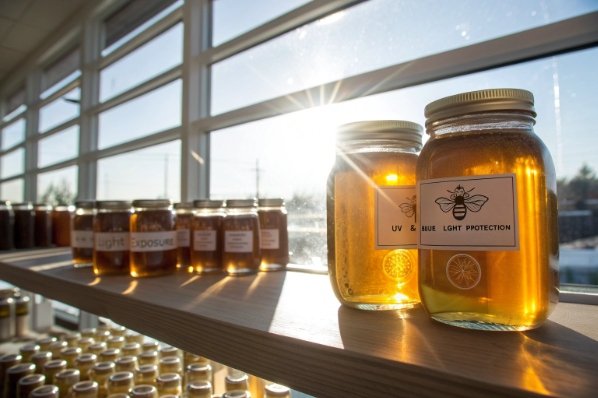
What light does to honey
Light energy can trigger oxidation. It can darken color. It can reduce delicate floral top notes. It can lower enzyme activity if exposure is strong or long. Store honey away from light and heat. Packaging should help with that plan. Glass color is a simple, effective tool.
Amber vs clear in practice
Amber glass filters UV and much of the blue spectrum. These wavelengths are more energetic and more damaging. For shelves with strong LEDs or daylight, amber jars offer extra protection. Clear glass, on the other hand, shows off the product. Buyers love the golden look. Clear works when the box, outer label, or store lighting reduces exposure. Clear also works when the supply chain is short, fast, and controlled.
How brands balance visibility and protection
Some brands use clear glass with a full-height wrap label. The label acts as a light shield. Others choose amber for raw or monofloral lots where sensory notes are critical. A hybrid approach also works: clear jars for small formats that turn over fast; amber for bulk or longer-dated SKUs.
Decision matrix
| Scenario | Risk of Light | Best Choice | Why |
|---|---|---|---|
| Bright retail shelves, slow turnover | High | Amber | Strong UV/blue light filter |
| Online DTC, warehouse storage | Medium | Clear with wrap label | Visibility + partial shielding |
| Premium raw honey, long aging | High | Amber | Protects enzymes and aroma |
| Gift sets with outer carton | Low | Clear | Carton blocks light; show color when unboxed |
A note on coatings and sleeves
Sprayed frosting, UV-blocking coatings, and shrink sleeves add extra light protection to clear glass. This keeps the “showcase” effect while reducing damage. These finishes also support brand design and tactile feel.
Do airtight lids and seals reduce crystallization and moisture ingress?
Honey is hygroscopic and attracts water from air 5. Extra water can trigger fermentation and flavor loss.
Yes. A tight, hermetic seal slows moisture ingress and oxygen exposure. This helps control crystallization rate and stops spoilage from excess water.
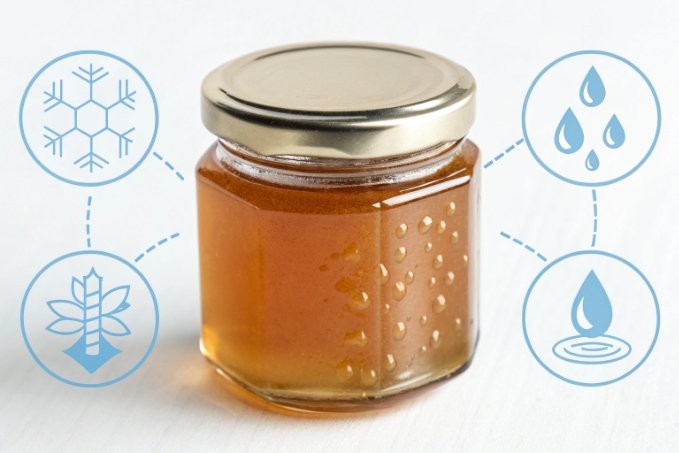
Why seals matter for a hygroscopic product
Honey wants moisture. If ambient humidity is high, unsealed jars gain water at the surface. Water dilutes sugars. Yeast can grow if total water content rises past safe levels. A dry headspace and a tight lid stop this. Glass threads and flat sealing lands create uniform contact. Pair these with proper liners, and you get a strong barrier.
Lid and liner options that work
Common systems include metal lug caps with plastisol, continuous-thread (CT) caps with pressure-sensitive liners, and CT caps with heat induction liners for tamper evidence. Good liners fill micro-gaps. They resist pressure changes. They seal even if the glass finish shows minor variation. For raw honey, many brands like simple CT caps with foam or pressure-sensitive liners because they are easy to apply and reclose.
Crystallization control
Crystallization depends on glucose-to-fructose ratio, pollen nuclei, and storage temperature. Airtight lids do not change sugar ratios, but they stabilize conditions. They prevent water gain and reduce headspace oxygen. Stable moisture and oxygen help crystals form more slowly and evenly. When crystallization does happen, a tight seal keeps aromas inside and prevents surface drying or crust.
Gentle rework and safety
When warming a sealed glass jar in a lukewarm water bath, the lid should be loosened first to avoid pressure buildup. Glass tolerates these cycles when temperature changes are gradual. Plastics can warp or soften. Warped closures can leak, pull air, or fail during transport.
Quick component table
| Component | Function | What to look for |
|---|---|---|
| Glass finish (CT or lug) | Mechanical fit and compression | Smooth land, consistent threads |
| Liner (foam, plastisol, induction) | Micro-gap seal and barrier | Food-grade, correct torque window |
| Torque control | Proper compression without damage | Calibrated cappers, routine checks |
| Tamper feature | Consumer trust | Button caps, bands, or induction |
Good sealing practice lowers returns, protects flavor, and keeps texture consistent from first spoon to last.
Are glass honey jars safer and more eco-friendly for food brands?
Safety builds trust. Sustainability builds loyalty. Packaging impacts both in daily use and in brand perception.
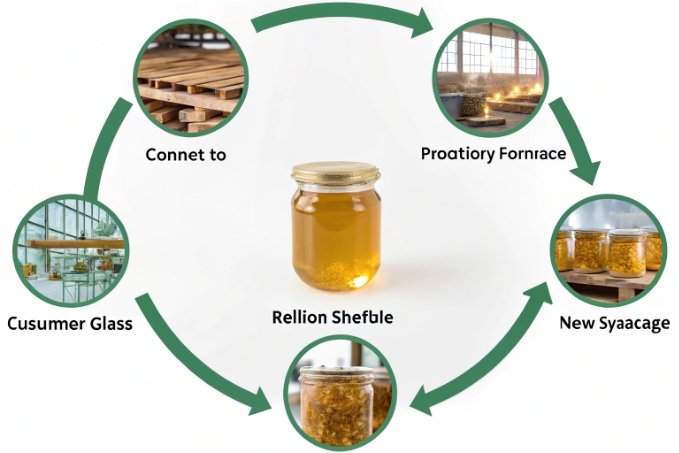
Glass is inert, endlessly recyclable, and easy to clean and reuse 6. It supports food safety and circularity better than many single-use plastics.
Food safety and consumer confidence
Shoppers want clean packaging. They want no odd smells. They want no unknown chemicals. Glass answers these concerns. It does not leach plasticizers. It does not corrode under acidic pH. It handles sanitation. It also signals a premium, honest product. On shelf, a clear, heavy glass jar feels safe and high value. This perception supports price and repeat purchase.
Reuse and recycling
Glass can go through many life cycles. It can be washed and refilled at home. It can be upcycled in kitchens for spices, sauces, or candles. In municipal systems, glass is 100% recyclable. Recycled glass (cullet) lowers furnace energy use in production 7. When brands talk about real sustainability, this closed-loop story is solid and easy to explain.
Operational durability and dispensing
Rigid glass discourages squeezing and foaming. That reduces aeration as people dispense honey. Less foam means less oxidation at the surface. The jar also stands firm in hot-fill or warm-room steps. Labels adhere well to clean glass with little curl. Pallets stack with confidence when jars and dividers are sized right.
Cost, shipping, and breakage
Glass is heavier than plastic. It needs good packaging design. Use dividers or molded pulp. Choose strong cases and fit-for-purpose pallets. The upside is a premium unboxing moment and higher shelf impact. Many brands offset freight with higher net price and lower return rates due to flavor stability and lower odor complaints.
Compliance and branding
Food-grade glass meets global standards when made under controlled processes. Decoration options are wide: silk screen, hot stamping, decals, frosting, electroplating, and more. These finishes create a strong brand story without adding scent or residue. For honey lines with several floral sources, color coding with caps and labels works well on a consistent jar silhouette.
Eco summary table
| Factor | Glass Honey Jar | Plastic Honey Bottle |
|---|---|---|
| Food safety risk | Very low | Low to moderate, additive-dependent |
| Recyclability | Endless, closed-loop | Varies by resin and local program |
| Reuse at home | Easy | Less durable |
| Heat tolerance | High | Lower |
| Brand perception | Premium, trustworthy | Casual, value-focused |
Glass supports both safety and sustainability. It builds a brand that feels honest, clean, and durable in the hands of real customers.
Conclusion
Glass jars protect honey’s flavor, enzymes, and color. Amber glass and airtight lids add extra safety. The result is better taste, longer life, and a stronger brand.
Footnotes
-
Overview of why glass protects honey’s flavor, aroma, and quality better than reactive containers. ↩︎ ↩
-
Explanation of glass packaging’s chemical inertness and benefits for food and beverage safety. ↩︎ ↩
-
Study summarizing typical honey pH range and its implications for stability and safety. ↩︎ ↩
-
Description of how amber glass filters UV/blue light and protects sensitive foods and drinks. ↩︎ ↩
-
Guidance on honey’s hygroscopic nature and best practices for preventing moisture absorption. ↩︎ ↩
-
Sustainability profile of glass packaging, focusing on recyclability, reusability, and inert food-contact properties. ↩︎ ↩
-
Industry overview of glass recycling, cullet use, and resulting energy and emission savings. ↩︎ ↩






